Page 3 - NOTICE; use of the material in this manual.
NOTICE This manual is valid for vehicles manufactured in the build code range provided on the back cover of this manual. If the vehicle build code is different from that shown on the back cover of this manual, please contact your nearest dealer or go to www.husqvarna.com to retrieve the proper owner...
Page 4 - FOREWORD; Homologated Diesel Vehicle for Europe Owner’s Manual
FOREWORD Thank you for choosing Husqvarna, the name most widely recognized as the industry leader in vehicle efficiency andlong-lasting value. You have chosen the finest utility vehicle on the market. Please protect your investment andensure that your Husqvarna vehicle(s) provides years of reliable,...
Page 5 - TABLE OF CONTENTS
TABLE OF CONTENTS Safety Decal and Feature Identification .................................................................................................................. 4 Practice Safety ................................................................................................................
Page 6 - Safety Decal and Feature Identification; SAFETY DECAL AND FEATURE IDENTIFICATION; HOMOLOGATED DIESEL VEHICLE
Safety Decal and Feature Identification SAFETY DECAL AND FEATURE IDENTIFICATION The following pages contain safety decal and feature identification information. For detailed information on specificfeatures, read the appropriate section in this manual. HUSQVARNA HUV 5420 DX R HOMOLOGATED DIESEL VEHIC...
Page 8 - Practice Safety; PRACTICE SAFETY; Figure 1
Practice Safety PRACTICE SAFETY 399 Figure 1 Practice Safety Safety signs like you see above may at first seem shocking, but their impact is mild compared with the realityof severe personal injury. Your safety and satisfaction are of the utmost importance to us. That is why before operating the vehi...
Page 10 - General Warnings; CAUTION; Other specific safety statements appear throughout; DANGER; WARNING CONTINUED ON NEXT PAGE
General Warnings CAUTION • A CAUTION without the safety alert symbol indicates a potentially hazardous situation that could result in property damage. GENERAL WARNINGS The following safety statements must be heeded whenever the vehicle is being operated, repaired, or serviced. See Safety Decal and F...
Page 11 - Diesel Vehicles on page 9.; DISABLING THE VEHICLE; Turn the key switch OFF and remove the key.; DISCONNECTING THE BATTERY – DIESEL VEHICLES; See Disabling the Vehicle on page 9.; CONNECTING THE BATTERY – DIESEL VEHICLES
General Warnings WARNING drop cargo bed; lower gently and keep entire body clear. Failure to heed this warning could result insevere personal injury or death. • Only trained technicians should service or repair the vehicle. Anyone doing even simple repairs or service should have knowledge and experi...
Page 12 - RECYCLING LEAD-ACID BATTERIES
General Warnings NE G PO S 1 2 (–) (+) 1. Remove negative battery cable. 2. Remove positive battery cable. Connect battery cables in reverse order. 188 Figure 2 Battery Cable Removal 189 Figure 3 All-Wheel Drive Warning RECYCLING LEAD-ACID BATTERIES WARNING • Lead-acid batteries contain lead (Pb), o...
Page 13 - General Information; GENERAL INFORMATION; vehicles that have been homologated for Europe.; MODEL IDENTIFICATION; The vehicle identification number; Figure 5; Figure 6
General Information GENERAL INFORMATION This homologated vehicle is designed for operation on public roads. Its construction also allows operation on roughterrain with inclines not exceeding 20%. This manual includes operating procedures, maintenance, and regular servicing information for the Husqva...
Page 14 - Controls and Indicators; CONTROLS AND INDICATORS; See General Warnings on page 8.; operating procedures.; Figure 7
Controls and Indicators CONTROLS AND INDICATORS See General Warnings on page 8. WARNING • Before allowing anyone to drive the vehicle, make sure the driver is familiar with all controls and operating procedures. • Do not tamper with the high idle speed setting on the diesel vehicle. Doing so will vo...
Page 15 - KEY SWITCH; . The handle has three; ACCELERATOR PEDAL; The accelerator pedal (1) is the pedal farthest to the right; See preceding WARNING and CAUTION.; BRAKE PEDAL; press the brake pedal.
Controls and Indicators WARNING • Moving parts! Keep clear of the engine compartment while the engine is running. CAUTION • Do not shift the Forward/Reverse handle while the accelerator pedal is pressed. Shift the handle only when the vehicle is at a complete stop and the engine is at idle. Failure ...
Page 16 - BRAKE LIGHTS; The park brake pedal (3) is located to the left of the brake pedal; Figure 8; STEERING ADJUSTMENT LOCK; . While holding the steering wheel in; See following WARNING.
Controls and Indicators BRAKE LIGHTS The brake lights illuminate when the brake pedal is pressed. When the park brake is engaged, the brake lights willturn off. See following NOTE. NOTE: When the key switch is in the OFF position, the brake lights are disabled. PARK BRAKE The park brake pedal (3) is...
Page 17 - See following CAUTION.; See Periodic Service Schedule on page 29.
Controls and Indicators 12-VOLT ACCESSORY OUTLET The 12-volt accessory outlet (11) is located to the right of the key switch (Figure 7) . It provides a constant 12VDC with the key switch in the ON or OFF position. See following NOTE. NOTE: Extended use of this accessory outlet can cause the battery ...
Page 18 - Figure 9; ELECTRIC BED LIFT; The hazard light switch (2) is located behind the turn signal handle; HIGH-TEMPERATURE WARNING LIGHT
Controls and Indicators 227 Figure 9 Turn Signal and Horn Controls ELECTRIC BED LIFT The electric bed lift switch (13) is located on the instrument panel to the left of the key switch (Figure 7) . To lift the bed, pull up and hold the toggle switch in the upper position. Release switch to stop lifti...
Page 19 - Roll-Over Protective Structure and Seat Belts; ROLL-OVER PROTECTIVE STRUCTURE AND SEAT BELTS; Release Seat Belt
Roll-Over Protective Structure and Seat Belts ROLL-OVER PROTECTIVE STRUCTURE AND SEAT BELTS This Husqvarna HUV 5420 DX R vehicle is equipped with a Roll-Over Protective Structure (ROPS) and seat belts for each occupant. See following WARNING. WARNING • The ROPS must be properly installed before oper...
Page 20 - DRIVERS SIDE SEAT CONTROLS
Roll-Over Protective Structure and Seat Belts WARNING • Do not operate the vehicle if the ROPS is damaged. If the ROPS is damaged, replace the structure. Do not attempt repair. • The driver and passenger must be restrained at all times with the seat belts provided to help prevent injury in the event...
Page 21 - Driver Seat Adjustments; Seat Locks; See Drivers; Raising the cargo bed can further improve access to the seat locks.; See previous WARNING.
Roll-Over Protective Structure and Seat Belts NOTE: Use care to avoid excessively decreasing seat tension. Excessive adjustment will cause the adjustment bolt to disengage from its bracket, and the adjustment handle will not function properly. If the adjustment bolt becomes disengaged from its brack...
Page 22 - PRE-OPERATION AND DAILY SAFETY CHECKLIST; brake pads or rotor have been replaced.; PERFORMANCE INSPECTION; Pre-Operation and Daily Safety Checklist
Pre-Operation and Daily Safety Checklist PRE-OPERATION AND DAILY SAFETY CHECKLIST Each Husqvarna vehicle has been thoroughly inspected and adjusted at the factory; however, upon receiving your newvehicle(s), you should become familiar with the controls, indicators, and operation. Carefully inspect e...
Page 23 - Driving Instructions; DRIVING INSTRUCTIONS
Driving Instructions • Park brake: When latched, the park brake should lock the wheels and hold the vehicle stationary on an incline of 20% or less. • Reverse buzzer: The reverse buzzer should sound as a warning when the Forward/Reverse handle is in the REVERSE position. • Steering: The vehicle shou...
Page 24 - STARTING THE VEHICLE; Study and understand all controls.
Driving Instructions WARNING • To help prevent overturning the vehicle, drive slowly straight up and down slopes. Avoid driving the vehicle on slopes exceeding 20% incline. • Avoid stopping a loaded vehicle on a hill. If a loaded vehicle must be stopped on a hill, avoid sudden starts or rolling back...
Page 25 - • Operator must control vehicle speed when going downhill.; See; condition, avoid extremely hard braking in reverse.; STOPPING THE VEHICLE; See following WARNING and CAUTION.
Driving Instructions WARNING • Operator must control vehicle speed when going downhill. • Never shift the vehicle out of the FORWARD position while going downhill. If you do, you will not be able to shift into the REVERSE position or back into the FORWARD position until stopped. • Press the brake pe...
Page 26 - Loading and Unloading Cargo; PARKING AND LEAVING THE VEHICLE; LOADING AND UNLOADING CARGO
Loading and Unloading Cargo CAUTION • When stopped on a hill, use the brake pedal to hold your position. Do not use the accelerator pedal to hold position. PARKING AND LEAVING THE VEHICLE 1. After stopping the vehicle, firmly set the park brake. Make sure it is fully engaged. This will prevent the v...
Page 27 - Vehicle Load Capacities; Gross Trailer Weight; Refer to Figure 13 for the following specifications.; Vehicle Load Capacity – Two-Passenger
Vehicle Load Capacities Gross Trailer Weight Gross trailer weight is the combination of the trailer weight and the trailer load weight. Maximum Payload Capacity The maximum payload capacity is the maximum amount of load that the vehicle can haul in the cargo bed and/or towin a trailer. The combined ...
Page 28 - Towing with the Vehicle; TOWING WITH THE VEHICLE
Towing with the Vehicle TOWING WITH THE VEHICLE WARNING • Do not tow a vehicle or trailer on public streets or highways. • Normal vehicle operating speed should be reduced when towing. • Extreme caution should be used when towing. • Do not allow riders in the vehicle or trailer being towed. • Avoid ...
Page 29 - Storage; STORAGE; PREPARING THE VEHICLE FOR EXTENDED STORAGE; Prepare the fuel tank.
Storage STORAGE See General Warnings on page 8. DANGER • Do not attempt to drain fuel when the engine is hot or while it is running. • Clean up any spilled fuel before operating the vehicle. • Store fuel in an approved fuel container only. Store in a well-ventilated area away from sparks, open flame...
Page 30 - Maintenance; RETURNING THE STORED VEHICLE TO SERVICE; Restore the fuel system to operation; See Connecting the Battery – Diesel Vehicles on page 9.; Coat terminals with Battery; MAINTENANCE; NEUTRAL position and chock the wheels prior to servicing.
Maintenance RETURNING THE STORED VEHICLE TO SERVICE 1. Make sure the key switch is in the OFF position and the Forward/Reverse handle is in the NEUTRAL position.Chock the wheels. 2. Restore the fuel system to operation (Figure 27) . 2.1. Remove the plug from the fuel tank vent. 2.2. Connect the vent...
Page 31 - Periodic Service Schedule
Periodic Service Schedule WARNING • If wires are removed or replaced make sure wiring and wire harness are properly routed and secured. Failure to properly route and secure wiring could result in vehicle malfunction, property damage,personal injury, or death. • Lift only one end of the vehicle at a ...
Page 32 - PERIODIC SERVICE SCHEDULE
Periodic Service Schedule PERIODIC SERVICE SCHEDULE REGULAR INTERVAL SERVICE Pre-Operation and Daily Safety Checklist See Pre-Operation and Daily Safety Checklist on page 20. Performance Inspection See Performance Inspection on page 20. Check engine oil level; add if necessary. See Engine Oil Level ...
Page 34 - Periodic Lubrication Schedule; PERIODIC LUBRICATION SCHEDULE
Periodic Lubrication Schedule PERIODIC LUBRICATION SCHEDULE PERIODIC LUBRICATION SCHEDULE REGULAR INTERVAL SERVICE LUBRICATION POINTS RECOMMENDED LUBRICANT First change 50 hours – additional change for both every 100 hours of operation or annually, whichever comes first. Change engine oil and oil fi...
Page 35 - Brake Fluid Reservoir; BRAKE FLUID RESERVOIR; Brake Fluid and Coolant Access; The brake fluid reservoir (1) is located under the hood; BRAKE FLUID
Brake Fluid Reservoir BRAKE FLUID RESERVOIR 1 2 1 2 3 1. Full Level 2. Safe Level 3. Low Level 201 Figure 15 Brake Fluid and Coolant Access 202 Figure 16 Brake Fluid Reservoir The brake fluid reservoir (1) is located under the hood (Figure 15) . Raise the hood to check the brake fluid level. During ...
Page 36 - Engine Oil; ENGINE OIL LEVEL CHECK; Engine Oil Level Check; ENGINE OIL AND FILTER CHANGE; Remove the oil filler cap to allow the oil to drain properly.
Engine Oil ENGINE OIL LEVEL CHECK 1. Remove the oil level dipstick from the oil filler tube and wipe oil from the dipstick (Figure 17) . See following CAUTION. CAUTION • Do not remove dipstick while engine is running. 2. Check oil level by fully inserting the dipstick into the tube and immediately r...
Page 37 - Use a socket or wrench to replace the oil drain plug (1); Engine Oil Drain Plug and Oil Filter – Diesel; Engine Oil Filter Change; Drain the engine oil.; See Engine Oil Draining on page 34.; Place the oil drain pan under the engine oil filter (2)
Engine Oil 5. From the underside of the vehicle, use a socket or wrench to remove the drain plug (1). Turn the plugcounterclockwise and drain the engine oil into the pan. See following WARNING. WARNING • Do not attempt to change engine oil when the engine is hot or even warm. Hot engine oil can caus...
Page 38 - Remove Engine Oil Filter; before attaching it to the oil filter port; Add Engine Oil
Engine Oil 26 Figure 19 Remove Engine Oil Filter 27 Figure 20 Coat Rubber Seal 4. Use a clean, lint-free rag to wipe the oil filter port flange surface clean where the oil filter gasket seats. 5. To help seal the new oil filter to the oil port flange, apply a light coat of white lithium NLGI Number ...
Page 39 - OIL VISCOSITY; Use engine oil with API classification CF for diesel engines.; Oil Viscosity Chart – Diesel Vehicles
Engine Oil Engine Oil Filling 1. Add engine oil; use a funnel or pour spout to direct the oil into the opening (Figure 21) . With filter change, the engine requires 3 qt. (2.8 L) of oil. Refer to oil viscosity guidelines for selection of oil grade (Figure 22) . See following CAUTION. CAUTION • Do no...
Page 40 - Gearcase Lubrication; GEARCASE LUBRICATION; Each gearcase component is equipped with two oil port plugs (1 and 2); Front Differential Lubrication Level; See Periodic Lubrication Schedule on page 32.; Apply Loctite 567 to the threads of
Gearcase Lubrication GEARCASE LUBRICATION NOTE: Dispose of used oil according to the environmental laws and regulations for your area. LUBRICATION LEVEL CHECK FOR FRONT DIFFERENTIAL, TRANSMISSION, AND REARDIFFERENTIAL Each gearcase component is equipped with two oil port plugs (1 and 2) (Figure 23, ...
Page 41 - Engine Coolant; Apply Loctite 567 to the threads of the level indicator plug; Rear Differential Lubrication Level; ENGINE COOLANT; ENGINE COOLANT LEVEL CHECK; . Raise the hood to check
Engine Coolant Check the level of lubricant at the level indicator plug (1). Apply Loctite 567 to the threads of the level indicator plugand tighten to 21 ft-lb (28 N·m). Rear differential: Clean and install the drain plug (2) and washer before filling the rear differential with new lubricant (Figur...
Page 42 - Air Intake System; AIR INTAKE SYSTEM; allowing excessive contamination to enter the air intake system.; AIR FILTER REPLACEMENT; Air Filter Cartridge; Air Filter Installation
Air Intake System AIR INTAKE SYSTEM CAUTION • Do not drill into the driver-side frame. Failure to heed this caution could damage the engine by allowing excessive contamination to enter the air intake system. AIR FILTER REPLACEMENT The air filter should be inspected periodically and replaced when nec...
Page 43 - Fueling Instructions; FUELING INSTRUCTIONS; • Turn the key switch to the OFF position before fueling.; Remove the fuel cap and fill the tank with fuel.; See preceding DANGER and following NOTE.; Use only diesel fuel grade no. 2 with a cetane rating of 45 or higher.; Fuel Tank; BIODIESEL FUEL
Fueling Instructions FUELING INSTRUCTIONS See General Warnings on page 8. DANGER • Turn the key switch to the OFF position before fueling. • Do not pour fuel into the fuel tank when the engine is hot or while it is running. • To avoid electric arc caused by static electricity, the fuel storage/pumpi...
Page 44 - Draining Water from Fuel Filter; See Engine Oil Level Check on page 34.; DRAINING WATER FROM FUEL FILTER
Fueling Instructions Biodiesel can damage painted surfaces. Be sure to remove all spilled fuel immediately to help prevent damage topainted surfaces. If biodiesel will be used in the Kubota D722 engine, be sure that it meets the following requirements: • The fuel blend should contain no more than 5%...
Page 45 - Battery; Fuel Filter; BATTERY; – Eyes: Flush with water for 15 minutes. Call a physician immediately.; • Follow all instructions carefully when working with batteries.
Battery 1 221 Figure 28 Fuel Filter BATTERY See General Warnings on page 8. DANGER • Battery – Explosive gases! Do not smoke. Keep sparks and flames away from the vehicle and service area. Ventilate when charging or operating vehicle in an enclosed area. Wear a full face shield andrubber gloves when...
Page 46 - . Electrolyte level should be checked semiannually.; Access the engine compartment.; See WARNING “For vehicles with cargo beds...” in General Warnings; rubber gloves when working on or near batteries.
Battery WARNING • When jumping from a booster battery make final (negative) connection at engine frame. • Do not jump start or charge a frozen or damaged battery. Unplug charger before connecting or disconnecting cables to the battery. Never lean over battery while boosting, testing, or charging. Th...
Page 47 - Access the engine compartment by raising the cargo bed.
Using A Booster Battery (Jump Starting) WARNING • If battery wire terminals are damaged or corroded, replace or clean them as necessary. Failure to do so may cause them to overheat during operation and could result in a fire, property damage, orpersonal injury. Be sure the battery hold-down clamp is...
Page 48 - Cleaning the Vehicle; Jump Starting; CLEANING THE VEHICLE; Dispose of waste water properly.
Cleaning the Vehicle P OS NEG P O S NEG 4 2 3 1 223 Figure 31 Jump Starting CLEANING THE VEHICLE Each vehicle is equipped with hand-washable front and rear bodies. The vehicle has a powder-coated steel cargo bed(or optional aluminum flat bed). Use commercial automotive cleaning solutions with a spon...
Page 49 - Accessories; ACCESSORIES; occupants from flying objects.; MUD TIRE OPTION; reduce speed, use extreme caution, and drive slowly in turns.
Accessories ACCESSORIES There is a complete line of accessory equipment available from our dealers/distributors. Care should be taken that these accessories are properly installed by trained technicians and that they are used in themanner for which they were designed. See following WARNING and CAUTI...
Page 50 - Vehicle Specifications; VEHICLE SPECIFICATIONS; SPECIFICATIONS
Vehicle Specifications VEHICLE SPECIFICATIONS SPECIFICATIONS DIESEL VEHICLES POWER SOURCE Engine: 4-cycle OHV, 719 cc 15Kw (20.0 maximum HP) @3600 RPM (per SAE J 1940/1349) Three-cylinder, liquid-cooled, with pressure lubrication system • Fuel system: Mechanical injection, fuel water separator, fuel...


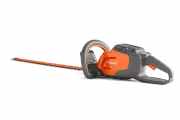 Husqvarna 115iHD55
User Manual
Husqvarna 115iHD55
User Manual
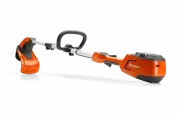 Husqvarna 115iL
User Manual
Husqvarna 115iL
User Manual
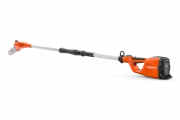 Husqvarna 115iPT4
User Manual
Husqvarna 115iPT4
User Manual
 Husqvarna 120
User Manual
Husqvarna 120
User Manual
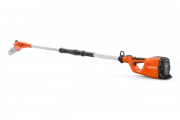 Husqvarna 120iTK4-P
User Manual
Husqvarna 120iTK4-P
User Manual
 Husqvarna 120 Mark II
User Manual
Husqvarna 120 Mark II
User Manual
 Husqvarna 122C
User Manual
Husqvarna 122C
User Manual
 Husqvarna 122HD45
User Manual
Husqvarna 122HD45
User Manual
 Husqvarna 122L
Quick Guide
Husqvarna 122L
Quick Guide
 Husqvarna 122LK
User Manual
Husqvarna 122LK
User Manual
 Husqvarna 122LKE
Quick Guide
Husqvarna 122LKE
Quick Guide
 Husqvarna 122LKH
Quick Guide
Husqvarna 122LKH
Quick Guide
 Husqvarna 122LKP
Quick Guide
Husqvarna 122LKP
Quick Guide
 Husqvarna 122RJ
Quick Guide
Husqvarna 122RJ
Quick Guide
 Husqvarna 125B
User Manual
Husqvarna 125B
User Manual