Page 2 - WARNING; IMPORTANT SAFETY INSTRUCTIONS
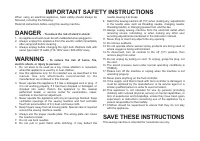
When using an electrical appliance, basic safety should always befollowed, including the following:Read all instructions before using this sewing machine. 1. An appliance should never be left unattended when plugged in.2. Always unplug this appliance from the electric outlet immediately after using ...
Page 3 - Congratulations
As the owner of a new Singer sewing machine, you are about to begin an exciting adventure in creativity. From the moment you first use your machine, you will know you are sewing on one of the easiest to use sewing machines ever made. May we recommend that, before you start to use your sewing machine...
Page 4 - List of Contents
List of Contents Machine Basics Sewing General Information Maintenance and Troubleshooting Principle Parts of the Machine ....................................................................................................................................................2/3Connecting Machine to Power...
Page 5 - Principal Parts of the Machine
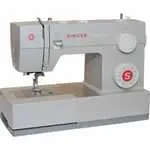
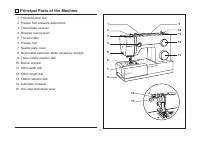
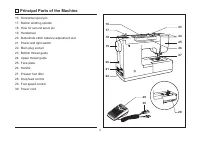
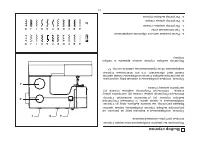
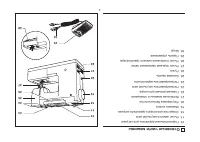
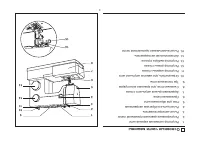
2 1. Thread tension dial 2. Presser foot pressure adjustment 3. Thread take-up lever 4. Reverse sewing lever 5. Thread cutter 6. Presser foot 7. Needle plate cover 8. Removable extension table/ accessory storage 9. Three needle position dial 10. Bobbin stopper 11. Stitch width dial 12. Stitch length...
Page 7 - Connecting Machine to Power Source
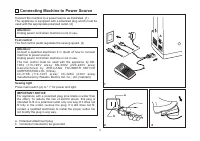
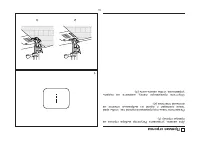
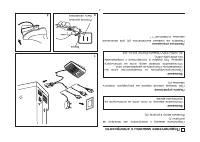
Connect the machine to a power source as illustrated. (1)This appliance is equipped with a polarized plug which must beused with the appropriate polarized outlet. (2) Unplug power cord when machine is not in use. The foot control pedal regulates the sewing speed. (3) Consult a qualified electrician ...
Page 8 - Two Step Presser Foot Lifter
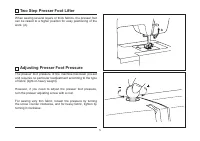
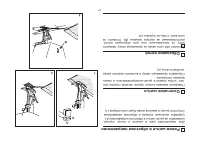
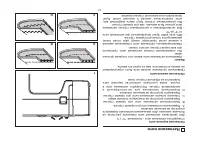
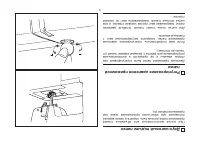
5 When sewing several layers or thick fabrics, the presser footcan be raised for easy positioning of the work. (A) to a higher position A The presser foot pressure of the machine has been pre-setand requires no particular readjustment according to the typeof fabric (light-or-heavy weight). However, ...
Page 9 - Accessories
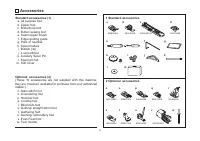
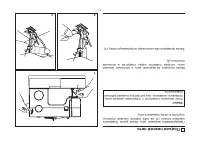
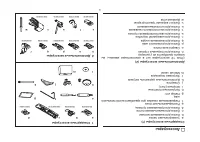
1 Standard accessories 2 Optional accessories Standard accessories (1) Optional accessories (2) a. All purpose footb. Zipper foot c. Buttonhole foot d. Button sewing foote. Seam ripper/ brush f. Edge/ quilting guide g. Pack of needlesh. Spool holders i. Bobbin (3x)j. L-screwdriver k. Auxiliary Spool...
Page 10 - Winding the Bobbin
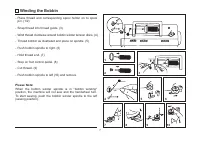
1 2 4 7 8 9 5 6 3 10 - corresponding . (1/2) - Snap thread into thread guide. (3) - Wind thread clockwise around bobbin winder tension discs. (4) - Thread bobbin as illustrated and place on spindle. (5) - Push bobbin spindle to right. (6) - Hold thread end. (7) - Step on foot control pedal. (8) - Cu...
Page 11 - Inserting the Bobbin
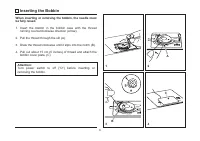
When inserting or removing the bobbin, the needle mustbe fully raised. Attention: 1. Insert the bobbin in the bobbin case with the thread running counterclockwise direction (arrow). 2. Pull the thread through the slit (A). 3. Draw the thread clockwise until it slips into the notch (B). 4. Pull out a...
Page 12 - Threading the Upper Thread
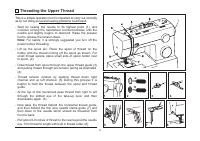
2 1 6 8 7 5 This is a simple operation but it is important to carry out correctlyas by not doing so . - Start by raising the needle to its highest point (1), and continue turning the handwheel counterclockwise until theneedle just slightly begins to descend. Raise the presserfoot to release the tens...
Page 13 - Automatic Needle Threader
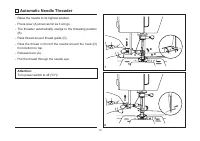
- Raise the needle to its highest position. - Press lever (A) down as far as it will go. - The threader automatically swings to the threading position (B). - Pass thread around thread guide (C). - Pass the thread in front of the needle around the hook (D) from bottom to top. - Release lever (A). - P...
Page 14 - Raising the Bobbin Thread
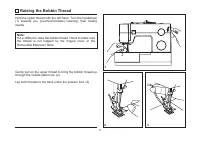
1 2 3 Hold the upper thread with the left hand. Turn the handwheel(1) towards you (counterclockwise) lowering, then raisingneedle. If it is difficult to raise the bobbin thread, check to make surethe thread is not trapped by the hinged cover or theRemovable Extension Table. Gently pull on the upper ...
Page 15 - Thread Tension
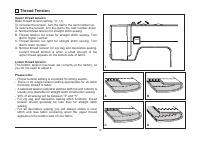
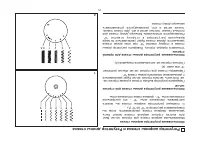
12 B A C D 1 Upper thread tension Lower thread tension Please note: Basic thread tension setting: "4". (1)To increase the tension, turn the dial to the next number up.To reduce the tension, turn the dial to the next number down.A. Normal thread tension for straight stitch sewing.B. Thread te...
Page 16 - How to Choose Your Pattern
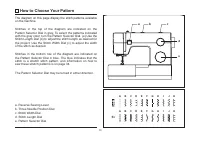
13 B A I K D C J E G F H S 1 B A I K D C J E G F H c e d a b The diagram on this page display the stitch patterns availableon the machine. Stitches in the top of the diagram are indicated on thePattern Selector Dial in gray. To select the patterns indicatedwith the gray color, turn the Pattern Selec...
Page 17 - Three Needle Position Dial
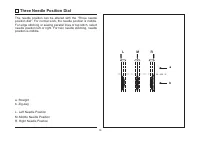
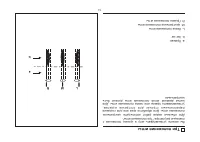
14 The needle position can be altered with the "Three needleposition dial". For normal work, the needle position is middle.For edge stitching or sewing parallel lines of top stitch, selectneedle position left or right. For twin needle stitching, needleposition is middle. a. Straightb. Zig-za...
Page 18 - Stitch Width Dial & Stitch Length Dial
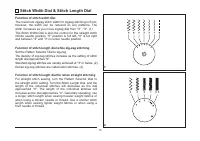
15 1 2 4 3 2 1 0.5 Function of stitch width dial Function of stitch length dial while zig-zag stitching Function of stitch length dial for when straight stitching The maximum zigzag stitch width for zigzag stitching is 5mm;however, the width can be reduced on any patterns. Thewidth increases as you ...
Page 19 - Sewing Straight Stitch
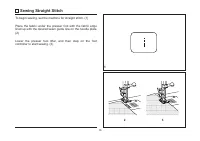
16 To begin sewing, set the machine for straight stitch. (1) Place the fabric under the presser foot with the fabric edgelined up with the desired seam guide line on the needle plate.(2) Lower the presser foot lifter, and then step on the footcontroller to start sewing. (3) 1 2 3 Sewing Straight Sti...
Page 20 - Removing the Work
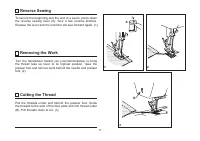
17 Turn the handwheel toward you (counterclockwise) to bringthe thread take up lever to its highest position, raise thepresser foot and remove work behind (2) the needle and presser foot. Pull the threads under and behind the presser foot. Guidethe threads to the side of the face plate and into thre...
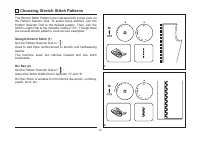
Page 21 - Choosing Stretch Stitch Patterns
18 1 2 The Stretch Stitch Patterns are indicated with a blue color onthe Stitch Length Dial to the indicator marked "S1". Though thereare several stretch patterns, here are two examples: The machine sews two stitches forward and one stitchbackwards. Adjust the Stitch Width Dial to between &#...
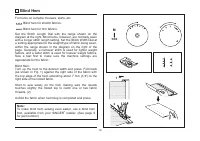
Page 22 - Blind Hem
19 2 1 For hems on curtains, trousers, skirts, etc. Blind hem for stretch fabrics. Blind hem for firm fabrics. Set the Stitch Width Dial at a setting appropriate for the weight/type of fabric being sewn,within the range shown in the diagram on the right of thepage. Generally, a narrower stitch is us...
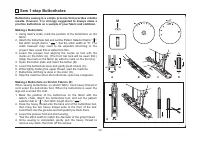
Page 23 - Sew 1-step Buttonholes
20 2 1 4 3 A D a b E B C Buttonhole sewing is a simple process that provides reliableresults. However, it is strongly suggested to always make apractice buttonhole on a sample of your fabric and stabilizer. Making a Buttonhole Making a Buttonhole on Stretch Fabrics (E) 1. Using tailor's chalk, mark ...
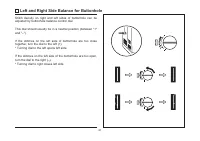
Page 24 - Left and Right Side Balance for Buttonhole
21 Stitch density on right and left sides of buttonhole can beadjusted by buttonhole balance control dial. This dial should usually be in a neutral position (between "+"and " ") If the stitches on the left side of buttonhole are too closetogether, turn the dial to the left (+).* Turn...
Page 25 - Sewing on Buttons
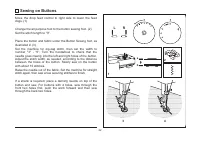
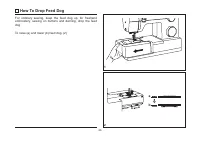
22 4 3 1 2 Move the drop feed control to right side to lower the feeddogs. (1) Change the all purpose foot to the button sewing foot. (2)Set the stitch length to "0". Set the machine for zig-zag stitch, then set the width tonumber "3" - "6". Turn the handwheel to check that t...
Page 26 - Installing the Removable Extension Table
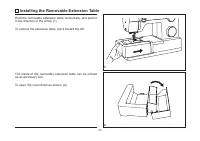
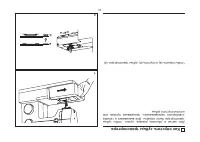
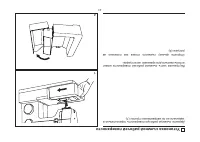
1 2 23 Hold the removable extension table horizontally, and push itin the direction of the arrow. (1) To remove the extension table, pull it toward the left. The inside of the removable extension table can be utilizedas an accessory box. To open, flip cover down as shown. (2) Installing the Removabl...
Page 27 - Attaching the Presser Foot Shank
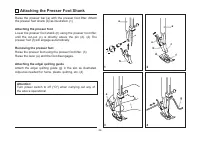
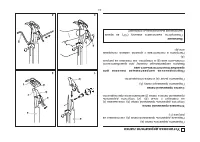
1 2 3 4 a c d e f b b a e g 24 Raise the presser bar dge/ quilting dge/ quilting (a) with the presser foot lifter. Attach the presser foot shank (b) as illustrated. (1) Lower the presser foot shank (b) using the presser foot lifter,until the cut-out (c) is directly above the pin (d). (2) Thepresser ...
Page 28 - NEEDLE SIZE; Chart
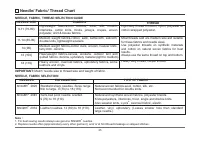
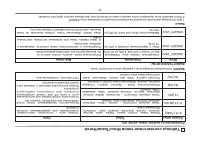
25 Heavy woolen, overcoat fabrics, upholstery fabrics, someleathers and vinyls. EXPLANATION Standard sharp needles. Sizes rangethin to large. 9 (70) to 18 (110). Semi-ball point needle, scarfed.9 (70) to 18 (110). Leather needles. 12 (80) to 18 (110). SINGER ® 2020 SINGER ® 2045 SINGER ® 2032 9-11 (...
Page 30 - Inserting & Changing Needles
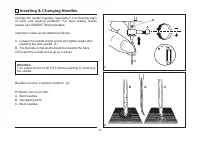
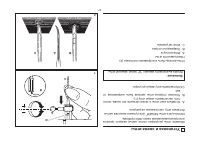
27 A C B A B C D 1 2 Change the needle regularly, especially if it is showing signsof wear and causing problems. For best sewing resultsalways use SINGER Brand Needles. Insert the needle A. Loosen the needle clamp screw and tighten again after inserting the new needle. (1) B. The flat side of the sh...
Page 31 - Changing the Bulb
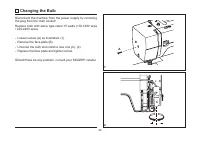
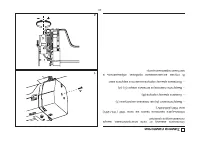
1 2 28 A B Disconnect the machine from the power supply by removingthe plug from the main socket! Replace bulb with same type rated 15 watts (110-120V area/ 220-240V area). - Loosen screw (A) as illustrated. (1) - Remove the face plate (B). - Unscrew the bulb and install a new one (C). (2) - Replace...
Page 32 - Troubleshooting Guide
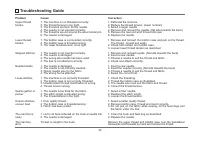
Problem Cause Correction Upper threadbreaks Lower threadbreaks Skipped stitches Needle breaks Loose stitches Seams gather orpucker Uneven stitches,uneven feed The machine isnoisy The machinejams 1. The machine is not threaded correctly.2. The thread tension is too tight.3. The thread is too thick fo...
Page 35 - Íåïîëàäêè
29 Ïðîáëå ìà Ïðè÷èíà Óñòðàíåíèå Îáðûââ åð õíåé íèòè Îáðûâíèæíåé íèòè Íå÷å òêèéøîâ Ïîë îìêà èãë û Ïðîïóñê ñòå æêî â Øâûñòÿãèâ àþòñ ÿ èëè ñìîðùèâàþ òñ ÿ Íåðîâíûåñò åæêè, íåðàâíîìåðíîå ïðîäâèæåíèå Ìàøèíà øóìíî ðàáîòà åò Ò ÿæå ëûéõ îä ìàøèíû 1.Íèòü íåïðàâèëüíîçàïðàâ ëåíà 2.Î÷åíü ñèëüíîåíà òÿæåíèåâ åð õí...
Page 57 - Íàìîòêà
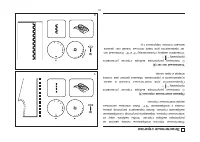
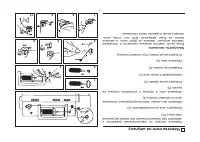
1 2 4 7 8 9 5 6 3 10 7 -Íàäåíü òå êà òóøê ó íà ãîðèç îíòàëüíûé äåðæàòå ëü è çàêðåïèòå ïðèïîìîùè áîëüøîé èëèìàë îéê àòóøå ÷íîé ïëàñòèíû(1/2). -Ïðîâ åäèò åíèòü âíèò åíàïðàâèòå ëü (3). -Îáâ åäèò åíèòü âîêð óãäèñê àðåãó ëèðóþù åãî íà òÿæåíèå íèòèïî ÷àñîâ îéñòðå ëêå (4). -Çàïðàâü òå íèòü â øïóëüê ó è óñ ...
Page 65 - Ïðàâèëàòå
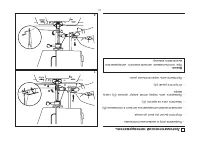
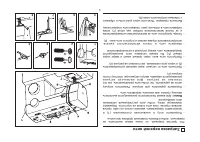
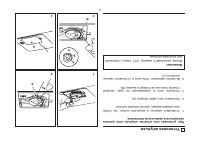
Ïðåæäå Âñåã äà î òê ëþ ÷àéòå ìàøèíó î ò ñå òè ý ëåê òðîïèòàíèÿ ïåðå ä çàìåíîé ëàìïî ÷êè. íàìàøèíå, åñëè è ïå äàëè óïðàâëåíèÿ. ðîçå òêè Ï ðè í îð ì àë ü íû õ ó ñë î âè ÿ õ ä ë ÿ ð àá î òû ó ðî â åí ü ø óì à ø âå é íî é ì àø è íû 7 5ä Á . 17.Ïðè îáíàðóæ åíèèíåèñïðàâíîñò åéâ ðàáî òå øâåéíîé ìàøèíû, ïîæ...




 Singer 12K User Manual
 Singer 14CG754 User Manual
 Singer 14HD854 User Manual
 Singer 14J334 User Manual
 Singer 14T970C User Manual
 Singer 37-10 User Manual
 Singer 118 User Manual
 Singer 120U User Manual
 Singer 160 User Manual
-User-Manual/webp/1.webp) Singer 384.13012 (Sold at Sears) User Manual
Singer 384.13012 (Sold at Sears) User Manual Singer 401 User Manual
 Singer 401A User Manual
 Singer 413 User Manual
 Singer 1108 User Manual
 Singer 1120 User Manual