Sunbeam DT5600 - User Manual
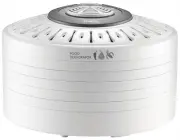
Sunbeam DT5600 Food Dehydrator – User Manual, read for free online in PDF format. We hope this helps you resolve any issues you may have. If you have further questions, please contact us through the contact form.


Table of Contents:
- Page 2 – Contents
- Page 3 – Sunbeam’s Safety Precautions
- Page 4 – Features of your Food Dehydrator
- Page 6 – Using your Dehydrator
- Page 8 – Care and Cleaning
- Page 9 – Important Guidelines and Hints
- Page 10 – Storage of Dried Foods; Rehydrating Dried Foods
- Page 12 – Drying Chart for Fruit
- Page 14 – Drying Vegetables
- Page 16 – Fruit Rolls
- Page 17 – Drying Herbs and Spices
- Page 18 – Drying Chart for Herbs and Spices
- Page 19 – Drying Meat
- Page 20 – Drying Flowers
- Page 21 – Recipes
- Page 31 – Drying Records Chart
- Page 35 – 2 Month Replacement Guarantee
Please read these instructions carefully
and retain for future reference.
Food Dehydrator
Healthy food dryer with 5 drying racks
Instruction/Recipe Booklet
DT5600
"Loading the manual" means you need to wait until the file loads and becomes available for online reading. Some manuals are very large, and the time they take to appear depends on your internet speed.
Was this manual helpful?
About this manual
- Brand
- Sunbeam
- Model
- DT5600
- Document type
- User Manual
- Category
- Food Dehydrator
- Language(s)
- English
- Pages
- 36
- File size
- 1.3 MB
- Format
Other Manuals for Sunbeam DT5600
Summary
Sunbeam’s Safety Precautions 1 Features of your Food Dehydrator 2 Using your Food Dehydrator 4 Care and Cleaning 6 Important Guidelines and Hints 7 Storage of Dried Foods 8 Rehydrating Dried Foods 8 Use of Dried Food 9 Drying Fruits 9 Drying Chart for Fruit 10 Drying Vegetables 12 Fruit Rolls 14 Dry...
1 If you have any concerns regarding the performance and use of your appliance, please visit www.sunbeam.com.au or contact the Sunbeam Consumer Service Line. Ensure the above safety precautions are understood. Sunbeam’s Safety Precautions SAFETY PRECAUTIONS FOR YOUR SUNBEAM DEHYDRATOR. • Ensure your...
Lid with drying motorActs as a lid for the Food Dehydrator and contains the motor and power switch. Air vents on the lid allow air to be circulated. 5 large drying racksHolds the food in place for easy drying. Your unit includes 5 drying racks. You can purchase more drying racks from retail outlets ...
Ask a question
Related manuals
More Sunbeam Food Dehydrators models

Other Sunbeam appliances
 Sunbeam 2348 Manual
 Sunbeam 2360 Manual
 Sunbeam 2372 Manual
 Sunbeam 2377 Manual
 Sunbeam 2480 Manual
 Sunbeam 2484 Manual
 Sunbeam 2487 Manual
 Sunbeam 2556 Manual
 Sunbeam 2589 Manual
 Sunbeam 2617 Manual
 Sunbeam 2785-33 Manual
 Sunbeam 3010 Manual
 Sunbeam 3019 Manual
- Sunbeam 3030 Manual
 Sunbeam 3242 Manual
 Sunbeam 3258 Manual
 Sunbeam 3335-33 Manual
 Sunbeam 3831 Manual
 Sunbeam 3835 Manual