Page 2 - TABLE OF CONTENTS
2 TABLE OF CONTENTS TABLE OF CONTENTS 3 IMPORTANT SAFETY INSTRUCTIONS 10 OVERVIEW 10 Range overview 1 1 Control panel overview 12 FEATURES 12 Clock 13 Timer on/off 13 Convection auto conversion 14 Oven temperature adjustment 14 Language 14 Preheating alarm light 14 Beeper volume 14 Fahrenheit of Cel...
Page 3 - ENGLISH; IMPORTANT SAFETY INSTRUCTIONS; WARNING; ANTI-TIP SAFETY PRECAUTIONS; engaged to the floor or wall and engaged to the leveling leg
3 ENGLISH IMPORTANT SAFETY INSTRUCTIONS IMPORTANT SAFETY INSTRUCTIONS Read and follow all instructions before using your oven to prevent the risk of fire, electric shock, personal injury, or damage when using the range. This guide does not cover all possible conditions that may occur. Always contact...
Page 4 - • Remove the warming or storage; SAFETY PRECAUTIONS; The oven may still be VERY HOT.
4 IMPORTANT SAFETY INSTRUCTIONS • Remove the warming or storage drawers and visually inspect that the rear leveling legs are fully inserted into the anti-tip bracket. • Be certain that your appliance is properly installed and grounded by a qualified technician. • Do not repair or replace any part of...
Page 5 - REMOVE FLAMMABLE AND EXPLOSIVE
5 ENGLISH IMPORTANT SAFETY INSTRUCTIONS WARNING • DO NOT step or sit on the oven door. Install the anti-tip bracket packed with range. - The range could be tipped and injury might result from spilled hot liquid, food, or the range itself. - If the range is pulled away from the wall for cleaning, ser...
Page 6 - ELECTRICAL SAFETY; Failure to do so can result in; PAN PLACEMENT; • Use extreme caution when moving or disposing of hot grease.; SAFETY DURING USE; Eating spoiled food can result in sickness from food poisoning.
6 IMPORTANT SAFETY INSTRUCTIONS ELECTRICAL SAFETY • Protective Liners. Do not use aluminum foil or any other material to line the oven bottom. Improper installation of these liners may result in a risk of electric shock or fire. • Do Not allow aluminum foil or the temperature probe to contact heatin...
Page 7 - Flour may be; CHILD SAFETY
7 ENGLISH IMPORTANT SAFETY INSTRUCTIONS • Should an oven fire occur, leave the oven door closed and turn the oven off. If the fire continues, throw baking soda on the fire or use a fire extinguisher. • Should an oven fire occur, DO NOT put water or flour on the fire. Flour may be explosive and water...
Page 8 - GLASS/CERAMIC COOKING SURFACES
8 IMPORTANT SAFETY INSTRUCTIONS • NEVER store items of interest to children in cabinets above the range. Children climbing on the range or on the oven door to reach items could be seriously injured. • Let hot utensils cool in a safe place, out of reach of small children. • Children should not be all...
Page 9 - DO NOT use scrub pads or abrasive cleaning pads.; - They may damage your glass cooktop surface.; Do not slide anything metal or glass across the cooktop.; SAFETY WHEN CLEANING; CAUTION; Do Not Use Oven Cleaners.; In the event the self clean error code F is displayed, and three long; Make sure oven lights are cool before cleaning.; COOK MEAT AND POULTRY THOROUGHLY
9 ENGLISH IMPORTANT SAFETY INSTRUCTIONS • If cabinet storage is provided directly above cooking surface, limit it to items that are infrequently used and can be safely stored in an area subjected to heat. Temperatures may be unsafe for items such as volatile liquids, cleaners or aerosol sprays. • Wh...
Page 10 - OVERVIEW; RANGE OVERVIEW
10 OVERVIEW OVERVIEW RANGE OVERVIEW Warming zone element Single element Triple element Automatic oven light switch Gasket Heavy racks Gliding rackSplit rack Oven door Lower oven drawer Single element Dual element Ceramic glass Anti-tip bracket Model and serial number plate Dual Purpose Roast Rack In...
Page 11 - CONTROL PANEL OVERVIEW; NOTE; Hot Surface Indicator
11 ENGLISH Tr ipl e Dual Single Dual Singl e 200˚F Warm 450˚F 400˚F 350˚F 300˚F 250˚F OVERVIEW CONTROL PANEL OVERVIEW Cooktop Element Oven Controls Features Cooktop Element Number Buttons Warm zone Dual Elemet <Cooktop Element Control> Triple Element Hot surface indicator light Single Elements...
Page 12 - FEATURES; CLOCK; Setting the hour mode on the clock; Minimum & Maximum default settings
12 FEATURES FEATURES CLOCK The clock must be set to the correct time of day in order for the automatic oven timing functions to work properly. 1. Touch CLOCK. 2. Touch the number buttons to enter the time. For example, to set the clock for 10:30, touch the numbers: 1, 0 , 3 and 0 . 3. Touch START. •...
Page 13 - To cancel the Timer before the set time has run; CONVECTION AUTO CONVERSION
13 ENGLISH FEATURES TIMER ON/OFF The TIMER ON/OFF serves as an extra timer in the kitchen that will beep when the set time has run out.It does not start or stop cooking.The TIMER ON/OFF feature can be used during any of the other oven control functions. To set the Timer (example for 5 minutes): 1. T...
Page 14 - Adjusting the oven temperature
14 FEATURES OVEN TEMPERATURE ADJUSTMENT You may find that your new oven cooks differently than the one it replaced. Use your new oven for a few weeks to become more familiar with it before changing the temperature settings. If after familiarizing yourself with the new oven, you still think that it i...
Page 15 - LOCKOUT; Activate the Lockout feature:; To set the oven for Delayed Start (example, to
15 ENGLISH FEATURES LOCKOUT The Lockout feature automatically locks the oven door and prevents most oven and cooktop controls from being turned on. It does not disable the clock, timer or the interior oven light. Activate the Lockout feature: 1. Touch and hold the START button for three seconds. 2. ...
Page 16 - Setting the TIMED COOK function (example,; To change the cook time while operating the
16 FEATURES COOK TIME (TIMED COOK) The TIMED COOK feature allows you to set the oven to cook for a specific length of time. This feature can only be used with the BAKE, CONVECTION BAKE, CONVECTION ROAST and FAVORITE modes. Setting the TIMED COOK function (example, BAKE at 300°F for 30 minutes): Make...
Page 17 - USING THE COOKTOP; COOKING AREAS; Hot surface indicator; Using the cooktop elements; To turn on a SINGLE element (left and right rear
17 ENGLISH USING THE COOKTOP USING THE COOKTOP COOKING AREAS The cooking areas on your range are identified by permanent circles on the glass cooktop surface. For the most efficient cooking, fit the pan size to the element size.Pans should not extend more than 1/2 to 1-inch beyond the cooking area.W...
Page 19 - Recommended surface cooking settings; Check pans for flat bottoms by using a straight
19 ENGLISH USING THE COOKTOP Recommended surface cooking settings Element Level Recommended Use Dual Triple - • Large diameter cookware • Large quantities of food • Home canning Single Dual Triple HI • Bring liquid to a boil • Start cooking 8 • Hold a rapid boil, frying, deep fat fry • Quickly brown...
Page 20 - USING THE OVEN; REMOVING AND REPLACING THE; Rack and Pan Placement
20 USING THE OVEN USING THE OVEN REMOVING AND REPLACING THE OVEN RACKS • Replace oven racks before turning the oven on to prevent burns. • DO NOT cover the racks with aluminum foil, or any other material, or place anything on the bottom of the oven. Doing so will result in poor baking and may damage...
Page 21 - BAKE; To change the Bake Temperature while cooking
21 ENGLISH USING THE OVEN BAKE BAKE is used to prepare foods such as pastries, breads and casseroles. The oven can be programmed to bake at any temperature from 170°F (77°C) to 550°F (288°C). The default temperature is 350°F (177°C). Setting the BAKE function (example, 375°F): 1. Touch BAKE. 2. Set ...
Page 22 - DUAL CONVECTION BAKE; Benefits of Dual Convection Bake:; Setting the CONVECTION BAKE function; To use 3-rack position mode
22 USING THE OVEN DUAL CONVECTION BAKE Dual Convection baking uses two fans to circulate the oven's heat evenly and continuously within the oven.Improved heat distribution allows for even cooking and excellent results using multiple racks at the time. Foods cooked on a single oven rack will generall...
Page 23 - CONVECTION ROAST; Setting the CONVECTION ROAST function; Roasting Rack Instructions
23 ENGLISH USING THE OVEN CONVECTION ROAST The Convection Roast feature is designed to give optimum roasting performance. The Convection Roast feature uses the convection fan while cooking to roast meats and poultry. The heated air circulates around the food from all sides, sealing in juices and fla...
Page 24 - HEALTHIER ROAST; Setting the HEALTHIER ROAST function:
24 USING THE OVEN HEALTHIER ROAST The Healthier Roast function is designed to lower the fat content of meat and poultry. Healthier Roast can reduce fat up to 20% compared to regular roasting. The amount of fat reduced from the meat may vary depending on the type and cut of meat. Results are based on...
Page 25 - BROIL; Setting the BROIL function; Smoking
25 ENGLISH USING THE OVEN BROIL The Broil function uses intense heat from the upper heating element to cook food. BROIL works best for tender cuts of meat, fish, and thinly cut vegetables. • Your oven is designed for CLOSED DOOR Broiling• The meat probe cannot be used with this mode NOTE Before Broi...
Page 26 - RECOMMENDED BROILING GUIDE; Broiling Chart
26 USING THE OVEN RECOMMENDED BROILING GUIDE The size, weight, thickness, starting temperature, and your preference of doneness will affect broiling times.This guide is based on meats at refrigerator temperature. For best results when broiling, use a pan designed for broiling (refer to Fig.1) Fig.1 ...
Page 27 - Broiling Tips; Beef; FAVORITE
27 ENGLISH USING THE OVEN Broiling Tips • Preheat oven 5~7 minutes for best broiling results. • Brush fish and poultry with butter or oil to prevent sticking. • Always use the broiler pan and grid that came with your oven. Do not cover the grid with aluminum foil. The broiler grid is designed to pre...
Page 28 - WARM; Setting the WARM function:; PROOF; Setting the PROOF function:
28 USING THE OVEN WARM The warm function will maintain an oven temperature of 170°F and keep cooked food warm for serving up to 3 hours after cooking has finished. The Warm function may be used without any other cooking operations or can be used following the finished of TIMED BAKE or DELAYED TIMED ...
Page 29 - MEAT PROBE
29 ENGLISH USING THE OVEN MEAT PROBE The meat probe accurately measures the internal temperature of meat, poultry and casseroles. It should not be used during broiling, self clean, warming or proofing. Always unplug and remove the meat probe from the oven when removing food. Before using, insert the...
Page 30 - LOWER OVEN CONTROLS; USING THE LOWER OVEN; Setting the Lower Oven function
30 LOWER OVEN CONTROLS LOWER OVEN CONTROLS USING THE LOWER OVEN The purpose of the lower oven is to bake foods using the same cooking times and temperatures you would in a standard oven. Foods ideal for baking in the lower oven drawer include pizza, frozen foods, casseroles, biscuits, rolls and many...
Page 31 - CARE AND CLEANING; CLEANING THE GLASS/CERAMIC
31 ENGLISH CARE AND CLEANING CARE AND CLEANING CLEANING THE GLASS/CERAMIC COOKTOP • DO NOT use scrub pads or abrasive cleaning pads. They may damage your cooktop surface. • For your safety, wear an oven mitt or potholder while cleaning the hot cooking surface. CAUTION Use Ceramic Cooktop Cleaner on ...
Page 32 - Metal Marks and Scratches; Cooktop Seal; SELF CLEAN; Before Starting Self Clean:
32 CARE AND CLEANING IMPORTANT: If any sugar or food containing sugar (preserves, ketchup, tomato sauce, jellies, fudge, candy, syrups, chocolate, etc.), plastic or foil melts on the cooktop, remove the molten material IMMEDIATELY with a metal razor scraper (it will not damage the decorated cooking ...
Page 33 - Setting Self Clean; Self Clean Soil Guide; Setting Self Clean with a Delayed
33 ENGLISH CARE AND CLEANING During the self clean cycle, the cooktop elements and Lower oven drawer cannot be used. • Remove oven racks and accessories before starting the self clean cycle. • If oven racks are left in the oven cavity during the self clean c ycle, they will discolor and become diffi...
Page 34 - During Self Clean; After the Self Clean Cycle
34 CARE AND CLEANING During Self Clean • The self clean cycle uses extremely hot temperatures to clean the oven cavity. While running the Self Clean cycle, you may notice smoking or an odor. This is normal; especially if the oven is heavily soiled. • As the oven heats, you may hear sounds of metal p...
Page 35 - Stainless Steel Surfaces; To avoid scratches, do not use steel wool pads.; Broiler Pan and Grid
35 ENGLISH CARE AND CLEANING CLEANING THE EXTERIORPainted and Decorative Trim For general cleaning, use a cloth with hot soapy water. For more difficult soils and built-up grease, apply a liquid detergent directly onto the soil. Leave it on for 30 to 60 minutes. Rinse with a damp cloth and dry. Do n...
Page 36 - Removing the oven door; Replacing the oven door
36 CARE AND CLEANING REMOVING AND REPLACING THE OVEN DOOR AND LOWER OVEN DRAWER • Be careful when removing and lifting the door.• DO NOT lift the door by the handle.• DO NOT hit the glass with pots, pans, or any other object. • Scratching, hitting, jarring or stressing the glass may weaken its struc...
Page 37 - Removing the Lower Oven Drawer; Replacing the Lower Oven Drawer
37 ENGLISH CARE AND CLEANING Removing the Lower Oven Drawer Disconnect the electrical power to the range at the main fuse or circuit breaker panel. Failure to do so can result in severe personal injury, death, or electrical shock. WARNING Most cleaning can be done with the drawer in place; however, ...
Page 38 - FAQs
38 FAQs FAQs What types of cookware are recommended to use with my cook top? • The pans must have a flat bottom and straight sides.• Only use heavy- gauge pans.• The pan size must match the amount of food to be prepared and the size of the surface element. • Use tight fitting lids.• Only use flat bo...
Page 39 - BEFORE REQUESTING SERVICE
39 ENGLISH TROUBLESHOOTING BEFORE REQUESTING SERVICE Review this Troubleshooting section before calling for service. This section contains common occurrences that are not a result of defective workmanship or materials. Problem Possible Causes / Solutions Range is not level. • Poor installation. Plac...
Page 44 - MEMO
Page 45 - MANUAL DEL USUARIO; COCINA ELÉCTRICA; ESP
LSE3092ST P/No.: MFL62114702 www.lg.com MANUAL DEL USUARIO COCINA ELÉCTRICA Lea atentamente este manual del usuario antes de poner el electrodoméstico en funcionamiento y téngalo en todo momento a mano para su referencia. ESP AÑOL
Page 46 - ÍNDICE
2 ÍNDICE ÍNDICE 3 IMPORTANTES INSTRUCCIONES DE SEGURIDAD 12 DESCRIPCIÓN GENERAL 12 Descripción general de la cocina 1 3 Descripción general del panel de control 14 CARACTERÍSTICAS 14 Reloj 15 Temporizador encendido/apagado 15 Conversión automática de convección 16 Termostato 16 Idioma 16 Luz de alar...
Page 47 - IMPORTANTES INSTRUCCIONES DE SEGURIDAD; ADVERTENCIA; ADVERTENCIA
3 ESP AÑOL IMPORTANTES INSTRUCCIONES DE SEGURIDAD IMPORTANTES INSTRUCCIONES DE SEGURIDAD Lea y siga todas las instrucciones antes de usar su horno para evitar riesgos de incendios, descargas eléctricas, lesiones a las personas o daños al utilizar la cocina. Esta guía no incluye todas las situaciones...
Page 48 - • Retire el cajón calentador o de; PRECAUCIONES DE SEGURIDAD
4 IMPORTANTES INSTRUCCIONES DE SEGURIDAD • Retire el cajón calentador o de almacenamiento y controle visualmente que las patas de nivelación traseras estén completamente insertadas en el soporte anti-vuelco. • Asegúrese de que un técnico calificado realice la instalación y puesta a tierra de este el...
Page 49 - PRECAUCIÓN; del horno con papel de aluminio o cualquier otro material.; Hacerlo alterará; • No pise ni se siente sobre la puerta del horno.; Instale el soporte anti-vuelco que; utilice un repasador u otro paño grueso para quitar la comida.; ELIMINE CUALQUIER MATERIAL FLAMABLE Y
5 ESP AÑOL IMPORTANTES INSTRUCCIONES DE SEGURIDAD PRECAUCIÓN • NO cubra las paredes del horno, estantes, parte inferior, o cualquier otra parte del horno con papel de aluminio o cualquier otro material. Hacerlo alterará la distribución del calor, producirá malos resultados en la cocción y provocará ...
Page 50 - SEGURIDAD ELÉCTRICA; COLOCACIÓN DE LA BANDEJA
6 IMPORTANTES INSTRUCCIONES DE SEGURIDAD • No almacene o use materiales flamables dentro del horno o cerca del cooktop. Materiales flamables incluyen papel, plastico, guantes, ropa, revestimientos para paredes, cortinas, gasolina u otros vapores flamables y liquidos como grasas o aceite para cocinar...
Page 51 - SEGURIDAD DURANTE SU USO; Utilice únicamente papel aluminio o
7 ESP AÑOL IMPORTANTES INSTRUCCIONES DE SEGURIDAD • Utilice un termómetro para frituras para evitar que la grasa se caliente por encima del punto de humeo. • Utilice la menor cantidad posible de grasa para rehogar o freír de manera efectiva. Llenar el recipiente con demasiada grasa podría causar der...
Page 52 - Para reducir el riesgo; SEGURIDAD DE LOS NIÑOS
8 IMPORTANTES INSTRUCCIONES DE SEGURIDAD • Utensilios de cocina vidriados. Sólo ciertos tipos de vidrio, vitrocerámica, cerámica, barro u otros tipos de utensilios vidriados son aptos para utilizar en la parte superior de la cocina sin que se rompan debido al brusco cambio de temperatura. • Las asas...
Page 53 - SUPERFICIES DE COCCIÓN DE VITROCERÁMICA
9 ESP AÑOL IMPORTANTES INSTRUCCIONES DE SEGURIDAD SUPERFICIES DE COCCIÓN DE VITROCERÁMICA Manténgase a un costado de la cocina al abrir la puerta del horno. El aire caliente y el vapor que escapan pueden causar quemaduras en las manos, el rostro y los ojos. ADVERTENCIA • NO TOQUE LAS HORNALLAS DE SU...
Page 54 - - Podrían dañar la superficie de vidrio de la estufa.; SEGURIDAD AL LIMPIAR
10 IMPORTANTES INSTRUCCIONES DE SEGURIDAD • NO toque las hornallas de superficie hasta que se hayan enfriado. • Las hornallas de la superficie podrían todavía estar calientes y podrían producirse quemaduras si se toca la superficie de vidrio antes de que se haya enfriado lo suficiente. • Limpie inme...
Page 55 - Instrucciones Importantes.; En el caso de que aparezca el código de error de; Asegúrese de que las luces del horno estén frías antes de limpiar.; provocar el mal funcionamiento del horno.; COCINAR BIEN LA CARNE Y LAS AVES; seguras para el consumo.
11 ESP AÑOL IMPORTANTES INSTRUCCIONES DE SEGURIDAD • Instrucciones Importantes. En el caso de que aparezca el código de error de autolimpieza F, y se escuchen tres tonos largos, el horno está funcionando mal en el modo auto-limpieza. Desconecte la energía eléctrica del horno desde el fusible princip...
Page 56 - DESCRIPCIÓN GENERAL; DESCRIPCIÓN GENERAL DE LA COCINA
12 DESCRIPCIÓN GENERAL DESCRIPCIÓN GENERAL DESCRIPCIÓN GENERAL DE LA COCINA Elemento de zona de calentamiento Elemento único Elemento triple Interruptor automático de la luz del horno Junta Bandejas pesadas Bandeja plegableBandeja dividida Puerta del horno Cajón del horno inferior Elemento único Ele...
Page 57 - DESCRIPCIÓN GENERAL DEL PANEL DE CONTROL; NOTA; Reloj Parpadeando
13 ESP AÑOL Tr ipl e Dual Single Dual Singl e 200˚F Warm 450˚F 400˚F 350˚F 300˚F 250˚F DESCRIPCIÓN GENERAL DESCRIPCIÓN GENERAL DEL PANEL DE CONTROL Control de la Hornalla de la Estufa Controles del Horno Características Control de la Hornalla de la Estufa Botones Numéricos Calentador Elemento doble ...
Page 58 - CARACTERÍSTICAS; RELOJ; Configurar el modo horario en el reloj
14 CARACTERÍSTICAS CARACTERÍSTICAS RELOJ Debe configurarse el reloj con la hora correcta del día en el orden correcto para que las funciones de temporización automática del horno funcionen correctamente. 1. Presione CLOCK . 2. Presione los botones numéricos para ingresar la hora. Por ejemplo, para p...
Page 59 - TEMPORIZADOR ENCENDIDO/; Para configurar el temporizador; Para cancelar el temporizador antes de finalizar; CONVERSIÓN AUTOMÁTICA DE
15 ESP AÑOL CARACTERÍSTICAS TEMPORIZADOR ENCENDIDO/ APAGADO TIMER ON/OFF (temporizador encendido/apagado) funciona como un temporizador extra en la cocina que emite un pitido cuando finaliza el tiempo configurado. No inicia o detiene la cocción.La característica TIMER ON/OFF (temporizador encendido/...
Page 60 - Configuración del Termostato
16 CARACTERÍSTICAS TERMOSTATO Podría resultarle que el horno nuevo cocina distinto que el que reemplazó. Utilice su nuevo horno durante unas semanas parta familiarizarse con él antes de cambiar las configuraciones de la temperatura. Si luego de familiarizarse con su nuevo horno, usted todavía cree q...
Page 61 - BLOQUEO; Cómo activar la función de bloqueo:; HORA DE INICIO (COCCIÓN; Para configurar el horno para Inicio Retardado
17 ESP AÑOL CARACTERÍSTICAS BLOQUEO La función de bloqueo bloquea el horno automáticamente y evita que la mayoría de los controles del horno se activen. No desactiva el reloj, el temporizador ni la luz interior del horno. Cómo activar la función de bloqueo: 1. Presione START (iniciar) durante 3 segu...
Page 62 - TIEMPO DE COCCIÓN (COCCIÓN; Configuración de la función COCCIÓN; Para cambiar el tiempo de cocción mientras
18 CARACTERÍSTICAS TIEMPO DE COCCIÓN (COCCIÓN TEMPORIZADA) La función COCCIÓN TEMPORIZADA le permite configurar el horno para que cocine durante un período de tiempo específico. Esta función puede utilizarse únicamente con los modos HORNEAR, HORNEADO POR CONVECCIÓN ASADO POR CONVECCIÓN y FAVORITOS. ...
Page 63 - USO DE LA ESTUFA; ÁREAS DE COCCIÓN; Uso de las hornallas de la estufa; Para encender una hornalla SIMPLE (hornallas; ado Iz
19 ESP AÑOL USO DE LA ESTUFA USO DE LA ESTUFA ÁREAS DE COCCIÓN Las áreas de cocción de su cocina están identificadas por círculos permanentes sobre la superficie de vidrio de la estufa. Para una cocción más eficiente, haga coincidir el tamaño del recipiente con el tamaño de la hornalla. Los recipien...
Page 64 - Encender una hornalla DUAL (hornallas anterior; Para encender una unidad de superficie; Encender la Zona de Calentamiento (hornalla
20 Encender una hornalla DUAL (hornallas anterior derecha e izquierda): Hay un elemento doble ubicado en la posición frontal izquierda. Esto le permite cambiar el tamaño del elemento. 1. Presione la perilla hacia adentro. 2-A. Gire la perilla en sentido contrario a las agujas del reloj para alcanzar...
Page 65 - Configuración de cocción de superficie; Controle que los recipientes de cocción tengan
21 ESP AÑOL USO DE LA ESTUFA Configuración de cocción de superficie recomendada Elemento Nv Uso recomendad Dual (doble) Triple (triple) - • Recipientes de cocción de diámetro grande • Grandes cantidades de alimentos • Conservas caseras Single (único) Dual (doble) Triple (triple) HI (alto) • Llevar l...
Page 66 - USO DEL HORNO; SACAR Y VOLVER A COLOCAR LOS; Retirar los estantes:; Colocación del Estante y la Bandeja
22 USO DEL HORNO USO DEL HORNO SACAR Y VOLVER A COLOCAR LOS ESTANTES DEL HORNO • Volver a colocar los estantes del horno antes de encender el horno para evitar quemaduras. • NO cubra los estantes con papel de aluminio o cualquier otro material, ni coloque nada sobre el fondo del horno. Hacerlo podrí...
Page 67 - Configuración de la función BAKE
23 ESP AÑOL USO DEL HORNO BAKE (HORNEADO) BAKE se usa para preparar alimentos tales como pastelería panes, cazuelas. Puede programarse el horno para que hornee a cualquier temperatura desde 170° F (77° C) hasta 550°F (288° C).La temperatura predeterminada es de 350° F (177° C). Configuración de la f...
Page 68 - HORNEADO POR CONVECCIÓN DOBLE; Beneficios del horneado por convección doble:; Cómo usar el modo de posición de 3 bandejas
24 USO DEL HORNO HORNEADO POR CONVECCIÓN DOBLE El horneado por convección doble utiliza dos ventiladores para hacer circular el calor del horno en forma pareja y continua dentro del horno. Esta distribución de calor mejorada permite una cocción pareja y produce resultados excelentes utilizando bande...
Page 69 - ROSTIZADO POR CONVECCIÓN; Configuración de la función CONVECTION; Instrucciones de la bandeja de rostizado
25 ESP AÑOL USO DEL HORNO ROSTIZADO POR CONVECCIÓN La característica CONV Roast (rostizado por convección) se encuentra diseñada para ofrecer un óptimo desempeño de rostizado. La característica de rostizado por convección combina una cocción con el ventilador de convección para rostizar carnes y ave...
Page 70 - ROSTIZADO MÁS SALUDABLE; Configuración de la función ROSTIZADO MÁS
26 USO DEL HORNO ROSTIZADO MÁS SALUDABLE Esta función de rostizado más saludable se encuentra diseñada para brindar resultados de cocción bajos en grasas para rostizar carnes rojas y de ave. El rostizado más saludable puede reducir la grasa hasta en un 20% en comparación con el rostizado regular. La...
Page 71 - Configuración de la función BROIL (Asado); Humo
27 ESP AÑOL USO DEL HORNO BROIL (ASADO A LA PARRILLA) La función Asado a la parrilla utiliza el calor intenso de la hornalla superior para cocinar la comida. El ASADO A LA PARRILLA funciona mejor con cortes tiernos de carne, pescado y vegetales finamente cortados. • Su horno está diseñado para asar ...
Page 72 - GUÍA DE ASADO RECOMENDADO; Tabla de asado
28 USO DEL HORNO GUÍA DE ASADO RECOMENDADO El tamaño, peso, grosor, temperatura inicial y el punto de cocción preferido afectarán los tiempos de asado.Esta guía está basada en carnes a temperatura de refrigerador.Para mejores resultados durante el asado, utilice un recipiente diseñado para asar (ver...
Page 73 - Consejos para el Asado a la Parrilla; Carne vacuna; EL FAVORITO
29 ESP AÑOL USO DEL HORNO Consejos para el Asado a la Parrilla • Precaliente el horno durante 5~7 minutos para mejores resultados. • Pinte el pescado y aves con manteca o aceite para evitar que se peguen. • Siempre use la asadera y rejilla que vinieron con su horno. No cubra la rejilla con papel de ...
Page 74 - CALENTAR; Configuración de la función CALENTAR:; Para configurar la función CALENTAR luego de la; LEUDAR; Configuración de la función LEUDAR:
30 USO DEL HORNO CALENTAR Esta función mantendrá el horno a una temperatura de 170ºF. La función CALENTAR mantendrá caliente la comida cocinada para servir hasta 3 horas después de finalizada la cocción. La función Calentar puede utilizarse sin ninguna otra función de cocción o puede utilizarse lueg...
Page 75 - SONDA PARA CARNE
31 ESP AÑOL USO DEL HORNO SONDA PARA CARNE La sonda para carne mide con precisión la temperatura interna de la carne de res, de ave y de los estofados. No debe utilizarse durante el asado, la autolimpieza y las funciones de calentar y leudado. Siempre desenchufe y quite la sonda para carne del horno...
Page 76 - CONTROLES DEL HORNO INFERIOR; CÓMO USAR EL HORNO INFERIOR; Configuración de la función Lower Oven (Horno Inferior)
32 CONTROLES DEL HORNO INFERIOR CONTROLES DEL HORNO INFERIOR CÓMO USAR EL HORNO INFERIOR El objetivo del horno inferior es hornear alimentos utilizando los mismos tiempos de cocción y temperaturas de un horno estándar. Los alimentos ideales para hornear en el cajón del horno inferior son pizza, alim...
Page 77 - CUIDADO Y LIMPIEZA; LIMPIEZA DE LA ESTUFA DE; Residuos Carbonizados
33 ESP AÑOL CUIDADO Y LIMPIEZA CUIDADO Y LIMPIEZA LIMPIEZA DE LA ESTUFA DE VITROCERÁMICA • NO utilice esponjas de fibra o esponjas de limpieza abrasivas. Podrían dañar la superficie de su estufa. • Para su seguridad, utilice un guante de cocina o agarradera para limpiar la superficie caliente de la ...
Page 78 - Marcas de Metal y Rayones; Sello de la Estufa
34 CUIDADO Y LIMPIEZA IMPORTANTE: Si se derrite sobre la estufa azúcar o algún producto que contenga azúcar (conservas, kétchup, salsa de tomate, jaleas, crema de chocolate, dulces, jarabes, chocolate, etc.), plástico o papel de aluminio, retire el material derretido INMEDIATAMENTE con una espátula ...
Page 79 - Guía de Suciedad para la Auto-limpieza; Configuración de la Auto-limpieza
35 ESP AÑOL CUIDADO Y LIMPIEZA Durante un ciclo de auto-limpieza no se podrán utilizar las hornallas de la estufa ni el horno inferior del cajón. • Retire los estantes del horno y los accesorios antes de iniciar un ciclo de auto-limpieza. • Si se dejan los estantes del horno en la cavidad del horno ...
Page 80 - Durante La Auto-Limpieza; Luego del Ciclo de Auto-Limpieza
36 CUIDADO Y LIMPIEZA Durante La Auto-Limpieza • El ciclo de auto - limpieza utiliza temperaturas extremadamente elevadas para limpiar la cavidad del horno. Al ejecutar el ciclo de Auto-Limpieza, puede percibir humo u olores. Esto es normal; especialmente si el horno está muy sucio. • A medida que e...
Page 81 - Superficies de Acero Inoxidable; Para evitar rayones, no utilice esponjas de lana; Asadera y Rejilla
37 ESP AÑOL CUIDADO Y LIMPIEZA LIMPIEZA EXTERIORRevestimiento Pintado y Decorativo Para la limpieza general, utilice un paño con agua caliente jabonosa. Para suciedades más difíciles y grasa acumulada, aplique detergente líquido directamente sobre la suciedad. Déjelo actuar de 30 a 60 minutos. Enjua...
Page 82 - SACAR Y VOLVER A COLOCAR LA; Sacar la puerta del horno; Volver a colocar la puerta del horno
38 CUIDADO Y LIMPIEZA SACAR Y VOLVER A COLOCAR LA PUERTA DEL HORNO Y EL HORNO INFERIOR DEL CAJÓN • L a p u e r t a e s m u y p e s a d a . Te n g a c u i d a d o a l remover y levantar la puerta. • NO levante la puerta de la manija.• NO golpee el vidrio con ollas, sartenes o cualquier otro objeto. •...
Page 83 - Sacar el horno inferior del cajón; Volver a Colocar el horno inferior del
39 ESP AÑOL CUIDADO Y LIMPIEZA Sacar el horno inferior del cajón Desconecte la energía eléctrica de la cocina desde el fusible principal o el panel interruptor de circuitos.No hacerlo podría causar lesiones graves, la muerte o descargas eléctricas. ADVERTENCIA La mayor parte de la limpieza se puede ...
Page 84 - PREGUNTAS
40 PREGUNTAS FRECUENTES PREGUNTAS FRECUENTES ¿Qué tipo de recipientes de cocción se recomiendan para usar con mi estufa? • Los recipientes deben tener base plana y lados rectos. • Use únicamente recipientes de gran espesor. • El tamaño de los recipientes de cocción debe ser el adecuado para la canti...
Page 85 - ANTES DE LLAMAR AL SERVICIO TÉCNICO
41 ESP AÑOL IDENTIFICACIÓN Y SOLUCIÓN DE PROBLEMAS ANTES DE LLAMAR AL SERVICIO TÉCNICO Antes de llamar al servicio técnico, examine esta lista. Puede ahorrarle tiempo y dinero. La lista incluye situaciones comunes que no son el resultado de mano de obra o materiales defectuosos del aparato. Problema...
Page 90 - NOTAS
Page 92 - Register your product Online!
Printed in Mexico www.lg.com Register your product Online! LG Customer Information Center 1-800-243-0000 1-888-865-3026 1-888-542-2623 USA, Consumer UserUSA, Commercial UserCANADA
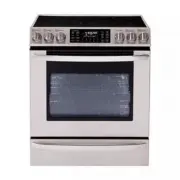


 LG LSES6338F
User Manual
LG LSES6338F
User Manual
 LG LSGS6338F
User Manual
LG LSGS6338F
User Manual
 LG LSGS6338N
User Manual
LG LSGS6338N
User Manual
 LG LSIS6338F
User Manual
LG LSIS6338F
User Manual
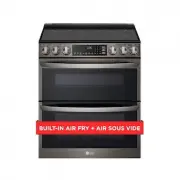 LG LTEL7337D
User Manual
LG LTEL7337D
User Manual
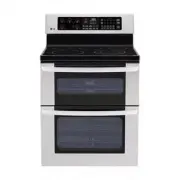 LG LDE3015ST
User Manual
LG LDE3015ST
User Manual
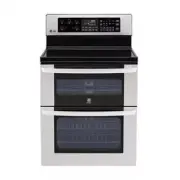 LG LDE3017ST
User Manual
LG LDE3017ST
User Manual
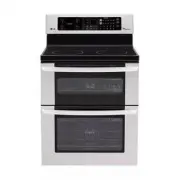 LG LDE3031ST
Manual
LG LDE3031ST
Manual
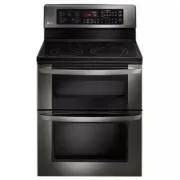 LG LDE3037BD
User Manual
LG LDE3037BD
User Manual
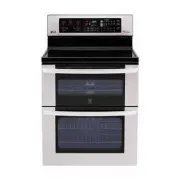 LG LDE3037ST
User Manual
LG LDE3037ST
User Manual
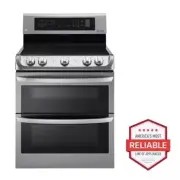 LG LDE4413ST
User Manual
LG LDE4413ST
User Manual
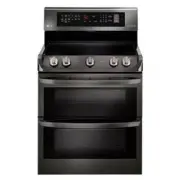 LG LDE4415BD
User Manual
LG LDE4415BD
User Manual
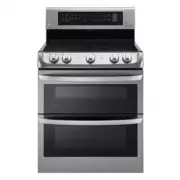 LG LDE4415ST
User Manual
LG LDE4415ST
User Manual
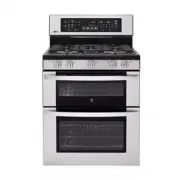 LG LDG3017ST
Manual
LG LDG3017ST
Manual
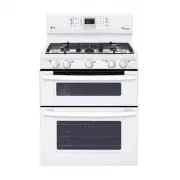 LG LDG3035SW
User Manual
LG LDG3035SW
User Manual