Page 2 - TABLE OF CONTENTS
2 ESPRESSO MACHINE INSTRUCTIONS ESPRESSO MACHINE SAFETY TABLE OF CONTENTS ESPRESSO MACHINE SAFETY Important safeguards ������������������������������������������������������������������������������������������� 3 Electrical requirements ���������������������������������������������������������������...
Page 3 - English; ESPRESSO MACHINE INSTRUCTIONS; IMPORTANT SAFEGUARDS
3 English ESPRESSO MACHINE INSTRUCTIONS ESPRESSO MACHINE SAFETY IMPORTANT SAFEGUARDS When using electrical appliances, basic safety precautions should always be followed, including the following: 1. Read all instructions� 2. To protect against risk of electrical shock, do not put Espresso Machine in...
Page 4 - Electrical requirements; SAVE THESE INSTRUCTIONS; The use of accessory attachments not recommended by the
4 GETTING TO KNOW YOUR ESPRESSO MACHINE ESPRESSO MACHINE SAFETY Electrical requirements SAVE THESE INSTRUCTIONS Voltage: 220-240 Volts A.C. onlyFrequency: 50/60 HzWattage: Max. 1300 W NOTE: If the plug does not fit in the outlet, contact a qualified electrician� Do not modify the plug in any way� Do...
Page 5 - GETTING TO KNOW YOUR ESPRESSO MACHINE; Parts and accessories*
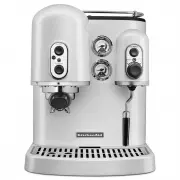
5 English GETTING TO KNOW YOUR ESPRESSO MACHINE ESPRESSO MACHINE SAFETY Parts and accessories* Frothing pitcher Coffee scoop and Shower-screen brush Filter baskets Tamper Hot water button Steam dial Frothing arm Frothing nozzle On/Off Power button Espresso button Brew head Portafilter On indicator l...
Page 6 - Preparing the Espresso Machine for use; OPERATING THE ESPRESSO MACHINE
6 ASSEMBLING THE ESPRESSO MACHINE ASSEMBLING THE ESPRESSO MACHINE Preparing the Espresso Machine for use Washing the water reservoir 1 Place the Espresso Machine on a clean, dry, level surface� 1 Lift the reservoir slightly, then remove by pulling the bottom of the reservoir from the Espresso Machin...
Page 7 - ASSEMBLING THE ESPRESSO MACHINE; Rinsing and filling the boilers
7 English ASSEMBLING THE ESPRESSO MACHINE ASSEMBLING THE ESPRESSO MACHINE OPERATING THE ESPRESSO MACHINE IMPORTANT: Distilled water or mineral water can damage the Espresso Machine� Do not use either to brew espresso. 2 Slide the water reservoir left or right to expose the top, and fill with fresh c...
Page 8 - Warming the boilers
8 OPERATING THE ESPRESSO MACHINE OPERATING THE ESPRESSO MACHINE 1 Make certain the steam dial is closed by rotating it clockwise as far as possible. 2 Press and hold the On/Off power button until the ON indicator lights up. The dual boilers will begin heating, and the Espresso and Hot Water function...
Page 9 - Brewing espresso
9 English OPERATING THE ESPRESSO MACHINE OPERATING THE ESPRESSO MACHINE 7 When the pitcher is about half full, release the Hot Water button and close the Steam dial by rotating it clockwise until it stops. The frothing boiler is now ready for use� 8 If no espresso is desired at this time, press the ...
Page 11 - OPERATING THE ESPRESO MACHINE
11 English OPERATING THE ESPRESO MACHINE OPERATING THE ESPRESSO MACHINE 9 Using the tamper, tamp the coffee down firmly with a twisting motion� Make sure the surface of the coffee is as level as possible. See “Leveling” and “Tamping” chapters in the “Tips for great results” section for details� 10 S...
Page 13 - Frothing and steaming milk
13 English OPERATING THE ESPRESSO MACHINE OPERATING THE ESPRESSO MACHINE 1 Press and hold the On/Off power button until the ON indicator lights up. 2 Wait until the Espresso Machine has reached operating temperature; it may take approximately 6 minutes� When the frothing boiler temperature gauge nee...
Page 15 - Dispensing hot water
15 English OPERATING THE ESPRESSO MACHINE OPERATING THE ESPRESSO MACHINE Dispensing hot water Hot water can also be dispensed from the frothing arm. This provides a convenient way to make Americanos, tea, or hot chocolate. Filling a demitasse with hot water is also a great way to warm it before brew...
Page 16 - Overextraction and underextraction
16 TIPS FOR GREAT RESULTS TIPS FOR GREAT RESULTS What is espresso? Overextraction and underextraction Before brewing: the elements of great espresso Espresso began as an attempt in the 1800s to quickly brew coffee on demand, by the cup� The goal was to serve the freshest, most flavorful coffee possi...
Page 17 - TIPS FOR GREAT RESULTS; Espresso brewing technique
17 English TIPS FOR GREAT RESULTS TIPS FOR GREAT RESULTS Espresso brewing technique Great Tasting Water An often overlooked element of great espresso is the brew water. If you don’t enjoy the flavor of your tap water, don’t use it to brew espresso – use bottled, purified water instead. Since it does...
Page 18 - Proper tamping technique
18 TIPS FOR GREAT RESULTS TIPS FOR GREAT RESULTS and sweep any excess coffee from the filter with their fingers, leaving exactly what they need. After you’ve had some experience dosing, leveling, and tamping your coffee, you’ll be able to consistently dose your coffee by sight, just like the pros.If...
Page 20 - Espresso extraction technique
20 TIPS FOR GREAT RESULTS TIPS FOR GREAT RESULTS Shot Volume The brew group and boilers are heated. The fresh coffee has been ground, dosed into the portafilter, expertly leveled, and precisely tamped. Now comes the moment of truth: brewing! For the best espresso, never extract more than a single sh...
Page 21 - Preparing Cappuccino
21 English TIPS FOR GREAT RESULTS TIPS FOR GREAT RESULTS Preparing Cappuccino Preparing Café Latte • The Italian word Cappuccino is derived from Capuchin, an order of monks who wear garments the color of this most popular espresso drink. A standard Cappuccino is a combination of steamed milk and esp...
Page 22 - Glossary of espresso drinks
22 TIPS FOR GREAT RESULTS TIPS FOR GREAT RESULTS Glossary of espresso drinks Americano 177 to 237 ml of hot water added to a single shot of espresso. This makes a superb cup of coffee� Café Latte 237 to 296 ml of steamed milk added to a single shot of espresso� Lattes are often flavored with 30 to 5...
Page 23 - Glossary of Espresso Machine parts
23 English TIPS FOR GREAT RESULTS TIPS FOR GREAT RESULTS Glossary of Espresso Machine parts Brew group The part of the Espresso Machine that holds all the working parts that allow you to brew your drink. There are two brew groups on your Espresso Machine. The first holds the On/Off Power button, the...
Page 24 - Cleaning the Espresso Machine
24 CARE AND CLEANING CARE AND CLEANING Cleaning the Espresso Machine Cleaning the frothing arm and nozzle Keeping the Espresso Machine clean is vital to brewing the best espresso possible. You might notice that your machine is taking longer to brew, or the brew head is spewing or sputtering. These c...
Page 25 - CARE AND CLEANING; reservoir, and pitcher
25 English CARE AND CLEANING CARE AND CLEANING 1 Wipe the Espresso Machine housing with a clean damp cloth and dry with a soft cloth. Do not use abrasive cleansers or scouring pads when cleaning the Espresso Machine, or any part or accessory� 2 Wash the portafilter in warm, soapy water and rinse wit...
Page 26 - Cleaning the shower screen
26 CARE AND CLEANING CARE AND CLEANING 1 Using an allen wrench, remove the screw at the center of the shower screen by turning it counter-clockwise. Once the screw is free, the shower screen should drop from the brew head. 3 Place the shower screen into the brew head with the smooth side facing down...
Page 27 - Priming after long periods of non-use
27 English CARE AND CLEANING CARE AND CLEANING 1 Remove the reservoir, empty any stale water, replace, and fill the reservoir with fresh water to the max fill line� 2 Fill the boilers with the fresh water. For instructions, see “Rinsing and filling the boilers” section. Priming after long periods of...
Page 28 - TROUBLESHOOTING
28 CARE AND CLEANING CARE AND CLEANING 3 To catch the cleaning solution, place a large cup under the brew head (do not attach the portafilter), and another under the frothing nozzle� 5 Press the ESPRESSO button and dispense cleaning agent through brew head for 15 seconds; press the ESPRESSO button a...