Page 2 - Table of contents
2 Getting started 3 Device layout and functions 8 Turning the computer on and off 10 Unlocking the screen10 Windows Basics 11 Keyboard13 Touchpad16 SIM or USIM card (nano-SIM card) tray (5G models only) 17 Cellular data (5G models only) 19 Wireless LAN 21 Bluetooth23 Memory card slot26 External disp...
Page 3 - Getting started; Device layout and functions
3 Getting started Device layout and functions Leaving the screen idle for extended periods may result in afterimages (screen burn-in) or ghosting. Turn off the screen, or turn on the screen saver or power saving mode when you are not using the computer. • Features or options may differ depending on ...
Page 4 - Front view
Getting started 4 Number/Name Description 1 Microphone • You can use the built-in microphone. 2 Camera • Using this camera, you can take still pictures and record video. 3 Camera indicator light • This indicates the camera operating status. 4 Display • The screen’s images are displayed here. 5 Power...
Page 5 - Left view
Getting started 5 Left view 1 2 3 4 Number/Name Description 1 USB Type-C port (supports USB 2.0) • Connect the adapter to charge the computer. You can also use or charge USB Type-C devices. 2 Operating status LED • Shows the operating status of the computer. 3 Earpiece/ Headset jack • Connect an ear...
Page 6 - The charging feature of the USB Type-C port
Getting started 6 • It may take longer to charge the battery when charging a connected device. • The battery power level may be reduced when charging a connected device while the computer is powered by the battery. • The charging status of the connected device is not displayed on the computer. • Thi...
Page 7 - Bottom view
Getting started 7 Number/Name Description 1 Internal battery • Provides power to the computer when not connected to an adapter. • To remove or replace the internal battery, take it to a Samsung Service Center. You will be charged for this service. 2 Speaker • Sound is emitted from the speakers. 3 GP...
Page 8 - Turning the computer on and off; Turning the computer on
Getting started 8 Turning the computer on and off Fully charge the battery using the adapter before using the computer for the first time . Turning the computer on 1 Before turning on the computer, check that the battery is charged and charge it if necessary. 2 Open the display panel. 3 The computer...
Page 9 - About Windows Activation; Turning the computer off
Getting started 9 About Windows Activation When you turn the computer on for the first time, the Windows Activation screen appears.Follow the activation procedures according to the instructions on the screen to use the computer.The computer’s date and time may be incorrect when you turn it on for th...
Page 10 - Windows; Configuring the Windows Settings; Unlocking the screen
Getting started 10 Windows Microsoft Windows is an operating system that is used to control a computer. • Images and available features may differ depending on the model and operating system. • This manual is designed for Windows 11 and content may differ depending on the OS version. • The image dis...
Page 11 - Using hot keys; Basics; Keyboard
11 • Press the Fn Lock key. When the Fn Lock key turns on, press a hot key. When the Fn Lock key is on, hot keys are activated without pressing the Fn key. Using hot keys To use keyboard hot keys, do one of the following: • Press and hold the Fn key and press a hot key. Basics Keyboard Enter text or...
Page 12 - Hot key functions
Basics 12 Key/Icon Description F9 • Turn the display on or off. F10 • CONNECT : Connect to nearby wireless devices. F11 • Consulting Mode : Invert the screen so that the image appears normally when the screen is flipped. This feature may not be available in some applications, such as games. F12 • Ai...
Page 13 - Touchpad; Basic touchpad functions; Moving
Basics 13 Touchpad Use the touchpad to move the cursor or select an item. The left and right buttons of the touchpad act the same as the left and right buttons of a mouse. • Use the touchpad only with fingers. The touchpad will not recognize actions of other objects. • Images and the touchpad layout...
Page 14 - Gesture functions; Swiping; Pinching; Dragging
Basics 14 Gesture functions Swiping To scroll up, down, left or right to a desired location, swipe with two fingers on the touchpad. or Pinching To zoom in, spread two fingers apart while viewing a website, map, or image. Pinch to zoom out. Right-clicking This function enables right-clicking.To righ...
Page 15 - Touchpad lock; Configuring touchpad gestures
Basics 15 Touchpad lock Press and hold the Fn key and press the F5 key to lock the touchpad. Configuring touchpad gestures Configure touchpad gestures to use the touchpad more efficiently.Select the Start button ( ) → Settings → Bluetooth & devices → Touchpad → desired options. Some options in t...
Page 16 - Installing the SIM or USIM card
Basics 16 SIM or USIM card (nano-SIM card) tray (5G models only) Insert the SIM or USIM card. • Use only a nano-SIM card (sold separately). • Use caution not to lose or let others use the SIM or USIM card. Samsung is not responsible for any damages or inconveniences caused by lost or stolen cards. •...
Page 17 - Turning the cellular data on
Basics 17 Turning the cellular data on Select the status icons on the taskbar to ensure that the cellular data is activated.If the cellular data is not activated, select . Cellular data will be connected. 2 1 You can change the SIM type for the cellular data connection.Select the status icons on the...
Page 18 - Turning the cellular data off
Basics 18 Turning the cellular data off To save battery power, turn off the cellular data when not in use.Select the status icons on the taskbar and select . Cellular data will be disconnected. 2 1
Page 19 - Connecting to a Wi-Fi network; Wireless LAN
Basics 19 Connecting to a Wi-Fi network 1 Select the status icons on the taskbar and select on the WiFi option. 2 1 Wireless LAN Connect the computer to a wireless network to use the Internet. The descriptions below are for computer models with a Wireless LAN card or device. A Wireless LAN device is...
Page 20 - Flight mode
Basics 20 Select the status icons on the taskbar and select . The Wi-Fi feature is deactivated. 1 2 Flight mode This disables all wireless functions on your computer. You can use only non-network services.To activate Flight mode , select the status icons on the taskbar and select Flight mode . Alter...
Page 21 - Pairing with other Bluetooth devices; Bluetooth
Basics 21 Pairing with other Bluetooth devices 1 Select the status icons on the taskbar and select . 2 Select the Start button ( ) → Settings → Bluetooth & devices → Add device . Bluetooth Use Bluetooth to listen to music or exchange data or media files with other Bluetooth-enabled devices. • Sa...
Page 22 - Unpairing Bluetooth devices
Basics 22 Unpairing Bluetooth devices 1 Select the Start button ( ) → Settings → Bluetooth & devices . Your computer will display the paired devices. 2 On the device you want to unpair from your computer, select → Remove device → Yes . The connection to the Bluetooth device will be disconnected....
Page 23 - Memory card slot
Basics 23 • Some memory cards may not be fully compatible with the computer. Using an incompatible card may damage the computer or the memory card, or corrupt the data stored in it. • Use caution to insert the memory card in the indicated direction. • Store the card separately to prevent losing the ...
Page 24 - Removing a memory card; Inserting a memory card
Basics 24 Removing a memory card When you push the card, it clicks and disengages from the memory card slot. Grasp the end of the card and pull it out of the slot. Formatting a memory card Format the memory card to remove all data or before using it for the first time. Formatting a memory card delet...
Page 26 - Connecting to a display; External display
Basics 26 Connecting to a display 1 Connect the cable to the USB Type-C port of the computer on the right side. 2 Connect the other end of the cable to the HDMI port of the external display. USB Type-C port HDMI port 3 Connect the power cord to the external display. 4 Turn on the display and change ...
Page 28 - Security slot
Basics 28 Security slot You can secure the computer by connecting a lock and cable to the security slot.Tie the lock and cable to a fixed object and install the other end of the cable to the security slot. 1 2 To use this feature, you must purchase a lock and cable (sold separately) and use a Nano L...
Page 29 - Apps and features; Using applications; Updating applications
29 Apps and features Using applications • Images and features may differ depending on the model and the application version. • Some applications may not be supported depending on the model. • To uninstall an application, select the Start button ( ) → Settings → Apps → Installed apps , select next to...
Page 30 - Finding your ID and resetting your password; Samsung Account
Apps and features 30 Finding your ID and resetting your password If you forget your Samsung account ID or password, select Find ID or Forgot password? on the Samsung account sign-in screen. You can find your ID or reset your password after you enter the required information. Signing out of your Sams...
Page 31 - Samsung Settings
Apps and features 31 Menu Description Connections • Set connection settings, such as the Bluetooth connection. Display • Set the appropriate color for the user environment and related settings. Advanced features • Activate advanced features and change the settings that control them. Battery • Set th...
Page 32 - Deleting notes; Samsung Notes; Creating notes
Apps and features 32 2 When you are finished composing the note, select to save it.If you want to save the note in another file format, select → Save as file . Deleting notes Right-click the note you want to delete on the note list and select Delete . Samsung Notes Create notes by entering text from...
Page 33 - Syncing images and videos; Samsung Gallery; Viewing images and videos; Deleting images or videos
Apps and features 33 Syncing images and videos 1 Select the Start button ( ) → All apps → Samsung Gallery . 2 Select Settings and select the Sync with Cloud switch. The content in the Samsung Gallery application and the cloud will be synced. • To use this feature, you must sign in to your Samsung ac...
Page 34 - Galaxy Book Smart Switch
Apps and features 34 5 On your device, select Receive data . 6 On the previous device, select Allow . 7 On your device, select an item to bring and select Transfer . Transferring data increases the battery power consumption of your device. Ensure that your device is sufficiently charged before trans...
Page 35 - Screen Recorder
Apps and features 35 Screen Recorder Record the screen while using your computer. 1 Select the Start button ( ) → All apps → Screen Recorder . The screen recorder toolbar will appear on the top of the screen. 2 Select to start recording.After a countdown, recording will start. • To adjust the positi...
Page 36 - Setting the video resolution
Apps and features 36 Setting the video resolution 1 Select the Start button ( ) → All apps → Screen Recorder . The screen recorder toolbar will appear on the top of the screen. 2 Select .The Settings window will appear. 3 Select Video and select the resolution you want under Video resolution . 3 Whe...
Page 37 - Second Screen
Apps and features 37 Second Screen Connect your computer and tablet to use the tablet as an additional display for the computer. • Only Samsung tablets can be connected using this feature. To see models that support the Second Screen feature, visit www.samsung.com. • This feature is only available o...
Page 38 - Display brightness; Controlling brightness using the keyboard; Controlling brightness using the taskbar
38 Settings & Upgrade Display brightness Adjust the display brightness to reduce eye strain and save power. Controlling brightness using the keyboard • To dim the display screen, press and hold the Fn key and press the F2 key. • To brighten the display screen, press and hold the Fn key and press...
Page 39 - Controlling volume using the taskbar; Volume; Controlling volume using the keyboard
Settings & Upgrade 39 • To mute or unmute the volume, press and hold the Fn key and press the F6 key. Controlling volume using the taskbar 1 Select the status icons on the taskbar. 2 Drag the adjustment bar to the desired volume. Volume adjustment bar Volume Adjust the system volume or sound vol...
Page 40 - Entering the BIOS screen
Settings & Upgrade 40 Entering the BIOS screen 1 Turn on the computer. 2 Before the Samsung logo appears, press the F2 key several times. • If the computer is password-protected, press the F2 key several times before the password screen appears. • If the password screen or the Windows start scre...
Page 41 - The BIOS screen
Settings & Upgrade 41 Number Name 1 • Setup items 2 • Setup tools ‒ Help : View the help for BIOS set up. ‒ Default : Return to the default settings. ‒ Restore : Cancel changes. ‒ Save : Save settings. ‒ Exit : Exit BIOS setup. 3 • Setup menu ‒ SysInfo : View the basic specifications of the comp...
Page 42 - Setting passwords; Boot password
Settings & Upgrade 42 Setting passwords There are two password settings available: Supervisor Password and User Password . • Supervisor Password (low security level): This password is required when turning on the computer or entering the BIOS setup. • User Password (low security level): This pas...
Page 43 - Setting a boot password
Settings & Upgrade 43 5 Enter a password and select Ok . The password can be up to 20 characters. 6 Enter the password again to confirm it and select Ok . 7 Select Save → Ok to save and restart. • To enable the Password On Boot option, set a Supervisor Password and enter the password when starti...
Page 44 - Boot priority; Removing a password
Settings & Upgrade 44 Boot priority Change the boot priority from the BIOS setup. 1 Turn on the computer. 2 Before the Samsung logo appears, press the F2 key several times. 3 Access the Boot menu. 4 Select Boot Device Priority . 5 Select an option menu to open the list. 6 Select an option. 7 Sel...
Page 45 - Using the Battery Calibration Function
Settings & Upgrade 45 3 Select Advanced → Smart Battery Calibration . 4 The Battery Calibration function is activated and the battery is forcefully discharged. To stop the operation, press the Esc key. This operation requires 3–5 hours depending on the battery capacity and the remaining battery ...
Page 46 - Using the Smart Battery Power Off function
Settings & Upgrade 46 4 Select Yes . The computer will turn off automatically. 5 After connecting the adapter, turn on the computer again. Using the Smart Battery Power Off function Storing your computer in a discharged state for an extended period of time can shorten battery life quickly. If yo...
Page 47 - Battery
Settings & Upgrade 47 • To restore the battery power after cutting it, connect the adapter. • When you connect the adapter to a multiport adapter to charge the computer, the charging speed message may appear, but the computer will be charged normally. • If many devices are connected to the multi...
Page 48 - Charging the battery
Settings & Upgrade 48 3 When the battery is fully charged, the operating status LED turns green. Disconnect the adapter from the computer. Operating status LED Status • Red : Charging • Green : Fully charged • Blue : Turned on 4 Unplug the adapter from the electric socket. Do not allow the adapt...
Page 49 - Viewing the current battery charge when the
Settings & Upgrade 49 Saving battery power Right-click the battery icon on the taskbar and select Power and sleep settings → Battery saver → Turn on now . Battery saver mode is activated. Battery saver mode is disabled when the adapter is connected. Extending battery life When charging your comp...
Page 50 - How can I uninstall an application?; Windows recovery function
Settings & Upgrade 50 Q&A When experiencing problems with the computer, try these solutions. Windows How can I uninstall an application? 1 Select the Start button ( ) → Settings → Apps → Installed apps . 2 On the list, select next to the app you want to delete, and then select Uninstall . Wi...
Page 51 - Usage notices; Precautions for using the device
51 Usage notices Precautions for using the device • This user manual is specially designed to detail the computer’s functions and features. • The user manual supplied with the computer may vary depending on the model. • Please read this manual when using the computer to ensure safe and proper use. •...
Page 52 - Copyright
Usage notices 52 Copyright Copyright © 2024 Samsung Electronics Co., Ltd.This manual is protected under international copyright laws.No part of this manual may be reproduced, distributed, translated, or transmitted in any form or by any means, electronic or mechanical, including photocopying, record...
Page 53 - Trademarks
Usage notices 53 Energy Star (USA only) As an ENERGY STAR ® Partner, Samsung has determined that this Product meets the ENERGY STAR Guidelines for energy efficiency. The ENERGY STAR Program has reduced greenhouse gas emissions and saved energy through voluntary labeling. Samsung is a proud ENERGY ST...
Page 54 - Product capacity representation; Storage capacity representation; Data precautions
Usage notices 54 Product capacity representation Storage capacity representation The capacity of the storage device (HDD, SSD) of the manufacturer is calculated assuming that 1 KB = 1,000 Bytes.However, the operating system (Windows) calculates the storage device capacity assuming that 1 KB = 1,024 ...
Page 55 - Ergonomic tips; Back and neck
Usage notices 55 • Use an adjustable chair with firm, comfortable support. • Adjust the height of your chair so that thighs are horizontal to the floor and feet are flat on the floor. • The back of the chair should support the lower back. Adjust the backrest to fit your body properly. • Sit back ful...
Page 56 - Arms and hands
Usage notices 56 Arms and hands • When using the keyboard and touchpad, the shoulders should be relaxed. The upper arm and forearm should form an angle that is slightly greater than a right angle, with the wrist and hand in almost a straight line. • Use a light touch when typing or using the touchpa...
Page 57 - Eye position and display illumination; Hearing and volume control
Usage notices 57 Eye position and display illumination 50 cm • Position the screen at least 50 cm away from your eyes. • Adjust the height of the screen so that its top edge is equal to or just below the level of your eyes. • Avoid setting the screen’s brightness settings excessively high. • Keep th...
Page 58 - Operating conditions
Usage notices 58 • If anyone related to you has experienced seizures or blackouts while using a similar product, consult a physician before using the computer. • If you feel discomfort, such as a muscle spasm, or disoriented, stop using the computer immediately and consult a physician. • To prevent ...
Page 59 - Power related; Safety precautions
Usage notices 59 Power related Handle the power cord with care. • Do not touch with wet hands. • Do not use a damaged power cord. • Do not overload a multi-outlet or an extension cord beyond the specified voltage/current capacity. • Firmly insert the power cable into the adapter. • Do not unplug the...
Page 60 - Battery usage related
Usage notices 60 Battery usage related Use manufacturer-approved batteries, adapters, accessories, and supplies. • Using generic batteries or adapters may shorten the life of your product or cause the computer to malfunction. They may also cause a fire or cause the battery to explode. • Use only Sam...
Page 61 - Usage related
Usage notices 61 Usage related Do not use the computer on heated floors or electric pads, or on beds, blankets, or cushions that block the ventilation of the computer. A blocked vent causes the computer to overheat, resulting in an explosion, fire, burns, or computer malfunction. Do not use the comp...
Page 62 - Caution; Installation related
Usage notices 62 Caution Failure to follow instructions marked with this symbol may result in minor physical injury or damage to the computer. Installation related Do not block the ports (holes), vents, etc., of the product and do not insert objects. Damage to a component within the computer may cau...
Page 66 - Upgrade Related
Usage notices 66 Shut down the computer and disconnect all cables before disassembling the computer. For notebook computers that are supplied with an optional removable battery, disconnect the battery. Failure to do so may cause electric shock. Make sure to close the computer cover before connecting...
Page 67 - Cautions on preventing data loss (storage device
Usage notices 67 Cautions on preventing data loss (storage device (e.g., HDD, SSD, eMMC) management) Take care not to damage the data on a storage device (e.g., HDD, SSD, eMMC). • Subjecting the device to physical impacts may result in data loss. • Data may be lost when the computer is turned off or...
Page 68 - Display bad pixels
Usage notices 68 Display bad pixels Samsung observes strict specifications regarding the quality and reliability of the display. However, there is a small chance that a few pixels may be bad. A large number of bad pixels can cause problems with the display, but a small number of bad pixels does not ...
Page 69 - Appendix; Product specifications
69 Appendix Product specifications The system specifications may differ depending on the derived model. For detailed system specifications, refer to the product catalog. Item Specification Operating environment • Temperature: -5–40 °C for storage, 10–35 °C when operating • Humidity: 5–90 % for stora...
Page 70 - Setting up the system; Important safety information; Safety instructions
Appendix 70 Setting up the system • Read and follow all instructions marked on the product and in the documentation before operating the system. Retain all safety and operating instructions for future use. • Do not use this product near water or a heat source such as a radiator. • Set up the system ...
Page 71 - Care during use
Appendix 71 Care during use • Do not walk on the power cord or allow anything to rest on it. • Do not spill anything on the computer or its components. The best way to avoid spills is to not eat or drink near the computer or its components. • Some products have a replaceable CMOS battery on the syst...
Page 72 - Operating instructions
Appendix 72 Operating instructions 1 When installing and operating devices please refer to safety requirements in the user manual. 2 Devices can be used only with the equipment specified in the technical specifications of the devices. 3 If any smell of burning or smoke is detected from the computer ...
Page 73 - Battery disposal; Replacement parts and
Appendix 73 Battery disposal Do not put rechargeable batteries or products powered by non-removable rechargeable batteries in the garbage. Contact the Samsung Service Center for information on how to dispose of batteries that you cannot use or recharge any longer. Follow all local regulations when d...
Page 74 - Connecting and disconnecting the adapter; Laser safety
Appendix 74 • Laser Safety Note : Use of controls or adjustments or performance of procedures other than those specified in this manual may result in hazardous radiation exposure. To prevent exposure to laser beams, do not try to open the enclosure of a CD or DVD drive. • Class 1M laser radiation wh...
Page 75 - General requirements; Power cord requirements; India only
Appendix 75 General requirements The requirements listed below are applicable to all countries: • All power cord sets must be approved by an acceptable accredited agency responsible for evaluation in the country where the power cord set will be used. • The power cord set must have a minimum current ...
Page 76 - Regulatory compliance; Wireless guidance
Appendix 76 The RF field strength of the wireless device or devices that may be embedded in the notebook are well below all international RF exposure limits as known at this time. Because the wireless devices (which may be embedded into the notebook) emit less energy than is allowed in radio frequen...
Page 77 - Explosive Device Proximity Warning
Appendix 77 • If the system came equipped with an internal embedded wireless device, do not operate the wireless device unless all covers and shields are in place and the system is fully assembled. • Wireless devices are not user serviceable. Do not modify them in any way. Modification to a wireless...
Page 78 - United States of America and Canada; USA and Canada Safety Requirements and Notices
Appendix 78 Explosive Device Proximity Warning Do not operate a portable transmitter (such as a wireless network device) near unshielded blasting caps or in an explosive environment unless the device has been modified to be qualified for such use. Use On Aircraft Caution FCC, FAA, and TCCA regulatio...
Page 79 - FCC Part 15 Information and Notices
Appendix 79 This equipment has been tested and found to comply with the limits for a Class B digital device pursuant to Part 15 of the FCC Rules. These limits are designed to provide reasonable protection against harmful interference in a residential installation. This equipment generates, uses, and...
Page 80 - Health and safety information; Exposure to Radio Frequency (RF) Signals
Appendix 80 Health and safety information Exposure to Radio Frequency (RF) Signals Certification Information This product can contain an embedded radio transmitter and receiver. It is designed and manufactured not to exceed the exposure limits for radio frequency (RF) energy set by the Federal Commu...
Page 82 - RTC caution
Appendix 82 RTC caution CAUTION: Danger of explosion if battery is incorrectly replaced. Replace only with the same or equivalent type recommended by the manufacturer. Discard used batteries according to the Manufacturer’s instruction. Manufacturer information Samsung Electronics Co., Ltd. 129, Sams...
Page 83 - Innovation, Sciences et Développement; Canada; Innovation, Science and Economic Development
Appendix 83 Innovation, Sciences et Développement économique Canada L’émetteur/récepteur exempt de licence contenu dans le présent appareil est conforme aux CNR d’Innovation, Sciences et Développement économique Canada applicables aux appareils radio exempts de licence. L’exploitation est autorisée ...
Page 84 - WEEE symbol information
Appendix 84 Household users should contact either the retailer where they purchased this product, or their local government office, for details of where and how they can take these items for environmentally safe recycling.Business users should contact their supplier and check the terms and condition...
Page 86 - Samsung package Take-Back; USA only
Appendix 86 Samsung package Take-Back program (USA only) In partnering with select recyclers, Samsung offers packaging take-back at no cost to you.Simply call the following number for the locations nearest you.CRT Processing, LLC(877) 278-0799Kathy Severson – Logistics contactFor more recycling info...


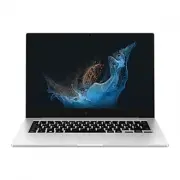 Samsung Book2 Go
User Manual
Samsung Book2 Go
User Manual
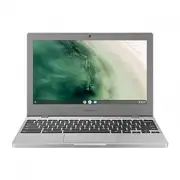 Samsung Chromebook 4
User Manual
Samsung Chromebook 4
User Manual
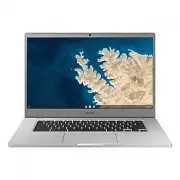 Samsung Chromebook 4+
User Manual
Samsung Chromebook 4+
User Manual
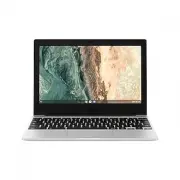 Samsung Chromebook Go
User Manual
Samsung Chromebook Go
User Manual
 Samsung Galaxy Book Flex
User Manual
Samsung Galaxy Book Flex
User Manual
 Samsung Galaxy Book Flex2
User Manual
Samsung Galaxy Book Flex2
User Manual
 Samsung Galaxy Book Go
User Manual
Samsung Galaxy Book Go
User Manual
 Samsung Galaxy Book Go (NP345XLAA-EXP)
User Manual
Samsung Galaxy Book Go (NP345XLAA-EXP)
User Manual
 Samsung Galaxy Book Pro 360
User Manual
Samsung Galaxy Book Pro 360
User Manual
 Samsung Galaxy Book2 360
User Manual
Samsung Galaxy Book2 360
User Manual
 Samsung Galaxy Book2 Business (NP641BED)
User Manual
Samsung Galaxy Book2 Business (NP641BED)
User Manual
 Samsung Galaxy Book2 Pro 360
User Manual
Samsung Galaxy Book2 Pro 360
User Manual
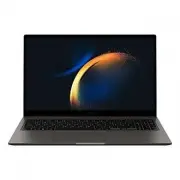 Samsung Galaxy Book3
User Manual
Samsung Galaxy Book3
User Manual
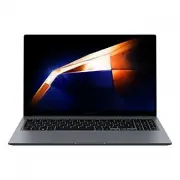 Samsung Galaxy Book4
User Manual
Samsung Galaxy Book4
User Manual
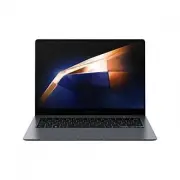 Samsung Galaxy Book4 Pro
User Manual
Samsung Galaxy Book4 Pro
User Manual
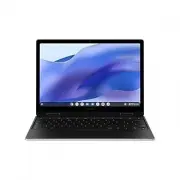 Samsung Galaxy Chromebook 2 360
User Manual
Samsung Galaxy Chromebook 2 360
User Manual
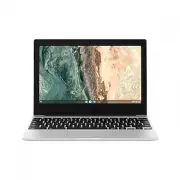 Samsung Galaxy Chromebook Go
User Manual
Samsung Galaxy Chromebook Go
User Manual
 Samsung KEYBOARD DOCK_PC
User Manual
Samsung KEYBOARD DOCK_PC
User Manual
 Samsung NP270E5E-EXP
User Manual
Samsung NP270E5E-EXP
User Manual