Page 2 - Contents; Chapter 1. Getting Started
1 Chapter 1 Getting Started Contents Chapter 1. Getting Started 3 Before You Start 6 Safety Precautions 21 Proper Posture During Computer Use 24 Overview 30 Turning the Computer On and Off Chapter 2. Using Windows 8 33 What is Microsoft Windows 8? 34 Screen At a Glance 36 Using the Charms 38 Using A...
Page 3 - Getting Started
Before You Start 3 Safety Precautions 6 Proper Posture During Computer Use 21 Overview 24 Turning the Computer On and Off 30 Chapter 1. Getting Started
Page 4 - Before You Start; Before reading the User Guide, first check the following; Using the software
3 Chapter 1 Getting Started Before You Start Before reading the User Guide, first check the following information. Optional items, some devices and software referred to in • the User Guide may not be provided and/or changed by upgrade. Note that the computer environment referred in the User Guide ma...
Page 5 - Safety Precaution Notations
4 Chapter 1 Getting Started Before You Start Safety Precaution Notations Icon Notation Description Warning Failure to follow instructions marked with this symbol, may cause personal injury and or fatality. Caution Failure to follow instructions marked with this symbol, may cause slight injury to you...
Page 6 - About the Product Capacity Representation; About the capacity representation of the storage
4 5 Chapter 1 Getting Started About the Product Capacity Representation Standard About the capacity representation of the storage The capacity of the storage device (HDD, SSD) of the manufacturer is calculated assuming that 1KB=1,000 Bytes.However, the operating system (Windows) calculates the stora...
Page 7 - Installation Related; Safety Precautions; For your security and to prevent damage, please read the; Warning; Failure to follow instructions marked with this symbol may
6 Chapter 1 Getting Started Installation Related Do not install the product in places exposed to humidity such as a bathrooms. There is a danger of electric shock. Use the product within the operating conditions specified in the Manufacturers User Guide. Keep the plastic bags out of the reach of chi...
Page 8 - Power Related
6 7 Chapter 1 Getting Started G If the power cord or power outlet makes a noise, disconnect the power cord from the wall outlet and contact a service center. There is a danger of electric shock or fire hazard. Do not use a damaged or loose main plug or power cord or power outlet. There is a danger o...
Page 9 - AC Adapter Usage Precautions
8 Chapter 1 Getting Started Connect the power cord to an outlet or multiple power plug (extended cable) with a ground terminal. Failure to do so may result in electric shock. When the power supply is ungrounded, the current may leak resulting in electric shock. If water or another substance enters t...
Page 10 - Battery Usage Related
8 9 Chapter 1 Getting Started Battery Usage Related Please charge the battery fully before using the computer for the first time. Keep the battery out of the reach of infants and pets, as they could put the battery into their mouths. There is a danger of electric shock or choking. Use an authorized ...
Page 11 - Cutting the power to the internal battery
10 Chapter 1 Getting Started Cutting the power to the internal battery (for corresponding models only.) For products with built-in batteries, customers cannot remove • the battery. In the case of flooding, lightning or explosions, you can cut • the battery power by inserting an object such as a pape...
Page 12 - Usage Related
10 11 Chapter 1 Getting Started Safety Precautions Warning Failure to follow instructions marked with this symbol may cause personal injury and even fatality. Thereafter, if you connect the AC adapter, the battery power • will be supplied again. Do not cut the battery power under normal • conditions...
Page 13 - Upgrade Related
12 Chapter 1 Getting Started Upgrade Related Never disassemble the power supply or AC adapter. There is a danger of electric shock. When removing the RTC (Real Time Clock) battery, keep it out of the reach of children as they could touch and/or swallow it. There is a danger of choking. If a child ha...
Page 14 - Security and Movement Related
12 13 Chapter 1 Getting Started When carrying the notebook computer with other items, such as the adapter, mouse, books etc, take care not to press anything against the notebook computer. If a heavy object is pressed against the notebook computer, a white spot or stain may appear on the LCD. Therefo...
Page 16 - Caution
14 15 Chapter 1 Getting Started Usage Related Do not place a candle, light cigar, etc. over or on the product. There is a danger of fire. Use a wall outlet or multi-plug with a grounding part. Failure to do so may cause electric shock hazard. Make sure to have the product tested by a safety service ...
Page 19 - Cautions on Preventing Data Loss; Take care not to damage the data on a hard disk drive.
18 Chapter 1 Getting Started Cautions on Preventing Data Loss (Hard Disk Management) Take care not to damage the data on a hard disk drive. A hard disk drive is so sensitive to external impact that an • external impact may cause loss of data on the surface of the disk. Take extra care, because movin...
Page 20 - Using the power supply in an airplane; When using the AC power plug
18 19 Chapter 1 Getting Started Safety Precautions Using the power supply in an airplane Since the power outlet type differs depending on the type of airplane, connect the power appropriately. Since the representative figures of the power plug and the auto adapter are used, they may differ from the ...
Page 21 - When using the auto adapter
20 Chapter 1 Getting Started Safety Precautions When using the auto adapter When the cigar socket is provided, you have to use the auto adapter (optional). Insert the cigar plug of the auto adapter into the cigar socket and connect the DC plug of the auto adapter to the power input port of the compu...
Page 22 - Proper Posture During Computer Use; Proper Posture; Adjust the heights of desks and chairs appropriate to your
20 21 Chapter 1 Getting Started Proper Posture During Computer Use Maintaining a proper posture during computer use is very important to prevent physical harm.The following instructions are about maintaining a proper posture during computer use developed through human engineering. Please read and fo...
Page 23 - Eye Position; Keep the monitor or LCD away from your eyes by at least; Hand Position; Keep your arm at a right angle as shown by the figure.
22 Chapter 1 Getting Started Proper Posture During Computer Use Eye Position Keep the monitor or LCD away from your eyes by at least 50cm. Adjust the height of the monitor and the LCD screen so that its • top height is equal to or lower than your eyes.Avoid setting the monitor and LCD excessively br...
Page 24 - Check your volume first to listen to music.; Illumination
22 23 Chapter 1 Getting Started Proper Posture During Computer Use Volume Control (Headphones and Speakers) Check your volume first to listen to music. Check your volume! Check if the volume is too loud before using headphones. • It is not recommended using headphones for long periods of • time.Any ...
Page 25 - Overview; Front View; LCD
24 Chapter 1 Getting Started Overview Front View The pictures used for the cover and the main body in the • User Manual are those of the representative model of each series. Therefore the colors and appearance of the pictures may differ from the actual appearance of the product depending on the mode...
Page 26 - Status Indicators; Caps Lock
24 25 Chapter 1 Getting Started Overview Status Indicators 1 2 3 4 5 1 Caps Lock This turns on when the Caps Lock key is pressed allowing capital letters to be typed without holding the Shift button down. On : Upper-case alphabetic input Off : Lower-case alphabetic input 2 HDD/ODD This turns when ei...
Page 27 - Right View; Security Lock Port
26 Chapter 1 Getting Started Overview Right View 1 2 3 1 CD Drive (ODD) (Optional) Plays CD or DVD titles.Since an ODD(Optical Disk Drive) is optional, the installed drive depends on the computer model. 2 USB 2.0 Port (Optional) You can connect USB devices to the USB port such as a keyboard/mouse, d...
Page 28 - Left View; Model A
26 27 Chapter 1 Getting Started Overview Left View ► Model A 2 1 4 5 3 6 7 8 1 DC Jack A jack to connect the AC adapter that supplies power to the computer. 2 Wired LAN Port Connect the Ethernet cable to this port. 3 USB 2.0 Port (Optional) You can connect USB devices to the USB port such as a keybo...
Page 29 - Model B; What is a chargeable USB port?
28 Chapter 1 Getting Started Overview Left View ► Model B 2 1 3 4 5 6 What is a chargeable USB port? USB device accessing and charging functions are • supported.The USB charging function is supported regardless of • whether the power is turned on or off.Charging a device through a chargeable USB por...
Page 30 - Back View
28 29 Chapter 1 Getting Started Overview Back View 2 3 1 1 Security Lock Port (Optional) You can connect a Kensington lock to the Security Lock Port to prevent the computer from being stolen. 2 Battery This is a Lithium-Ion rechargeable battery that supplies power to the computer. 3 Wired LAN Port (...
Page 31 - Turning the Computer On and Off; Turning the computer on; About Windows Activation
30 Chapter 1 Getting Started Turning the Computer On and Off Turning the computer on 1 Install the battery and connect the AC adapter . 2 Lift the LCD panel up. 3 Press the Power button to turn the computer on. 4 Power button LED is lit while the computer is turned on. LED About Windows Activation W...
Page 32 - Turning the computer off; Shut down; Settings; Power
30 31 Chapter 1 Getting Started Turning the computer off Since the procedures to turn the computer off may differ • depending on the installed operating system, please turn the computer off according to the procedures for the purchased operating system.Save all your data before clicking on • Shut do...
Page 33 - Using Windows 8; What is Microsoft Windows 8?
Chapter 2. Using Windows 8 What is Microsoft Windows 8? 33 Screen At a Glance 34 Using the Charms 36 Using Apps 38 Windows Hot Key Function 41
Page 34 - Windows Help and Support; Displaying Help; Click Charms
33 Chapter 2 Using Windows 8 What is Microsoft Windows 8? Microsoft Windows 8 (hereafter referred to as Windows) is an operating system that is required for operating a computer.To use your computer optimally, you need to know how to use it properly. Therefore, It is better to learn how to use Windo...
Page 35 - Screen At a Glance; Windows 8 provides both the new; mode and the; Desktop; mode of the existing OS.; Start Screen; When you turn on the computer, the; Start screen; hereafter referred to as an; App
34 Chapter 2 Using Windows 8 Screen At a Glance Windows 8 provides both the new Start screen mode and the Desktop mode of the existing OS. Start Screen Desktop Start Screen When you turn on the computer, the Start screen is displayed, which allows you to use the applications (Application, App, herea...
Page 36 - This provides similar functions to those provided by the Desktop; Displaying Documents and Files; Click Windows Explorer in the taskbar on the Desktop
34 35 Chapter 2 Using Windows 8 Screen At a Glance Desktop This provides similar functions to those provided by the Desktop in prior Windows versions. 3 4 2 2 1 1 Desktop Refers to the Desktop. 2 Displaying the Charms The Charms is hidden at the right of the screen. Place your mouse pointer at the e...
Page 37 - The Charms is a new type of menu that combines the Start menu; Activating the Charms; If you move your mouse pointer to the top or bottom right corner; Charms; Using the Charms
36 Chapter 2 Using Windows 8 The Charms is a new type of menu that combines the Start menu with the Control Panel of existing Windows. The Charms allows you to quickly configure the device(s) connected to your computer, search for App(s)/file(s), and use the sharing function, etc. Activating the Cha...
Page 38 - Changing the Settings; Icon; Change PC settings; You can change more settings.
36 37 Chapter 2 Using Windows 8 Using the Charms Changing the Settings Frequently used Windows menus are collected.Click the Charms > Settings . Icon Name Function Description ⦽ Wireless Network You can connect to a wireless network. Select a wireless network to connect to. ⦽ Adjusting the Volume...
Page 39 - Starting/Exiting an App; To exit the App; Using Apps; Close
38 Chapter 2 Using Windows 8 Using Apps An App refers to an application program (hereafter referred to as an App ). In a larger sense, it refers to all the software programs installed on the operating system. Windows 8 provides basic Apps for frequently performed tasks. Starting/Exiting an App Click...
Page 40 - Running Two Apps at the Same Time
38 39 Chapter 2 Using Windows 8 Using Apps Running Two Apps at the Same Time 1 Select the Apps in the Start screen . 2 Move your mouse pointer to the top of the screen. Your mouse pointer changes to a hand shape . 3 If you click and hold your mouse button and move left or right, you can split the sc...
Page 41 - Using the Windows Store; Continue after registering your Microsoft Account; Configuring your Microsoft Account
40 Chapter 2 Using Windows 8 Using the Windows Store If you run the App Store in the Start screen, the Apps in the Windows Store are displayed. However, a Microsoft account is required to purchase App(s) in the Windows Store. Continue after registering your Microsoft Account in the Charms. Configuri...
Page 42 - Windows Hot Key Function; You can use the following convenient hot keys in Windows 8.
40 41 Chapter 2 Using Windows 8 Windows Hot Key Function You can use the following convenient hot keys in Windows 8. Function Hot Keys Function Description Displaying the Start Screen Windows Key Switches to Start mode. Displaying the Desktop Windows Key + D Switches to Desktop mode. Running the Cha...
Page 43 - Using the computer
Keyboard 43 Touchpad 47 CD Drive (ODD, Optional) 52 Multi Card Slot (Optional) 53 Connecting an External Display Device 55 Adjusting the Volume 59 LCD Brightness Control 61 Wired Network 62 Wireless Network (Optional) 65 Using the Multimedia App (Optional) 67 Samsung Software Update 71 Diagnosing th...
Page 44 - Keyboard; Shortcut Keys; Fn
43 Chapter 3. Using the computer Keyboard Shortcut key functions and procedures are discussed in the following sections. The keyboard image may differ from the actual keyboard. • The keyboard may differ depending on your country. The following mainly describes the shortcut keys. • Shortcut Keys You ...
Page 45 - Easy Display Manager; Samsung Support Center
44 Chapter 3. Using the computer Keyboard Fn Name Function + REST (Sleep Mode) Switches to Sleep mode. To wake the computer up, press the Power button. Gauge Shows the remaining battery charge.You can only use this function when the Easy Display Manager program is installed. Euro Enters the Euro mon...
Page 46 - Advanced
44 45 Chapter 3. Using the computer Fn Name Function + Easy SpeedUp Manager You can select operation mode when you need maximum system performance or low-noise/ low power consumption with one-click. Silent: • Low-noise and low power consumption mode Normal: • Normal Mode Speed: • Maximum performance...
Page 47 - Screen Brightness Control; Volume Control; Alternatively, press the; Num Lock; Other Function Keys
46 Chapter 3. Using the computer Keyboard Screen Brightness Control + Or + Volume Control + Or + Alternatively, press the + key combination to turn the volume on or off. Numeric Key (For 15/17 inch models) If you press the Num Lock key, you can use the numeric keys. Other Function Keys Performs the ...
Page 48 - Touchpad; The touchpad provides the same function as a mouse and the left; Basic Touchpad Functions; Moving the cursor on the screen; direction you wish to move the cursor.
46 47 Chapter 3. Using the computer Touchpad The touchpad provides the same function as a mouse and the left and right buttons of the touchpad plays the role of the left and right buttons of a mouse. Touch the touchpad with your fingers only. • Anything other than your fingers, such as a ball-point ...
Page 49 - Click Function; Double-Click Function; Put your finger on the touchpad and quickly tap twice with your; Right Button Function; want to drag and move the item to the new location.
48 Chapter 3. Using the computer Click Function Place a finger on the touchpad and click on an item once. Alternatively, press the left button once quickly and release it. Tap Click or Double-Click Function Put your finger on the touchpad and quickly tap twice with your finger on an item you want.Al...
Page 50 - The Gesture Function of the Touchpad (Optional); Configuring the Gesture Function; Charms menu > Settings; Select an Item to Configure; The Scroll Function
48 49 Chapter 3. Using the computer The Gesture Function of the Touchpad (Optional) The Touchpad Gesture function may not be provided and • the version of the function may differ depending on the model. Some usage procedures may differ depending on the version.For detailed usage procedures, refer to...
Page 51 - Charms Menu Activating Function
50 Chapter 3. Using the computer Charms Menu Activating Function If you place your finger on the right edge of the touch pad and drag your finger toward the center, the Charms menu appears. Displaying Additional Menu(s) of a Currently Running App Place your finger at the edge of the top area on the ...
Page 52 - Touchpad On/Off Function; Locking with shortcut keys; Charms menu on the; Auto-locking when connecting USB mouse
50 51 Chapter 3. Using the computer Touchpad Touchpad On/Off Function Locking with shortcut keys If you want to use the mouse only without using the touchpad, you can turn the touchpad off. To lock the touchpad function, press the + keys. You can set the touchpad and touchpad button settings in the ...
Page 53 - CD Drive; Using CD Drive; Eject
52 Chapter 3. Using the computer CD Drive (ODD, Optional) If your computer does not have a CD drive, you can purchase an external CD drive. Do not insert a cracked or scratched CD. • Otherwise, the CD may break and damage the optical disk drive when the CD rotates at a high speed.When you clean a CD...
Page 54 - Multi Card Slot; Using the card; open the folder and click; > Continue without Scanning; Windows Explorer
52 53 Chapter 3. Using the computer Multi Card Slot (Optional) Using the multi card slot, you can read and write data to cards. You can use a card as a removable disk and conveniently exchange data with digital devices such as a digital camera, digital camcorder, MP3, etc.. Supported Cards : SD Card...
Page 55 - Using a Mini SD
54 Chapter 3. Using the computer Multi Card Slot (Optional) Using a Mini SD Since the above cards are too small, you cannot insert the cards into the slot directly.Insert the card into the dedicated adapter (available from most electronic retailers) and then insert the adapter into the multi card sl...
Page 56 - Connecting an External Display Device; About the connection cable
54 55 Chapter 3. Using the computer Connecting an External Display Device If you connect an external display device such as a monitor, TV, projector, etc., you can view the picture on the wider screen of the external device when you give a presentation or watch a video or movie.The computer provides...
Page 57 - Connecting to the monitor port
56 Chapter 3. Using the computer Connecting to the monitor port You can experience a wider screen by connecting the computer to a monitor, TV or projector with a monitor port.You can give better presentations by connecting the computer to a projector. 1 Connect the D-SUB port of the computer and the...
Page 58 - Connecting through the HDMI port (Optional)
56 57 Chapter 3. Using the computer Connecting through the HDMI port (Optional) By connecting the computer to a TV with a HDMI port, you can enjoy both a high visual quality and a high sound quality.After connecting a TV through HDMI, you have to configure the screen and sound. 1 Connect the HDMI ca...
Page 59 - Using NVIDIA graphics more efficiently; Registering programs to be executed by the external
58 Chapter 3. Using the computer Using NVIDIA graphics more efficiently (optional) NVIDIA Optimus is a function that enables automatic selection and usage of the internal or external graphics chipsets depending on the currently running software.For example, the internal graphics chipset can be used ...
Page 60 - Adjusting the Volume; Adjusting the Volume using the Keyboard; Adjusting the Volume using the Volume; Using the Sound Recorder
58 59 Chapter 3. Using the computer Adjusting the Volume You can adjust the volume using the keyboard and the volume control program. Adjusting the Volume using the Keyboard + Or + Alternatively, press the + key combination to turn the volume on or off. Adjusting the Volume using the Volume Adjustme...
Page 62 - LCD Brightness Control; Controlling the Brightness Using the Keyboard; Click the; Adjustment icon; Adjust the brightness with the screen brightness control bar.
60 61 Chapter 3. Using the computer LCD Brightness Control The screen brightness is automatically set to the brightest level when AC power is connected and the brightness is automatically set dimmer when the computer runs on battery power to extend the battery use time. Controlling the Brightness Us...
Page 63 - Wired Network; Connecting to the Wired LAN
62 Chapter 3. Using the computer Wired Network A wired network is a network environment used for a company network or broadband internet connection at home. Since these descriptions are written on the basis of the • latest operating system, Windows 8, some of the content and the figures of the descr...
Page 66 - A wireless network (Wireless LAN) environment is a network; Wireless Network
64 65 Chapter 3. Using the computer A wireless network (Wireless LAN) environment is a network environment that enables communicating between multiple computers at home or a small-size office through wireless LAN devices. The screen figures and terms may differ depending on the • model.Depending on ...
Page 67 - Connecting to a Wireless LAN; Connections; Connect
66 Chapter 3. Using the computer Wireless Network (Optional) Connecting to a Wireless LAN If there is an AP, you can connect to the Internet via the AP using the Wireless LAN connection method provided by Windows. 1 If you click the Charms menu > Settings áᔪ Ŗᮁ ᯲ ᰆ⊹ ᖅᱶ > Network Connections ,...
Page 68 - Using the Multimedia App; You can enjoy photo, video and music files with the S Camera, S
66 67 Chapter 3. Using the computer Using the Multimedia App (Optional) You can enjoy photo, video and music files with the S Camera, S Gallery and S Player apps. S Camera You can take photos and record videos with the S Camera app, and view them directly in this app. S Gallery Only photos or videos...
Page 69 - Using the S Camera app; Take a picture/Record a video; Precautions while taking a picture or video
68 Chapter 3. Using the computer Using the S Camera app 1 Tap Charm menu > Start áᔪ Ŗᮁ ᯲ ᰆ⊹ ᖅᱶ > S Camera . Zoom in/out Camera mode (Photo , Video ) Picture preview Take a picture/ Record a video Photo settings 2 To take a picture, slide the camera mode bar into the Photo position. To make a ...
Page 70 - Using the S Gallery app; Editing a photo; Picture preview
68 69 Chapter 3. Using the computer Using the S Gallery app 1 Tap Charm menu > Start áᔪ Ŗᮁ ᯲ ᰆ⊹ ᖅᱶ > S Gallery . 2 You can view the pictures and videos taken by the S Camera. In addition, you can apply special effects to the pictures using the photo editing function. You can take a picture in...
Page 71 - Select an effect to be applied to the photo.; Using the S Player app; Tap; Select a menu to enjoy photo, video and music files.
70 Chapter 3. Using the computer 2 Select an effect to be applied to the photo. E.g. If you select Draw Close Undo Line preview Line thickness Save Color Erase/Draw Frame Draw Stamp Using the S Player app 1 Tap Charm menu > Start áᔪ Ŗᮁ ᯲ ᰆ⊹ ᖅᱶ > S Player . My Photos My Music My Videos My phot...
Page 72 - Samsung Software Update
70 71 Chapter 3. Using the computer 2 Select an effect to be applied to the photo. E.g. If you select Draw Close Undo Line preview Line thickness Save Color Erase/Draw Frame Draw Stamp Using the S Player app 1 Tap Charm menu > Start áᔪ Ŗᮁ ᯲ ᰆ⊹ ᖅᱶ > S Player . My Photos My Music My Videos My p...
Page 73 - Diagnosing the Computer Status and Troubleshooting
72 Chapter 3. Using the computer Diagnosing the Computer Status and Troubleshooting The Support Center program, which is Samsung’s computer’s troubleshooting guide, supports diagnosing the system and has a FAQ for frequently occurring problem(s). Support Center may not be provided or may be a differ...
Page 74 - Using the Security Slot
72 73 Chapter 3. Using the computer The Support Center program, which is Samsung’s computer’s troubleshooting guide, supports diagnosing the system and has a FAQ for frequently occurring problem(s). Support Center may not be provided or may be a different version depending on the model. 1 From the S...
Page 75 - Settings and Upgrade
BIOS Setup 75 Setting a Boot Password 77 Changing the Boot Priority 80 Upgrading Memory 81 Battery 83 Chapter 4. Settings and Upgrade
Page 76 - BIOS Setup; Entering the BIOS Setup
75 Chapter 4. Settings and Upgrade BIOS Setup The BIOS Setup enables you to configure your computer hardware according to your needs. Use the BIOS setup to define a boot password, change the • booting priority, or add a new device.Since incorrect settings may cause your system to • malfunction or cr...
Page 77 - The BIOS Setup Screen; Setup Menu; System Setup Keys; In the Setup, you have to use the keyboard.
76 Chapter 4. Settings and Upgrade The BIOS Setup Screen The BIOS Setup menus and items may differ depending on your computer model. Setup Menu Setup Items Help Help for the selected item appears automatically. Setup Menu Description SysInfo This is a description about the basic specifications of th...
Page 78 - Setting a Boot Password; Setting a Supervisor Password; Security; Enter; Setup Notice
76 77 Chapter 4. Settings and Upgrade Setting a Boot Password If you set a password, you have to enter the password when you turn the computer on or enter the BIOS Setup.By configuring a password, you can restrict system access to authorized users only and protect data and files saved on the compute...
Page 79 - Setting a User Password; Changing the hard disk drive password
78 Chapter 4. Settings and Upgrade Setting a Boot Password Setting a User Password Using the User Password, you can turn the computer on but you cannot change the major settings of the BIOS Setup because you cannot enter the BIOS Setup. This helps prevent unauthorized access to the major settings in...
Page 80 - Deactivating the Password
78 79 Chapter 4. Settings and Upgrade Setting a Boot Password Deactivating the Password 1 Press < Enter > on the password to be deactivated. For example, to deactivate a supervisor password in the Set Supervisor Password item, press < Enter >. 2 In the Enter Current Password item, enter ...
Page 81 - Changing the Boot Priority; Boot; SATA HDD
80 Chapter 4. Settings and Upgrade Changing the Boot Priority As an example, the procedures to change the highest boot priority device to the hard disk drive are described below. The screen images and terms may differ from actual product depending on the computer model and driver version. 1 Select t...
Page 82 - Upgrading Memory; memory or add new memory.; Adding or Replacing Memory Modules; Remove the screw on the memory compartment cover at the; Insert a new memory module into the memory slot at an
80 81 Chapter 4. Settings and Upgrade Upgrading Memory One or more memory modules are installed on the computer.There are 2 memory slots and users can replace the installed memory or add new memory. Replace or install new memory only after shutting the • computer down completely. Do not replace or i...
Page 83 - Push the memory module down so that it is completely fixed.
82 Chapter 4. Settings and Upgrade Upgrading Memory 3 Push the memory module down so that it is completely fixed. If the memory does not fit easily, push the memory module down while pulling the memory module latches outward. 4 Close the memory compartment cover and fasten the screw. Removing a memo...
Page 84 - Battery; Please refer to the following instructions when running the; Charging the Battery; Attach the battery and connect the AC adapter to the DC-in; AC adapter not; Off
82 83 Chapter 4. Settings and Upgrade Battery Please refer to the following instructions when running the computer on battery power without connecting the AC power. A Lithium-Ion smart battery is supplied with this computer. Carefully read and follow the precautions printed on the • battery before u...
Page 85 - Measuring the Remaining Battery Charge; Confirming the battery charge in the Taskbar; Extending the Battery Usage Time; Decreasing the LCD Brightness
84 Chapter 4. Settings and Upgrade Battery Measuring the Remaining Battery Charge You can view the battery charge status by completing the following procedures. Confirming the battery charge in the Taskbar Disconnect the AC adapter and move the mouse cursor over the battery icon in the system tray o...
Page 86 - Using the power management program; OFF
84 85 Chapter 4. Settings and Upgrade Battery Using the power management program This program helps you use the battery more efficiently and supports the power mode optimized for the operating environment. 1 Click Charms menu on the Desktop > Settings áᔪ Ŗᮁ ᯲ ᰆ⊹ ᖅᱶ > Control Panel > Hardwa...
Page 87 - Using the Battery Calibration Function
86 Chapter 4. Settings and Upgrade Battery Using the Battery Calibration Function When charging/discharging the battery repeatedly for a short time only, the battery usage time may be reduced by the difference between the actual battery charge and the remaining charge display.In this case, the actua...
Page 88 - Troubleshooting
Chapter 5. Troubleshooting Recovering/Backing up the Computer (Optional) 88Reinstalling Windows (Optional) 95 Q&A 98
Page 89 - Recovering/Backing up the Computer; If a problem occurs with your computer, Recovery (recovery; program) allows you to easily restore your computer to the default; Recovery Introduction; Function
88 Chapter 5. Troubleshooting Recovering/Backing up the Computer (Optional) If a problem occurs with your computer, Recovery (recovery program) allows you to easily restore your computer to the default (factory) settings. Alternatively, you can back up your computer so that you can restore it to you...
Page 90 - Recovering; Apps
88 89 Chapter 5. Troubleshooting Recovering You can recover your computer to the default (factory) status when your computer does not boot up. 1 - If Windows does not start Turn your computer on and press the F4 key. Run recovery mode. - If Windows is run From the Start Screen, right-click any area ...
Page 91 - Recovering after a Backup; Backing up
90 Chapter 5. Troubleshooting Recovering after a Backup You can recover your computer after you have backed up your computer to a separate drive or external storage device. Backing up 1 To back up your computer to an external storage device, connect the external storage device and select the relevan...
Page 93 - To copy the external storage disk
92 Chapter 5. Troubleshooting To copy the external storage disk When you replace a storage device such as the HDD, SSD, etc. (hereafter referred to as a hard disk) built into your computer, you can move your existing data to the new storage device easily and safely. The new storage device must have ...
Page 94 - Export Disk Image Function
92 93 Chapter 5. Troubleshooting Export Disk Image Function If you frequently recover your computer to the default (factory) settings, you can conveniently recover your computer after exporting the default (factory) status disk image to an external storage device. 1 Connect the external storage devi...
Page 95 - Computer Recovery Function in Windows 8; General; PC Recovery
94 Chapter 5. Troubleshooting Recovering/Backing up the Computer (Optional) Computer Recovery Function in Windows 8 If you need to install Windows 8 again due to an unexpected error, use the following function. For models of which the storage device capacity is less than SSD 64 GB, use the system re...
Page 96 - Reinstalling Windows; SYSTEM RECOVERY MEDIA; Reinstalling in Windows; Go online to get the latest updates for
94 95 Chapter 5. Troubleshooting Reinstalling Windows (Optional) You can reinstall Windows using the SYSTEM RECOVERY MEDIA for Windows when Windows is no longer working properly. (For models supplied with a SYSTEM RECOVERY MEDIA.)For models supplied with the Samsung Recovery Solution, you can reinst...
Page 97 - Custom; Next; OK
96 Chapter 5. Troubleshooting Reinstalling Windows (Optional) 4 The following window appears, select an installation option. If you click Custom , the procedures from Step 5 continue sequentially. If you click Upgrade , the procedures from Step 6 continue sequentially. For Windows 7/8, this screen m...
Page 98 - Reinstalling when Windows does not start
96 97 Chapter 5. Troubleshooting Reinstalling Windows (Optional) Reinstalling when Windows does not start When Windows does not start, boot up with the SYSTEM RECOVERY MEDIA and from there you can reinstall Windows. 1 Insert the SYSTEM RECOVERY MEDIA into the DVD drive and restart the computer. 2 If...
Page 99 - Recovery Related; What is a Recovery Area?
98 Chapter 5. Troubleshooting You can look for potential problems that may occur with the system and view the relevant solutions. Also, you may look up any reference(s) required while operating the computer. Recovery Related Q1 What is a Recovery Area? A Samsung computers have an additional partitio...
Page 100 - Windows 8 Related
98 99 Chapter 5. Troubleshooting Q3 What is a recovery image? A This refers to the computer status (including operating system, specific driver(s), software(s), etc.) which is converted to a data image. It is required to recover your computer and is embedded in the computer's hard disk. However, thi...
Page 101 - How to activate Active X:
100 Chapter 5. Troubleshooting Q&A Q4 Since I'm familiar with Windows 7, I would like the Desktop screen to appear as it does in Windows 7. A Currently, there is no way to set the Desktop to appear by default. Press the Windows key + D key simultaneously to reveal the Desktop when the Start scre...
Page 102 - Display Related; For Intel graphics cards
100 101 Chapter 5. Troubleshooting Q&A Q9 I want to remove the pre-installed Windows 8 operating system and install a different OS. A If you want to install a different operating system on your PC, you need to change the BIOS settings first. For more information, visit http://www.samsung.com and...
Page 103 - Sound Related
102 Chapter 5. Troubleshooting Q&A Sound Related Q1 I cannot hear any sound from the TV after connecting via the HDMI port. A 1. Right-click over the taskbar on the Desktop and click Play Device . 2. Change the option to Digital Audio (HDMI), HDMI device, HDMI Output or another option and click ...
Page 104 - Appendix
Chapter 6. Appendix Important Safety Information 104 Replacement Parts and Accessories 106 Regulatory Compliance Statements 108 WEEE Symbol Information 124 Samsung Packaging Take-Back Program 125 Product Specifications 126 Glossary 128 Index 132
Page 105 - Safety Instructions; Setting Up your System; Important Safety Information
104 Chapter 6 Appendix Safety Instructions Your system is designed and tested to meet the latest standards for safety of information technology equipment. However, to ensure safe use of this product, it is important that the safety instructions marked on the product and in the documentation are foll...
Page 106 - Care During Use
104 105 Chapter 6 Appendix Care During Use Do not walk on the power cord or allow anything to rest on it. • Do not spill anything on the system. The best way to avoid • spills is to not eat or drink near your system.Some products have a replaceable CMOS battery on the • system board. There is a dang...
Page 107 - Replacement Parts and Accessories; Battery Disposal
106 Chapter 6 Appendix Replacement Parts and Accessories Use only replacement parts and accessories recommended by manufacturer. To reduce the risk of fire, use only No. 26 AWG or larger telecommunications line cord. Do not use this product in areas classified as hazardous. Such areas include patien...
Page 108 - Connect and Disconnect the AC adapter; Do not unplug the power cord by pulling the cable only.; Power Cord Requirements; General Requirements; The requirements listed below are applicable to all countries:
106 107 Chapter 6 Appendix Replacement Parts and Accessories Connect and Disconnect the AC adapter The socket-outlet shall be installed near the equipment and shall be easily accessible. Do not unplug the power cord by pulling the cable only. Power Cord Requirements The power cord set (wall plug, ca...
Page 109 - Regulatory Compliance Statements; Wireless Guidance
108 Chapter 6 Appendix Regulatory Compliance Statements Wireless Guidance (If fitted with 2.4G band or 5G band) Low power, Radio LAN type devices (radio frequency (RF) wireless communication devices), operating in the 2.4GHz/5GHz Band, may be present (embedded) in your notebook system. The following...
Page 110 - United States of America; USA and Canada Safety Requirements and Notices; Do not touch or move antenna while the unit is transmitting or; Use in specific environments:; set forth by each hospital.
108 109 Chapter 6 Appendix Regulatory Compliance Statements Wireless devices are not user serviceable. Do not modify • them in any way. Modification to a wireless device will void the authorization to use it. Please contact manufacturer for service.Only use drivers approved for the country in which ...
Page 111 - Use On Aircraft Caution; Other Wireless Devices; Safety Notices for Other Devices in the Wireless Network:; Unintentional Emitter per FCC Part 15
110 Chapter 6 Appendix Use On Aircraft Caution Regulations of the FCC and FAA prohibit airborne operation of radio-frequency wireless devices because their signals could interfere with critical aircraft instruments. Other Wireless Devices Safety Notices for Other Devices in the Wireless Network: Ref...
Page 112 - Intentional emitter per FCC Part 15
110 111 Chapter 6 Appendix If necessary, the user should consult the dealer or an experienced radio/television technician for additional suggestions. The user may find the following booklet helpful: “Something About Interference.”This is available at FCC local regional offices. Our company is not re...
Page 113 - Health and safety information
112 Chapter 6 Appendix Health and safety information Exposure to Radio Frequency (RF) Signals Certification Information (SAR) This product can be embedded a radio transmitter and receiver. It is designed and manufactured not to exceed the exposure limits for radio frequency (RF) energy set by the Fe...
Page 115 - Canada; Unintentional Emitter per ICES-003
114 Chapter 6 Appendix Canada Unintentional Emitter per ICES-003 This digital apparatus does not exceed the Class B limits for radio noise emissions from digital apparatus as set out in the radio interference regulations of Industry Canada.Le présent appareil numérique n’émet pas de bruits radioélec...
Page 117 - Telecommunications per DOC notice
116 Chapter 6 Appendix Son utilisation est soumise aux deux conditions suivantes : 1) ce dispositif ne peut pas provoquer d’interférences nuisibles et 2 2) ce dispositif doit accepter toute interférence reçue, y compris les interférences qui peuvent provoquer des anomalies dans le système. Afin de p...
Page 118 - Ringer Equivalence Number; Déclarations sur les télécommunications selon DOC; Numéro d’équivalence d’appel
116 117 Chapter 6 Appendix To avoid electrical shock or equipment malfunction do not attempt to make electrical ground connections by yourself. Contact the appropriate inspection authority or an electrician, as appropriate. The Ringer Equivalence Number (REN) assigned to each terminal device provide...
Page 119 - Brazil; European Union CE Marking and Compliance Notices
118 Chapter 6 Appendix Brazil Este produto esta homologado pela ANATEL, de acordo com os procedimentos regulamentados pela Resolucao 242/2000, e atende aos requisitos tecnicos aplicados.Este equipamento opera em caráter secundário, isto é, não tem direito a proteção contra interferência prejudicial,...
Page 120 - European Radio Approval Information; EU R&TTE Compliance Statements
118 119 Chapter 6 Appendix European Radio Approval Information (for products fitted with EU-approved radio devices) This Product is a Notebook computer; low power, Radio LAN type devices (radio frequency (RF) wireless communication devices), operating in the 2.4GHz/5GHz band, may be present (embedde...
Page 122 - Íslenska; European Economic Area Restrictions; must be published in all end-user documentation provided with
120 121 Chapter 6 Appendix Íslenska [Icelandic] Hér með lýsir Samsung yfir því að Notebook PC er í samræmi við grunnkröfur og aðrar kröfur, sem gerðar eru í tilskipun 1999/5/EC. Norsk [Norwegian] Samsung erklærer herved at utstyret Notebook PC er i samsvar med de grunnleggende krav og øvrige relevan...
Page 124 - European Telecommunication Information; RTC CAUTION
122 123 Chapter 6 Appendix Regulatory Compliance Statements European Telecommunication Information (for products fitted with EU-approved modems) Marking by the symbol indicates compliance of this equipment to the Radio and Telecom Terminal Equipment Directive 1999/5/ EC. Such marking is indicative t...
Page 125 - WEEE Symbol Information; Correct disposal of this product; India Only; Correct disposal of batteries in this product; (Applicable in countries with separate collection systems); USA ONLY
124 Chapter 6 Appendix WEEE Symbol Information Correct disposal of this product (Waste Electrical & Electronic Equipment) (Applicable in countries with separate collection systems) This marking on the product, accessories or literature indicates that the product and its electronic accessories (e...
Page 126 - In partnering with select recyclers, Samsung offers packaging; Samsung Packaging Take-Back Program
124 125 Chapter 6 Appendix In partnering with select recyclers, Samsung offers packaging take-back at no cost to you.Simply call the following number for the locations nearest you. CRT Processing, LLC (877) 278-0799 Kathy Severson – Logistics contact Dispose unwanted electronics through an approved ...
Page 127 - The system specifications may differ depending on the derived; Main Chipset; Product Specifications
126 Chapter 6 Appendix The system specifications may differ depending on the derived models.For detailed system specifications, refer to the product catalogue. CPU (Optional) Intel i3/i5/i7 (Core) /Pentium Dual Core / Celeron ProcesorAMD Dual Core Processor Main Memory Memory type: DDR3 SODIMM Main ...
Page 128 - Registered Trademarks; and the HDMI Logo are trademarks or registered trademarks of; ENERGY STAR® Partner; As an ENERGY STAR® Partner, SAMSUNG has; HDMI
126 127 Chapter 6 Appendix Product Specifications Registered Trademarks Samsung is a registered trademark of Samsung Co., Ltd.Intel, Pentium/Dual-Core/Quad-Core are registered trademarks of the Intel Corporation.AMD, Dual-Core/Quad-Core are registered trademarks of the AMD Corporation.Microsoft, MS-...
Page 129 - Glossary
128 Chapter 6 Appendix Glossary The Glossary lists the terminologies used in this User Guide. For terminologies other than these, look in Windows Help. Backup A way to save the current data to restore it later if necessary. A backup is a way to restore computer data when the data or computer is dama...
Page 133 - Index
132 Chapter 6 Appendix Index A AP 65 B Battery 83 BIOS Setup 75 Booting Priority 80 C CD Drive 52 Charge 83 Click 48 D Double-Click 48 Drag 48 Dual View 56 L LCD Brightness 61 M Memory 81 Monitor Connection / Output 55 Multi Card Slot 53 O Overview 24 P Password 77 Product Specifications 126 R Recor...


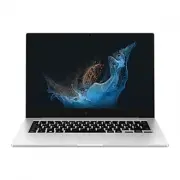 Samsung Book2 Go
User Manual
Samsung Book2 Go
User Manual
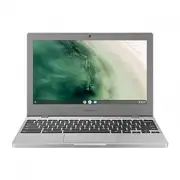 Samsung Chromebook 4
User Manual
Samsung Chromebook 4
User Manual
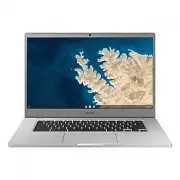 Samsung Chromebook 4+
User Manual
Samsung Chromebook 4+
User Manual
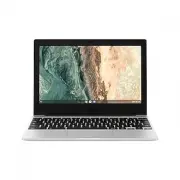 Samsung Chromebook Go
User Manual
Samsung Chromebook Go
User Manual
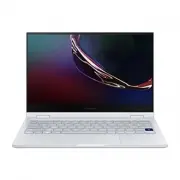 Samsung Galaxy Book Flex
User Manual
Samsung Galaxy Book Flex
User Manual
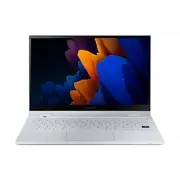 Samsung Galaxy Book Flex2
User Manual
Samsung Galaxy Book Flex2
User Manual
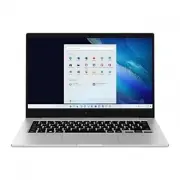 Samsung Galaxy Book Go
User Manual
Samsung Galaxy Book Go
User Manual
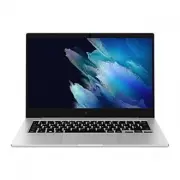 Samsung Galaxy Book Go (NP345XLAA-EXP)
User Manual
Samsung Galaxy Book Go (NP345XLAA-EXP)
User Manual
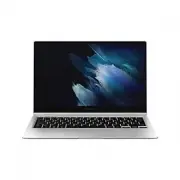 Samsung Galaxy Book Pro 360
User Manual
Samsung Galaxy Book Pro 360
User Manual
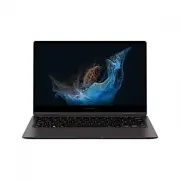 Samsung Galaxy Book2 360
User Manual
Samsung Galaxy Book2 360
User Manual
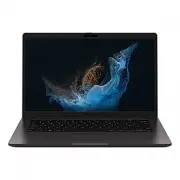 Samsung Galaxy Book2 Business (NP641BED)
User Manual
Samsung Galaxy Book2 Business (NP641BED)
User Manual
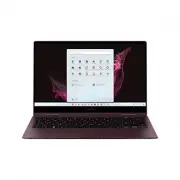 Samsung Galaxy Book2 Pro 360
User Manual
Samsung Galaxy Book2 Pro 360
User Manual
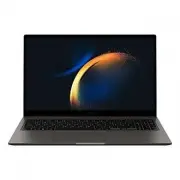 Samsung Galaxy Book3
User Manual
Samsung Galaxy Book3
User Manual
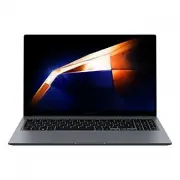 Samsung Galaxy Book4
User Manual
Samsung Galaxy Book4
User Manual
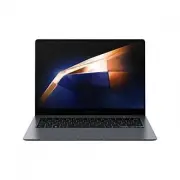 Samsung Galaxy Book4 Pro
User Manual
Samsung Galaxy Book4 Pro
User Manual
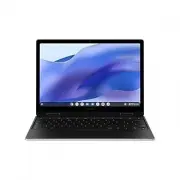 Samsung Galaxy Chromebook 2 360
User Manual
Samsung Galaxy Chromebook 2 360
User Manual
 Samsung Galaxy Chromebook Go
User Manual
Samsung Galaxy Chromebook Go
User Manual
 Samsung KEYBOARD DOCK_PC
User Manual
Samsung KEYBOARD DOCK_PC
User Manual
 Samsung NP270E5E-EXP
User Manual
Samsung NP270E5E-EXP
User Manual