Page 2 - EN; Contents
1 EN Contents Safety Instructions ............................................................................................................................. 2 Installation instructions ...................................................................................................................
Page 3 - Safety Instructions; The
2 EN Safety Instructions Warning! Before connecting the appliance compare the power data (voltage and frequency) indicated on the characteristics plate with those of the power supply in question. If these data do not match there may be problems. In case of doubt, contact an electrician. Warning! If ...
Page 5 - Do not sit or hang on the drawer.; Fire; Do not use the appliance to heat up
4 EN Safety Instructions Do not sit or hang on the drawer. The telescopic runners will be damaged. The maximum load capacity of the drawer is 25 kg. Do not store synthetic containers or easily inflammable objects inside the drawer warmer. When you switch on the appliance such containers and objects ...
Page 6 - Installation instructions; Before installation
5 EN Installation instructions Before installation Check that the input voltage indicated on the characteristics plate is the same as the voltage of the power outlet you are going to use. Open the drawer and take out all the accessories and remove the packing material. Attention! The front surface o...
Page 7 - Appliance Description; Main Components
6 EN Appliance Description Main Components 1. Temperature selector (thermostat) 2. On/Off switch (lights up) 3. Operating light 4. Anti-slip mat How the warming drawer works This appliance is equipped with a warm air circulation system. A fan distributes the heat generated by an electrical heating e...
Page 8 - Use; Before using for the first time
7 EN Use Before using for the first time Before using the appliance for the first time you should clean the interior and the exterior, following the cleaning instructions given in the section “Cleaning and Maintenance”. Then heat the warming drawer for at least 2 hours. For this, turn the temperatur...
Page 9 - Heating times; Load capacity
8 EN Use Heating times Various factors affect heating times: Material and thickness of the crockery Load quantity How the crockery is arranged Temperature setting It is therefore not possible to give any precise heating times. However, as a guide, the following times are given for the thermostat set...
Page 10 - Cleaning and Maintenance; Appliance front and control panel; Interior of the warming drawer; Mat with non-slip surface
9 EN Cleaning and Maintenance Cleaning is the only maintenance action that is required normally. Warning! Cleaning must be done with the warming drawer disconnected from the electrical power supply. Remove the plug from the power socket or disconnect the warming drawer power supply circuit. Do not u...
Page 11 - What should I do if the warming drawer d
10 EN What should I do if the warming drawer d oesn’t work? WARNING! Any type of repair must only be done by a specialised technician. Any repair done by a person not authorised by the manufacturer is dangerous. Before contacting Technical Assistance, check on the following: The crockery doesn’t hea...
Page 12 - Technical Characteristics; Environmental protection; Technical Data
11 EN Technical Characteristics Environmental protection Disposal of the packaging The packaging bears the Green Point mark. Dispose of all the packaging materials such as cardboard, expanded polystyrene and plastic wrapping in the appropriate bins. In this way you can be sure that the packaging mat...
Page 13 - DE; Inhaltsverzeichnis
12 DE Inhaltsverzeichnis Sicherheitshinweise ......................................................................................................................... 13 Sachgemäßer Gebrauch.................................................................................................................
Page 14 - Sicherheitshinweise; Vergleichen Sie vor
13 DE Sicherheitshinweise Achtung! Vergleichen Sie vor dem Anschließen des Gerätes die Anschlussdaten (Spannung und Frequenz) auf dem Typenschild mit denen des Elektronetzes. Diese Daten müssen unbedingt übereinstimmen, damit keine Schäden am Gerät auftreten. Im Zweifelsfall fragen Sie Ihren Elektro...
Page 15 - Öffnen Sie auf keinen; der Hersteller; Eine Reparatur des
14 DE Sicherheitshinweise Achtung! Öffnen Sie auf keinen Fall das Gehäuse des Gerätes. Eventuelles Berühren spannungsführender Teile sowie Verändern des elektrischen und mechanischen Aufbaus gefährden Sie und führen möglicherweise zu Funktionsstörungen des Gerätes. Achtung! Installations- und Wartun...
Page 16 - Sachgemäßer Gebrauch
15 DE Sachgemäßer Gebrauch Dieses Gerät entspricht den vorgeschriebenen Sicherheitsbestimmungen. Ein unsachgemäßer Gebrauch kann jedoch zu Schäden an Personen und Sachen führen. Lesen Sie vor dem ersten Benutzen aufmerksam die Gebrauchsanweisung. Dadurch schützen Sie sich selbst und vermeiden Schäde...
Page 17 - Installationsanleitung; Vor der Installation
16 DE Installationsanleitung Vor der Installation Überprüfen Sie, dass die Versorgungsspannung , die auf dem Typenschild angegeben ist, mit Ihrer Netzspannung übereinstimmt. Öffnen Sie die Schublade und entnehmen Sie alle Zubehörteile sowie das Verpackungsmaterial. Achtung! Die Vorderseite der Schub...
Page 18 - Gerätebeschreibung; Hauptkomponenten; Vorinformationen
17 DE Gerätebeschreibung Hauptkomponenten 1. – Bedienblende 3. – Gerätefront 2. – Temperaturknebel 4. – Antirutschauflage Vorinformationen Dieses Gerät verfügt über ein Heißluftsystem. Ein Gebläse verteilt die Wärme des Heizkörpers optimal in der Schublade. Das Thermostat ermöglicht die Bestimmung u...
Page 19 - Bedienung; or dem ersten Gebrauch
18 DE Bedienung V or dem ersten Gebrauch Vor dem ersten Benutzen sollten Sie wie folgt vorgehen: Wischen Sie Ihr Gerät mit einem feuchten Tuch ab und trocken Sie es anschließend. Siehe Kapitel „Reinigung und Pflege“. Heizen Sie die leere Schublade mindestens 2 Stunden lang auf. Stellen Sie dazu den ...
Page 20 - Aufheizzeiten; Fassungsvermögen
19 DE Bedienung Aufheizzeiten Unterschiedliche Faktoren beeinflussen die Aufheizzeit: Material und Dicke des Geschirrs Beladungsmenge Beladungsanordnung Temperatureinstellung Absolute Angaben sind daher nicht möglich. Bei der Einstellung auf der Position und um eine gleichmäßige Erwärmung zu erreich...
Page 21 - Reinigung und Pflege; Stirnseite und Bedienblende; Innenraum
20 DE Reinigung und Pflege Die Reinigung stellt die einzige, normalerweise erforderliche Wartung dar. Achtung! Die Reinigung muss an dem von der Stromversorgung getrennten Gerät durchgeführt werden. Ziehen Sie den Stecker aus der Steckdose oder schalten Sie den Stromversorgungskreis des Gerätes ab. ...
Page 22 - Was ist im Falle einer Funktionsstörung zu tun?
21 DE Was ist im Falle einer Funktionsstörung zu tun? ACHTUNG! Jegliche Art von Reparatur darf nur von spezialisierten Fachleuten ausgeführt werden. Jeder Eingriff, der durch nicht vom Hersteller autorisierte Personen vorgenommen wird, ist gefährlich. Folgende Probleme können behoben werden, ohne de...
Page 23 - Technische Eigenschaften; Hinweise zum Umweltschutz
22 DE Technische Eigenschaften Hinweise zum Umweltschutz Entsorgung der Verpackung Die Verpackung ist mit einem Grünen Punkt gekennzeichnet. Benutzen Sie geeignete Behältnisse, um alle Verpackungsmaterialien, wie Pappe, Styropor und Folien, zu entsorgen. Auf diese Weise wird die Wiederverwertung der...
Page 24 - Sommaire
23 FR Sommaire Indications de sécurité ..................................................................................................................... 24 Précautions pendant l'utilisation ..................................................................................................... 25 I...
Page 25 - Indications de sécurité
24 FR Indications de sécurité Attention ! Avant de brancher l'appareil, comparez-en les données (tension et fréquence) indiquées sur la plaque des caractéristiques avec celles de votre réseau électrique. Elles doivent correspondre, pour éviter tout problème. En cas de doute, appelez un électricien. ...
Page 26 - Précautions pendant l'utilisation
25 FR Précautions pendant l'utilisation Votre appareil est aux normes de sécurité en vigueur. Une utilisation inadéquate peut constituer un danger pour l'utilisateur. Avant la première utilisation, lisez avec attention les instructions d'utilisation. Vous vous protégez et évitez ainsi tout problème....
Page 27 - Le tiroir peut supporter un poids
26 FR Précautions pendant l'utilisation Le tiroir peut supporter un poids maximum de 25 kg. Prenez garde de ne pas le surcharger, cela endommagerait les rails télescopiques. Les récipients et objets synthétiques ou qui prennent facilement feu ne doivent pas être rangés dans le tiroir chauffant. Si l...
Page 28 - Instructions d'installation; Avant l'installation; Installation
27 FR Instructions d'installation Avant l'installation Vérifiez que la tension d'alimentation de l'appareil, indiquée sur la plaque des caractéristiques, correspond à celle de votre installation. Ouvrez le tiroir et retirez tous les accessoires ainsi que le matériel d'emballage. Attention ! Le devan...
Page 29 - Description de l'appareil; Composants principaux; Principe de fonctionnement
28 FR Description de l'appareil Composants principaux 1. Sélecteur de température (thermostat) 2. Bouton marche/arrêt (voyant lumineux) 3. Pilote de fonctionnement 4. Revêtement antidérapant Principe de fonctionnement Votre appareil est équipé d'un système de circulation d'air chaud. Un ventilateur ...
Page 30 - Utilisation; Avant la première utilisation
29 FR Utilisation Avant la première utilisation Avant d'utiliser l'appareil pour la première fois, vous devez en laver l'intérieur et l'extérieur en suivant les indications sur le nettoyage figurant au chapitre « Nettoyage et entretien ». Ensuite, chauffez le tiroir chauffant pendant au moins 2 heur...
Page 31 - Temps de chauffage; Capacité de charge
30 FR Utilisation Temps de chauffage Le temps de chauffage dépend de plusieurs facteurs : Matériel et épaisseur de la vaisselle Quantité de charge Disposition de la vaisselle Température sélectionnée Il est dès lors impossible d'indiquer des temps de chauffage rigoureusement exacts. Les temps ci-des...
Page 32 - Nettoyage et entretien; Intérieur du tiroir chauffant; Revêtement antidérapant
31 FR Nettoyage et entretien Le nettoyage est l'unique entretien normalement nécessaire. Attention ! Le nettoyage doit être effectué quand le tiroir chauffant est débranché de l'alimentation électrique. Retirez la prise du mur ou débranchez le circuit d'alimentation du tiroir chauffant. N'utilisez p...
Page 33 - Que faire en cas de mauvais fonctionnement?
32 FR Que faire en cas de mauvais fonctionnement? ATTENTION ! Seuls des techniciens spécialisés sont à même d'effectuer les réparations, de quelque type que ce soit. Toute réparation effectuée par des personnes non agréées par le fabricant est dangereuse. Avant d'appeler l'assistance technique, véri...
Page 34 - FR; Caractéristiques techniques; rotection de l'environnement
33 FR Caractéristiques techniques Gardez toujours le manuel d'instructions à portée de main. Si vous cédez l'appareil à un tiers, remettez-lui également le manuel ! P rotection de l'environnement Élimination de l'emballage L'emballage est signalé d'un Point vert. Veuillez utiliser les conteneurs adé...
Page 36 - Instrukcje dotyczące bezpieczeństwa; Producent oraz
35 PL Ç Instrukcje dotyczące bezpieczeństwa Ostrzeżenie! Przed podłączeniem urządzenia do sieci elektrycznej należy porównać dane o napięciu i frekwencji, podane na tabliczce znamionowej urządzenia, z danymi o sieci elektrycznej, do której urządzenie zostanie podłączone. Jeżeli podane wartości są ró...
Page 38 - Ostrzeżenia i rady związane z użytkowaniem urządzenia; e obciążenie szuflady; iebezpieczeństwo; ządzeń do czyszczenia.
37 PL Ç Ostrzeżenia i rady związane z użytkowaniem urządzenia Nie należy siadać na szufladę i wieszać się na niej, ponieważ można w ten sposób uszkodzić prowadnice teleskopowe. Maksymaln e obciążenie szuflady wynosi 25 kilogramów. Nie należy w podgrzewaczu do naczy ń przechowywać syntetycznych bądź ...
Page 39 - Instrukcje dotyczące montażu
38 PL Ç Instrukcje dotyczące montażu Przed montażem Sprawdzić należy, czy napięcie podane na tabliczce znamionowej urządzenia, odpowiada napięciu instalacji elektrycznej, do której zamierza się podłączyć urządzenie. Otworzyć należy szufladę oraz wyjąć z niej wszystkie akcesoria ; należy również usun...
Page 40 - Podstawowe komponenty; W jaki sposób działa szuflada do podgrzewania naczyń
39 PL Ç Opis urządzenia Podstawowe komponenty 1. Pokrętło do nastawiania temperatury (termostat) 2. Przełącznik włączenie/ wyłączenie ( podświetlony) 3. Lampka kontrolna działania 4. Mata antypoślizgowa W jaki sposób działa szuflada do podgrzewania naczyń Urządzenie jest wyposażone w system nawiewu ...
Page 41 - Sposób użycia; Przed pierwszym użytkowaniem
40 PL Ç Sposób użycia Przed pierwszym użytkowaniem Przed pierwszym użytkowaniem urządzenie należy oczyścić zarówno z zewnątrz jak i wewnątrz, przestrzegając przy tym zaleceń zawartych w rozdziale "Czyszczenie i konserwacja". Następnie podgrzewacz do naczyń należy nastawić na najwyższą temper...
Page 42 - Czas podgrzewania
41 PL Ç Sposób użycia Czas podgrzewania Na czas podgrzewania ma wpływ kilka czynników: materia ł oraz grubość naczyń ilość naczyń rozmieszczenie naczyń w szufladzie wybór temperatury Dlatego nie jest możliwe podanie dokładnego czasu podgrzewania w przypadku poszczególnych ustawień. Jako ogólną zasad...
Page 43 - Czyszczenie i konserwacja; Mata antypoślizgowa
42 PL Ç Czyszczenie i konserwacja Czyszczenie to jedyna regularna czynność związana z konserwacją, jakiej wymaga urządzenie. Ostrzeżenie! Przed czyszczeniem szuflady do podgrze wania, urządzenie należy odłączyć z sieci elektrycznej. W tym celu wtyczkę należy wyciągnąć z gniazdka lub odłączyć dopływ ...
Page 45 - Dane techniczne
44 PL Ç Usuwanie i składowanie opakowania Opakowanie tego produktu jest opatrzone zielonym punktem. Prosimy, aby wszystkie materiały, zużyte do zapakowania produktu, np. karton, styropian oraz folię plastykową, przesegregować, wrzucając do odpowiednich kontenerów. W ten sposób zapewni się recykling ...
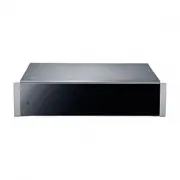


 Samsung NE63T8951SS
User Manual
Samsung NE63T8951SS
User Manual
 Samsung NQ50J5530BS
User Manual
Samsung NQ50J5530BS
User Manual
 Samsung NQ50J9530BS
User Manual
Samsung NQ50J9530BS
User Manual
 Samsung NQ70CB700D12
User Manual
Samsung NQ70CB700D12
User Manual
 Samsung NQ70CG600DSR
User Manual
Samsung NQ70CG600DSR
User Manual
 Samsung NQ70CG700DMT
User Manual
Samsung NQ70CG700DMT
User Manual
 Samsung NV51CB700S12
User Manual
Samsung NV51CB700S12
User Manual
 Samsung NV51CG600SMT
User Manual
Samsung NV51CG600SMT
User Manual
 Samsung NV51CG600SSR
User Manual
Samsung NV51CG600SSR
User Manual
 Samsung NV51CG700SMT
User Manual
Samsung NV51CG700SMT
User Manual
 Samsung NV51CG700SSR
User Manual
Samsung NV51CG700SSR
User Manual
 Samsung NV51K6650DS
User Manual
Samsung NV51K6650DS
User Manual
 Samsung NV51K7770DS
User Manual
Samsung NV51K7770DS
User Manual
 Samsung NV51T5511DS
User Manual
Samsung NV51T5511DS
User Manual
 Samsung NV75J5540RS
User Manual
Samsung NV75J5540RS
User Manual
 Samsung NX58M6850SG
User Manual
Samsung NX58M6850SG
User Manual
 Samsung NX58M6850SS
User Manual
Samsung NX58M6850SS
User Manual
 Samsung NX60A6751SG
User Manual
Samsung NX60A6751SG
User Manual
 Samsung NX60A6751SS
User Manual
Samsung NX60A6751SS
User Manual
 Samsung NX60T8751SG
User Manual
Samsung NX60T8751SG
User Manual