Page 3 - These titles indicate the following:; NOTICE; SAFETY AND VEHICLE DAMAGE WARNING; WARNING
F3 This manual includes information titled as WARNING, CAUTION and NOTICE. These titles indicate the following: ✽ ✽ NOTICE This indicates that interesting or helpful information is being provided. SAFETY AND VEHICLE DAMAGE WARNING WARNING This indicates that a condition may result in harm, serious i...
Page 4 - Note; ual in the vehicle for their use. Thank you.; CAUTION
F4 FOREWORD Thank you for choosing Hyundai. We are pleased to welcome you to the growing number of discerning people who drive Hyundais.The advanced engineering and high-quality construction of each Hyundai we build is something of which we're very proud. Your Owner's Manual will introduce you to th...
Page 5 - Guide to Hyundai Genuine Parts; ing Hyundai Genuine Parts?
F5 Guide to Hyundai Genuine Parts 1. What are Hyundai Genuine Parts? Hyundai Genuine Parts are the samepar ts used by Hyundai MotorCompany to manufacture vehicles.They are designed and tested for theoptimum safety, performance, and reli-ability to our customers. 2. Why should you use genuine parts? ...
Page 7 - table of contents
1 2 3 4 5 6 7 8 I Introduction Your vehicle at a glance Safety features of your vehicle Features of your vehicle Driving your vehicle What to do in an emergency Maintenance Specifications, Consumer information, Reporting safety defects Index table of contents
Page 8 - Introduction
1 How to use this manual / 1-2 Fuel requirements / 1-3 Vehicle break-in process / 1-5 Vehicle data collection and event data recorders / 1-6 Indicator symbols on the instrument cluster / 1-7 Introduction
Page 10 - Gasoline or gasohol containing; FUEL REQUIREMENTS; • Tighten the cap fully clockwise
1 3 Introduction Your new vehicle is designed to use onlyunleaded fuel having a pump octanenumber ((R+M)/2) of 87 (ResearchOctane Number 91) or higher. Your new vehicle is designed to obtainmaximum performance with UNLEADEDFUEL, as well as minimize exhaust emis-sions and spark plug fouling. Gasoline...
Page 11 - Do not use methanol; istration and insurance.
Introduction 4 1 "E85" fuel is an alternative fuel com-prised of 85 percent ethanol and 15 per-cent gasoline, and is manufacturedexclusively for use in Flexible FuelVehicles. “E85” is not compatible withyour vehicle. Use of “E85” may result inpoor engine performance and damage toyour vehicle...
Page 12 - • Do not maintain a single speed for long; VEHICLE BREAK-IN PROCESS; components and materials
1 5 Introduction No special break-in period is needed. Byfollowing a few simple precautions for thefirst 600 miles (1,000 km) you may add tothe performance, economy and life ofyour vehicle.• Do not race the engine.• While driving, keep your engine speed (r pm, or revolutions per minute)between 2,000...
Page 13 - and; VEHICLE DATA COLLECTION AND EVENT DATA RECORDERS
Introduction 6 1 This vehicle is equipped with an eventdata recorder (EDR). The main pur-pose of an EDR is to record, in certaincrash or near crash-like situations,such as an air bag deployment or hit-ting a road obstacle, data that willassist in understanding how a vehi-cle's systems performed. The...
Page 14 - INDICATOR SYMBOLS ON THE INSTRUMENT CLUSTER; ECO
1 7 Introduction INDICATOR SYMBOLS ON THE INSTRUMENT CLUSTER Seat belt warning light High beam indicator Turn signal indicator ABS warning light Parking brake & Brake fluidwarning light Engine oil pressure warning light Malfunction indicator light Air bag warning light Cruise indicator (if equip...
Page 15 - Your vehicle at a glance
2 Interior overview / 2-2Instrument panel overview / 2-3Engine compartment / 2-4 Your vehicle at a glance
Page 16 - INTERIOR OVERVIEW
Your vehicle at a glance 2 2 INTERIOR OVERVIEW 1. Door lock/unlock button ..........................4-8 2. Outside rearview mirror control switch* ..................................................4-33 3. Central door lock switch* ........................4-9 4. Power window lock button*................
Page 17 - INSTRUMENT PANEL OVERVIEW
2 3 Your vehicle at a glance INSTRUMENT PANEL OVERVIEW 1. Driver’s front air bag* .......................3-46 2. Horn .................................................4-31 3. Light control/Turn signals .................4-52 4. Instrument cluster.............................4-34 5. Wiper/Washer ........
Page 18 - ENGINE COMPARTMENT
Your vehicle at a glance 4 2 ENGINE COMPARTMENT ORB070100 * The actual engine room in the vehicle may differ from the illustration. 1. Engine coolant reservoir ...................7-23 2. Windshield washer fluid reservoir .....7-27 3. Radiator cap .....................................7-24 4. Engine o...
Page 19 - Safety features of your vehicle
3 Seats / 3-2Seat belts / 3-13Child restraint system / 3-26Air bag - advanced supplemental restraint system / 3-34 Safety features of your vehicle
Page 20 - Driver’s seat; SEATS
Safety features of your vehicle 2 3 Driver’s seat (1) Forward and backward(2) Seatback angle(3) Seat cushion height(4) Headrest(5) Armrest* Front passenger’s seat (6) Forward and backward(7) Seatback angle(8) Headrest Rear seat (9) Headrest*(10) Seatback folding* *: if equipped SEATS ORB030001N
Page 21 - • Never attempt to adjust the seat; Loose objects; sibility for passengers
3 3 Safety features of your vehicle WARNING - Driver’s seat • Never attempt to adjust the seat while the vehicle is moving. Thiscould result in loss of control,and an accident causing death,serious injury, or property dam-age. • Do not allow anything to interfere with the normal position of theseatb...
Page 22 - backs
Safety features of your vehicle 4 3 (Continued)• Luggage and other cargo should be laid flat in the cargo area. Ifobjects are large, heavy, or mustbe piled, they must be secured.Under no circumstances shouldcargo be piled higher than theseatbacks. Failure to follow thesewarnings could result in seri...
Page 23 - Front seat; Manual adjustment
3 5 Safety features of your vehicle Front seat Manual adjustment Forward and rearward To move the seat forward or rearward:1. Pull the seat slide adjustment lever up and hold it. 2. Slide the seat to the position you desire. 3. Release the lever and make sure the seat is locked in place. Adjust the ...
Page 24 - Headrest; • For maximum effectiveness in
Safety features of your vehicle 6 3 Armrest (for driver’s seat) (if equipped) To use the armrest, swing down the arm-rest to the lowest position. Headrest The driver's and front passenger's seatsare equipped with a headrest for theoccupant's safety and comfort.The headrest not only provides comfortf...
Page 25 - Adjusting the height up and down
3 7 Safety features of your vehicle Adjusting the height up and down To raise the headrest, pull it up to thedesired position (1). To lower the head-rest, push and hold the release button (2)on the headrest support and lower theheadrest to the desired position (3). Removal To remove the headrest, ra...
Page 26 - Rear seat; • Do not hang onto the front pas-
Safety features of your vehicle 8 3 Seatback pocket (if equipped) The seatback pocket is provided on theback of the front passenger’s and driver’sseatbacks. Rear seat Headrest The rear seat(s) is equipped with head-rests in all the seating positions for theoccupant's safety and comfort.The headrest ...
Page 28 - Folding the rear seat; Make sure the rear seat belt webbing
Safety features of your vehicle 10 3 Folding the rear seat The rear seatbacks can be folded to facil-itate carrying long items or to increasethe luggage capacity of the vehicle. To fold down the rear seatback: 1. Make sure the rear seat belt webbing is in the guide to prevent the seat beltfrom being...
Page 29 - To use the rear seat, lift and pull the
3 11 Safety features of your vehicle 5. To use the rear seat, lift and pull the seatback backward. Push the seatbackfirmly until it clicks into place. Makesure the seatback is locked in place.When you return the seatback to itsupright position, always be sure it haslocked into position by pushing on...
Page 30 - Cargo loading; Damaging rear
Safety features of your vehicle 12 3 WARNING - Cargo Cargo should always be secured toprevent it from being thrown aboutthe vehicle in a collision and caus-ing injury to the vehicle occupants.Do not place objects in the rearseats, since they cannot be proper-ly secured and may hit the frontseat occu...
Page 31 - Seat belt restraint system; SEAT BELTS; • Be careful not to damage the belt; • For maximum restraint system
3 13 Safety features of your vehicle Seat belt restraint system SEAT BELTS WARNING Seat belts are designed to bearupon the bony structure of thebody, and should be worn lowacross the front of the pelvis, chestand shoulders, as applicable; wear-ing the lap section of the beltacross the abdominal area...
Page 32 - • No modifications or additions
Safety features of your vehicle 14 3 Seat belt warning (for driver’s seat) The driver's seat belt warning light andchime will activate to the following tablewhen the ignition switch is in "ON" posi-tion. * 1 Warning pattern repeats 11 times withan interval of 24 seconds. If the driver'sseat ...
Page 33 - To fasten your seat belt:
3 15 Safety features of your vehicle Seat belt - Driver's 3-point systemwith emergency locking retractor To fasten your seat belt: To fasten your seat belt, pull it out of theretractor and insert the metal tab (1) intothe buckle (2). There will be an audible"click" when the tab locks into th...
Page 34 - • Verify the shoulder belt anchor is
Safety features of your vehicle 16 3 B200A02NF WARNING You should place the lap belt por-tion as low as possible and snuglyacross your hips, not on your waist.If the lap belt is located too high onyour waist, it may increase thechance of injury in the event of acollision. Both arms should not beunde...
Page 35 - To release the seat belt:
3 17 Safety features of your vehicle When the seat belt is fully extended fromthe retractor to allow the installation of achild restraint system, the seat belt oper-ation changes to allow the belt to retract,but not to extend (Automatic LockingRetractor Type). Refer to “Using a childrestraint system...
Page 36 - To unfasten the rear center belt
Safety features of your vehicle 18 3 Pull and insert the tongue plate (C) intothe open end of the buckle (D) until anaudible “click” is heard, indicating thelatch is locked.Make sure the belt is not twisted.There will be an audible “click” when thetab locks in the buckle. The seat beltautomatically ...
Page 37 - To disconnect the rear center belt; Pre-tensioner seat belt; • Do not put anything near the
3 19 Safety features of your vehicle To disconnect the rear center belt Insert a manual key or narrow-ended toolinto the groove located on buckle. Pre-tensioner seat belt Your vehicle is equipped with driver's andfront passenger's pre-tensioner seatbelts. The purpose of the pre-tensioner isto make s...
Page 38 - • When the pre-tensioner seat belts are
Safety features of your vehicle 20 3 The seat belt pre-tensioner system con-sists mainly of the following components.Their locations are shown in the illustra-tion:1. SRS air bag warning light2. Retractor pre-tensioner assembly3. SRS control module4. Anchor pre-tensioner assembly ✽ ✽ NOTICE • Both t...
Page 40 - Seat belt precautions; Infant or small child; to “Child; Properly worn seat belts
Safety features of your vehicle 22 3 Seat belt precautions Infant or small child All 50 states have child restraint laws. Youshould be aware of the specific require-ments in your state. Child and/or infantseats must be properly placed andinstalled in the rear seat. For more infor-mation about the us...
Page 41 - Larger children; on small children; • Never allow a shoulder belt to be; women
3 23 Safety features of your vehicle Larger children Children who are too large for childrestraint systems should always occupythe rear seat and use the availablelap/shoulder belts. The lap portion shouldbe fastened snug on the hips and as lowas possible. Check belt fit periodically. Achild's squirm...
Page 42 - Injured person; Care of seat belts; The more the seatback is; Be sure that the
Safety features of your vehicle 24 3 Injured person A seat belt should be used when aninjured person is being transpor ted.When this is necessary, you should con-sult a physician for recommendations. One person per belt Two people (including children) shouldnever attempt to use a single seat belt.Th...
Page 43 - Periodic inspection
3 25 Safety features of your vehicle Periodic inspection All seat belts should be inspected peri-odically for wear or damage of any kind.Any damaged parts should be replacedas soon as possible. Keep belts clean and dry Seat belts should be kept clean and dry.If belts become dir ty, they can becleane...
Page 44 - CHILD RESTRAINT SYSTEM
Safety features of your vehicle 26 3 CHILD RESTRAINT SYSTEM Children riding in the car should sit in therear seat and must always be properlyrestrained to minimize the risk of injury inan accident, sudden stop or suddenmaneuver. According to accident statis-tics, children are safer when properlyrest...
Page 45 - Using a child restraint system
3 27 Safety features of your vehicle Using a child restraint system For small children and babies, the use ofa child seat or infant seat is required. Thischild seat or infant seat should be ofappropriate size for the child and shouldbe installed in accordance with the man-ufacturer's instructions. (...
Page 46 - • A child can be seriously injured
Safety features of your vehicle 28 3 For safety reasons, we recommend thatthe child restraint system be used in therear seats. Since all passenger seat belts movefreely under normal conditions and onlylock under extreme or emergency condi-tions (emergency locking mode), youmust manually change these...
Page 47 - Fasten the lap/shoulder belt latch into
3 29 Safety features of your vehicle To install a child restraint system on theoutboard or center rear seats, do the fol-lowing:1. Place the child restraint system in the seat and route the lap/shoulder beltaround or through the restraint, follow-ing the restraint manufacturer’sinstructions. Be sure...
Page 48 - Remove as much slack from the belt; locking mode
Safety features of your vehicle 30 3 5. Remove as much slack from the belt as possible by pushing down on thechild restraint system while feeding theshoulder belt back into the retractor. 6. Push and pull on the child restraint system to confirm that the seat belt isholding it firmly in place. If it...
Page 49 - Route the child restraint seat strap; check; Tether strap; - Child restraint anchorage; • Child restraint anchorages are
3 31 Safety features of your vehicle 1. Route the child restraint seat strap over the seatback. For vehicles with adjustable head-rests, route the tether strap under theheadrest and between the headrestposts, otherwise route the tether strapover the top of the seatback. 2. Connect the tether strap h...
Page 50 - • When using the vehicle's
Safety features of your vehicle 32 3 Securing a child restraint seat withchild seat lower anchor system Some child seat manufacturers makechild restraint seats that are labeled asLATCH or LATCH-compatible childrestraint seats. LATCH stands for "LowerAnchors and Tethers for Children". Thesese...
Page 51 - You may damage the
3 33 Safety features of your vehicle LATCH anchors have been provided inyour vehicle. The LATCH anchors arelocated in the left and right outboard rearseating positions. Their locations areshown in the illustration. There is noLATCH anchor provided for the centerrear seating position.The LATCH anchor...
Page 52 - AIR BAG - ADVANCED SUPPLEMENTAL RESTRAINT SYSTEM
Safety features of your vehicle 34 3 (1) Driver’s front air bag(2) Passenger’s front air bag(3) Side impact air bag (4) Curtain air bag AIR BAG - ADVANCED SUPPLEMENTAL RESTRAINT SYSTEM WARNING Even in vehicles with air bags, youand your passengers must alwayswear the seat belts provided inorder to m...
Page 53 - • There are even circumstances; • To avoid severe personal injury
3 35 Safety features of your vehicle How does the air bag systemoperate • Air bags are activated (able to inflate if necessar y) only when the ignitionswitch is turned to the ON or STARTposition. • Air bags inflate instantly in the event of serious frontal or side collision in orderto help protect t...
Page 54 - Noise and smoke; • Extreme Hazard! Do not use a
Safety features of your vehicle 36 3 Noise and smoke When the air bags inflate, they make aloud noise and they leave smoke andpowder in the air inside of the vehicle.This is normal and is a result of the igni-tion of the air bag inflator. After the airbag inflates, you may feel substantial dis-comfo...
Page 55 - Air bag warning light
3 37 Safety features of your vehicle C041000AUN Air bag warning light The purpose of air bag warning light inyour instrument panel is to alert you of apotential problem with your air bag -Supplemental Restraint System (SRS). When the ignition switch is turned ON,the indicator light should illuminate...
Page 56 - Driver’s and front passenger’s seat
Safety features of your vehicle 38 3 12. Driver’s and front passenger’s seat belt buckle sensors 13. Anchor pre-tensioner14. Side pressure sensor The SRSCM continually monitors allSRS components while the ignitionswitch is ON to determine if a crashimpact is severe enough to require airbag deploymen...
Page 58 - • Do not install or place any acces-; • If an air bag deploys, there may
Safety features of your vehicle 40 3 WARNING • Do not install or place any acces- sories (drink holder, CD or discsholder, sticker, etc.) on the frontpassenger's panel above theglove box in a vehicle with a pas-senger's air bag. Such objectsmay become dangerous projec-tiles and cause injury if the p...
Page 59 - Occupant detection system; • A detection device located within the
3 41 Safety features of your vehicle Occupant detection system Your vehicle is equipped with an occu-pant detection system in the front pas-senger's seat. The occupant detection system isdesigned to detect the presence of aproperly-seated front passenger anddetermine if the passenger's front air bag...
Page 60 - resting them on other locations.; *2) Never install a child restraint system
Safety features of your vehicle 42 3 Always be sure that you and all vehicleoccupants are seated and restrainedproperly (sitting upright with the seat inan upright position, centered on the seatcushion, with the person's legs comfort-ably extended, feet on the floor, andwearing the safety belt prope...
Page 62 - • Even though your vehicle is
Safety features of your vehicle 44 3 When an adult is seated in the front pas-senger seat, if the PASS AIR BAG “OFF”indicator is on, turn the ignition switch tothe LOCK or OFF position and ask thepassenger to sit properly (sitting uprightwith the seat back in an upright position,centered on the seat...
Page 66 - • Be sure to read information about the
Safety features of your vehicle 48 3 ✽ ✽ NOTICE • Be sure to read information about the SRS on the labels provided on the sunvisor. • Advanced air bags are combined with pre-tensioner seat belts to help pro-vide enhanced occupant protection infrontal crashes. Front air bags are notintended to deploy...
Page 68 - Side impact air bag; • The SRS air bag system must
Safety features of your vehicle 50 3 Side impact air bag Your vehicle is equipped with a sideimpact air bag in each front seat. Thepurpose of the air bag is to provide thevehicle's driver and/or the front passen-ger with additional protection than thatoffered by the seat belt alone. The side impact ...
Page 69 - Curtain air bag
3 51 Safety features of your vehicle Curtain air bag Curtain air bags are located along bothsides of the roof rails above the front andrear doors.They are designed to help protect theheads of the front seat occupants andthe rear outboard seat occupants in cer-tain side impact collisions. WARNING • T...
Page 70 - • In order for side and curtain air
Safety features of your vehicle 52 3 The curtain air bags are designed todeploy only during certain side impactcollisions, depending on the crash sever-ity, angle, speed and impact. The curtainair bags are not designed to deploy in allside impact situations, collisions from thefront or rear of the v...
Page 71 - Air bag collision sensors
3 53 Safety features of your vehicle Why didn’t my air bag go off in acollision? (Inflation and non-infla-tion conditions of the air bag) There are many types of accidents inwhich the air bag would not be expect-ed to provide additional protection.These include rear impacts, second orthird collision...
Page 72 - Air bag inflation conditions; • Do not hit or allow any objects to
Safety features of your vehicle 54 3 Air bag inflation conditions Front air bags Front air bags are designed to inflate in afrontal collision depending on the intensi-ty, speed or angles of impact of the frontcollision. WARNING • Do not hit or allow any objects to impact the locations where airbags ...
Page 73 - Air bag non-inflation conditions; • In certain low-speed collisions the air
3 55 Safety features of your vehicle Side impact and curtain air bags (if equipped) Side impact and curtain air bags aredesigned to inflate when an impact isdetected by side collision sensorsdepending on the strength, speed orangles of impact resulting from a sideimpact collision. Although the front...
Page 74 - • Air bags are not designed to inflate in
Safety features of your vehicle 56 3 • Air bags are not designed to inflate in rear collisions, because occupants aremoved backward by the force of theimpact. In this case, inflated air bagswould not be able to provide any addi-tional benefit. • Front air bags may not inflate in side impact collisio...
Page 75 - • Just before impact, drivers often brake
3 57 Safety features of your vehicle • Just before impact, drivers often brake heavily. Such heavy braking lowers thefront portion of the vehicle causing it to“ride” under a vehicle with a higherground clearance. Air bags may notinflate in this "under-ride" situationbecause deceleration forc...
Page 76 - SRS Care
Safety features of your vehicle 58 3 SRS Care The SRS is virtually maintenance-freeand so there are no parts you can safelyservice by yourself. If the SRS air bagwarning light " " does not illuminate, when you turn the ignition on, or continu-ously remains on, have your vehicleimmediately in...
Page 77 - Additional safety precautions; Do not modify the front seats.; • Sitting improperly or out of posi-
3 59 Safety features of your vehicle Additional safety precautions • Never let passengers ride in thecargo area or on top of a folded-down back seat. All occupants should sit upright, fully back in their seats withtheir seat belts on and their feet on thefloor. • Passengers should not move out ofor ...
Page 79 - Features of your vehicle
4 Keys / 4-3Remote keyless entry / 4-4Door locks / 4-7Trunk / 4-12Tailgate / 4-14Windows / 4-16Hood / 4-20Fuel filler lid / 4-22 Sunroof / 4-25Steering wheel / 4-29Mirrors / 4-31Instrument cluster / 4-34Hazard warning flasher / 4-50Lighting / 4-51Wipers and washers / 4-55Interior light / 4-57Defrost...
Page 80 - Windshield defrosting and defogging / 4-77
Windshield defrosting and defogging / 4-77 Storage compartments / 4-80 Interior features / 4-83 Audio system / 4-88 Features of your vehicle 4
Page 81 - Record your key number; Children copy
4 3 Features of your vehicle Record your key number The key code number is stamped on thebar code tag attached to the key set.Should you lose your keys, this numberwill enable an authorized HYUNDAI deal-er to duplicate the keys easily. Removethe bar code tag and store it in a safeplace. Also, record...
Page 82 - two stage unlock mode
Features of your vehicle 4 4 Remote keyless entry systemoperations Lock (1) All doors are locked if the lock button ispressed. If all doors, trunk and hood areclosed, the hazard warning lights will blinkonce to indicate that all doors are locked. Also, if the lock button is pressed oncemore within 4...
Page 83 - Transmitter precautions; • The battery in the transmitter is; Battery replacement; pry open the transmitter center cover.
4 5 Features of your vehicle Transmitter precautions ✽ ✽ NOTICE The transmitter will not work if any offollowing occur:• The ignition key is in ignition switch.• You exceed the operating distance limit (about 90 feet [30 m]). • The battery in the transmitter is weak. • Other vehicles or objects may ...
Page 84 - • The transmitter is designed to
Features of your vehicle 6 4 CAUTION • The transmitter is designed to give you years of trouble-freeuse, however it can malfunction ifexposed to moisture or staticelectricity. If you are unsure howto use your transmitter or replacethe battery, contact an authorizedHYUNDAI dealer. • Using the wrong b...
Page 85 - • In cold and wet climates, door locks; DOOR LOCKS; • If you don't close the door
4 7 Features of your vehicle Operating door locks from out-side the vehicle • Turn the key toward the rear of the vehicle to unlock and toward the frontof the vehicle to lock. • If you lock the door with a key, all vehi- cle doors will lock automatically.(if equipped) • From the driver’s door, turn ...
Page 86 - With the door lock button; function; • Operate the other door locks and
Features of your vehicle 8 4 • To lock a door without the key, push the inside door lock button (1) or centraldoor lock switch (2) to the “Lock” posi-tion and close the door (3). • If you lock the door with the central door lock switch (2), all vehicle doorswill lock automatically. ✽ ✽ NOTICE Always...
Page 87 - • When pushing down on the rear por-; Doors; • The doors should always be fully
4 9 Features of your vehicle With central door lock switch (if equipped) Operate by depressing the central doorlock switch.• When pushing down on the front por- tion (1) of the switch, all vehicle doorswill lock. • When pushing down on the rear por- tion (2) of the switch, all vehicle doorswill unlo...
Page 88 - children
Features of your vehicle 10 4 Impact sensing door unlock system(if equipped) All doors will be automatically unlockedwhen the impact is delivered to impactsensors while the ignition switch is ON.However, the doors may not be unlockedif mechanical problems occur with thedoor lock system or battery. S...
Page 89 - Child-protector rear door lock; locks
4 11 Features of your vehicle Child-protector rear door lock The child safety lock is provided to helpprevent children from accidentally open-ing the rear doors from inside the vehicle.The rear door safety locks should beused whenever children are in the vehi-cle.1. Open the rear door.2. Push the ch...
Page 90 - Opening the trunk; • Press the trunk unlock button for more
Features of your vehicle 12 4 Opening the trunk • Press the trunk unlock button for more than 1 second on the transmitter (ifequipped). • Insert the master key into the lock and turn it clockwise. • To open the trunk from inside the vehi- cle, pull the trunk lid release switch.Once the trunk is open...
Page 91 - Closing the trunk; • For emergencies, be fully aware
4 13 Features of your vehicle Closing the trunk To close the trunk, lower the trunk lid,then press down on it until it locks. To besure the trunk lid is securely fastened,always check by trying to pull it up again. Emergency trunk safety release Your vehicle is equipped with an emer-gency trunk rele...
Page 92 - Opening the tailgate; • The tailgate is locked or unlocked by; Closing the tailgate
Features of your vehicle 14 4 WARNING Make sure your hands, feet and otherparts of your body are safely out ofthe way before closing the tailgate. CAUTION Make sure nothing is near the tail-gate latch and striker while closingthe tailgate. It may damage the tail-gate's latch. Opening the tailgate • ...
Page 94 - dow switch
Features of your vehicle 16 4 (1) Driver’s door power window switch(2) Front passenger’s door power win- dow switch (3) Rear door (left) power window switch(4) Rear door (right) power window switch (5) Window opening and closing(6) Automatic power window down*(7) Power window lock switch* : if equip...
Page 95 - Power windows; • The ignition switch must be in the ON; Window opening and closing
4 17 Features of your vehicle Power windows • The ignition switch must be in the ON position for power windows to operate.Each door has a power window switchthat controls that door's window. Thedriver has a power window lock switchwhich can block the operation of pas-senger windows. The driver’s doo...
Page 96 - Power window lock button; • The driver can disable the power win-; • When the power window lock button; • To prevent possible damage to
Features of your vehicle 18 4 Auto down window (if equipped) (driver’s window) Pressing the power window switchmomentarily to the second detent posi-tion (6) completely lowers the driver’swindow even when the switch isreleased. To stop the window at thedesired position while the window is inoperatio...
Page 97 - Windows
4 19 Features of your vehicle Manual windows (if equipped) To raise or lower the window, turn thewindow regulator handle clockwise orcounterclockwise. WARNING When opening or closing the win-dows, make sure your passenger'sarms, hands and body are safelyout of the way. OSA028222 WARNING - Windows • ...
Page 98 - Opening the hood; Pull the release lever to unlatch the; HOOD; Hot parts
Features of your vehicle 20 4 Opening the hood 1. Pull the release lever to unlatch the hood. The hood should pop openslightly. 2. Go to the front of the vehicle, raise the hood slightly, pull the secondary latch(1) inside of the hood center and lift thehood (2). 3. Pull out the suppor t rod from th...
Page 99 - Closing the hood; • All filler caps in engine compartment; • Before closing the hood, ensure
4 21 Features of your vehicle Closing the hood 1. Before closing the hood, check the fol- lowing: • All filler caps in engine compartment must be correctly installed. • Gloves, rags or any other com- bustible material must be removedfrom the engine compartment. 2. Return the support rod to its clip ...
Page 100 - Opening the fuel filler lid; filler lid opener switch.; Closing the fuel filler lid; To install the cap, turn it clockwise until; FUEL FILLER LID; • If pressurized fuel sprays out, it
Features of your vehicle 22 4 Opening the fuel filler lid The fuel filler lid must be opened frominside the vehicle by pulling the fuel fillerlid opener switch. ✽ ✽ NOTICE If the fuel filler lid will not open becauseice has formed around it, tap lightly orpush on the lid to break the ice andrelease ...
Page 102 - • Make sure to refuel your vehicle
Features of your vehicle 24 4 (Continued)• If a fire breaks out during refuel- ing, leave the vicinity of the vehi-cle, and immediately contact themanager of the gas station andthen contact the local fire depart-ment or 911. Follow any safetyinstructions they provide. CAUTION • Make sure to refuel y...
Page 103 - • In cold and wet climates, the sunroof
4 25 Features of your vehicle If your vehicle is equipped with a sunroof,you can slide or tilt your sunroof with thesunroof control switch located on theoverhead console. The sunroof can only be opened, closed,or tilted when the ignition switch is in theON position. ✽ ✽ NOTICE • In cold and wet clim...
Page 104 - Sliding the sunroof; Automatic reversal
Features of your vehicle 26 4 Sliding the sunroof To open or close the sunroof (manualslide feature), pull or push the sunroofcontrol lever backward or forward to thefirst detent position.To open the sunroof (autoslide feature),press the sunroof control switch towardsthe rear of the vehicle for more...
Page 105 - Tilting the sunroof; To open the sunroof; Sunroof
4 27 Features of your vehicle Tilting the sunroof To open the sunroof Push the sunroof control lever upwarduntil the sunroof moves to the desiredposition. To close the sunroof Pull the sunroof lever downward until thesunroof moves to the desired position. CAUTION • Periodically remove any dirt that ...
Page 106 - Sunshade; Turn the ignition switch to the ON posi-
Features of your vehicle 28 4 Sunshade The sunshade will be opened with theglass panel automatically when the glasspanel is opened. You will have to close itmanually if you want it closed. Resetting the sunroof Whenever the vehicle battery is discon-nected or discharged, or related fuse isblown, you...
Page 107 - • The steering gets heavy immediately; STEERING WHEEL; • If the Electric Power Steering
4 29 Features of your vehicle Electric power steering (EPS) The power steering uses a motor toassist you in steering the vehicle. If theengine is off or if the power steering sys-tem becomes inoperative, the vehiclemay still be steered, but it will requireincreased steering effort.The motor driven p...
Page 108 - • Never adjust the angle of the
Features of your vehicle 30 4 (Continued)• When the charging system warning light comes on or the voltage is low(When the alternator (or battery) doesnot operate normally or it malfunc-tions), the steering wheel may getheavy and become difficult to controloperate abnormally. Tilt steering (if equipp...
Page 109 - Horn; Inside rearview mirror; Day/night rearview mirror; Rear visibility
4 31 Features of your vehicle Horn To sound the horn, press the horn sym-bol on your steering wheel.Check the horn regularly to be sure itoperates properly. ✽ ✽ NOTICE To sound the horn, press the area indi-cated by the horn symbol on your steer-ing wheel (see illustration). The horn willoperate onl...
Page 110 - Outside rearview mirror; Remote control; • The right outside rearview mirror
Features of your vehicle 32 4 Outside rearview mirror Be sure to adjust mirror angles beforedriving.Your vehicle is equipped with both left-hand and right-hand outside rearviewmirrors. The mirrors can be adjustedremotely with the remote switch. The mir-ror heads can be folded back to preventdamage d...
Page 111 - • The mirrors stop moving when
4 33 Features of your vehicle Electric type (if equipped) The electric remote control mirror switchallows you to adjust the position of theleft and right outside rearview mirrors. Toadjust the position of either mirror, theignition switch should be in the ACC orON position, or engine is running. Pus...
Page 112 - INSTRUMENT CLUSTER; Type A
Features of your vehicle 34 4 INSTRUMENT CLUSTER 1. Tachometer 2. Turn signal indicators 3. Speedometer 4. Engine temperature gauge 5. Warning and indicator lights 6. Fuel gauge 7. Odometer/Trip computer ORB040025N/ORB040026N ❈ The actual cluster in the vehicle may differ from the illustration.For m...
Page 113 - Instrument panel illumination; Speedometer
4 35 Features of your vehicle Instrument panel illumination When the vehicle’s parking lights orheadlights are on, press the upper orlower part of the switch to adjust thebrightness of the instrument panel illumi-nation. Gauges Speedometer The speedometer indicates the speed ofthe vehicle.The speedo...
Page 114 - Engine temperature gauge
Features of your vehicle 36 4 When the door is open, or if the engine isnot started within 1 minute, the tachometerpointer may move slightly in ON positionwith the engine OFF. This movement isnormal and will not affect the accuracy ofthe tachometer once the engine is running. Engine temperature gaug...
Page 115 - Fuel gauge
4 37 Features of your vehicle Fuel gauge The fuel gauge indicates the approxi-mate amount of fuel remaining in the fueltank. The fuel tank capacity is given insection 8. The fuel gauge is supplement-ed by a low fuel warning light, which willilluminate when the fuel tank is nearempty.On inclines or c...
Page 118 - Elapsed time
Features of your vehicle 40 4 Average speed (MPH or km/h) This mode calculates the average speedof the vehicle since the last averagespeed reset.Even if the vehicle is not in motion, theaverage speed keeps changing while theengine is running.Pressing the RESET button for morethan 1 second, when the ...
Page 119 - Warnings and indicators; ECO indicator
4 41 Features of your vehicle Warnings and indicators All warning lights are checked by turningthe ignition switch ON (do not start theengine). Any light that does not illuminateshould be checked by an authorizedHYUNDAI dealer.After starting the engine, check to makesure that all warning lights are ...
Page 120 - Park the vehicle in a safe place and
Features of your vehicle 42 4 Anti-lock brake system(ABS) warning light This light illuminates if the ignition switchis turned ON and goes off in approxi-mately 3 seconds if the system is operat-ing normally.If the ABS warning light remains on,comes on while driving, or does notcome on when the igni...
Page 121 - or; Seat belt warning
4 43 Features of your vehicle ✽ ✽ NOTICE If the ABS warning light or EBD warn-ing light is on and stays on, thespeedometer or odometer/tripmeter may not work. In this case, have yourvehicle checked by an authorizedHYUNDAI dealer as soon as possible. Seat belt warning The driver's seat belt warning l...
Page 122 - Parking brake warning; location and stop your vehicle.
Features of your vehicle 44 4 Engine oil pressure warning light This warning light indicates the engine oilpressure is low.If the warning light illuminates while driv-ing:1. Drive safely to the side of the road and stop. 2. With the engine off, check the engine oil level. If the level is low, add oi...
Page 123 - sure; • The TPMS cannot alert you to
4 45 Features of your vehicle Your vehicle is equipped with a dual-diagonal braking system. This means youstill have braking on two wheels even ifone of the brake circuits is damaged ormalfunctions. With only one of the circuitsworking, more than normal pedal traveland greater pedal pressure are req...
Page 124 - : Indicates that shifting up to the 3rd; Door open warning light
Features of your vehicle 46 4 Automatic Transaxle shiftindicator The indicator displays which automatictransaxle shift position is selected. Manual transaxle shiftindicator (if equipped) This indicator informs you which gear isdesired while driving to save fuel.For example : Indicates that shifting ...
Page 125 - Low fuel level warning light; • Prolonged driving with the
4 47 Features of your vehicle Key reminder warning chime (if equipped) If the driver’s door is opened while theignition key is left in the ignition switch(ACC or LOCK position), the keyreminder warning chime will sound. Thishelps prevent you from locking your keysin the vehicle. The chime sounds unt...
Page 126 - ESC OFF indicator; CRUISE
Features of your vehicle 48 4 ESC (Electronic StabilityControl) indicator The ESC indicator will illuminate whenthe ignition switch is turned ON, butshould go off after approximately 3 sec-onds. When the ESC is on, it monitorsthe driving conditions. Under normal driv-ing conditions, the ESC light wi...
Page 127 - Cruise SET indicator; SET
4 49 Features of your vehicle Cruise SET indicator The indicator light illuminates when thecruise function switch (SET- or RES+) isON.The cruise SET indicator light in theinstrument cluster is illuminated whenthe cruise control switch (SET- or RES+)is pushed. The cruise SET indicator lightdoes not i...
Page 128 - HAZARD WARNING FLASHER
Features of your vehicle 50 4 The hazard warning flasher should beused whenever you find it necessary tostop the car in a hazardous location.When you must make such an emer-gency stop, always pull off the road as faras possible.The hazard warning lights are turned onby pushing in the hazard switch. ...
Page 129 - LIGHTING; • The purpose of this feature is to pre-
4 51 Features of your vehicle LIGHTING Battery saver function (if equipped) • The purpose of this feature is to pre- vent the batter y from being dis-charged. The system automaticallyturns off the parking lights when thedriver removes the ignition key andopens the driver-side door. • With this featu...
Page 130 - Lighting control; Parking light position (
Features of your vehicle 52 4 Lighting control The light switch has a Headlight and aParking light position.To operate the lights, turn the knob at theend of the control lever to one of the fol-lowing positions:(1) OFF position(2) Parking light position(3) Headlight position Parking light position (...
Page 131 - High beam operation
4 53 Features of your vehicle High beam operation To turn on the high beam headlights,push the lever away from you. Pull it backfor low beams.The high beam indicator will light whenthe headlight high beams are switched on.To prevent the battery from being dis-charged, do not leave the lights on for ...
Page 133 - WIPERS AND WASHERS; A : Wiper speed control; – Wash with brief wipes; Windshield wipers
4 55 Features of your vehicle WIPERS AND WASHERS A : Wiper speed control · MIST – Single wipe· OFF – Off· INT – Intermittent wipe · LO – Low wiper speed· HI – High wiper speed B : Intermittent wipe time adjustment C : Wash with brief wipes (front) D : Rear wiper/washer control (if equipped) · – Wash...
Page 134 - Windshield washers; Always
Features of your vehicle 56 4 ✽ ✽ NOTICE If there is heavy accumulation of snowor ice on the windshield, defrost thewindshield for about 10 minutes, oruntil the snow and/or ice is removedbefore using the windshield wipers toensure proper operation. Windshield washers In the OFF position, pull the le...
Page 135 - - Spraying washer fluid and wiping; INTERIOR LIGHT
4 57 Features of your vehicle Rear window wiper and washerswitch (if equipped) The rear window wiper and washerswitch is located at the end of the wiperand washer switch lever. Turn the switchto desired position to operate the rearwiper and washer. - Spraying washer fluid and wiping ON - Normal wipe...
Page 136 - ap lamp; • ON : Map lamp and room lamp stay on; Room lamp
Features of your vehicle 58 4 M ap lamp Push the lens (1) to turn the map lamp onor off. This light produces a spot beam forconvenient use as a map lamp at night oras a personal lamp for the driver and thefront passenger.• DOOR : In the DOOR position, the map lamp and the room lamp comeon when any d...
Page 137 - Luggage room lamp
4 59 Features of your vehicle • DOOR (2) : In the DOOR position, the light comes onwhen any door is opened regardless ofthe ignition switch position.When doors are unlocked by the trans-mitter, the light comes on for approxi-mately 30 seconds as long as any door isnot open. The light goes out gradua...
Page 138 - Rear window defroster
Features of your vehicle 60 4 ✽ ✽ NOTICE If you want to defrost and defog thefront windshield, refer to “Windshielddefrosting and defogging” in this section. Rear window defroster The defroster heats the window toremove frost, fog and thin ice from therear window, while the engine is running.To acti...
Page 139 - MANUAL CLIMATE CONTROL SYSTEM
4 61 Features of your vehicle MANUAL CLIMATE CONTROL SYSTEM 1. Temperature control knob 2. Fan speed control knob 3. Air conditioning button 4. Air intake control button 5. Mode selection knob ORB040065N
Page 140 - Heating and air conditioning; Set the temperature control to the
Features of your vehicle 62 4 Heating and air conditioning 1. Start the engine.2. Set the mode to the desired position. For improving the effectiveness ofheating and cooling;- Heating:- Cooling: 3. Set the temperature control to the desired position. 4. Set the air intake control to the outside (fre...
Page 141 - Mode selection
4 63 Features of your vehicle Mode selection The mode selection knob controls thedirection of the air flow through the venti-lation system.Air can be directed to the floor, dash-board outlets, or windshield. Five sym-bols are used to represent Five, Face, Bi-Level, Floor, Floor-Defrost and Defrostai...
Page 142 - Instrument panel vents
Features of your vehicle 64 4 MAX A/C-Level (B, D, E) To select the MAX A/C, turn the temper-ature knob to the extreme the left.Air flow is directed toward the upper bodyand face.In this mode, the air conditioning and therecirculated air position will be selectedautomatically. ✽ ✽ NOTICE This settin...
Page 143 - Air intake control
4 65 Features of your vehicle Air intake control The air intake control is used to selectthe outside (fresh) air position or recircu-lated air position.To change the air intake control position,press the control button. Recirculated air position With the recirculatedair position selected,air from th...
Page 144 - Fan speed control; • Continue using the climate con-
Features of your vehicle 66 4 Fan speed control The ignition switch must be in the ONposition for fan operation.The fan speed control knob allows you tocontrol the fan speed of the air flowingfrom the ventilation system. To changethe fan speed, turn the knob to the rightfor higher speed or left for ...
Page 145 - System operation; Ventilation; Operation Tips
4 67 Features of your vehicle System operation Ventilation 1. Set the mode to the position. 2. Set the air intake control to the outside (fresh) air position. 3. Set the temperature control to the desired position. 4. Set the fan speed control to the desired speed. Heating 1. Set the mode to the pos...
Page 146 - • When using the air conditioning sys-; Air conditioning system operation tips
Features of your vehicle 68 4 ✽ ✽ NOTICE • When using the air conditioning sys- tem, monitor the temperature gaugeclosely while driving up hills or inheavy traffic when outside tempera-tures are high. Air conditioning sys-tem operation may cause engine over-heating. Continue to use the blowerfan but...
Page 147 - • Replace the filter according to the
4 69 Features of your vehicle Climate control air filter (if equipped) The climate control air filter installedbehind the glove box filters the dust orother pollutants that come into the vehi-cle from the outside through the heatingand air conditioning system. If dust orother pollutants accumulate i...
Page 148 - AUTOMATIC CLIMATE CONTROL SYSTEM (IF EQUIPPED)
Features of your vehicle 70 4 AUTOMATIC CLIMATE CONTROL SYSTEM (IF EQUIPPED) 1. AUTO (automatic control) button 2. OFF button 3. Temperature control knob 4. A/C display 5. Air intake control button 6. Fan speed control knob 7. Air conditioning button 8. Mode selection button 9. Front windshield defr...
Page 149 - Turn the temperature control knob to
4 71 Features of your vehicle Automatic heating and air condi-tioning The automatic climate control system iscontrolled by simply setting the desiredtemperature.The Full Automatic Temperature Control(FATC) system automatically controls theheating and cooling system as follows; 1. Push the AUTO butto...
Page 153 - • Continued climate control system
4 75 Features of your vehicle Fan speed control The fan speed can be set to the desiredspeed by turning the fan speed controlknob.The higher the fan speed is, the more airis delivered.Pressing the OFF button turns off thefan. Air conditioning Push the A/C button to turn the air condi-tioning system ...
Page 154 - OFF mode
Features of your vehicle 76 4 OFF mode Push the OFF button to turn off the air cli-mate control system. However, you canstill operate the mode and air intake but-tons as long as the ignition switch is inthe ON position. ORB040343
Page 155 - Manual climate control system; To defog inside windshield; WINDSHIELD DEFROSTING AND DEFOGGING; Windshield; Do not use the
4 77 Features of your vehicle • For maximum defrosting, set the tem- perature control to the extremeright/hot position and the fan speedcontrol to the highest speed. • If warm air to the floor is desired while defrosting or defogging, set the modeto the floor-defrost position. • Before driving, clea...
Page 156 - To defrost outside windshield; Automatic climate control system
Features of your vehicle 78 4 To defrost outside windshield 1. Set the fan speed to the highest posi- tion. 2. Set the temperature to the extreme hot position. 3. Select the position. 4. The outside (fresh) air and air condi- tioning will be selected automatically. Automatic climate control system T...
Page 157 - Defogging logic
4 79 Features of your vehicle Defogging logic To reduce the probability of fogging upthe inside of the windshield, the air intakeor air conditioning are controlled auto-matically according to certain conditionssuch as or position. To cancel or return the defogging logic, do the follow-ing. Manual cl...
Page 158 - Center console storage; To move forward; STORAGE COMPARTMENTS; • To avoid possible theft, do not
Features of your vehicle 80 4 These compartments can be used tostore small items. Center console storage To open the center console storage, pullup the lever. Sliding armrest (if equipped) To move forward Grab the front portion of the armrest (1)then pull it forward. To move rearward Push the armres...
Page 159 - Glove box; • Do not keep objects except sun-
4 81 Features of your vehicle Glove box To open the glove box, push the buttonand the glove box will automaticallyopen. Close the glove box after use. Sunglass holder (if equipped) To open the sunglass holder, press thecover and the holder will slowly open.Place your sunglasses in the compart-ment d...
Page 161 - INTERIOR FEATURES; Cup holder; Hot liquids; • Do not place uncovered cups of
4 83 Features of your vehicle INTERIOR FEATURES Cup holder Cups or small beverage cans may beplaced in the cup holders. Sunvisor Use the sunvisor to shield direct lightthrough the front or side windows.To use a sunvisor, pull it downward.To use a sunvisor for a side window, pullit downward, unsnap i...
Page 162 - Power outlet; • Use the power outlet only when; • Always have the switch in the off
Features of your vehicle 84 4 Power outlet The power outlet is designed to providepower for mobile telephones or otherdevices designed to operate with vehicleelectrical systems. The devices shoulddraw less than 10 amps with the enginerunning. CAUTION • Use the power outlet only when the engine is ru...
Page 163 - Setup the clock; clock of the display blinks.; With audio on
4 85 Features of your vehicle Digital clock (if equipped) Whenever the battery terminals or relat-ed fuses are disconnected, you mustreset the time.When the ignition switch is in the ACC orON position, the clock buttons operate asfollows: Setup the clock With audio off 1. Press the [SETUP] button un...
Page 164 - • Do not use ANY floor mat that
Features of your vehicle 86 4 Floor mat anchor(s) When using a floor mat on the front floorcarpet, make sure it attaches to the floormat anchor(s) in your vehicle. This keepsthe floor mat from sliding forward. Cargo area cover (if equipped) Use the cover to hide items stored in thecargo area.The car...
Page 165 - port; iPod
4 87 Features of your vehicle Aux, USB and iPod ® port If your vehicle has an aux and/orUSB(universal serial bus) port or iPodport, you can use an aux port to connectaudio devices and a USB port to plug ina USB, or use the HYUNDAI accessoryipod cable the plugs into both ports toconnect an ipod. ✽ ✽ ...
Page 166 - Antenna; Roof antenna; AUDIO SYSTEM; • Before entering a place with a low
Features of your vehicle 88 4 ✽ ✽ NOTICE If you install an after market HID (highintensity discharge) head lamp, yourvehicle's audio and electronic devicemay malfunction. Antenna Roof antenna Your car uses a roof antenna to receiveboth AM and FM broadcast signals. Thisantenna is a removable type. To...
Page 167 - • Press the MUTE button to cancel the
4 89 Features of your vehicle Steering wheel audio control (if equipped) The steering wheel audio control buttonis installed to promote safe driving. VOLUME (VOL +/-) (1) • Press the up button (+) to increase vol- ume. • Press the down button (-) to decrease volume. MUTE (2) • Press the MUTE button ...
Page 168 - How vehicle audio works
Features of your vehicle 90 4 How vehicle audio works AM and FM radio signals are broadcastfrom transmitter towers located aroundyour city. They are intercepted by theradio antenna on your vehicle. This signalis then received by the radio and sent toyour vehicle speakers. When a strong radio signal ...
Page 169 - • Fading - As your vehicle moves away; FM radio station
4 91 Features of your vehicle FM broadcasts are transmitted at highfrequencies and do not bend to follow theearth's surface. Because of this, FMbroadcasts generally begin to fade atshort distances from the station. Also,FM signals are easily affected by build-ings, mountains, or other obstructions.T...
Page 170 - Satellite radio reception
Features of your vehicle 92 4 Satellite radio reception You may experience problems in receiv-ing XM™ satellite radio signals in the fol-lowing situations. • If you are driving in a tunnel or a cov- ered parking area. • If you are driving beneath the top level of a multi-level freeway. • If you driv...
Page 171 - Care of disc
4 93 Features of your vehicle Care of disc • If the temperature inside the car is too high, open the car windows for ventilationbefore using your car audio. • It is illegal to copy and use MP3/WMA files without permission. Use CDs thatare created only by lawful means. • Do not apply volatile agents ...
Page 172 - There will be no
Features of your vehicle 94 4 RB_PA710RB_RADIO ■ ■ CD Player : PA710RB ❋ There will be no logo if the Bluetooth ® feature is not supported.
Page 174 - Button; SETUP
Features of your vehicle 96 4 8. Button Press this button to enter SETUP mode,If no action is taken for 8 seconds, it willreturn to previous mode. In “SETUP” mode, rotate the knob to move the cursor between items,and push the knob to select. • MAINSelect this item to enter the Scroll andSDVC setup. ...
Page 176 - AUDIO
Features of your vehicle 98 4 10. & Knob Rotate the knob clockwise or counter-clock wise to increase or decrease fromcurrent frequency.(AM 10 kHz, FM 200 MHz)Pressing the button changes the BASS,MIDDLE, TREBLE, FADER and BAL-ANCE TUNE mode. The mode selectedis shown on the display. After selecti...
Page 177 - Using XM satellite Radio; CAT
4 99 Features of your vehicle Using XM satellite Radio Your vehicle is equipped with 3 monthscomplimentary period of XM SatelliteRadio. XM provides access to over 130channels of music, infor mation, andentertainment programming. 1. Button Turns to XM Satellite Radio Mode. XMmode toggles in order to ...
Page 178 - knob to see the next; INFO
Features of your vehicle 100 4 7. Button Displays the information of the currentchannel in the order of Artist/Song title,Category/Channel name, Current PlayC h a n n e l , A r t i s t / S o n g t i t l e when thebutton is pressed each time. The com-plete text information is not displayed,rotate the...
Page 179 - Using CD Player; ENTER; TRACK
4 101 Features of your vehicle Using CD Player 1. Button (CD) If the CD is loaded, turns to CD mode.If no CD, it displays “No Media” for 3 sec-onds and returns to the previous mode. 2. Button • Press button for less than 0.8 seconds to play from the beginningof current song. • Press button for less ...
Page 180 - to
Features of your vehicle 102 4 7. CD Slot Please face printed side upward andgently push in. When the ignition switchis on ACC or ON and power is off, poweris automatically turned on if the CD isloaded. This CDP supports only 12cmCD. If VCD, Data CD are loaded,"Reading Error" message will ap...
Page 182 - CAUTION IN USING
Features of your vehicle 104 4 CAUTION IN USING USB DEVICE • To use an external USB device, make sure the device is not con-nected when starting up the vehi-cle. Connect the device afterstarting up. • If you start the engine when the USB device is connected, it maydamage the USB device. (USBflashdri...
Page 184 - Using USB device
Features of your vehicle 106 4 Using USB device 1. Button (USB) If USB is connected, it switches to theUSB mode from the other mode to playthe song files stored in the USB. If no CDand auxiliary device is not connected, itdisplays "NO Media" for 3 seconds andreturns to the previous mode. 2. ...
Page 186 - DEVICE
Features of your vehicle 108 4 ✽ ✽ NOTICE FOR USING THEiPod ® DEVICE • Some iPod models might not sup- port the communication protocoland the files will not be played. Supported iPod models: - iPod Mini- iPod 4th(Photo) ~ 6th(Classic)generation- iPod Nano 1st~4th generation- iPod Touch 1st~2nd gener...
Page 187 - Using iPod
4 109 Features of your vehicle Using iPod ® ❋ iPod ® is a trademark of Apple Inc. 1. Button (iPod) If iPod is connected, it switches to theiPod mode from the previous mode toplay the song files stored in the iPod.If there is no iPod connected, then it dis-plays the message "No Media" for 3 s...
Page 188 - CELLULAR
Features of your vehicle 110 4 7. Button Displays the information of the file cur-rently played in the order of Title, Artist ,Album, Normal Display (Displays noinformation if the file has no song infor-mation.) INFO PA710RB_iPod CAUTION IN USINGBLUETOOTH ® CELLULAR PHONE • Do not use a cellular pho...
Page 189 - BLUETOOTH; Receiving a Phone Call
4 111 Features of your vehicle BLUETOOTH ® PHONE OPERATION (if equipped) 1. button : Raises or lowers speak- er volume. 2. button : Places and transfers calls. 3. button : Ends calls or cancels func- tions. 4. button : Activates voice recognition. ■ What is Bluetooth ® ? Bluetooth ® is a wireless te...
Page 190 - Talking on the Phone; button on the steering wheel.; Keep the Bluetooth; Bluetooth; The audio system supports Bluetooth
Features of your vehicle 112 4 ■ Talking on the Phone When talking on the phone, “Active Call”message and the other party’s phonenumber (if available) are displayed on theaudio. • To Finish a Call- Press button on the steering wheel. ✽ ✽ NOTICE In the following situations, you or theother party may ...
Page 191 - Phone Setup; • Pairing a phone
4 113 Features of your vehicle ■ Phone Setup All Bluetooth ® related operations can be performed in PHONE menu.1) Push the button to enter SETUP mode. 2) Rotate the knob to move the cursor between items and push the button to select "Phone" 3) Rotate the knob to move the cursor between items...
Page 192 - • Connecting a phone
Features of your vehicle 114 4 • Connecting a phone When the Bluetooth ® system is enabled, the phone previously used is automati-cally selected and re-connected. If youwant to select different phone previouslypaired, the phone can be selectedthrough “Select Phone” menu.Only a selected phone can be ...
Page 193 - After pressing the
4 115 Features of your vehicle • Advanced Settings After pressing the button, select “Phone” menu. while in PHONE menu,select the “Advanced” menu to makeBluetooth ® Phone settings. Incoming Volume (Bluetooth ® call vol- ume adjustments) While in ADVANCED menu, select “In Vol.” Use the knob key to se...
Page 194 - Tip; Voice Operation; Voice Recognition Activation
Features of your vehicle 116 4 Call [Name] Ex) Call John (at Home) Ex) Dial 911 Dial [Number] Redial Call Back Add entry Phonebook Change name Delete name By phone By voice Call By name By number ✽ ✽ Tip ■ Voice Operation To get the best performance out of theVoice Recognition System, observe thefol...
Page 195 - Making a Phone Call; • Direct Calling; Say “Dial Number”
4 117 Features of your vehicle ■ Making a Phone Call • Direct Calling ➀ Press button. ➁ Say the following command. - Call <John> : Connects the call to John.- Call <John> on <Mobile> : Connects the call to John’s mobile phone number. - Call <John> at <Home> : Connects t...
Page 196 - • Adding entry by voice; • Adding Entry by Phone
Features of your vehicle 118 4 ■ Phone Book (In-Vehicle) • Adding entry by voice Phone numbers and voice tags can beregistered. Entries registered in thephone can also be transferred. ➀ Press button. ➁ Say "Phonebook". - The system replies with all available commands. - To skip the informati...
Page 197 - Changing Name; • Record
4 119 Features of your vehicle • Changing Name The registered names can be modified. ➀ Press button. ➁ Say “Phonebook”. ➂ Say “Change Name” after prompt. ➃ Say the name of the entry (voice tag). ➄ Say “Yes” to confirm. ➅ Say new desired name. • Deleting Name The registered names can be deleted. ➀ Pr...
Page 198 - Key matrix
Features of your vehicle 120 4 ■ Key matrix No. Class Paired H/P Empty Disconnected 1 SHORT LONG SHORT SHORT LONG [10sec] LONG [10sec] Normal mode BT SETUP menu Incoming Call Outgoing Call Active Call 2nd Call Not Paired Not Connecting - - Accept Call Connected - 2nd call 1st Call:waiting 2nd Call:a...
Page 199 - Driving your vehicle
5 Before driving / 5-3Key / 5-5Manual transaxle /5-7Automatic transaxle / 5-10Brake system / 5-16Cruise control system / 5-27Active ECO system / 5-31Economical operation / 5-32Special driving conditions / 5-34Winter driving / 5-38Vehicle load limit / 5-42 Vehicle weight / 5-47 Trailer towing / 5-48 ...
Page 200 - • Do not inhale exhaust fumes.
Driving your vehicle 2 5 WARNING - ENGINE EXHAUST CAN BE DANGEROUS! Engine exhaust fumes can be extremely dangerous. If, at any time, you smell exhaust fumes inside the vehicle, open the win-dows immediately. • Do not inhale exhaust fumes. Exhaust fumes contain carbon monoxide, a colorless, odorless...
Page 201 - Before entering vehicle; • Be sure there are no obstacles behind; Necessary inspections; BEFORE DRIVING
5 3 Driving your vehicle Before entering vehicle • Be sure that all windows, outside mir- ror(s), and outside lights are clean. • Check the condition of the tires.• Check under the vehicle for any sign of leaks. • Be sure there are no obstacles behind you if you intend to back up. Necessary inspecti...
Page 202 - Before starting; • Adjust the inside and outside rearview; • When you intend to park or stop
Driving your vehicle 4 5 Before starting • Close and lock all doors.• Position the seat so that all controls are easily reached. • Adjust the inside and outside rearview mirrors. • Be sure that all lights work.• Check all gauges.• Check the operation of warning lights when the ignition switch is tur...
Page 203 - Ignition switch position; LOCK; ON; KEY; • Never turn the ignition switch to
5 5 Driving your vehicle Ignition switch position LOCK The steering wheel locks to protectagainst theft (if equipped). The ignitionkey can be removed only in the LOCKposition.When turning the ignition switch to theLOCK position, push the key inward atthe ACC position and turn the key towardthe LOCK ...
Page 204 - Starting the engine; Make sure the parking brake is; Manual Transaxle; Turn the ignition switch to START and; without depressing
Driving your vehicle 6 5 CAUTION If the engine stalls while the vehicleis in motion, do not attempt to movethe shift lever to the P (Park) posi-tion. If traffic and road conditionspermit, you may put the shift leverin the N (Neutral) position while thevehicle is still moving and turn theignition swi...
Page 205 - Manual transaxle operation; • When downshifting from fifth
5 7 Driving your vehicle Manual transaxle operation The manual transaxle has 6 forwardgears.This shift pattern is imprinted on the shiftknob. The transaxle is fully synchronizedin all forward gears so shifting to either ahigher or a lower gear is easily accom-plished.To shift gears, press the clutch...
Page 206 - • During cold weather, shifting may be; Using the clutch; • To avoid premature clutch wear
Driving your vehicle 8 5 • During cold weather, shifting may be difficult until the transaxle lubricant iswarmed up. This is normal and notharmful to the transaxle. • If you've come to a complete stop and it's hard to shift into 1st or R (Reverse),leave the shift lever in the neutral posi-tion and r...
Page 207 - Good driving practices; • Never take the vehicle out of gear and
5 9 Driving your vehicle Good driving practices • Never take the vehicle out of gear and coast down a hill. This is extremely haz-ardous. Always leave the vehicle in gear. • Do not "ride" the brakes. This can cause them to overheat and malfunc-tion. Instead, when you are drivingdown a long h...
Page 208 - Automatic transaxle operation
Driving your vehicle 10 5 Automatic transaxle operation The automatic transaxle has 6 forwardspeeds and one reverse speed. The indi-vidual speeds are selected automatically,depending on the position of the shiftlever.To move the shift lever from the P (Park)position, the brake pedal must bedepressed...
Page 209 - Transaxle ranges; transaxle
5 11 Driving your vehicle For smooth operation, depress the brakepedal when shifting from N (Neutral) to aforward or reverse gear. Transaxle ranges The indicator in the instrument clusterdisplays the shift lever position when theignition switch is in the ON position. P (Park) Always come to a comple...
Page 210 - : Push the lever forward once to
Driving your vehicle 12 5 R (Reverse) Use this position to drive the vehiclebackward. N (Neutral) The wheels and transaxle are notengaged. The vehicle will roll freely evenon the slightest incline unless the parkingbrake or service brakes are applied. D (Drive) This is the normal forward driving pos...
Page 211 - • In sports mode, only the 6 forward; Shift lock system; • Never move the gear shift lever from P
5 13 Driving your vehicle ✽ ✽ NOTICE • In sports mode, the driver must exe- cute upshifts in accordance with roadconditions, taking care to keep theengine speed below the red zone. • In sports mode, only the 6 forward gears can be selected. To reverse orpark the vehicle, move the shift leverto the R...
Page 212 - • Always use the parking brake. Do not
Driving your vehicle 14 5 • Always use the parking brake. Do not depend on placing the transaxle in P(Park) to keep the car from moving. • Exercise extreme caution when driving on a slippery surface. Be especiallycareful when braking, accelerating orshifting gears. On a slippery surface,an abrupt ch...
Page 214 - Power brakes; In the event of brake failure; BRAKE SYSTEM; Brakes; • Do not drive with your foot rest-
Driving your vehicle 16 5 Power brakes Your vehicle has power-assisted brakesthat adjust automatically through normalusage.In the event that the power-assistedbrakes lose power because of a stalledengine or some other reason, you canstill stop your vehicle by applying greaterforce to the brake pedal...
Page 215 - Parking brake; Applying the parking brake; • To avoid costly brake repairs, do
5 17 Driving your vehicle Disc brakes wear indicator (if equipped) Your vehicle has disc brakes.When your brake pads are worn and newpads are required, you will hear a high-pitched warning sound from your frontbrakes or rear brakes. You may hear thissound come and go or it may occurwhenever you depr...
Page 216 - Releasing the parking brake; • Driving with the parking brake; • To prevent unintentional move-
Driving your vehicle 18 5 Releasing the parking brake To release the parking brake, first applythe foot brake and pull up the parkingbrake lever slightly. Secondly press therelease button (1) and lower the parkingbrake lever (2) while holding the button.If the parking brake does not release ordoes n...
Page 217 - Even
5 19 Driving your vehicle Check the brake warning light by turningthe ignition switch ON (do not start theengine). This light will be illuminated whenthe parking brake is applied with the igni-tion switch in the START or ON position.Before driving, be sure the parking brakeis fully released and the ...
Page 218 - • Always slow down when cornering.; • If the ABS warning light is on and; • When you drive on a road having
Driving your vehicle 20 5 ✽ ✽ NOTICE A click sound may be heard in theengine compartment when the vehiclebegins to move after the engine is start-ed. These conditions are normal andindicate that the anti-lock brake systemis functioning properly. • Even with the anti-lock brake system, your vehicle s...
Page 220 - ESC operation
Driving your vehicle 22 5 ESC operation ESC ON condition • When the ignition is turned ON, ESC and ESC OFF indicator lights illumi-nate for approximately 3 seconds, thenESC is turned on. • Press the ESC OFF button for at least half a second after turning the ignitionON to turn ESC off. (ESC OFF indi...
Page 221 - ESC OFF usage; • ESC should remain on for daily driving; • When operating the vehicle on a; Good braking practices; • Whenever you leave or park your
5 23 Driving your vehicle ESC OFF usage When driving • ESC should remain on for daily driving whenever possible. • To turn ESC off while driving, press the ESC OFF button while driving on a flatroad surface. ✽ ✽ NOTICE • When operating the vehicle on a dynamometer, ensure that the ESC isturned off (...
Page 223 - VSM operation; • Driving on banked roads with gradients; VSM operation off; ) or EPS warning light remains; • The Vehicle Stability Management
5 25 Driving your vehicle Vehicle stability management(VSM) (if equipped) This system provides further enhance-ments to vehicle stability and steeringresponses when a vehicle is driving on aslippery road or for vehicle detectedchanges in coefficient of friction betweenright wheels and left wheels wh...
Page 224 - • The HAC does not operate when the
Driving your vehicle 26 5 Hill-start assist control (HAC) (if equipped) Hill start Assist Control is a conveniencefunction. The main intent is to prevent thevehicle from rolling backwards while tak-ing off uphill from a stop. HAC holds thebraking pressure built up by the driverduring stopping for 2 ...
Page 225 - CRUISE indicator
5 27 Driving your vehicle ➀ CRUISE indicator ➁ SET indicator The cruise control system allows you toprogram the vehicle to maintain a con-stant speed without resting your foot onthe accelerator pedal.This system is designed to functionabove approximately 25 mph (40 km/h). ✽ ✽ NOTICE During normal cr...
Page 226 - To set cruise control speed:; Accelerate to the desired speed, which
Driving your vehicle 28 5 To set cruise control speed: 1. Push the cruise ON-OFF button on the steering wheel to turn the system on.The CRUISE indicator light in theinstrument cluster will illuminate. 2. Accelerate to the desired speed, which must be more than 25 mph (40 km/h). 3. Push the SET- swit...
Page 227 - To decrease the cruising speed:
5 29 Driving your vehicle To decrease the cruising speed: Follow either of these procedures:• Push the SET- switch and hold it. Your vehicle will gradually slow down.Release the switch at the speed youwant to maintain. • Push the SET- switch and release it immediately. The cruising speed willdecreas...
Page 229 - Active ECO operation; • When the Active ECO is activated, it
5 31 Driving your vehicle Active ECO operation Active ECO helps improve fuel efficiencyby controlling the engine and transaxle.But fuel-efficiency can be changed by thedriver's driving habits and road conditions.• When the Active ECO button is pressed the ECO indicator (green) willilluminate to show...
Page 230 - ECONOMICAL OPERATION
Driving your vehicle 32 5 ECONOMICAL OPERATION Your vehicle's fuel economy dependsmainly on your style of driving, where youdrive and when you drive.Each of these factors affects how manymiles (kilometers) you can get from a gal-lon (liter) of fuel. To operate your vehicleas economically as possible...
Page 231 - • Remember, your vehicle does not; ing motion
5 33 Driving your vehicle • Remember, your vehicle does not require extended warm-up. After theengine has started, allow the engine torun for 10 to 20 seconds prior to plac-ing the vehicle in gear. In very coldweather, however, give your engine aslightly longer warm-up period. • Don't "lug" ...
Page 232 - Hazardous driving conditions; • Avoid sudden braking or steering.; Rocking the vehicle; SPECIAL DRIVING CONDITIONS; ABS
Driving your vehicle 34 5 Hazardous driving conditions When hazardous driving conditions areencountered such as water, snow, ice,mud, sand, or similar hazards, followthese suggestions:• Drive cautiously and allow extra dis- tance for braking. • Avoid sudden braking or steering. • If stalled in snow,...
Page 233 - Smooth cornering
5 35 Driving your vehicle ✽ ✽ NOTICE The ESC system should be turned OFFprior to rocking the vehicle. Smooth cornering Avoid braking or gear changing in cor-ners, especially when roads are wet.Ideally, corners should always be takenunder gentle acceleration. If you followthese suggestions, tire wear...
Page 234 - Driving in the rain
Driving your vehicle 36 5 • Adjust your mirrors to reduce the glare from other driver's headlights. • Keep your headlights clean and prop- erly aimed on vehicles not equippedwith the automatic headlight aimingfeature. Dir ty or improperly aimedheadlights will make it much more diffi-cult to see at n...
Page 235 - Highway driving; Tires; Fuel, engine coolant and engine oil; • Underinflated or overinflated
5 37 Driving your vehicle Highway driving Tires Adjust the tire inflation pressures tospecification. Low tire inflation pressureswill result in overheating and possiblefailure of the tires.Avoid using worn or damaged tires whichmay result in reduced traction or tire fail-ure. ✽ ✽ NOTICE Never exceed...
Page 236 - Snowy or icy conditions; Snow tires; WINTER DRIVING
Driving your vehicle 38 5 More severe weather conditions of winterresult in greater wear and other prob-lems. To minimize winter driving problem,you should follow these suggestions: Snowy or icy conditions To drive your vehicle in deep snow, it maybe necessary to use snow tires or toinstall tire cha...
Page 237 - Tire chains; • Make sure the snow chains are
5 39 Driving your vehicle Tire chains Since the sidewalls of radial tires arethinner, they can be damaged by mount-ing some types of snow chains on them.Therefore, the use of snow tires is rec-ommended instead of snow chains. Donot mount tire chains on vehiclesequipped with aluminum wheels; snowchai...
Page 238 - Check battery and cables
Driving your vehicle 40 5 Use high quality ethylene glycolcoolant Your vehicle is delivered with high qualityethylene glycol coolant in the coolingsystem. It is the only type of coolant thatshould be used because it helps preventcorrosion in the cooling system, lubri-cates the water pump and prevent...
Page 239 - To keep locks from freezing
5 41 Driving your vehicle To keep locks from freezing To keep the locks from freezing, squirt anapproved de-icer fluid or glycerine intothe key opening. If a lock is covered withice, squirt it with an approved de-icingfluid to remove the ice. If the lock isfrozen internally, you may be able to thawi...
Page 240 - Tire and loading information label; Vehicle capacity weight:; VEHICLE LOAD LIMIT
Driving your vehicle 42 5 Tire and loading information label The label located on the driver's doorsill gives the original tire size, coldtire pressures recommended for yourvehicle, the number of people thatcan be in your vehicle and vehiclecapacity weight. Vehicle capacity weight: 849 lbs. (385 kg)...
Page 241 - Determine the combined weight of
5 43 Driving your vehicle Seating capacity: Total : 5 persons (Front seat : 2 persons, Rear seat : 3 persons) Seating capacity is the maximumnumber of occupants including adriver, your vehicle may carr y.However, the seating capacity maybe reduced based upon the weight ofall of the occupants, and th...
Page 242 - Example 3
Driving your vehicle 44 5 C190F03JM Item Description Total A Vehicle Capacity 849 lbs Weight (385 kg) Subtract Occupant B Weight 815 lbs 163 lbs (74 kg) × 5 (370 kg) C Available Cargo and 34 lbs Luggage weight (15 kg) A B C Example 3 Refer to your vehicle’s tire and loading information label for spe...
Page 243 - Certification label
5 45 Driving your vehicle Certification label The certification label is located onthe driver's door sill at the center pillar.This label shows the maximumallowable weight of the fully loadedvehicle. This is called the GVWR(Gross Vehicle Weight Rating). TheGVWR includes the weight of thevehicle, all...
Page 245 - Base curb weight; VEHICLE WEIGHT
5 47 Driving your vehicle This section will guide you in the properloading of your vehicle, to keep yourloaded vehicle weight within its designrating capability. Properly loading yourvehicle will provide maximum return ofthe vehicle design performance. Beforeloading your vehicle, familiarize yoursel...
Page 246 - TRAILER TOWING
We do not recommend using thisvehicle for trailer towing. TRAILER TOWING 5 48 Driving your vehicle
Page 247 - What to do in an emergency
6 Road warning / 6-2In case of an emergency while driving / 6-2If the engine will not start / 6-3Emergency starting / 6-4If the engine overheats / 6-6Tire pressure monitoring system (TPMS) / 6-7If you have a flat tire (with spare tire) / 6-12If you have a flat tire (with tire mobility kit) / 6-20Tow...
Page 248 - ROAD WARNING; Hazard warning flasher; • The hazard warning flasher operates; If you have a flat tire while driving
What to do in an emergency 2 6 ROAD WARNING Hazard warning flasher The hazard warning flasher serves as awarning to other drivers to exerciseextreme caution when approaching,overtaking, or passing your vehicle. It should be used whenever emergencyrepairs are being made or when the vehi-cle is stoppe...
Page 249 - If engine stalls while driving; IF THE ENGINE WILL NOT START
6 3 What to do in an emergency 2. When the vehicle is stopped, turn on your emergency hazard flashers, setthe parking brake and put the transaxlein P (automatic transaxle) or reverse(manual transaxle). 3. Have all passengers get out of the car. Be sure they all get out on the side ofthe car that is ...
Page 250 - EMERGENCY STARTING; Jump starting; • Keep all flames or sparks away
What to do in an emergency 4 6 EMERGENCY STARTING Connect cables in numerical order anddisconnect in reverse order. Jump starting Jump starting can be dangerous if doneincorrectly. Therefore, to avoid harm toyourself or damage to your vehicle orbattery, follow the jump starting proce-dures. If in do...
Page 251 - Jump starting procedure; If the booster battery is in another; Battery cables
6 5 What to do in an emergency Jump starting procedure 1. Make sure the booster battery is 12- volt and that its negative terminal isgrounded connects to the vehicle body. 2. If the booster battery is in another vehicle, do not allow the vehicles totouch. 3. Turn off all unnecessary electrical loads...
Page 252 - IF THE ENGINE OVERHEATS
What to do in an emergency 6 6 IF THE ENGINE OVERHEATS If your temperature gauge indicates over-heating, you experience a loss of power,or hear loud pinging or knocking, theengine is probably too hot. If this hap-pens, you should: 1. Pull off the road and stop as soon as it is safe to do so. 2. Plac...
Page 253 - TPMS malfunction indicator
6 7 What to do in an emergency TIRE PRESSURE MONITORING SYSTEM (TPMS) (1) Low tire pressure telltale / TPMS malfunction indicator Each tire, including the spare (if pro-vided), should be checked monthlywhen cold and inflated to the inflationpressure recommended by the vehi-cle manufacturer on the ve...
Page 255 - damage; • The TPMS malfunction indica-
6 9 What to do in an emergency TPMS (Tire PressureMonitoring System)malfunction indicator The TPMS malfunction indicator willilluminate after it blinks for approxi-mately one minute when there is aproblem with the Tire PressureMonitoring System. If the system isable to correctly detect an under infl...
Page 256 - Changing a tire with TPMS
What to do in an emergency 10 6 Changing a tire with TPMS If you have a flat tire, the Low TirePressure will come on. Have the flattire repaired by an authorizedHYUNDAI dealer as soon as possi-ble or replace the flat tire with thespare tire. Each wheel is equipped with a tirepressure sensor mounted ...
Page 257 - TPMS
6 11 What to do in an emergency You may not be able to identify a lowtire by simply looking at it. Alwaysuse a good quality tire pressuregauge to measure the tire's inflationpressure. Please note that a tire thatis hot (from being driven) will have ahigher pressure measurement than atire that is col...
Page 258 - Jack and tools; Jacking instructions; • Never attempt vehicle repairs
What to do in an emergency 12 6 IF YOU HAVE A FLAT TIRE (WITH SPARE TIRE, IF EQUIPPED) Jack and tools The jack, jack handle, and wheel lugnut wrench are stored in the luggagecompartment. Pull up the luggagebox cover to reach this equipment.(1) Jack handle(2) Jack(3) Wheel lug nut wrench Jacking inst...
Page 259 - Changing tires; Park on a level surface and apply; • Do not allow anyone to remain
6 13 What to do in an emergency Removing and storing the sparetire Turn the tire hold-down wing boltcounterclockwise.Store the tire in the reverse order ofremoval.To prevent the spare tire and toolsfrom “rattling” while the vehicle is inmotion, store them properly. Changing tires 1. Park on a level ...
Page 260 - Block both the front and rear of the; • To prevent vehicle movement
What to do in an emergency 14 6 4. Remove the wheel lug nut wrench, jack, jack handle, and spare tirefrom the vehicle. 5. Block both the front and rear of the wheel that is diagonally oppositethe jack position. 6. Loosen the wheel lug nuts coun- terclockwise one turn each, but donot remove any nut u...
Page 261 - Place the jack at the front or rear
6 15 What to do in an emergency 7. Place the jack at the front or rear jacking position closest to the tireyou are changing. Place the jackat the designated locations underthe frame. 8. Insert the jack handle into the jack and turn it clockwise, raising thevehicle until the tire just clears thegroun...
Page 262 - Loosen the wheel nuts and remove
What to do in an emergency 16 6 9. Loosen the wheel nuts and remove them with your fingers. Slide thewheel off the studs and lay it flat soit cannot roll away. To put the wheel on the hub, pick up thespare tire, line up the holes withthe studs and slide the wheel ontothem. If this is difficult, tip ...
Page 263 - Wheel nut tightening torque:
6 17 What to do in an emergency Then position the wrench as shownin the drawing and tighten the wheelnuts. Be sure the socket is seatedcompletely over the nut. Do not standon the wrench handle or use anextension pipe over the wrench han-dle. Go around the wheel tighteningevery other nut until they a...
Page 266 - IF YOU HAVE A FLAT TIRE (WITH TIRE MOBILITY KIT, IF EQUIPPED); • Do not use the Tire Mobility
What to do in an emergency 20 6 IF YOU HAVE A FLAT TIRE (WITH TIRE MOBILITY KIT, IF EQUIPPED) Please read the instructions beforeusing the Tire Mobility Kit.(1) Compressor(2) Sealant bottle Introduction With the Tire Mobility Kit you stay mobileeven after experiencing a tire puncture.The system of c...
Page 267 - • Have your tire repaired as
6 21 What to do in an emergency Notes on the safe use of the TireMobility Kit • Park your car at the side of the road so that you can work with theTire Mobility Kit away from movingtraffic. Place your warning trianglein a prominent place to make pass-ing vehicles aware of your location. • To be sure...
Page 268 - • Before using the Tire Mobility
What to do in an emergency 22 6 0. Speed restriction label1. Sealant bottle and label with speed restriction 2. Filling hose from sealant bottle to wheel 3. Connectors and cable for the power outlet direct connection 4. Holder for the sealant bottle5. Compressor6. On/off switch7. Pressure gauge for ...
Page 269 - Using the Tire Mobility Kit; the connector of the sealant bottle.; Ensure that the compressor is
6 23 What to do in an emergency Using the Tire Mobility Kit 1. Shake the sealant bottle.2. Screw connection hose (9) onto the connector of the sealant bottle. 3. Ensure that button (8) on the com- pressor is not pressed. 4. Unscrew the valve cap of the dam- aged tire and connect filling hose(2) of t...
Page 270 - Distributing the sealant; Immediately drive approximately; Setting the tire inflation pressure; After driving approximately 2; NOTE; Remove the speed restriction
What to do in an emergency 24 6 Distributing the sealant 11. Immediately drive approximately 2 miles (3 km) to evenly distributethe sealant in the tire. Setting the tire inflation pressure 12. After driving approximately 2 miles (3 km), stop at a suitablelocation. 13. Connect connection hose (9) of ...
Page 271 - Technical Data; refer to
6 25 What to do in an emergency Technical Data System voltage: DC 12 VWorking voltage: DC 10 - 15 VAmperage rating: max. 15 ASuitable for use at temperatures: -22 ~ +158°F (-30 ~ +70°C) Max. working pressure: 6 bar (87 psi) Size Compressor: 6.7 x 5.9 x 2.4 in. (170 x 150 x 60 mm) Sealant bottle: 3.0...
Page 272 - TOWING; Towing service; • Do not tow the vehicle backwards
What to do in an emergency 26 6 TOWING Towing service If emergency towing is necessary, werecommend having it done by an author-ized Hyundai dealer or a commercialtow-truck service. Proper lifting and tow-ing procedures are necessary to preventdamage to the vehicle. The use of wheeldollies or flatbe...
Page 273 - the towing hook from the tool case.
6 27 What to do in an emergency When towing your vehicle in an emer-gency without wheel dollies :1. Set the ignition switch in the ACC posi- tion. 2. Place the shift lever in N (Neutral).3. Release the parking brake. Removable towing hook (if equipped) 1. Open the trunk lid/tailgate, and remove the ...
Page 275 - Emergency towing precautions
6 29 What to do in an emergency • Use a towing strap less than 16 feet (5 m) long. Attach a white or red cloth(about 12 inches (30 cm) wide) in themiddle of the strap for easy visibility. • Drive carefully so that the towing strap is not loosened during towing. ✽ ✽ NOTICE Emergency towing is not leg...
Page 276 - Maintenance
7 Engine compartment / 7-2Maintenance services / 7-3Owner maintenance / 7-4Scheduled maintenance service / 7-6Explanation of scheduled maintenance items / 7-18Engine oil / 7-21Engine coolant / 7-23Brake/clutch fluid / 7-26Washer fluid / 7-27Parking brake / 7-27Air cleaner / 7-28Climate control air f...
Page 278 - MAINTENANCE SERVICES; Owner’s responsibility; Owner maintenance precautions
7 3 Maintenance MAINTENANCE SERVICES You should exercise the utmost care toprevent damage to your vehicle andinjury to yourself whenever performingany maintenance or inspection proce-dures.Should you have any doubts concerningthe inspection or servicing of your vehi-cle, we strongly recommend that y...
Page 279 - Owner maintenance schedule; When you stop for fuel:; • Check the windshield washer fluid; work; • Performing maintenance work on; OWNER MAINTENANCE
Maintenance 4 7 The following lists are vehicle checks andinspections that should be performed bythe owner or an authorized HYUNDAIdealer at the frequencies indicated tohelp ensure safe, dependable operationof your vehicle.Any adverse conditions should bebrought to the attention of your dealer assoo...
Page 280 - While operating your vehicle:
7 5 Maintenance While operating your vehicle: • Note any changes in the sound of the exhaust or any smell of exhaust fumesin the vehicle. • Check for vibrations in the steering wheel. Notice any increased steeringeffor t or looseness in the steeringwheel, or change in its straight-aheadposition. • N...
Page 281 - SCHEDULED MAINTENANCE SERVICE; corrosive materials are being used.
Maintenance 6 7 SCHEDULED MAINTENANCE SERVICE Follow Normal Maintenance Schedule ifthe vehicle is usually operated wherenone of the following conditions apply. Ifany of the following conditions apply, fol-low Maintenance Under Severe UsageConditions.• Repeated short distance driving.• Driving in dus...
Page 282 - NORMAL MAINTENANCE SCHEDULE
7 7 Maintenance NORMAL MAINTENANCE SCHEDULE The following maintenance services must be performed to ensure good emission control and performance. Keep receipts for allvehicle emission services to protect your warranty. Where both mileage and time are shown, the frequency of service is deter-mined by...
Page 291 - No check, No service required
Maintenance 16 7 150,000 miles (240,000 km) or 120 months ❑ Rotate tire ❑ Inspect battery condition ❑ Inspect vacuum hose ❑ Inspect air conditioning refrigerant ❑ Inspect brake hoses and lines ❑ Inspect drive shafts and boots ❑ Inspect exhaust pipe and muffler ❑ Inspect front brake disc/pads, calipe...
Page 292 - MAINTENANCE UNDER SEVERE USAGE CONDITIONS
7 17 Maintenance MAINTENANCE UNDER SEVERE USAGE CONDITIONS SEVERE DRIVING CONDITIONS A - Repeatedly driving short distance of less than 5 miles (8 km) in normal temperature or less than 10 miles (16 km) in freezing temperature B - Extensive engine idling or low speed driving for long distancesC - Dr...
Page 293 - EXPLANATION OF SCHEDULED MAINTENANCE ITEMS; Engine oil and filter
Maintenance 18 7 EXPLANATION OF SCHEDULED MAINTENANCE ITEMS Engine oil and filter The engine oil and filter should bechanged at the intervals specified in themaintenance schedule. If the car is beingdriven in severe conditions, more fre-quent oil and filter changes are required. Drive belts Inspect ...
Page 296 - ENGINE OIL; Checking the engine oil level; normal operating temperature.; Radiator hose; • Do not overfill with engine oil.
7 21 Maintenance ENGINE OIL Checking the engine oil level 1. Be sure the vehicle is on level ground.2. Start the engine and allow it to reach normal operating temperature. 3. Turn the engine off and wait for a few minutes (about 5 minutes) for the oil toreturn to the oil pan. 4. Pull the dipstick ou...
Page 297 - Changing the engine oil and filter
Maintenance 22 7 Changing the engine oil and filter Have engine oil and filter changed by anauthorized HYUNDAI dealer according tothe Maintenance Schedule at the begin-ning of this section. CALIFORNIA PROPOSI-TION 65 WARNING Engine oil contains chemicalsknown to the State of California tocause cance...
Page 298 - Checking the coolant level; ENGINE COOLANT; • Never attempt to remove the radi-
7 23 Maintenance The high-pressure cooling system has areservoir filled with year-round antifreezecoolant. The reservoir is filled at the factory.Check the antifreeze protection andcoolant level at least once a year, at thebeginning of the winter season, andbefore traveling to a colder climate. Chec...
Page 299 - Recommended engine coolant; • The engine in your vehicle has aluminum; Radiator cap; Ambient
Maintenance 24 7 Check the condition and connections ofall cooling system hoses and heaterhoses. Replace any swollen or deterio-rated hoses.The coolant level should be filledbetween F and L marks on the side of thecoolant reservoir when the engine is cool.If the coolant level is low, add enoughdisti...
Page 300 - Changing the coolant; • Do not use radiator coolant or
7 25 Maintenance Changing the coolant Have coolant changed by an authorizedHYUNDAI dealer according to theMaintenance Schedule at the beginningof this section. WARNING - Coolant • Do not use radiator coolant or antifreeze in the washer fluidreservoir. • Radiator coolant can severely obscure visibili...
Page 301 - Never mix different types of fluid.
Maintenance 26 7 BRAKE/CLUTCH FLUID Checking the brake/clutch fluidlevel Check the fluid level in the reservoir peri-odically. The fluid level should bebetween MAX and MIN marks on theside of the reservoir.Before removing the reservoir cap andadding brake/clutch fluid, clean the areaaround the reser...
Page 302 - WASHER FLUID; Checking the washer fluid level; PARKING BRAKE
7 27 Maintenance WASHER FLUID Checking the washer fluid level The reservoir is translucent so that youcan check the level with a quick visualinspection.Check the fluid level in the washer fluidreservoir and add fluid if necessary. Plainwater may be used if washer fluid is notavailable. However, use ...
Page 303 - AIR CLEANER; Filter replacement; Loosen the air cleaner cover attaching
Maintenance 28 7 AIR CLEANER Filter replacement It must be replaced when necessary, andshould not be cleaned and reused.You can clean the filter when inspectingthe air cleaner element.Clean the filter by using compressed air. 1. Loosen the air cleaner cover attaching clips and open the cover. 2. Wip...
Page 304 - Filter inspection; • Do not drive with the air cleaner; CLIMATE CONTROL AIR FILTER
7 29 Maintenance Replace the filter according to theMaintenance Schedule.If the vehicle is operated in extremelydusty or sandy areas, replace the ele-ment more often than the usual recom-mended inter vals. (Refer to “Maintenance under severe usage condi-tions” in this section.) Filter inspection The...
Page 305 - Remove the climate control air filter
Maintenance 30 7 2. Remove the support strap (1). 3. Remove the climate control air filter cover (2) while pressing the lock (1) onthe right of the cover. 4. Replace the climate control air filter.5. Reassemble in the reverse order of disassembly. ✽ ✽ NOTICE When replacing the climate control airfil...
Page 306 - WIPER BLADES; Blade inspection; Blade replacement
7 31 Maintenance WIPER BLADES Blade inspection ✽ ✽ NOTICE Commercial hot waxes applied by auto-matic car washes have been known tomake the windshield difficult to clean. Contamination of either the windshield orthe wiper blades with foreign matter canreduce the effectiveness of the wind-shield wiper...
Page 307 - Raise the wiper arm and turn the wiper; Front windshield wiper blade
Maintenance 32 7 Front windshield wiper blade Type A 1. Raise the wiper arm and turn the wiper blade assembly to expose the plasticlocking clip. 2. Compress the clip and slide the blade assembly downward. 3. Lift it off the arm.4. Install the blade assembly in the reverse order of removal. Front win...
Page 309 - For best battery service; • Rinse any spilled electrolyte from the; BATTERY; dangers; is always
Maintenance 34 7 For best battery service • Keep the battery securely mounted.• Keep the battery top clean and dry.• Keep the terminals and connections clean, tight, and coated with petroleumjelly or terminal grease. • Rinse any spilled electrolyte from the battery immediately with a solution ofwate...
Page 310 - Battery recharging; • Never attempt to recharge the; • When you don’t use the vehicle
7 35 Maintenance Battery recharging Your vehicle has a maintenance-free,calcium-based battery.If the battery becomes discharged in ashort time (because, for example theheadlights or interior lights were left onwhile vehicle was not in use) jump startthe vehicle from another battery and runthe engine...
Page 311 - Reset items; battery
Maintenance 36 7 Reset items Items should be reset after the batteryhas been discharged or the battery hasbeen disconnected.• Auto up/down window (See section 4)• Sunroof (See section 4)• Trip computer (See section 4)• Climate control system (See section 4) • Clock (See section 4)• Audio (See sectio...
Page 312 - • Underinflation also results in; TIRES AND WHEELS; Tire care; flation
7 37 Maintenance CAUTION • Underinflation also results in excessive wear, poor handlingand reduced fuel economy.Wheel deformation also ispossible. Keep your tire pres-sures at the proper levels. If atire frequently needs refilling,have it checked by an author-ized HYUNDAI dealer. • Overinflation pro...
Page 313 - Checking tire inflation pressure; How to check; WARNING - Tire Inflation; • Check the pressure of your; • Warm tires normally exceed
Maintenance 38 7 Checking tire inflation pressure Check your tires once a month ormore.Also, check the tire pressure of thespare tire. How to check Use a good quality gage to check tirepressure. You can not tell if your tiresare properly inflated simply by look-ing at them. Radial tires may lookprop...
Page 314 - Tire rotation; • Inspect your tires frequently
7 39 Maintenance Remove the valve cap from the tirevalve stem. Press the tire gage firm-ly onto the valve to get a pressuremeasurement. If the cold tire inflationpressure matches the recommendedpressure on the tire and loadinginformation label, no further adjust-ment is necessary. If the pressure is...
Page 317 - Wheel replacement; snow
Maintenance 42 7 Compact spare tire replacement (if equipped) A compact spare tire has a shortertread life than a regular size tire.Replace it when you can see thetread wear indicator bars on the tire.The replacement compact spare tireshould be the same size and designtire as the one provided with y...
Page 318 - Tire sidewall labeling; Manufacturer or brand name; Example wheel size designation:
7 43 Maintenance Tire sidewall labeling This infor mation identifies anddescribes the fundamental charac-teristics of the tire and also providesthe tire identification number (TIN)for safety standard certification. TheTIN can be used to identify the tire incase of a recall. 1. Manufacturer or brand ...
Page 319 - Tire speed ratings
Maintenance 44 7 Tire speed ratings The chart below lists many of the dif-ferent speed ratings currently beingused for passenger car tires. Thespeed rating is part of the tire sizedesignation on the sidewall of thetire. This symbol corresponds to thattire's designed maximum safe oper-ating speed. 3....
Page 320 - Tire ply composition and material
7 45 Maintenance 4. Tire ply composition and material The number of layers or plies of rub-ber-coated fabric in the tire. Tire man-ufacturers also must indicate thematerials in the tire, which includesteel, nylon, polyester, and others. Theletter "R" means radial ply construc-tion; the lette...
Page 321 - Accessory Weight; : The relationship of a; Bead; : The tire bead contains steel; Bias Ply Tire; : A pneumatic tire in; temperature; or excessive
Maintenance 46 7 Temperature -A, B & C The temperature grades are A (thehighest), B and C representing thetire’s resistance to the generation ofheat and its ability to dissipate heatwhen tested under controlled condi-tions on a specified indoor laboratorytest wheel.Sustained high temperature can...
Page 325 - FUSES; ment; • Never replace a fuse with any-
Maintenance 50 7 FUSES A vehicle’s electrical system is protectedfrom electrical overload damage byfuses. This vehicle has 2 fuse panels, one locat-ed in the driver’s side panel bolster, theother in the engine compartment.If any of your vehicle’s lights, acces-sories, or controls do not work, check ...
Page 326 - Turn the ignition switch and all other
7 51 Maintenance Instrument panel fuse replace-ment 1. Turn the ignition switch and all other switches off. 2. Open the fuse panel cover. 3. Pull the suspected fuse straight out. Use the removal tool provided in theengine compartment fuse panel. 4. Check the removed fuse; replace it if it is blown. ...
Page 327 - Memory fuse; pull up the memory fuse.; • If the memory fuse is pulled up from
Maintenance 52 7 Memory fuse Your vehicle is equipped with a memoryfuse to prevent battery discharge if yourvehicle is parked without being operatedfor prolonged periods. Use the followingprocedures before parking the vehicle forprolonged periods.1. Turn off the engine.2. Turn off the headlights and...
Page 328 - Check the removed fuse replace it if it; Multi fuse; Remove the nuts shown in the picture; • If the multi fuse is blown, consult an; securely
7 53 Maintenance 3. Check the removed fuse; replace it if it is blown. To remove or insert the fuse,use the fuse puller in the engine com-partment fuse panel. 4. Push in a new fuse of the same rating, and make sure it fits tightly in the clips.If it fits loosely, consult an authorizedHYUNDAI dealer....
Page 329 - Fuse/relay panel description; Engine compartment
Maintenance 54 7 ✽ ✽ NOTICE Not all fuse panel descriptions in thismanual may be applicable to your vehi-cle. It is accurate at the time of printing.When you inspect the fuse panel in yourvehicle, refer to the fuse panel label. Fuse/relay panel description Inside the fuse/relay panel covers, you can...
Page 330 - Instrument panel (Driver’s side fuse panel); Description
7 55 Maintenance Instrument panel (Driver’s side fuse panel) Description Fuse rating Protected component P/OUTLET 15A Cigarette Lighter & Power Outlet (Power Outlet) C/LIGHTER 15A Cigarette Lighter & Power Outlet (Cigarette Lighter) ACC 10A Audio, Power Outside Mirror Switch A/BAG IND 10A In...
Page 332 - Engine compartment main fuse panel
7 57 Maintenance Engine compartment main fuse panel Description Fuse rating Protected component MULTI FUSE MDPS 80A EPS Control Module BLOWER 40A Blower Relay RR HTD 40A I/P Junction Box (Rear Defogger Relay) ABS 2 40A ABS Control Module, ESC Control Module ABS 1 40A ABS Control Module, ESC Control ...
Page 333 - LIGHT BULBS; Use only bulbs of the specified wattage.; the lights; the headlight
Maintenance 58 7 LIGHT BULBS Use only bulbs of the specified wattage. ✽ ✽ NOTICE After heavy, driving rain or washing,headlight and taillight lenses couldappear frosty. This condition is caused bythe temperature difference between thelamp inside and outside. This is similarto the condensation on you...
Page 334 - Headlight / Side marker; turning it counterclockwise.
7 59 Maintenance Headlight, position light, turn sig-nal light, side marker light andfront fog light bulb replacement (1) Headlight (High/Low)(2) Front turn signal light / Position light(3) Side marker(4) Front fog light (if equipped) Headlight / Side marker 1. Open the hood.2. Remove the headlight ...
Page 335 - Turn signal light/Position light; Remove the bulb from the socket by; • Wear eye protection when chang-; • Halogen bulbs contain pressur-
Maintenance 60 7 Turn signal light/Position light 1. Turn off the engine and open the hood.2. Remove the socket from the assembly by turning the socket counterclockwiseuntil the tabs on the socket align withthe slots on the assembly. 3. Remove the bulb from the socket by pressing it in and rotating ...
Page 337 - Remove the bulb by pulling it straight
Maintenance 62 7 4. Remove the bulb by pulling it straight out. 5. Insert a new bulb in the socket.6. Reassemble the socket and the lens part. 7. Connect the bulb electrical connector.8. Reinstall the light assembly to the body of the vehicle. Type B If the light bulb does not operate, havethe vehic...
Page 340 - Remove the bulb by pulling it straight
7 65 Maintenance High mounted stop light bulbreplacement (if equipped) 4 Door 1. Open the trunk lid.2. Remove the socket by turning it coun- terclockwise. 3. Replace the bulb from the socket.4. Install the socket by turning it clock- wise. 5 Door If the light is not operating, have the vehi-cle chec...
Page 341 - Install a new bulb in the socket and; Interior light bulb replacement; Remove the bulb by pulling it straight
Maintenance 66 7 4. Install a new bulb.5. Install the socket by turning it clock- wise. 6. Install the trunk trim. 5 Door 1. Using a flat-blade screwdriver, remove the light assembly from the vehicle byprying the lens gently. 2. Remove the socket from the lens.3. Remove the bulb by pulling it straig...
Page 342 - If the map lamp and room lamp are not
7 67 Maintenance 3. Install a new bulb in the socket.4. Align the lens tabs with the interior light housing notches and snap thelens into place. 5. If the map lamp and room lamp are not operating, have the vehicle checked byan authorized HYUNDAI dealer. WARNING Prior to working on the InteriorLights...
Page 343 - APPEARANCE CARE; Exterior care; Exterior general caution; • Do not use strong soap, chemical; Wet brakes; • Water washing in the engine com-
Maintenance 68 7 APPEARANCE CARE Exterior care Exterior general caution It is very important to follow the labeldirections when using any chemicalcleaner or polish. Read all warning andcaution statements that appear on thelabel. Finish maintenance Washing To help protect your vehicle’s finish fromru...
Page 344 - Waxing; Bright-metal maintenance; • To remove road tar and insects, use a; Underbody maintenance; • Wiping dust or dirt off the body
7 69 Maintenance Waxing Wax the vehicle when water will nolonger bead on the paint.Always wash and dry the vehicle beforewaxing. Use a good quality liquid orpaste wax, and follow the manufacturer’sinstructions. Wax all metal trim to protectit and to maintain its luster.Removing oil, tar, and similar...
Page 345 - Aluminum wheel maintenance; • Use only a mild soap or neutral deter-; Corrosion protection; • Removal of paint or protective coatings
Maintenance 70 7 Aluminum wheel maintenance The aluminum wheels are coated with aclear protective finish.• Do not use any abrasive cleaner, pol- ishing compound, solvent, or wirebrushes on aluminum wheels. Theymay scratch or damage the finish. • Use only a mild soap or neutral deter- gent, and rinse...
Page 346 - Moisture breeds corrosion; • If you live in a high-corrosion area —
7 71 Maintenance High-corrosion areas If you live in an area where your car isregularly exposed to corrosive materials,corrosion protection is particularly impor-tant. Some of the common causes ofaccelerated corrosion are road salts,dust control chemicals, ocean air andindustrial pollution. Moisture...
Page 347 - • When cleaning underneath the car,; Keep your garage dry; Interior care; Interior general precautions; • Never allow water or other liquids
Maintenance 72 7 • When cleaning underneath the car, give particular attention to the compo-nents under the fenders and otherareas that are hidden from view. Do athorough job; just dampening the accu-mulated mud rather than washing itaway will accelerate corrosion ratherthan prevent it. Water under ...
Page 348 - Vinyl
7 73 Maintenance Cleaning the upholstery and interiortrim Vinyl Remove dust and loose dirt from vinylwith a whisk broom or vacuum cleaner.Clean vinyl surfaces with a vinyl cleaner. Fabric Remove dust and loose dirt from fabricwith a whisk broom or vacuum cleaner.Clean with a mild soap solution recom...
Page 349 - EMISSION CONTROL SYSTEM; • After dynamometer testing is com-; Crankcase emission control
Maintenance 74 7 EMISSION CONTROL SYSTEM The emission control system of yourvehicle is covered by a written limitedwarranty. Please see the warranty infor-mation contained in the Owner’sHandbook & Warranty Information book-let in your vehicle.Your vehicle is equipped with an emis-sion control sy...
Page 350 - Canister; Exhaust emission control; Vehicle modifications; • This vehicle should not be modified.; Exhaust
7 75 Maintenance Canister Fuel vapors generated inside the fueltank are absorbed and stored in theonboard canister. When the engine isrunning, the fuel vapors absorbed in thecanister are drawn into the surge tankthrough the purge control solenoid valve. Purge Control Solenoid Valve (PCSV) The purge ...
Page 351 - • A hot exhaust system can ignite
Maintenance 76 7 • Do not operate the engine in confined or closed areas (such as garages) anymore than what is necessary to movethe vehicle in or out of the area. • When the vehicle is stopped in an open area for more than a short timewith the engine running, adjust theventilation system (as needed...
Page 352 - CALIFORNIA PERCHLORATE NOTICE
7 77 Maintenance CALIFORNIA PERCHLORATE NOTICE Perchlorate Material-special handlingmay apply, See www.dtsc.ca.gov/haz-ardouswaste/perchlorate. Notice to California Vehicle Dismantlers:Perchlorate containing materials, such asair bag inflators, seatbelt pretensionersand keyless remote entry batterie...
Page 354 - Item; DIMENSIONS; Light Bulb
Specifications, Consumer information, Reporting safety defeccts 2 8 ENGINE BULB WATTAGE * : If equipped Item 4 Door 5 Door Overall length 172 (4370) 162 (4115) Overall width 66.9 (1700) 66.9 (1700) Overall height 57.1 (1450) 57.1 (1450) Front tread P175/70 R14 59.3 (1507) 59.3 (1507) P195/50 R16 58....
Page 355 - Full size tire
8 3 Specifications, Consumer information, Reporting safety defeccts TIRES AND WHEELS Item Tire size Wheel size Inflation pressure bar psi ( kPa) Wheel lug nut torque lb•ft (kg•m, N•m) Normal load* 1 Maximum load Front Rear Front Rear Full size tire P175/70 R14 5.5Jx14 32 (220) 32 (220) 32 (220) 32 (...
Page 356 - RECOMMENDED LUBRICANTS AND CAPACITIES; Lubricant
Specifications, Consumer information, Reporting safety defeccts 4 8 RECOMMENDED LUBRICANTS AND CAPACITIES To help achieve proper engine and powertrain performance and durability, use only lubricants of the proper quality. The correctlubricants also help promote engine efficiency that results in impr...
Page 357 - Temperature Range for SAE Viscosity Numbers; Temperature
8 5 Specifications, Consumer information, Reporting safety defeccts Recommended SAE viscositynumber Engine oil viscosity (thickness) has aneffect on fuel economy and cold weatheroperating (engine start and engine oilflowability). Lower viscosity engine oilscan provide better fuel economy and coldwea...
Page 360 - South Central Region:; CONSUMER INFORMATION
Specifications, Consumer information, Reporting safety defeccts 8 8 This consumer information has been pre-pared in accordance with regulationsissued by the National Highway TrafficSafety Administration of the U.S.Depar tment of Transpor tation. YourHyundai dealer will help answer anyquestions you m...
Page 362 - Index
Page 364 - Dashboard illumination,
I 3 Index Cargo capacity ..................................................................5-43Cargo weight ....................................................................5-47Center console storage......................................................4-80Central door lock switch ..................
Page 365 - Gauge
Index 4 I Emergency starting ..........................................................6-4 Jump starting ................................................................6-4Push starting ................................................................6-5 Emergency while driving .........................
Page 367 - Label
Index 6 I Label Air bag warning label ..................................................3-60Refrigerant label ..........................................................8-7Tire sidewall labeling ..................................................7-43Tire specification and pressure label .................
Page 369 - Spare tire
Index 8 I Spare tire Compact spare tire ......................................................6-18Compact spare tire replacement ..................................7-42Removing and storing the spare tire ............................6-13 Special driving conditions ........................................


 Hyundai 2006 Elantra
User Manual
Hyundai 2006 Elantra
User Manual
 Hyundai 2008 Santa Fe
User Manual
Hyundai 2008 Santa Fe
User Manual
 Hyundai 2009 Sonata
User Manual
Hyundai 2009 Sonata
User Manual
 Hyundai 2010 Elantra
User Manual
Hyundai 2010 Elantra
User Manual
 Hyundai 2008 Elantra
User Manual
Hyundai 2008 Elantra
User Manual
 Hyundai 2011 Accent
User Manual
Hyundai 2011 Accent
User Manual
 Hyundai 2011 Sonata
User Manual
Hyundai 2011 Sonata
User Manual
 Hyundai 2010 Santa Fe
User Manual
Hyundai 2010 Santa Fe
User Manual
 Hyundai 2011 Tucson
User Manual
Hyundai 2011 Tucson
User Manual
 Hyundai 2012 Elantra
User Manual
Hyundai 2012 Elantra
User Manual
 Hyundai 2012 Santa Fe
User Manual
Hyundai 2012 Santa Fe
User Manual
 Hyundai 2012 Sonata
User Manual
Hyundai 2012 Sonata
User Manual
 Hyundai 2D/3D
User Manual
Hyundai 2D/3D
User Manual
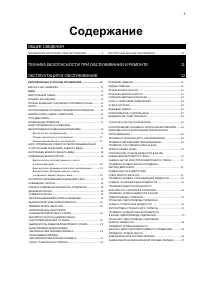 Hyundai Accent
Manual
Hyundai Accent
Manual
 Hyundai DVD/CD/MP3
User Manual
Hyundai DVD/CD/MP3
User Manual
 Hyundai E425D
User Manual
Hyundai E425D
User Manual
 Hyundai Elantra new
User Manual
Hyundai Elantra new
User Manual
 Hyundai H-1513
User Manual
Hyundai H-1513
User Manual
 Hyundai H-CDM8062
User Manual
Hyundai H-CDM8062
User Manual
 Hyundai H-CMD7071
Manual
Hyundai H-CMD7071
Manual