Page 4 - the child restraint with great force and cause serious; Warnings to Parents and Other Users
4 DO NOT PLACE THIS CHILD RESTRAINT IN A VEHICLE SEATING LOCATION THAT HAS A FRONT AIR BAG. If the air bag inflates, it can hit the child restraint with great force and cause serious injury or death of your child. Check vehicle owner’s manual for information about side air bags and child restraint i...
Page 6 - Graco Children’s Products Inc.; Registration Information
6 2.2 For Recall Information 2.1 Register Your Child Restraint Model Number: Date of Manufacture: Purchase Date: Please fill in the above information. The model number and date of manufacture can be found on a label on the bottom of your child restraint. Fill out the prepaid registration postcard at...
Page 7 - STOP; using this child restraint or base and throw it away 7 years after; If You Need Help
7 STOP using this child restraint or base and throw it away 7 years after the date of manufacture.Look for this sticker on rear of child restraint or on the base: In the U.S.A, please contact our Customer Service Department with any questions you may have concerning parts, use, or maintenance. When ...
Page 8 - Warnings for Use as a Child Restraint; Important Information
8 DO NOT INSTALL OR USE THIS CHILD RESTRAINT AND BASE UNTIL YOU READ AND UNDERSTAND THE INSTRUCTIONS IN THIS MANUAL AND IN YOUR VEHICLE OWNER’S MANUAL. DO NOT let others install or use the child restraint unless they understand how to use it. FAILURE TO PROPERLY USE THIS CHILD RESTRAINT AND BASE...
Page 10 - Warnings for Use With a Stroller; USE ONLY WITH STROLLERS THAT ARE; TRAVEL SYSTEM. Refer to stroller owner’s; manual for details about how to attach the child
10 3.2 Warnings for Use With a Stroller USE ONLY WITH STROLLERS THAT ARE PART OF THE GRACO CLICK CONNECT TM TRAVEL SYSTEM. Refer to stroller owner’s manual for details about how to attach the child restraint to your stroller. If you do not have an owner’s manual, please call toll-free, 1-800-345-4...
Page 11 - Additional Warnings for Use as a Carrier
11 FALL HAZARD: Child’s movements also can move carrier. NEVER place carrier on edges of countertops, tables or other high surfaces. Always stay within arms reach whenever carrier is not on floor/ground. BE SURE handle locks into position before lifting carrier. NEVER place carrier on the top of a...
Page 12 - Height and Weight Limits
12 Your child MUST meet the following requirements: WEIGHT: 4-40 lbs. (1.8 kg-18 kg) AND HEIGHT: 35 inches (89 cm) or less in height. TO AVOID SERIOUS INJURY OR DEATH, DO NOT USE THE CHILD RESTRAINT WITH A CHILD LARGER OR SMALLER THAN THE WEIGHT AND HEIGHT RANGE LISTED BELOW. 3.4 Height and Weig...
Page 13 - do not have any seating positions that can be used safely with the; Whenever possible, secure the child; Vehicle Seat Requirements
13 IMPROPER PLACEMENT OF THE CHILD RESTRAINT INCREASES THE RISK OF SERIOUS INJURY OR DEATH. Some seating positions in your vehicle may not be safe for this child restraint. Some vehicles do not have any seating positions that can be used safely with the child restraint. If you are not sure where to ...
Page 14 - Vehicle Seat Belt Requirements
14 The VEHICLE seat must face forward. DO NOT use child restraint on vehicle seats with seat backs that will not lock in an upright position. DO NOT use seats that can fold down without having to release a lock or latch of some kind. These seats can fly forward and strike the child in a sudden s...
Page 15 - Lap Belts with Emergency Locking Retractor (ELR); UNSAFE
15 LATCH can be used IN PLACE OF the vehicle belt system. Please refer to vehicle owner’s manual for LATCH locations.DO NOT use any of the following systems to secure the child restraint. Lap Belts with Emergency Locking Retractor (ELR) This lap belt stays loose and can move until it locks in a cr...
Page 16 - SAFE
16 THE FOLLOWING BELT SYSTEMS CAN BE USED WITH YOUR CHILD RESTRAINT, IF the seat location meets all other requirements of these instructions and those in your vehicle owner’s manual. LATCH can be used in place of the vehicle belt system in designated locations. Please refer to vehicle owner’s manual...
Page 19 - different LATCH locations or
19 Newer vehicles may have one or more seating positions with LATCH anchorage systems. If vehicle is equipped with LATCH, the vehicle lower anchor points may be visible at the vehicle seat crease. If not visible, they may be marked with the symbol . See your vehicle owner’s manual for exact location...
Page 20 - FRONT VIEW; Features and Components
20 FRONT VIEW Handle Vehicle belt hook Handle adjustment button Harness buckle tongues Chest clip Harness buckle Harness adjustment button Harness adjustment strap Harness straps Handle adjustment button Hip slots Head support 5.0 Features and Components Crotch strap slots
Page 21 - REAR VIEW
21 Release handle Locking clip storage* *Locking Clip The locking clip is stored on the bottom of the child restraint. You will need to use it with certain types of vehicle lap/shoulder seat belts. REAR VIEW Harness adjustment strap Canopy Head support height adjustment Crotch strap clip Click Conne...
Page 22 - BASE; The level indicator is attached to the side of
22 LATCH Connector * LATCH Storage Lock-off United States Federal Motor Vehicle Safety Standards have defined a system for installing car seats in vehicles. The system is called LATCH. * LATCH may be used IN PLACE of vehicle belt ONLY if vehicle is equipped with LATCH anchor points. Please refer to ...
Page 23 - Removing and Attaching Child Restraint
23 To remove, squeeze release handle at back of child restraint and lift out of base as shown . To put child restraint in base, push child restraint down until it clicks into base. Pull up on child restraint to be sure it is latched firmly into base. 1. Press handle adjustment buttons on both si...
Page 24 - Canopy Attachment
24 To prevent ejection in sudden stop or crash:Make sure that harness covers do not interfere with placement of the chest clip at armpit level. 5.3 Harness Covers (on certain models) 5.4 Canopy Attachment Attach canopy by inserting canopy bow into slots in canopy mounts on both sides of child ...
Page 26 - How to Install the Child Restraint/Base
26 6.1 Installing the Child Restraint Without Base Using Vehicle Belt 6.0 How to Install the Child Restraint/Base You must carefully follow the instructions provided by your vehicle manufacturer, in addition to the information in this manual. Before proceeding be sure you have read and understood se...
Page 27 - Lap Belt
27 1. Place the child restraint without base in a rear-facing position in a vehicle seat. 2. Thread the lap belt or lap portion of a lap/shoulder belt under both vehicle belt hooks: 3. Buckle the vehicle belt. 4. Tighten the vehicle seat belt. To create a secure installation, push down hard with you...
Page 30 - Using LATCH to Install Base
30 1. MAKE SURE vehicle is on level ground. Make sure to check your vehicle owner's manual for LATCH seating positions.2. To access LATCH, open door on rear of base and remove LATCH belts . Close door. 3. For ease of installation, press button to extend LATCH to its MAXIMUM LENGTH . 4. Position ...
Page 32 - USING CHILD RESTRAINT ONLY:
32 Failure to properly recline the child restraint on the vehicle seat increases the risk of serious injury or death.If the child restraint is too upright, a child’s head may drop forward and cause breathing problems.If the child restraint is too reclined, a crash could put too much force on a child...
Page 33 - RED
33 USING CHILD RESTRAINT AND BASE TOGETHER: 1) Vehicle MUST be level with ground to get correct recline position.2) Use level indicator on base. When reading the level indicator on base, view it directly from side of the indicator.Check the level indicator. You must look straight on at the indicator...
Page 35 - Using Child Restraint; Positioning Harness Straps
35 1. Remove child restraint from base and rotate handle down to sitting position. See “5.1 Adjusting Handle” and “5.2 Removing and Attaching Child Restraint”, page. 23. 2. Place child in seat as shown . 3. Determine which head support position places the harness straps so they are at or below you...
Page 36 - If the head support position must be; and squeeze the red head support; REAR OF SEAT
36 4. If the head support position must be adjusted: remove child from child restraint and adjust head support by doing the following: A. Press button on front of child restraint and pull the harness to loosen . B. Reach back to head support height adjustment handle and squeeze the red head supp...
Page 37 - Changing the Crotch Strap Position
37 FOR SMALLER BABIES:Turn child restraint over and push crotch strap clip through the front crotch slot and seat pad. Re-insert clip through the front of seat pad into the rear crotch slot and seat as shown. Crotch strap clip should remain flat against seat.FOR LOW BIRTH WEIGHT INFANTS (MINIMUM W...
Page 38 - Move child restraint handle to sitting; Securing Child in the Child Restraint
38 Failure to properly secure your child in the child restraint/carrier increases the risk of serious injury or death from suffocation or falls, or in the event of a sudden stop or crash. Even when used only as a carrier, make sure the harness straps are properly secured. 1. Move child restraint han...
Page 39 - harness buckle on the crotch strap. Make
39 4. Place your child in the infant restraint as shown in , not . Place the harness straps around your child. 5. Insert the two buckle tongues into the harness buckle on the crotch strap. Make sure that you hear each tongue click into the buckle . DO NOT use the infant restraint if the buckle...
Page 40 - CHECK that harness straps are not
40 7. Snap chest clip pieces together . 8. Pull on harness adjustment strap to tighten straps as shown . CHECK that both straps are flat and snug on shoulders and thighs. 9. 3RVLWLRQFKHVWFOLSLQPLGGOHRIFKHVWOHYHOZLWKDUPSLWVDQGDZD\IURPWKHQHFN . 10. SAFETY CHECK: a) CHECK that harness straps are ...
Page 42 - Additional Information; LATCH to its maximum length
42 When installing in an airplane using the base, install the same way as in an automobile with a lap only belt leaving the lock-off unlatched to allow for buckle clearance. If using the shell only installation, follow the same instructions as in an automobile. Notify the airline ahead of time that ...
Page 43 - TO CLEAN HEAD SUPPORT PAD:; Cleaning and Maintenance
43 TO CLEAN HEAD SUPPORT PAD: 1. Unfasten snaps on both sides of head support pad. 2. Pull out from around harness straps and pull pad away from head support . Refer to your care tag on your seat pad for washing instructions. NO BLEACH. TO CLEAN SEAT PAD: 1. Unfasten hook and loop patches and plas...
Page 44 - IF; or thin blanket to protect upholstery.
44 CHILD RESTRAINT METAL AND PLASTIC PARTS may be cleaned by wiping with a mild soap and water solution. DO NOT USE BLEACH OR DETERGENT which may weaken plastic parts. HARNESS STRAPS may be spot cleaned or replaced. DO NOT IMMERSE THE HARNESS STRAPS IN WATER. Doing so may weaken the harness straps. ...
Page 45 - Buckle Cleaning Process; Prevent serious injury or death:
45 1. Turn restraint over, push clip through crotch strap slot . 2. To clean buckle - place in a cup of warm water and gently agitate the buckle, press the red button several times while in the water . DO NOT SUBMERGE THE HARNESS WEBBING. DO NOT USE SOAPS or LUBRICANTS. DO NOT use household dete...
Page 46 - Notes
Page 48 - please contact us at the following:; or; Replacement Parts
48 To purchase parts or accessories or for warranty information in the United States, please contact us at the following: www.gracobaby.com or 1-800-345-4109 9.0 Replacement Parts
Page 49 - US
Page 52 - Advertencias a padres y otros usuarios
4 NO PONGA ESTE SISTEMA DE SEGURIDAD PARA NIÑOS EN UN LUGAR DEL ASIENTO DEL VEHÍCULO EQUIPADO CON UNA BOLSA DE AIRE DELANTERA. Si la bolsa de aire se infla, puede golpear al sistema de seguridad para niños con mucha fuerza y causar lesiones serias o la muerte a su niño. Consulte el manual del dueño ...
Page 54 - Registro de su sistema de seguridad para niños; Fecha de fabricación:; Información sobre el registro
6 2.2 Para obtener información sobre el retiro de productos del mercado 2.1 Registro de su sistema de seguridad para niños Número de modelo: Fecha de fabricación: Fecha de compra: Por favor, complete la información que se solicita más arriba. El número de modelo y la fecha de fabricación se pueden e...
Page 56 - Advertencias sobre el uso como sistema de seguridad para niños; Información importante
8 NO INSTALE O USE ESTE SISTEMA DE SEGURIDAD PARA NIÑOS Y BASE HASTA QUE HAYA LEÍDO Y ENTENDIDO LAS INSTRUCCIONES EN ESTE MANUAL Y EN EL MANUAL DEL DUEÑO DE SU VEHÍCULO. NO deje que otros instalen o usen el sistema de seguridad para niños a menos que entiendan cómo usarlo. NO USAR DEBIDAMENTE ES...
Page 57 - LOS NIÑOS ESTÁN MÁS
9 6HJ~QODVHVWDGtVWLFDVGHDFFLGHQWHV LOS NIÑOS ESTÁN MÁS SEGUROS CUANDO ESTÁN DEBIDAMENTE SUJETADOS A LOS ASIENTOS TRASEROS DEL VEHÍCULO EN LUGAR DE LOS ASIENTOS DELANTEROS. En el caso de un vehículo con una bolsa de aire para el pasajero delantero, consulte el manual del dueño de su vehículo así co...
Page 58 - Advertencias para el uso con un cochecito
10 3.2 Advertencias para el uso con un cochecito USAR SOLAMENTE CON COCHECITOS QUE SON PARTE DEL SISTEMA DE VIAJES CLICK CONNECT™ DE GRACO. Consulte el manual del dueño del cochecito para obtener más información sobre cómo efectuar la conexión del sistema de seguridad para niños a su cochecito. Si...
Page 59 - Advertencias adicionales para el uso como transportador
11 PELIGRO DE CAÍDA: Los movimientos del niño también pueden mover el transportador. NUNCA ponga el transportador en los bordes de mesadas, mesas u otras superficies altas. Manténgase siempre cerca cuando el transportador no esté en el piso/tierra. Antes de levantar el transportador, ASEGÚRESE que...
Page 60 - Su niño DEBE cumplir los siguientes requisitos:; Limitaciones de peso y altura
12 Su niño DEBE cumplir los siguientes requisitos: PESO: de 1,8 kg a 18 kg (4 a 40 libras) Y ALTURA: 89 cm (35 pulgadas) o menos de altura. PARA EVITAR SERIAS LESIONES O LA MUERTE NO USE EL SISTEMA DE SEGURIDAD PARA NIÑOS CON UN NIÑO MÁS GRANDE O MÁS ALTO QUE LA ALTURA Y PESO QUE SE LISTAN A CON...
Page 61 - no ser seguras para este sistema de seguridad para niños. Algunos; Cómo elegir un lugar apropiado en; Requisitos del asiento del vehículo
13 LA COLOCACIÓN INADECUADA DEL SISTEMA DE SEGURIDAD PARA NIÑOS AUMENTA EL RIESGO DE SUFRIR LESIONES SERIAS O LA MUERTE. Algunas posiciones del asiento en su vehículo podrían no ser seguras para este sistema de seguridad para niños. Algunos vehículos no tienen posiciones del asiento que puedan usars...
Page 62 - El asiento del VEHÍCULO debe estar orientado hacia adelante.; Requisitos del cinturón de seguridad del vehículo
14 El asiento del VEHÍCULO debe estar orientado hacia adelante. NO use el sistema de seguridad para niños en asientos del vehículo con respaldos que no traben en la posición vertical. NO use asientos que se puedan plegar sin tener que liberar una traba o dispositivo de algún tipo. Estos asientos...
Page 64 - SEGUROS
16 LOS SIGUIENTES SISTEMAS DE CINTURONES PUEDEN USARSE CON SU SISTEMA DE SEGURIDAD PARA NIÑOS, SI la ubicación del asiento cumple todos los otros requisitos de estas instrucciones y las del manual del dueño del vehículo. El LATCH puede usarse en lugar del sistema de cinturones del vehículo en los lu...
Page 66 - &RPELQDFLyQFLQWXUyQSDUDOD
18 Para instalar la traba de seguridad: (NO lo use con la base) 1. Ajuste el cinturón trabado empujando con fuerza el sistema de seguridad para niños hacia abajo y tirando con fuerza el cinturón para el hombro. 2. Mientras empuja el sistema de seguridad para niños hacia abajo, apriete las dos correa...
Page 67 - sistema LATCH o marcas diferentes.; Ubicación del LATCH
19 Los vehículos nuevos tienen uno o varios asientos equipados con sistemas de anclaje LATCH. Si el vehículo viene equipado con el sistema LATCH, se podrían ver los puntos de anclaje inferiores en el pliegue del asiento del vehículo. Si no están visibles, pueden estar marcados con el símbolo . Vea e...
Page 68 - VISTA DELANTERA; Funciones y componentes
20 VISTA DELANTERA Manija Gancho del cinturón del vehículo Botón de ajuste de la manija Presilla para el pecho Hebilla del arnés Botón de ajuste del arnés Correa de ajuste del arnés Correas del arnés Botón de ajuste de la manija Ranuras de la cadera Soporte de la cabeza 5.0 Funciones y componentes R...
Page 69 - VISTA TRASERA
21 Manija de liberación Almacenamiento de la traba de seguridad* *Traba de seguridad La traba de seguridad se guarda en la parte de abajo del sistema de seguridad para niños. Necesitará usarla con algunos tipos de cinturones para la falda/hombro del vehículo. VISTA TRASERA Correa de ajuste del arnés...
Page 70 - LATCH
22 Conexiones del LATCH * Almacenamiento del sistema LATCH Traba del cinturón Las Normas Federales para Seguridad de Automóviles de Estados Unidos han definido un sistema para la instalación de asientos de seguridad en los vehículos. El sistema se denomina LATCH. * LATCH debe usarse SOLAMENTE EN LUG...
Page 71 - Ajuste de la manija
23 Para sacarlo, apriete la manija de liberación en la parte trasera del sistema de seguridad para niños y levántelo de la base como se indica . Para poner el sistema de seguridad para niños en la base, empuje el sistema de seguridad para niños hacia abajo hasta que se trabe en la base. Tire hacia...
Page 72 - Instalación de la capota
24 Para prevenir la eyección en un accidente o parada repentina: Asegúrese de que las fundas del arnés no interfieran con la colocación de la presilla para el pecho a la altura de las axilas. 5.3 Fundas del arnés (en ciertos modelos) 5.4 Instalación de la capota Instale la capota colocando el ar...
Page 73 - Almohadón para la cabeza y soporte del cuerpo
25 Algunos bebés necesitan apoyo adicional para mantener la cabeza y el cuerpo en una posición cómoda. Inserte la correa elástica en la parte de atrás del almohadón para la cabeza a través de las guías de las correas del arnés en la almohadilla del soporte de la cabeza y sujétela al gancho . Pase ...
Page 74 - Cómo instalar el Sistema de seguridad para niños/base; . El cinturón del vehículo no
26 6.1 Instalación del sistema de seguridad para niños sin la base usando el cinturón del vehículo 6.0 Cómo instalar el Sistema de seguridad para niños/base Debe seguir detenidamente las instrucciones provistas por el fabricante de su vehículo, además de la información de este manual. Antes de segui...
Page 76 - Instalación del sistema de seguridad para niños
28 1. Asegúrese de que el vehículo esté sobre piso nivelado para poder obtener la posición correcta de reclinación. 2. Coloque la base orientada hacia atrás en un asiento del vehículo orientado hacia adelante. 3. Oprima los botones de ajuste de la reclinación y deslícelo a la posición 1 para permi...
Page 78 - Utilización del LATCH para instalar la base
30 1. ASEGÚRESE de que el vehículo esté en un piso nivelado. Asegúrese de verificar el manual del dueño de su vehículo para obtener las posiciones del asiento con LATCH. 2. Para lograr el acceso al LATCH, abra la puerta de la parte trasera de la base y saque los cinturones LATCH . Cierre la puerta...
Page 80 - Reclinación del Sistema de seguridad para niños/base
32 No reclinar debidamente el sistema de seguridad para niños en el asiento del vehículo aumenta el riesgo de lesiones serias o la muerte.Si el sistema de seguridad para niños está demasiado vertical, la cabeza del niño podría caer hacia adelante y causar problemas a la respiración.Si el sistema de ...
Page 81 - ) El vehículo DEBE estar nivelado con; ROJO
33 USAR JUNTOS LA BASE Y EL SISTEMA DE SEGURIDAD PARA NIÑOS: 1) El vehículo DEBE estar nivelado con el piso para obtener la posición correcta de reclinación. 2) Use el indicador del nivel en la base. Cuando lee el indicador del nivel en la base, véalo directamente desde el costado del indicador. Ver...
Page 82 - Cuando solamente usa el sistema de seguridad
34 Para usar el apoyapié, levántelo como se indica . Para guardar el apoyapié, empújelo hacia abajo como se indica . 6.5 Para usar el apoyapié Para ajustar la inclinación sobre la base: Oprima hacia abajo los botones de ajuste de reclinación de arriba de la manija de reclinación y deslice ...
Page 83 - NO AJUSTAR DEBIDAMENTE LAS CORREAS DEL ARNÉS DEL NIÑO; Uso del sistema de seguridad para niños; Colocación de las correas del arnés
35 1. Saque el sistema de seguridad para niños de la base y gire la manija hacia abajo hasta la posición de sentado. Ver “5.1 Cómo ajustar la manija” y “5.2 Cómo sacar y sujetar el sistema de seguridad para niños”, página 23. 2. Ponga al niño en el asiento como se indica . 3. Determine qué posició...
Page 85 - NACER (EL PESO MÍNIMO ES; Cambiar la posición de la correa de la entrepierna
37 PARA BEBÉS MÁS PEQUEÑOS:De vuelta el sistema de seguridad para niños y pase la correa de la entrepierna por la ranura delantera de la entrepierna y la almohadilla del asiento. Vuelva a pasar la presilla a través del frente de la almohadilla del asiento hacia la ranura trasera de la entrepierna ...
Page 86 - estén debidamente ajustadas.; Asegurar al niño en el sistema de seguridad
38 No ajustar debidamente a su niño en el sistema de seguridad para niños/ transportador aumenta el riesgo de lesiones serias o la muerte por asfixia o caídas, o en caso de una parada repentina o accidente. Inclusive cuando lo usa solamente como transportador, asegúrese que las correas del arnés est...
Page 88 - VERIFIQUE que las correas del arnés
40 7. Trabe las partes de la traba del pecho juntas . 8. Tire de la correa de ajuste del arnés para ajustar las correas como se indica . ASEGÚRESE que ambas correas estén planas y ajustadas sobre los hombros y los muslos. 9. Coloque la traba del pecho en el medio del pecho, a nivel con la axila ...
Page 90 - Información adicional; Almacenamiento del LATCH
42 1. Para facilitar el almacenamiento, extienda el LATCH hasta su máxima longitud . 2. Busque la puerta del compartimiento de almacenamiento al frente del sistema de seguridad para niños/base . 3. Ponga el LATCH en el compartimiento de almacenamiento y cierre la puerta. 4. El almacenamiento del...
Page 91 - PARA LIMPIAR LA ALMOHADILLA; Limpieza y mantenimiento
43 PARA LIMPIAR LA ALMOHADILLA DEL SOPORTE DE LA CABEZA: 1. Desabroche los botones en ambos costados de la almohadilla del soporte de la cabeza. 2. Tire de las correas del arnés y separe la almohadilla del soporte de la cabeza . Consulte la etiqueta de cuidado de la almohadilla del asiento para ob...
Page 93 - Proceso de limpieza de la hebilla; desechos que podrían impedir que se trabe.
45 1. De vuelta el sistema de seguridad, pase la presilla por la ranura de la correa de la entrepierna . 2. Para limpiar la hebilla, póngala en una taza de agua tibia y agite suavemente la hebilla, oprima el botón rojo varias veces mientras esté sumergida en el agua . NO SUMERJA LAS CORREAS DEL ...
Page 94 - Notas
Page 96 - la garantía en los Estados Unidos,; Piezas de repuesto
48 Para comprar piezas o accesorios o para obtener información sobre la garantía en los Estados Unidos, por favor comuníquese con nosotros en: www.gracobaby.com o 1-800-345-4109 9.0 Piezas de repuesto


 Graco 04511 10F
Manual
Graco 04511 10F
Manual
 Graco 04586 2115
Manual
Graco 04586 2115
Manual
 Graco 9AU100
User Manual
Graco 9AU100
User Manual
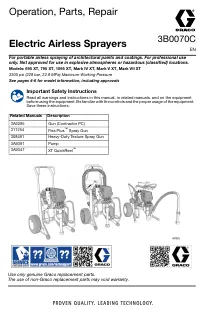 Graco 19F547
User Manual
Graco 19F547
User Manual
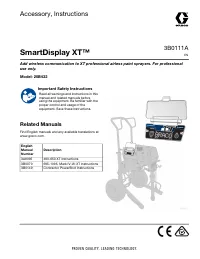 Graco 20B432
User Manual
Graco 20B432
User Manual
 Graco 1AV
User Manual
Graco 1AV
User Manual
 Graco 04530 371
Manual
Graco 04530 371
Manual
 Graco 04586 711
Manual
Graco 04586 711
Manual
 Graco 00524 2101
Manual
Graco 00524 2101
Manual
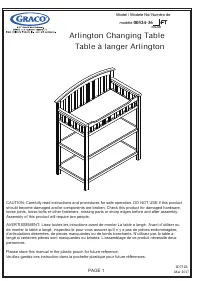 Graco 00524 369
User Manual
Graco 00524 369
User Manual
 Graco 03310 001
Manual
Graco 03310 001
Manual
 Graco 03706 101
Manual
Graco 03706 101
Manual
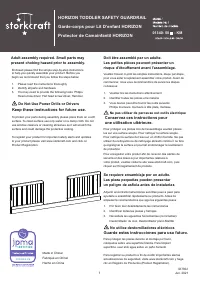 Graco 01340 501
Manual
Graco 01340 501
Manual
 Graco 03706 201
Manual
Graco 03706 201
Manual
 Graco 06710 410
Manual
Graco 06710 410
Manual
 Graco 04522 401
Manual
Graco 04522 401
Manual
 Graco 04521 33F
Manual
Graco 04521 33F
Manual