Page 4 - AWARNING
AWARNING No infant restraint can guarantee protection from injury in every situation. However, proper use of this infant restraint reduces the risk of serious injury or death to your chiid. Faiiure to properiy use this infant restraint increases the risk of serious injury or death in a sharp turn, s...
Page 6 - Register Your Infant Restraint; model number and; For Recall Information
Model Number: Manufactured In: Purchase Date: 2.1 Register Your Infant Restraint Please fill in the above information. The model number and manufactured in (date) can be found on a label on the underside of your infant restraint. Fill out the prepaid registration postcard attached to the seat cover ...
Page 7 - If You Need Help
2.3 If You Need Help In the U.S.A, please contact our Customer Service Department with any questions you may have concerning parts, use, or maintenance. When you contact us, please have your product’s model number and manufactured in (date) ready so that we may help you efficiently. These numbers ca...
Page 8 - Warnings for Use as Infant Restraint
13.1 Warnings for Use as Infant Restraint AWARNING DO NOT INSTALL OR USE THIS INFANT RESTRAINT AND BASE UNTIL YOU READ AND UNDERSTAND THE INSTRUCTIONS IN THIS MANUAL AND IN YOUR VEHICLE OWNER’S MANUAL. DO NOT let others install or use the infant restraint unless they understand how to use it. FAILUR...
Page 10 - Warning for Use With a Stroiier
DO NOT MODIFYYOUR INFANT RESTRAINT AND BASE or use any accessories or parts supplied by other manufacturers. NEVER USE INFANT RESTRAINT AND BASE IF IT HAS DAMAGED OR MISSING PARTS. DO NOT use a cut, frayed or damaged infant restraint harness, vehicle seat belt or LATCH belt. THE INFANT RESTRAINT CAN...
Page 11 - Additional Warnings for Use as Carrier
3.3 Additional Warnings for Use as Carrier AWARNING FALL HAZARD: Child’s movements can slide carrier. NEVER place carrier near edges of countertops, tables or other high surfaces. Always stay within arms reach whenever carrier is not on floor/ground. BE SURE handle locks into position before lifting...
Page 12 - Height and Weight Limits; TO AVOID SERIOUS INJURY OR DEATH DO NOT USE THE; AND
3.4 Height and Weight Limits TO AVOID SERIOUS INJURY OR DEATH DO NOT USE THE INFANT RESTRAINT WITH A CHILD LARGER OR SMALLER THAN THE WEIGHT AND HEIGHT RANGE LISTED BELOW. Your child MUST meet the following requirements: • WEIGHT: 4-30 lbs. (1.8-13.6 kg) AND • HEIGHT: 30 inches (76.2 cm) or less in ...
Page 13 - FRONT VIEW
FRONT VIEW Harness slots Handle Harness clip Waist slots Harness Strap Crotch' slots Handle adjustment button Harness buckle tongues Vehicle belt hook Harness buckle Harness adjustment strap Harness adjustment button 13
Page 14 - REAR VIEW; Clip
REAR VIEW *Locking Clip The locking clip is stored on the bottom of the infant restraint. You will need to use it with certain types of vehicle seat belts. 14
Page 16 - Removing and Attaching Infant Restraint
1. Press handle adjustment buttons on both sides of handle O 2. Rotate handle until it clicks into any of the 5 positions: Position A: MUST be used when carrying by handle, Position B,C, D: are convenience positions, Position E: is the sitting position, NEVER use position B or C in the vehicle. BOT...
Page 20 - Positioning Harness Straps
5.1 Positioning Harness Straps AWARNING FAILURE TO PROPERLY ADJUST THE HARNESS STRAPS FOR YOUR CHILD INCREASES THE RISK OF SERIOUS INJURY OR DEATH IN THE EVENT OF A SHARP TURN, SUDDEN STOP OR CRASH. The harness straps must be properly adjusted to fit your child according to the following instruction...
Page 23 - ir
The length of the waist strap can be shortened further by pushing aside the small tab that holds the anchor clips in place and pull the anchor clips out of their indentations © . Move the anchor clip to the second or third loop in the strap © depending on the child's size. CHECK that anchor clips ar...
Page 24 - Strap Buckle Position:; FOR LOW BIRTH WEIGHT INFANTS
5.2 To Adjust Crotch Strap Buckle Position: FOR LOW BIRTH WEIGHT INFANTS (MINIMUM WEIGHT IS 4 LB.): • Turn infant restraint over and remove anchor ciip by pushing ciip through the forward crotch siot O and seat pad and reinserting through the front of seat pad into the rear crotch siot ©. Foiiow pag...
Page 25 - Securing Child in Infant Restraint; Make sure that you hear each tongue click into the buckle.
5.3 Securing Child in Infant Restraint AWARNING Failure to properly secure your child in the infant restraint/carrier increases the risk of serious injury or death from suffocation or falls, or in the event of a sudden stop or crash. Even when used only as a carrier, make sure the harness straps are...
Page 27 - Vehicle Seat Requirements
6.1 Vehicle Seat Requirements AWARNING IMPROPER PLACEMENT OF THE INFANT RESTRAINT INCREASES THE RISK OF SERIOUS INJURY OR DEATH. Some seating positions in your vehicie may not be safe for this infant restraint. Some vehicies do not have any seating positions that can be used safeiy with the infant ...
Page 28 - Vehicle Seat Belt Requirements
The VEHICLE seat must face forward. DO NOT use infant restraint on vehicle seats with seat backs that will not lock in an upright position. DO NOT use seats that can told down without having to reiease a iock or iatch of some kind. These seats can fiy forward and strike the chiid in a sudden stop or...
Page 32 - To Install Locking Clip with Infant
To Install Locking Clip with Infant Restraint: 1. Tighten the buckled belt by pushing down hard on the infant restraint and pulling hard on the shoulder belt. 2. While pushing down on infant restraint, pinch the two straps together behind the buckle tongue. Unbuckle the belt without allowing it to s...
Page 34 - I o; O. The seat belt should not; Installing the Infant Restraint Without Base
I o You must carefully follow the Instructions provided by your vehicle manufacturer, In addition to the Information In this manual. Before proceeding be sure you have read and understood section 6, “Choosing an Appropriate Vehicie Seat Location” on pages 27-32. Refer to your vehicle owner’s manual ...
Page 35 - Installing the Infant Restraint
4. Tighten the vehicle seat belt. To create a secure installation, push down hard with your free hand on the infant restraint © and pull and tighten the vehicle belt. 5. Check carseat is level: Red level line on the warning label MUST be level with the ground ©. 6. Test infant restraint for secure i...
Page 39 - USING INFANT SEAT AND BASE TOGETHER:
7.4 Reclining Infant Restraint/Base AWARNING Failure to properly recline the infant restraint on the vehicle seat increases the risk of serious injury or death. If the infant restraint is too upright, a child’s head may drop forward and cause breathing problems. If the infant restraint is too reclin...
Page 41 - Final Safety Check: Every time you drive with; LATCH
Final Safety Check: Every time you drive with your child, PUSH DOWN on the top of the infant restraint siowiy but firmiy to make sure the vehicie beit does not iengthen at aii and that the vehicie beit or LATCH is fastened secureiy around the infant restraint/base O- Hoiding the infant restraint © o...
Page 43 - Cleaning and Maintenance; TO REMOVE
8.3 Cleaning and Maintenance TO REMOVE and wash infant restraint pad, foiiow instructions in “5.1 Positioning Harness Straps”, pages 20-23 to remove the harness straps from the metai junction piate. Push aside the smaii tab that hoids the anchor ciips in piace O and puii the anchor ciips out of thei...
Page 44 - or
• INFANT RESTRAINT METAL AND PLASTIC PARTS may be cleaned by wiping with a mild soap and water solution. DO NOT USE BLEACH OR DETERGENT which may weaken plastic parts. • HARNESS STRAPS may be spot cleaned or replaced. DO NOT IMMERSE THE HARNESS STRAPS IN WATER. NEVER iron the harness straps, doing s...
Page 45 - graco; US
graco : www.gracobaby. com SnugRide^ 30 ^0^ 0st0 ^snusl GUARDE ESTAS INSTRUCCIONES PARA USO FUTURO. A pesar de que el uso de este sistema de seguridad para bebés parezca fácil de descifrar, es muy importante LEER, ENTENDER Y SEGUIR EL MANUAL DEL DUEÑO. No usar debidamente este sistema de seguridad p...
Page 47 - Cómo elegir un lugar apropiado para el asiento
6.0 Cómo elegir un lugar apropiado para el asiento del vehículo................................................................................ 27-33 6.1 Requisitos dei asiento dei vehícuio........................................ 27 6.2 Requisitos dei cinturón de seguridad dei vehícuio.................
Page 48 - AADVEFiTENCIA
AADVEFiTENCIA Ningún sistema de seguridad para bebés puede garantizar ia protección contra ias iesiones en todas ias situaciones. Sin embargo, ei uso apropiado de este sistema de seguridad para bebés reduce ei riesgo de iesiones serias o ia muerte a su niño. No usar debidamente este sistema de segur...
Page 50 - Registro de su sistema de seguridad para bebés; número de modelo y la fecha de fabricación; Para obtener información sobre ei retiro de
Número de modelo: Fabricado en: Fecha de compra: 2.1 Registro de su sistema de seguridad para bebés Por favor, complete la Información que se solicita más arriba. El número de modelo y la fecha de fabricación se pueden encontrar en una etiqueta ubicada en la parte Inferior de su sistema de seguridad...
Page 51 - Si necesita ayuda; el número de modelo y la fecha de
2.3 Si necesita ayuda En los EE.UU., por favor, comuniqúese con nuestro Departamento de Servicio al Cliente con cualquier pregunta que pudiera tener sobre piezas, uso o mantenimiento. Cuando se ponga en contacto con nosotros, por favor tenga listo el número de modelo y la fecha de fabricación para q...
Page 52 - A ADVERTENCIA
|3.1 Advertencias para el uso como sistema de seguridad para bebés A ADVERTENCIA NO INSTALE 0 USE ESTE SISTEMA DE SEGURIDAD PARA BEBÉSY BASE HASTA QUE HAYA LEÍDOY ENTENDIDO LAS INSTRUCCIONES EN ESTE MANUAL Y EN EL MANUAL DEL DUEÑO DE SU VEHÍCULO. NO deje que otros instalen o usen el sistema de segur...
Page 54 - Advertencias para el uso con un cochecito
NO MODIFIQUE SU SISTEMA DE SEGURIDAD PARA BEBESY LA BASE ni use ningún accesorio o repuesto provisto por otro fabricante. NUNCA USE EL SISTEMA DE SEGURIDAD PARA BEBÉS Y LA BASE SI HAN RESULTADO DAÑADOS O LE FALTAN PIEZAS. NO use un arnés de sistema de seguridad para bebés, cinturón dei asiento dei v...
Page 56 - Limitaciones de peso y aitura; PARA EVITAR SERIAS LESIONES O LA MUERTE NO USE EL; SEGURIDAD
3.4 Limitaciones de peso y aitura A ADVERTENCIA PARA EVITAR SERIAS LESIONES O LA MUERTE NO USE EL SISTEMA DE SEGURIDAD PARA BEBÉS CON UN NIÑO MÁS GRANDE O MÁS ALTO QUE LA ALTURAY PESO QUE SE LISTAN A CONTINUACIÓN. Su niño DEBE cumplir los siguientes requisitos: • PESO: 4 a 30 libras (1.8-13.6 kg) Y ...
Page 57 - VISTA DELANTERA
VISTA DELANTERA Ranuras para el arnés Manija Traba del arnés Ranuras de la cintura Ranuras de la entrepierna Correa de ajuste del arnés Correa del arnés Botón de ajuste de la manija Lenguas de la hebilla del arnés Gancho del cinturón del vehículo Hebilla del arnés Botón de ajuste del arnés 13
Page 58 - VISTA TRASERA; “Traba de
Capota VISTA TRASERA Manija de liberación Almacenamiento del arnés para un niño más pequeño Placa de unión de metal Ranuras para el arnés Presilla de anclaje de la hebilla de la entrepierna Presilla de anclaje Correa de ajuste del arnés Almacenamiento de la traba de seguridad** “Traba de seguridad L...
Page 59 - BASE; Almanenamientn del; El LATCH debe usarse SOLAMENTE EN LUGAR del cinturón del
BASE Conexión del LATCH Almanenamientn del Barras de almacenamiento del LATCH (abajo) Indicador del nivel Correa de ajuste del LATCH Manija del pie ajustable Cinturón del vehículo/paso del LATCH Pie ajustable Las Normas Federales para Seguridad de Automóviles de Estados Unidos han determinado un nue...
Page 60 - Ajuste de la manija
Transporte A B 1. Apriete los botones de ajuste de la manija en ambos costados de la manija O 2. Gire la manija hasta que se trabe en una de las 5 posiciones: Posición A: DEBE usarse cuando lo transporta de la manija, Posición B, C, D: son posiciones de conveniencia, Posición E: se encuentra en la ...
Page 61 - Colocación de la capota
1. El sistema de seguridad para bebés viene con cuatro (dos en ciertos modelos) piezas idénticas de soporte de la capota. Pase un soporte de la capota completamente a través del túnel cosido O. 4.3 Colocación de la capota 2. Deslice el extremo recto del segundo soporte en el extremo recto del primer...
Page 62 - ASEGÚRESE
4.4 Apoyacabezas (en ciertos modelos, los estilos varían) A ADVERTENCIA Para prevenir la eyección en un accidente o parada repentina: las correas de los hombros deben pasar a través de las ranuras y estar debidamente colocadas en los hombros. Solamente use el apoyacabezas con los 2 juegos de ranuras...
Page 63 - AADVERTENCIA
4.5 Bota para tiempo trío (en ciertos modeios, ios estiios varían) Algunos modelos vienen con una bota para tiempo frío. Para usarla, ponga el elástico alrededor del fondo del asiento y coloque los dos nudos elásticos alrededor de los ganchos del cinturón del vehículo como se Indica O- 4.6 Fundas de...
Page 64 - Colocación de las correas del arnés
5.1 Colocación de las correas del arnés A ADVERTENCIA N0 AJUSTAR DEBIDAMENTE LAS CORREAS DEL ARNES DEL NIÑO AUMENTA EL RIESGO DE SUFRIR LESIONES SERIAS O LA MUERTE EN CASO DE UNA CURVA CERRADA, PARADA REPENTINA O ACCIDENTE. Las correas del arnés deben estar debidamente ajustadas según el calce de su...
Page 66 - Correas para los hombros para un; Correas para los hombros; VERIFIQUE
Use los 2 juegos de ranuras inferiores del arnés O (si están parejas o apenas debajo de los hombros de su niño) y los nudos superiores de la correa ©. Los extremos de las correas deben quedar al frente de la placa de unión de metal como se indica en ©, no como se indica en ©. Correas para los hombro...
Page 67 - Cómo acortar las correas para la cintura para
La longitud de la correa para la cintura se puede acortar más apartando la pequeña lengüeta que mantiene las presillas de anclaje en su lugar y tirando de las presillas hacia afuera de sus hendiduras ©. Mueva la presilla de anclaje al segundo o tercer nudo de la correa © según el tamaño de su niño. ...
Page 69 - Sujetar el niño en el sistema de seguridad; no en
5.3 Sujetar el niño en el sistema de seguridad A ADVERTENCIA No ajustar debidamente a su niño en ei sistema de seguridad para bebés/transportador aumenta ei riesgo de iesiones serias o ia muerte por asfixia, o caídas o en caso de una parada repentina o accidente, inciusive cuando io usa soiamente co...
Page 71 - Requisitos dei asiento dei vehícuio; IQ
6.1 Requisitos dei asiento dei vehícuio A ADVERTENCIA LA COLOCACIÓN INADECUADA DEL SISTEMA DE SEGURIDAD PARA BEBÉS AUMENTA EL RIESGO DE SUFRIR LESIONES SERIAS O LA MUERTE. Algunas posiciones de asiento en su vehículo podrían no ser seguras para este sistema de seguridad para bebés. Algunos vehículos...
Page 72 - Requisitos dei cinturón de seguridad dei vehícuio
• El asiento del VEHICULO debe estar orientado hacia adelante. N0 use el sistema de seguridad para bebés en asientos del vehículo con respaldos que no traben en la posición vertical. N0 use asientos que se puedan plegar sin tener que liberar una traba o dispositivo de algún tipo. Estos asientos pued...
Page 73 - Sistemas PELIGROSOS de cinturones de vehículos
6.2.1 Sistemas PELIGROSOS de cinturones de vehículos El LATCH puede usarse EN LUGAR DEL sistema de cinturones del vehículo. Por favor, consulte el manual del dueño del vehículo para identificar las ubicaciones del LATCH. NO USE ninguno de los siguientes sistemas para sujetar el sistema de seguridad ...
Page 74 - Sistemas SEGUROS de cinturones de vehícuios
LOS SIGUIENTES CINTURONES DE SEGURIDAD PUEDEN USARSE CON SU SISTEMA DE SEGURIDAD PARA BEBÉS, SI el asiento cumple con todos los otros requisitos de estas instrucciones y los que se incluyen en su manual del dueño del vehículo. El LATCH puede usarse en lugar del sistema de cinturones del vehículo. Po...
Page 77 - Ubicaciones dei LATCH; Vea su manual del dueño del vehículo para informarse sobre las
6.3 Ubicaciones dei LATCH Los vehículos nuevos tienen uno o varios asientos equipados con sistemas de anclaje LATCH. Si el vehículo viene equipado con el sistema LATCH, se pueden ver los puntos de anclaje inferiores en el pliegue del asiento del vehículo. Si no están visibles, pueden estar marcados ...
Page 78 - O. El cinturón del vehículo; no deberá estar doblado ni dar vuelta.; Instalación del sistema de seguridad para bebés
Debe seguir detenidamente ias instrucciones provistas por ei fabricante de su vehícuio, además de ia información de este manuai. Antes de seguir, asegúrese de haber ieído y entendido ia sección 6, “Cómo elegir un lugar apropiado para el asiento del vehículo” en ias páginas 27 a 32. Consuite su manua...
Page 79 - Instalación del sistema de seguridad
4. 5. 6 . Ajuste el cinturón de seguridad del vehículo. Para crear una instalación segura, apriete hacia abajo con fuerza con su mano en el sistema de seguridad para bebés © y tire y apriete el cinturón de seguridad del vehículo. Verifique que el asiento para automóvil esté nivelado: La línea de niv...
Page 81 - Utilización del LATCH para instalar la base
7. Empuje el sistema de seguridad hacia abajo en la base y asegúrese de que escucha un “clic” ©. Tire hacia arriba del sistema de seguridad para bebés para asegurarse que esté trabado apretadamente en la base. Si el sistema de seguridad para bebés no se traba apretadamente en la base, el sistema de ...
Page 83 - USO DE LA BASEY DEL ASIENTO PARA BEBÉS JUNTOS:; WJ; USO DEL ASIENTO PARA
7.4 Inclinación del sistema de seguridad para bebés/base. A ADVERTENCIA No inclinar debidamente el sistema de seguridad para bebés en el asiento del vehículo aumenta el riesgo de lesiones serias o la muerte. Si el sistema de seguridad para bebés está demasiado vertical, la cabeza del niño podría cae...
Page 87 - Limpieza y mantenimiento; PARA SACAR
8.3 Limpieza y mantenimiento PARA SACAR y lavar la almohadilla del sistema de seguridad para bebés, siga las Instrucciones en la sección 5.1 “Posición de ias correas dei arnés”, en las páginas 20 a 23 para sacar las correas del arnés de la placa de unión de metal. _ Separe la pequeña lengüeta que ma...


 Graco 04511 10F
Manual
Graco 04511 10F
Manual
 Graco 04586 2115
Manual
Graco 04586 2115
Manual
 Graco 9AU100
User Manual
Graco 9AU100
User Manual
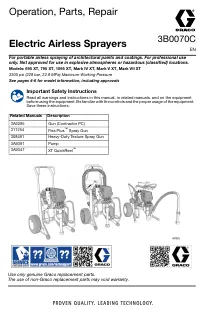 Graco 19F547
User Manual
Graco 19F547
User Manual
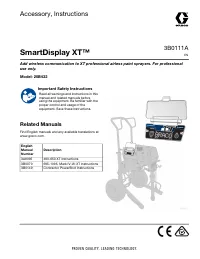 Graco 20B432
User Manual
Graco 20B432
User Manual
 Graco 1AV
User Manual
Graco 1AV
User Manual
 Graco 04530 371
Manual
Graco 04530 371
Manual
 Graco 04586 711
Manual
Graco 04586 711
Manual
 Graco 00524 2101
Manual
Graco 00524 2101
Manual
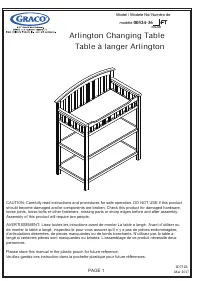 Graco 00524 369
User Manual
Graco 00524 369
User Manual
 Graco 03310 001
Manual
Graco 03310 001
Manual
 Graco 03706 101
Manual
Graco 03706 101
Manual
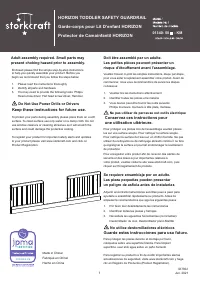 Graco 01340 501
Manual
Graco 01340 501
Manual
 Graco 03706 201
Manual
Graco 03706 201
Manual
 Graco 06710 410
Manual
Graco 06710 410
Manual
 Graco 04522 401
Manual
Graco 04522 401
Manual
 Graco 04521 33F
Manual
Graco 04521 33F
Manual