Dewalt DCK449P2 - User Manual
Dewalt DCK449P2 – User Manual, read for free online in PDF format. We hope this helps you resolve any issues you may have. If you have further questions, please contact us through the contact form.






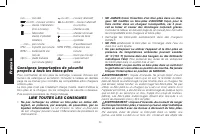
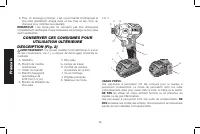
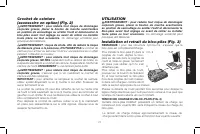
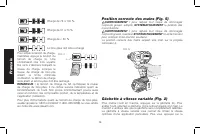
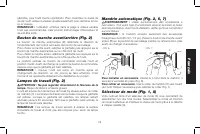
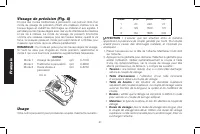




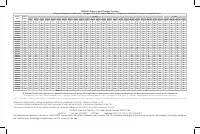



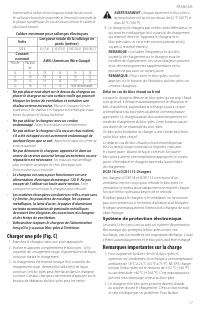
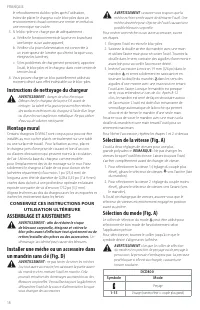
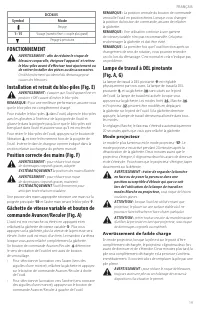
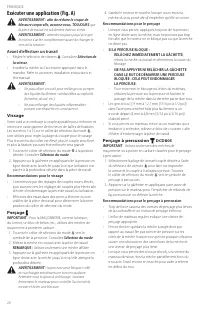
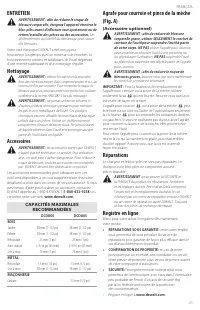



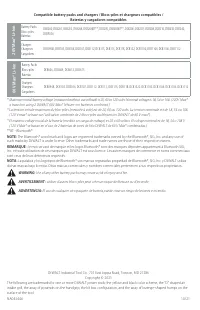


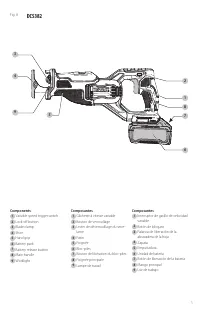
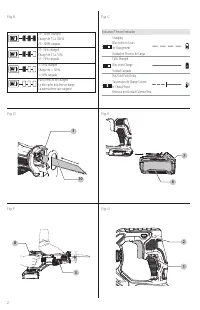
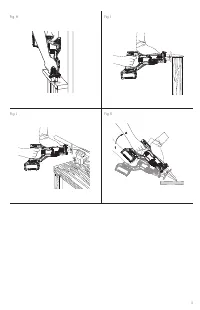







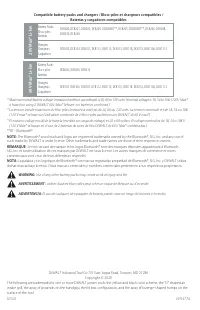
Table of Contents:
- Page 4 – CONSERVER CES INSTRUCTIONS :
- Page 7 – no sean los que ofrece D; Reparaciones; WALT Battery and Charger Systems
- Page 8 – INSTRUCTIVO DE OPERACIÓN, CENTROS DE SERVICIO Y PÓLIZA DE
- Page 10 – The definitions below describe the level of severity for each; WALT; General Power Tool Safety Warnings
- Page 11 – English; ) BATTERY TOOL USE AND CARE
- Page 13 – then follow charging procedures outlined.; READ ALL INSTRUCTIONS; When ordering replacement battery packs, be sure to include the
- Page 15 – Not Recommended
- Page 16 – Charge Indicators; Disconnect the charger from the outlet before attempting; Chargers
- Page 17 – LEAVING THE BATTERY PACK IN THE CHARGER
- Page 18 – Shock hazard. Don’t allow any liquid to get inside the; Storage Recommendations
- Page 19 – INTENDED USE
- Page 20 – ALWAYS
- Page 21 – Use only impact accessories. Non-impact accessories; To install an accessory,; Serious eye injury could
- Page 22 – Mode; MAINTENANCE; WARNING: To reduce the risk of serious personal injury,
- Page 23 – CHARGER CLEANING INSTRUCTIONS; Accessories; CONFIRMATION OF OWNERSHIP:; Three Year Limited Warranty
- Page 25 – Français; mot-indicateur employé. Lire le mode d’emploi et porter une; ) SÉCURITÉ DU LIEU DE TRAVAIL
- Page 26 – ) UTILISATION ET ENTRETIEN D’UN OUTIL ÉLECTRIQUE
- Page 27 – ) UTILISATION ET ENTRETIEN DU BLOC-PILES
- Page 29 – Pour commander un bloc-piles de rechange, s’assurer d’inclure son; LIRE TOUTES LES CONSIGNES
- Page 30 – CONSIGNES DE SÉCURITÉ PROPRES AUX PILES AU
- Page 31 – Calibres minimaux des rallonges; Non
- Page 33 – LAISSER LE BLOC-PILES DANS LE CHARGEUR; Voyants de charge; FONCTION DE SUSPENSION DE CHARGE CONTRE LE
- Page 35 – USAGE PRÉVU; CONSERVER CES CONSIGNES POUR; ne jamais modifier l’outil électrique ni aucun
- Page 36 – Crochet de ceinture
- Page 37 – SYSTÉMATIQUEMENT
- Page 38 – utiliser exclusivement des accessoires à; Pour installer un accessoire; ATTENTION : Ne pas regarder directement le faisceau de la
- Page 39 – REMARQUE; Usage
- Page 40 – AVERTISSEMENT : pour réduire tout risque de dommages; Nettoyage; INSTRUCTION DE NETTOYAGE DU CHARGEUR; Accessoires; RÉPARATIONS SOUS GARANTIE:
- Page 42 – Español; Las siguientes definiciones describen el nivel de gravedad de; ) SEGURIDAD EN EL ÁREA DE TRABAJO
- Page 43 – ) USO Y MANTENIMIENTO DE LA HERRAMIENTA
- Page 44 – ) USO Y MANTENIMIENTO DE LA HERRAMIENTA CON; Normas específicas de seguridad
- Page 46 – manual para ver la compatibilidad entre cargadores y unidades de; LEA TODAS LAS INSTRUCCIONES
- Page 47 – INSTRUCCIONES DE SEGURIDAD ESPECÍFICAS PARA
- Page 48 – medio ambiente y a conservar recursos naturales. También puede; Instrucciones importantes de seguridad
- Page 50 – RETARDO POR UNIDAD CALIENTE/FRÍA; Operación de la luz indicadora
- Page 51 – UNIDADES DE BATERÍA DEFECTUOSAS:; Montaje en la pared
- Page 53 – USO DEBIDO; Gancho para cinturón
- Page 54 – SIEMPRE; UNIDADES DE ALIMENTACIÓN CON INDICADOR DE CARGA
- Page 55 – ATENCIÓN: No mire fijamente hacia la luz de trabajo.; Porta brocas de liberación rápida
- Page 56 – Para instalar un accesorio,
- Page 57 – INSTRUCCIONES DE LIMPIEZA DEL CARGADOR; Accesorios; algún accesorio, póngase en contacto con D; MANTENIMIENTO; ADVERTENCIA: Para reducir el riesgo de lesiones corporales; Limpieza
- Page 58 – PARA REPARACIÓN Y SERVICIO DE SUS HERRAMIENTAS; Póliza de Garantía
- Page 64 – Instruction Manual
- Page 68 – ) Electrical Safety; GENERAL POWER TOOL SAFETY WARNINGS; SAVE ALL WARNINGS; Definitions: Safety Alert Symbols and Words; DO nOT
- Page 69 – ) Safety Instructions for All Operations; ) Safety Instructions When Using Long; ) Power Tool Use and Care; ) Battery Tool Use and Care
- Page 70 – BATTERIES AND CHARGERS
- Page 71 – The RBRC® Seal; shipping the
- Page 72 – Electronic Protection System; Important Charging Notes; Minimum gauge for Cord sets
- Page 73 – symbol; ASSEMBLY AND ADJUSTMENTS; SAVE THESE INSTRUCTIONS FOR; Charger Cleaning Instructions
- Page 74 – Prior to Performing Work; Spotlight Mode; Low Battery Warning; OPERATION
- Page 75 – Cleaning; Hammerdrilling; Recommendations for hammerdrilling; Screwdriving; Recommendations for screwdriving; Recommendations for Drilling
- Page 76 – FREE WARning lABEl REPlACEMEnT:; Register Online; COnFiRMATiOn OF OWnERshiP:; Repairs; MAXIMUM RECOMMENDED; WOOD
- Page 77 – FRAnçAis; AVERTISSEMENTS GÉNÉRAUX SUR LA; nE PAs
- Page 78 – ) Utilisation et entretien du bloc‐piles
- Page 79 – ) Consignes de sécurité pour toutes les
- Page 80 – LISEZ TOUTES LES INSTRUCTIONS; PILES ET CHARGEURS
- Page 81 – Le sceau SRPRC; Expédier la bloc-pile FlEXVOlT; de D; Recommandations d’entreposage
- Page 82 – Système de protection électronique; Remarques importantes sur la charge
- Page 83 – ASSEMBLAGE ET AJUSTEMENTS; CONSERVEZ CES INSTRUCTIONS POUR; Instructions de nettoyage du chargeur
- Page 84 – Mode projecteur; Avertissement de faible charge; FONCTIONNEMENT
- Page 85 – Perçage à percussion; Vissage
- Page 86 – Registre en ligne; RÉPARATiOns sOUs gARAnTiE:; Réparations; CAPACITÉS MAXIMALES; BOis
- Page 87 – Garantie limitée de trois ans
- Page 88 – EsPAñOl; Uso Pretendido
- Page 89 – ) Uso y Mantenimiento de la
- Page 90 – Información de Seguridad Adicional; ADVERTENCIAS DE SEGURIDAD DE; ) Instrucciones de Seguridad para Todas; ) Instrucciones de Seguridad al Usar
- Page 91 – BATERÍAS Y CARGADORES
- Page 92 – El Sello RBRC®; Envío de Paquete de Batería D; Recomendaciones de Almacenamiento
- Page 93 – Sistema de Protección Electrónica; Notas Importantes de Carga
- Page 94 – ENSAMBLE Y AJUSTES; CONSERVE ESTAS INSTRUCCIONES PARA; Instrucciones de Limpieza de Cargador
- Page 95 – Modo de Luz de Enfoque; Advertencia de Batería Baja; OPERACIÓN
- Page 96 – Rotoperforación; Destornillar
- Page 97 – CAPACIDADES MÁXIMAS DE CORTE
- Page 98 – Garantía Limitada de Tres Años; Registro en Línea; sERViCiO En gARAnTÍA:; PARA OTRAs lOCAliDADEs:; Excepciones; ESPECIFICACIONES
- Page 99 – Baterías y cargadores compatibles; li
- Page 106 – Safety Instructions for Reciprocating Saws
- Page 107 – Important Safety Instructions for All
- Page 109 – Wall Mounting
- Page 110 – Lock-Off Button and Trigger Switch; To lock the trigger switch,; Installing and Removing the Battery Pack; To Install a Blade; To Remove a Broken Blade
- Page 114 – ) Utilisation et entretien du bloc-piles; ) Utilisation et entretien d’un
- Page 115 – Renseignements de sécurité; Consignes de sécurité pour les
- Page 116 – Consignes de sécurité importantes pour
- Page 117 – Calibre minimum pour rallonges électriques
- Page 118 – Montage mural; Remarques importantes sur; Délai en cas de bloc chaud ou froid
- Page 119 – Bouton de verrouillage et gâchette; Pour verrouiller la gâchette,; Pour installer une lame; Pour retirer une lame brisée; ASSEMBLAGE ET A JUSTEMENTS
- Page 120 – Conseils pour les projets
- Page 125 – Instrucciones de Seguridad para
- Page 126 – Instrucciones de Seguridad Importantes
- Page 129 – Instalación y Desinstalación de Paquete; Para Retirar una Cuchilla Rota; Para Instalar una Cuchilla; MONTA JE Y A JUSTES; Montaje en Pared
- Page 130 – Interruptor de gatillo de velocidad; Para bloquear el interruptor de gatillo,
- Page 131 – Para reparación y servicio de sus herramientas; Consejos de Proyecto
- Page 132 – Garantía Limitada por Tres Años
- Page 133 – gARAnTÍA DE REEMBOlsO DE sU DinERO
- Page 135 – ion
Definitions: Safety Guidelines
The definitions below describe the level of severity for each signal word. Please read the
manual and pay attention to these symbols.
DANGER:
Indicates an imminently hazardous situation which, if not avoided,
will
result
in
death or serious injury
.
WARNING:
Indicates a potentially hazardous situation which, if not avoided,
could
result
in
death or serious injury
.
CAUTION:
Indicates a potentially hazardous situation which, if not avoided,
may
result in
minor or moderate injury
.
NOTICE:
Indicates a practice
not related to personal injury
which, if not avoided,
may
result in
property damage
.
IF YOU HAVE ANY QUESTIONS OR COMMENTS ABOUT THIS OR ANY D
E
WALT TOOL, CALL
US TOLL FREE AT:
1-800-4-D
E
WALT (1-800-433-9258)
.
WARNING:
To reduce the risk of injury, read the instruction manual.
General Power Tool Safety Warnings
WARNING! Read all safety warnings and all instructions.
Failure to follow the
warnings and instructions may result in electric shock, fire and/or serious injury.
SAVE ALL WARNINGS AND INSTRUCTIONS
FOR FUTURE REFERENCE
The term “power tool” in the warnings refers to your mains-operated (corded) power tool or
battery-operated (cordless) power tool.
1) WORK AREA SAFETY
a)
Keep work area clean and well lit.
Cluttered or dark areas invite accidents.
b)
Do not operate power tools in explosive atmospheres, such as in the presence of
flammable liquids, gases or dust.
Power tools create sparks which may ignite the dust
or fumes.
c)
Keep children and bystanders away while operating a power tool.
Distractions can
cause you to lose control.
2) ELECTRICAL SAFETY
a)
Power tool plugs must match the outlet. Never modify the plug in any way. Do not
use any adapter plugs with earthed (grounded) power tools.
Unmodified plugs and
matching outlets will reduce risk of electric shock.
b)
Avoid body contact with earthed or grounded surfaces such as pipes, radiators,
ranges and refrigerators.
There is an increased risk of electric shock if your body is
earthed or grounded.
c)
Do not expose power tools to rain or wet conditions.
Water entering a power tool will
increase the risk of electric shock.
d)
Do not abuse the cord. Never use the cord for carrying, pulling or unplugging the
power tool. Keep cord away from heat, oil, sharp edges or moving parts.
Damaged
or entangled cords increase the risk of electric shock.
e)
When operating a power tool outdoors, use an extension cord suitable for outdoor
use.
Use of a cord suitable for outdoor use reduces the risk of electric shock.
f)
If operating a power tool in a damp location is unavoidable, use a ground fault
circuit interrupter (GFCI) protected supply.
Use of a GFCI reduces the risk of electric
shock.
3) PERSONAL SAFETY
a)
Stay alert, watch what you are doing and use common sense when operating a
power tool. Do not use a power tool while you are tired or under the influence of
drugs, alcohol or medication.
A moment of inattention while operating power tools may
result in serious personal injury.
b)
Use personal protective equipment. Always wear eye protection.
Protective
equipment such as dust mask, non-skid safety shoes, hard hat, or hearing protection used
for appropriate conditions will reduce personal injuries.
c)
Prevent unintentional starting. Ensure the switch is in the off position before
connecting to power source and/or battery pack, picking up or carrying the tool.
Carrying power tools with your finger on the switch or energizing power tools that have the
switch on invites accidents.
d)
Remove any adjusting key or wrench before turning the power tool on.
A wrench or
a key left attached to a rotating part of the power tool may result in personal injury.
e)
Do not overreach. Keep proper footing and balance at all times.
This enables better
control of the power tool in unexpected situations.
f)
Dress properly. Do not wear loose clothing or jewelry. Keep your hair, clothing and
gloves away from moving parts.
Loose clothes, jewelry or long hair can be caught in
moving parts.
g)
If devices are provided for the connection of dust extraction and collection
facilities, ensure these are connected and properly used.
Use of dust collection can
reduce dust-related hazards.
4) POWER TOOL USE AND CARE
a)
Do not force the power tool. Use the correct power tool for your application.
The
correct power tool will do the job better and safer at the rate for which it was designed.
INSTRUCTION MANUAL
GUIDE D’UTILISA
TION
MANUAL DE INSTRUCCIONES
DCL040 20V Max* Cor
dless LED W
orklight
Lampe de travail DEL sans fil DCL040, 20 V max*
Luz de trabajo LED inalámbrica de 20 V Máx* DCL040
INSTRUCTIVO DE OPERACIÓN, CENTROS DE SER
VICIO Y
PÓLIZA DE GARANTÍA.
ADVER
TENCIA:
LÉASE ESTE
INSTRUCTIVO ANTES DE USAR EL PRODUCTO.
D
E
WALT Industrial Tool Co., 701 East Joppa Road, Baltimore, MD 21286
(MAR11) Part No. N088534 DCL040 Copyright © 2011 D
E
WALT
The following are trademarks for one or more D
E
WALT power tools: the yellow and black color scheme, the “D” shaped air
intake grill, the array of pyramids on the handgrip, the kit box configuration, and the array of lozenge-shaped humps on the
surface of the tool.
b)
Do not use the power tool if the switch does not turn it on and off.
Any power
tool that cannot be controlled with the switch is dangerous and must be repaired.
c)
Disconnect the plug from the power source and/or the battery pack from the
power tool before making any adjustments, changing accessories, or storing
power tools.
Such preventive safety measures reduce the risk of starting the power tool
accidentally.
d)
Store idle power tools out of the reach of children and do not allow persons
unfamiliar with the power tool or these instructions to operate the power tool.
Power tools are dangerous in the hands of untrained users.
e)
Maintain power tools. Check for misalignment or binding of moving parts,
breakage of parts and any other condition that may affect the power tool’s
operation. If damaged, have the power tool repaired before use.
Many accidents
are caused by poorly maintained power tools.
f)
Keep cutting tools sharp and clean.
Properly maintained cutting tools with sharp
cutting edges are less likely to bind and are easier to control.
g)
Use the power tool, accessories and tool bits, etc. in accordance with these
instructions, taking into account the working conditions and the work to be
performed.
Use of the power tool for operations different from those intended could
result in a hazardous situation.
5) BATTERY TOOL USE AND CARE
a)
Recharge only with the charger specified by the manufacturer.
A charger that is
suitable for one type of battery pack may create a risk of fire when used with another
battery pack.
b)
Use power tools only with specifically designated battery packs.
Use of any other
battery packs may create a risk of injury and fire.
c)
When battery pack is not in use, keep it away from other metal objects like
paper clips, coins, keys, nails, screws, or other small metal objects that can
make a connection from one terminal to another.
Shorting the battery terminals
together may cause burns or a fire.
d)
Under abusive conditions, liquid may be ejected from the battery; avoid
contact. If contact accidentally occurs, flush with water. If liquid contacts eyes,
additionally seek medical help.
Liquid ejected from the battery may cause irritation or
burns.
6) SERVICE
a)
Have your power tool serviced by a qualified repair person using only identical
replacement parts.
This will ensure that the safety of the power tool is maintained.
Specific Safety Rules for Worklights
WARNING:
Fire hazard. Do not operate worklight near flammable liquids or in gaseous or
explosive atmospheres. Internal sparks may ignite fumes causing personal injury.
• Do not expose light to wet or damp areas. Do not expose light to rain or snow.
• Do not wash light with water or allow water to get inside light. Do not submerge light in
water at any time.
WARNING:
Do not place the worklight in a position which may cause anyone to intentionally
or unintentionally stare into the light. Serious eye injury could result.
CAUTION: When not in use, place light on its side on a stable surface where it will
not cause a tripping or falling hazard.
Some products with large battery packs will stand
upright on the battery pack but may be easily knocked over.
• The label on your light may include the following symbols. The symbols and their definitions
are as follows:
V .................. volts
A ................... amperes
Hz ................ hertz
W .................. watts
min .............. minutes
................ alternating current
........... direct current
................ alternating or direct current
................ Class I Construction
no ................. no load speed
....................
....................
(grounded)
.................. earthing terminal
................ Class II Construction
.................. safety alert symbol
....................
(double insulated)
BPM.............. beats per minute
…/min ......... per minute
RPM .............. revolutions per minute
IPM .............. impacts per minute
Important Safety Instructions for All Battery Packs
When ordering replacement battery packs, be sure to include the catalog number and voltage.
Consult the chart at the end of this manual for compatibility of chargers and battery packs.
The battery pack is not fully charged out of the carton. Before using the battery pack and
charger, read the safety instructions below and then follow charging procedures outlined.
READ ALL INSTRUCTIONS
•
Do not charge or use the battery pack in explosive atmospheres, such as in the
presence of flammable liquids, gases or dust.
Inserting or removing the battery pack
from the charger may ignite the dust or fumes.
• NEVER force the battery pack into the charger. DO NOT modify the battery pack in
any way to fit into a non-compatible charger as battery pack may rupture causing
serious personal injury.
Consult the chart at the end of this manual for compatibility of
batteries and chargers.
• Charge the battery packs only in designated D
E
WALT chargers.
•
DO NOT
splash or immerse in water or other liquids.
• Do not store or use the tool and battery pack in locations where the temperature
may reach or exceed 105°F (40°C) (such as outside sheds or metal buildings in
summer).
For best life store battery packs in a cool, dry location.
NOTE: Do not store the battery packs in a tool with the trigger switch locked on.
Never tape the trigger switch in the ON position.
WARNING:
Fire hazard. Never attempt to open the battery pack for any reason. If the
battery pack case is cracked or damaged, do not insert into the charger. Do not crush, drop or
damage the battery pack. Do not use a battery pack or charger that has received a sharp blow,
been dropped, run over or damaged in any way (e.g., pierced with a nail, hit with a hammer,
stepped on). Damaged battery packs should be returned to the service center for recycling.
WARNING: Fire hazard. Do not store or carry the battery pack so that metal
objects can contact exposed battery terminals.
For example, do not place the battery
pack in aprons, pockets, tool boxes, product kit boxes, drawers, etc., with loose nails, screws,
keys, etc.
Transporting batteries can possibly cause fires if the battery terminals
inadvertently come in contact with conductive materials such as keys, coins, hand
tools and the like.
The US Department of Transportation Hazardous Material Regulations
(HMR) actually prohibit transporting batteries in commerce or on airplanes (e.g., packed in
suitcases and carry-on luggage) UNLESS they are properly protected from short circuits. So
when transporting individual battery packs, make sure that the battery terminals are protected
and well insulated from materials that could contact them and cause a short circuit.
SPECIFIC SAFETY INSTRUCTIONS FOR LITHIUM ION (Li-Ion)
•
Do not incinerate the battery pack even if it is severely damaged or is completely
worn out.
The battery pack can explode in a fire. Toxic fumes and materials are created
when lithium ion battery packs are burned.
•
If battery contents come into contact with the skin, immediately wash area with
mild soap and water.
If battery liquid gets into the eye, rinse water over the open eye for
15 minutes or until irritation ceases. If medical attention is needed, the battery electrolyte is
composed of a mixture of liquid organic carbonates and lithium salts.
•
Contents of opened battery cells may cause respiratory irritation.
Provide fresh air.
If symptoms persist, seek medical attention.
WARNING:
Burn hazard. Battery liquid may be flammable if exposed to spark or flame.
The RBRC™ Seal
The RBRC™ (Rechargeable Battery Recycling Corp oration) Seal on the nickel
cadmium, nickel metal hydride or lithium ion batteries (or battery packs) indicate
that the costs to recycle these batteries (or battery packs) at the end of their
useful life have already been paid by D
E
WALT. In some areas, it is illegal to place
spent nickel cadmium, nickel metal hydride or lithium ion batteries in the trash or
municipal solid waste stream and the RBRC™ program provides an
environmentally conscious alternative.
RBRC™, in cooperation with D
E
WALT and other battery users, has established programs in
the United States and Canada to facilitate the collection of spent nickel cadmium, nickel metal
hydride or lithium ion batteries. Help protect our environment and conserve natural resources
by returning the spent nickel cadmium, nickel metal hydride or lithium ion batteries to an
authorized D
E
WALT service center or to your local retailer for recycling. You may also contact
your local recycling center for information on where to drop off the spent battery.
RBRC™ is a registered trademark of the
Rechargeable Battery Recycling Corporation.
Important Safety Instructions for All Battery Chargers
SAVE THESE INSTRUCTIONS:
This manual contains important safety and operating
instructions for battery chargers.
• Before using the charger, read all instructions and cautionary markings on the charger,
battery pack and product using the battery pack.
WARNING:
Shock hazard. Do not allow any liquid to get inside the charger. Electric shock
may result.
CAUTION:
Burn hazard. To reduce the risk of injury, charge only D
E
WALT rechargeable
battery packs. Other types of batteries may overheat and burst resulting in personal injury and
property damage.
If you have questions or comments, contact us.
Pour toute question ou tout commentaire, nous contacter
.
Si tiene dudas o comentarios, contáctenos.
1-800-4-D
E
W
A
L
T
• www
.dewalt.com
"Loading the manual" means you need to wait until the file loads and becomes available for online reading. Some manuals are very large, and the time they take to appear depends on your internet speed.
Summary
LAISSER LE BLOC-PILES DANS LE CHARGEUR Le chargeur et son bloc-piles peuvent rester connectés, le voyant du chargeur affichant alors bloc-piles chargé. BLOCS-PILES FAIBLES : les blocs-piles faibles continueront de fonctionner, mais il faudra s’attendre à un rendement moindre. BLOCS-PILES DÉFECTUEUX...
• No trate de reparar la luz de trabajo. Para garantizar la seguridad y confiabilidad del producto, las reparaciones, el mantenimiento y los ajustes deben realizarlos los centros de servicio D E WALT autorizados. Limpieza ADVERTENCIA: Nunca utilice solventes ni otros químicos abrasivos para limpiar ...
DCF887 20V Max* 1/4" (6.35 mm) Brushless Cordless Impact Driver Visseuse à percussion sans fil et sans balai de 6,35 mm (1/4 po), 20 V max* Remachadora inalámbrica sin escobillas de 20 V Máx* 6,35 mm (1/4") INSTRUCTION MANUAL GUIDE D'UTILISATION MANUAL DE INSTRUCCIONES INSTRUCTIVO DE OPERACI...