Page 2 - logo, and High-Definition Multimedia Interface are
Trademark Information• Microsoft, Windows and Windows Vista are either registered trademarks or trademarks of Microsoft Corporation in the United States and/or other countries. • Macintosh, Mac OS, and QuickTime are trademarks of Apple Inc. • Adobe and Acrobat are registered trademarks of Adobe Syst...
Page 4 - ii; For Your Safety; WARNINGS; Do not disassemble
ii For Your Safety To prevent damage to your Nikon product or injury to yourself or to others, read the following safety precautions in their entirety before using this equipment. Keep these safety instructions where all those who use the product will read them. WARNINGS Turn off in the event of mal...
Page 5 - iii
iii For Your Safety Observe caution when handling the battery The battery may leak or explode if improperly handled. Observe the following precautions when handling the battery for use in this product: • Before replacing the battery, turn the product off. If you are using the Charging AC Adapter/AC ...
Page 6 - iv; Use appropriate cables
iv For Your Safety Use appropriate cables When connecting cables to the input and output jacks, use only the cables provided or sold by Nikon for the purpose, to maintain compliance with product regulations. Handle moving parts with care Be careful that your fingers or other objects are not pinched ...
Page 7 - Notices; CAUTIONS; Modifications; Wash hands after handling.
v Notices Notice for Customers in the U.S.A. Federal Communications Commission (FCC) Radio Frequency Interference Statement This equipment has been tested and found to comply with the limits for a Class B digital device, pursuant to Part 15 of the FCC rules. These limits are designed to provide reas...
Page 8 - Notice for customers in Canada; CAUTION
vi Notices Notice for customers in Canada CAUTION This Class B digital apparatus complies with Canadian ICES-003. ATTENTION Cet appareil numérique de la classe B est conforme à la norme NMB-003 du Canada. Notice for customers in Europe This symbol indicates that this product is to be collected separ...
Page 9 - vii; Table of Contents; The
vii Table of Contents For Your Safety........................................................................................................................................ ii WARNINGS .....................................................................................................................
Page 10 - viii
viii Table of Contents Basic Photography and Playback: A (Auto) Mode............................................................... 22 Step 1 Turn the Camera On and Select A (Auto) Mode ....................................................... 22 Indicators Displayed in A (Auto) Mode ....................
Page 11 - ix
ix Table of Contents More on Playback .............................................................................................................................. 69 Operations in Full-frame Playback Mode .................................................................................... 69 Displ...
Page 13 - Introduction; About This Manual; Symbols and Conventions; A Secure Digital (SD) memory card is referred to as a “memory card.”; Screen Samples; Internal Memory and Memory Cards
1 In troducti on Introduction About This Manual Thank you for your purchase of a Nikon COOLPIX S6000 digital camera. This manual was written to help you enjoy taking pictures with your Nikon digital camera. Read this manual thoroughly before use, and keep it where all those who use the product will ...
Page 14 - Information and Precautions; Use Only Nikon Brand Electronic Accessories; Before Taking Important Pictures
2 In troducti on Information and Precautions Life-Long Learning As part of Nikon’s “Life-Long Learning” commitment to ongoing product support and education, continually updated information is available online at the following sites: • For users in the U.S.A.: http://www.nikonusa.com/ • For users in ...
Page 15 - Notice Concerning Prohibition of Copying or Reproduction; Disposing of Data Storage Devices
3 Information and Precautions In troducti on Notice Concerning Prohibition of Copying or Reproduction Note that simply being in possession of material that was digitally copied or reproduced by means of a scanner, digital camera or other device may be punishable by law. • Items prohibited by law fro...
Page 16 - Parts of the Camera; The Camera Body; Lens cover closed; Lens cover
4 In troducti on Parts of the Camera The Camera Body 2 1 3 9 8 6 4 5 7 Lens cover closed 1 Zoom control .................................................. 25 f : wide ..................................................... 25 g : tele ....................................................... 25 h : thum...
Page 17 - Tripod socket
5 Parts of the Camera In troducti on 11 6 10 9 8 7 12 13 1 2 4 3 5 20 17 16 18 19 15 14 1 Monitor ..........................................................6, 23 2 Rotary multi selector..................................... 9 3 A (shooting mode) button .............8, 35 4 b (movie-record) button ......
Page 18 - The Monitor; Shooting; * Differs according to the current shooting mode.
6 Parts of the Camera In troducti on The Monitor The following indicators may appear in the monitor during shooting and playback (actual display varies with current camera settings). The indicators that appear in the monitor during shooting and playback disappear after a few seconds ( A 127). Shooti...
Page 19 - Playback; Differs according to the settings configured during shooting.
7 Parts of the Camera In troducti on Playback 1 The icon for the selected category in auto sort mode in playback mode is displayed. 2 Differs according to the settings configured during shooting. 1 m 0 0 s 1 m 0 0 s 9 9 9 / 9 9 9 9 9 9 / 9 9 9 1 m 0 0 s 1 m 0 0 s 9 9 9 9 / 9 9 9 9 9 9 9 9 / 9 9 9 9 ...
Page 20 - Basic Operations
8 In troducti on Basic Operations The A (Shooting Mode) Button The c (Playback) Button The b (Movie-record) Button • Press the A button in playback mode to enter shooting mode. • Press the A button in shooting mode to display the shooting-mode selection menu and switch shooting modes ( A 35). • Pres...
Page 21 - The Rotary Multi Selector; Menu Screen; Note on the Rotary Multi Selector
9 Basic Operations In troducti on The Rotary Multi Selector This section describes standard uses of the rotary multi selector to select modes, select menu options, and apply selections.Press the rotary multi selector up, down, left, or right or rotate it to select options, or press the k (apply sele...
Page 22 - Press the
10 Basic Operations In troducti on The d Button Switching Between Tabs Press the d button to display the menu for the selected mode. • Use the rotary multi selector to navigate the menus ( A 9). • Choose a tab on the left to switch to the menu of the selected tab. • Press the d button again to exit ...
Page 23 - Help Displays; Rotate the zoom control to; The Shutter-release Button; release button halfway
11 Basic Operations In troducti on Help Displays Rotate the zoom control to g ( j ) when M / L is displayed at the bottom of the menu screen to view a description of the currently selected menu option. To return to the original menu, rotate the zoom control to g ( j ) again. The Shutter-release Butt...
Page 24 - First Steps; Slide the cover latch to; Inserting the Battery
12 First Ste p s First Steps Inserting the Battery Insert a Rechargeable Li-ion Battery EN-EL12 (supplied) into the camera. • Charge the battery before the first use or when the battery is running low ( A 14). 1 Open the battery-chamber/memory card slot cover. Slide the cover latch to Y side ( 1 ) a...
Page 25 - Removing the Battery; Turn the camera off (
13 Inserting the Battery First Ste p s Removing the Battery Turn the camera off ( A 17) and be sure that the power-on lamp and the monitor have turned off before opening the battery-chamber/memory card slot cover. To eject the battery, open the battery-chamber/ memory card slot cover and slide the o...
Page 26 - Charging the Battery; * The shape of the plug adapter varies according to the country or; Be sure that the power-on lamp and the monitor are off.; Be sure to insert the battery into the camera (; Connecting the Cable; USB cable
14 First Ste p s Charging the Battery Charge the supplied Rechargeable Li-ion Battery EN-EL12 inserted into the camera, by connecting the supplied Charging AC Adapter EH-68P to the camera via the supplied USB Cable UC-E6, and then plugging the Charging AC Adapter into an electrical outlet. 1 Prepare...
Page 27 - Charge lamp
15 Charging the Battery First Ste p s 4 Plug the Charging AC Adapter into an electrical outlet. The charge lamp slowly blinks green to indicate that the battery is charging. About four hours are required to charge a fully exhausted battery. The following chart explains charge lamp status when the ca...
Page 28 - Notes on Charging AC Adapter; Charging Using Computer or Battery Charger
16 Charging the Battery First Ste p s B Notes on Charging AC Adapter • The Charging AC Adapter EH-68P is for use only with compatible devices. Do not use with another make or model of device. • Be sure to read and follow the warnings for the Charging AC Adapter on page iii and the section, “The Batt...
Page 29 - Turning On and Off the Camera; If the camera is turned off, hold down the
17 Charging the Battery First Ste p s Turning On and Off the Camera To turn on the camera, press the power switch. The power-on lamp (green) will light for a moment and the monitor will turn on. To turn off the camera, press the power switch again. When the camera is turned off, both the power-on la...
Page 30 - Yes; If; Daylight Saving Time
18 First Ste p s Setting Display Language, Date, and Time A language-selection dialog is displayed the first time the camera is turned on. 1 Press the power switch to turn on the camera. The power-on lamp (green) will light for a moment and the monitor will turn on. 2 Use the rotary multi selector t...
Page 31 - Edit the date and time.; DMY; button or press; Changing and Imprinting the Date and Time
19 Setting Display Language, Date, and Time First Ste p s 5 Edit the date and time. Rotate the rotary multi selector, or press H or I to edit the highlighted item. Press K to move the highlight in the following order. D (day) ➝ M (month) ➝ Y (year) ➝ hour ➝ minute ➝ DMY (the order in which the day, ...
Page 32 - Insert the memory card.; Inserting Memory Cards; Removing Memory Cards
20 First Ste p s Inserting Memory Cards Image, sound, and movie files are stored in the camera’s internal memory (approximately 32 MB) or on removable Secure Digital (SD) memory cards (available commercially; A 145). If a memory card is inserted in the camera, data are automatically stored on the me...
Page 33 - Formatting Memory Cards; The Write Protect Switch; rite protect switch
21 Inserting Memory Cards First Ste p s B Formatting Memory Cards If the message at right is displayed when the camera is turned on, the memory card must be formatted before use ( A 134). Note that formatting permanently deletes all pictures and other data on the memory card. Be sure to make copies ...
Page 34 - Basic Photography and Playback:; Step; This section describes taking pictures in; Proceed to step 4 when
22 Bas ic Ph otography an d Pl ayba ck : A (Auto) M o de Basic Photography and Playback: A (Auto) Mode Step 1 Turn the Camera On and Select A (Auto) Mode This section describes taking pictures in A (auto) mode, an automatic, “point-and- shoot” mode recommended for first-time users of digital cameras...
Page 35 - Step 1 Turn the Camera On and Select; Indicators Displayed in; button; Shooting mode
23 Step 1 Turn the Camera On and Select A (Auto) Mode Bas ic Ph otography an d Pl ayba ck : A (Auto) M o de Indicators Displayed in A (Auto) Mode • The indicators and photo info displayed during shooting and playback will turn off after a few seconds ( A 127). • When the monitor has turned off in st...
Page 36 - Hold the camera steadily in both hands.
24 Bas ic Ph otography an d Pl ayba ck : A (Auto) M o de Step 2 Frame a Picture 1 Ready the camera. Hold the camera steadily in both hands. Keep fingers, hair and other objects away from the lens, built-in flash, AF assist-illuminator and microphone. When taking pictures in portrait (“tall”) orienta...
Page 37 - Using the Zoom; to zoom in so that the subject fills; Digital Zoom; triggers digital zoom. The subject is magnified
25 Step 2 Frame a Picture Bas ic Ph otography an d Pl ayba ck : A (Auto) M o de Using the Zoom Use the zoom control to activate optical zoom. Rotate the zoom control to g to zoom in so that the subject fills a larger area of the frame, or f to zoom out, thus increasing the area visible in the frame....
Page 38 - Press the shutter-release button halfway.; Shutter speed
26 Bas ic Ph otography an d Pl ayba ck : A (Auto) M o de Step 3 Focus and Shoot 1 Press the shutter-release button halfway. Focus is locked when the shutter-release button is pressed halfway ( A 11). The camera automatically selects the focus area (up to nine areas) containing the subject closest to...
Page 39 - Step 3 Focus and Shoot; During Recording; Autofocus; AF-assist Illuminator and Flash
27 Step 3 Focus and Shoot Bas ic Ph otography an d Pl ayba ck : A (Auto) M o de B During Recording While pictures are being recorded, the number of exposures remaining will blink. Do not open the battery-chamber/memory card slot cover while pictures are being recorded. Cutting power or removing the ...
Page 40 - Deleting Pictures; Rotary multi selector
28 Bas ic Ph otography an d Pl ayba ck : A (Auto) M o de Step 4 Playing Back and Deleting Pictures Playing Back Pictures (Playback Mode) Press the c (playback) button. The last picture taken will be displayed in full-frame playback mode. Rotate the rotary multi selector, or press H , I , J , or K to...
Page 41 - Step 4 Playing Back and Deleting Pictures
29 Step 4 Playing Back and Deleting Pictures Bas ic Ph otography an d Pl ayba ck : A (Auto) M o de C Operations Available in Playback Mode See “More on Playback” ( A 69) or “Editing Pictures” ( A 93) for more information. C Displaying Shooting Information Press the k button in full-frame playback mo...
Page 42 - Using the Flash; When; ISO sensitivity; is set to; Setting the Flash Mode; Press the rotary multi selector; Photo info; Auto
30 Bas ic Ph otography an d Pl ayba ck : A (Auto) M o de Using the Flash When ISO sensitivity is set to Auto , the flash has a range of 0.5-4.9 m (1 ft. 8 in.- 16 ft.) at the maximum wide-angle zoom position and a range of 1.1-3.6 m (3 ft. 7 in.-11 ft.) at the maximum telephoto zoom position. The fo...
Page 43 - Shooting When the Flash Is Disabled (
31 Using the Flash Bas ic Ph otography an d Pl ayba ck : A (Auto) M o de B Shooting When the Flash Is Disabled ( W ) or Lighting Is Dim • Use of a tripod is recommended to stabilize the camera during shooting. Set Vibration reduction ( A 129) to Off in setup menu ( A 120) when using a tripod to stab...
Page 44 - Taking Pictures with the Self-timer; in the setup menu; The mode selected for self-timer is displayed.; OFF
32 Bas ic Ph otography an d Pl ayba ck : A (Auto) M o de Taking Pictures with the Self-timer The camera is equipped with a ten-second and two-second timer for self-portraits. This feature is useful for reducing the effects of camera shake that occurs when pressing the shutter-release button. When us...
Page 45 - Macro Mode; ON; and press the; The Macro Mode Setting
33 Bas ic Ph otography an d Pl ayba ck : A (Auto) M o de Macro Mode Macro mode is used for taking pictures of objects as close as 3 cm (1.2 in.). Note that the flash may be unable to light the entire subject at distances of less than 50 cm (1 ft. 8 in.). 1 Press the rotary multi selector p (macro mo...
Page 46 - Adjusting Brightness (Exposure Compensation); Exposure Compensation Value; Using Exposure Compensation; Using the Histogram; Histogram
34 Bas ic Ph otography an d Pl ayba ck : A (Auto) M o de Adjusting Brightness (Exposure Compensation) Exposure compensation is used to alter exposure from the value suggested by the camera to make pictures brighter or darker. 1 Press the rotary multi selector o (exposure compensation). The exposure ...
Page 47 - More on Shooting; Selecting a Shooting Mode; Select a shooting mode from; The camera enters the selected shooting mode.
35 More on Shooting More on Shooting Selecting a Shooting Mode Select a shooting mode from A (auto), x (scene), F (smart portrait), and s (subject tracking) modes. 1 Press the A button in shooting mode. The shooting-mode selection menu is displayed. 2 Use the rotary multi selector to select a shooti...
Page 48 - Displaying the Shooting Menu; Camera Settings that Cannot Be Applied Simultaneously
36 More on Shooting Shooting Options: Shooting Menu ( A (Auto) Mode) The following options can be set when shooting in A (auto) mode ( A 22). Displaying the Shooting Menu Enter A (auto) mode ( A 35). Press the d button to display the shooting menu. • Use the rotary multi selector to choose and apply...
Page 49 - Image Mode; Image mode
37 Shooting Options: Shooting Menu ( A (Auto) Mode) More on Shooting A Image Mode (Image Quality/Image Size) Image mode refers to the combination of image size and image quality (compression) at which pictures are recorded. Choose the image mode best suited to the manner in which pictures will be us...
Page 50 - Number of Exposures Remaining
38 Shooting Options: Shooting Menu ( A (Auto) Mode) More on Shooting C Number of Exposures Remaining The following table lists the approximate number of pictures that can be stored in the internal memory and on a 4 GB memory card. Note that the number of pictures that can be stored will differ depen...
Page 51 - At settings other than; , the icon for the current setting is displayed in the; White balance adjusted for direct sunlight.
39 Shooting Options: Shooting Menu ( A (Auto) Mode) More on Shooting B White Balance (Adjusting Hue) The color of light reflected from an object varies with the color of the light source. The human brain is able to adapt to changes in the color of the light source, with the result that white objects...
Page 52 - Preset Manual; Cancel; Note on Preset Manual; Measuring window
40 Shooting Options: Shooting Menu ( A (Auto) Mode) More on Shooting Preset Manual Preset manual is effective with mixed lighting or to compensate for light sources with a strong color cast (for example, to make pictures taken under a lamp with a red shade look as though they had been taken under wh...
Page 53 - Choose how the camera meters exposure.; Metering Area; Metering
41 Shooting Options: Shooting Menu ( A (Auto) Mode) More on Shooting G Metering The process of measuring the brightness of the subject to determine exposure is known as metering. Choose how the camera meters exposure. B Note on Metering When using digital zoom, Metering is set to Center-weighted , a...
Page 54 - The flash is disabled when; is selected, and focus, exposure, and white balance are fixed at the; Single; , the indicator for the current setting is displayed in; is fixed at
42 Shooting Options: Shooting Menu ( A (Auto) Mode) More on Shooting C Continuous Enable continuous shooting or BSS (best shot selector). The flash is disabled when Continuous , BSS , Multi-shot 1 6 , or Sport continuous is selected, and focus, exposure, and white balance are fixed at the values det...
Page 55 - Note on BSS; Note on Sport Continuous; ISO Sensitivity; Notes on ISO Sensitivity; ISO; . The camera will not increase sensitivity beyond the
43 Shooting Options: Shooting Menu ( A (Auto) Mode) More on Shooting B Note on BSS BSS is effective when taking pictures of still subjects. BSS may not produce the desired results if the subject moves or the composition changes while the shutter-release button is held down. B Note on Multi-shot 1 6 ...
Page 56 - Color Options; Make colors more vivid or record pictures in monochrome.; Standard color; , the icon for the current setting is displayed; Color options
44 Shooting Options: Shooting Menu ( A (Auto) Mode) More on Shooting F Color Options Make colors more vivid or record pictures in monochrome. At settings other than Standard color , the icon for the current setting is displayed in the monitor ( A 6). Color tones in shooting display change according ...
Page 57 - AF Area Mode; AF area mode; setting switches to; , and the camera will automatically select the
45 Shooting Options: Shooting Menu ( A (Auto) Mode) More on Shooting G AF Area Mode Use this option to determine how the camera selects the focus area for autofocus. When digital zoom is in effect, the camera always focuses at the center of the frame regardless of the specified setting. A (auto) M d...
Page 58 - Note on AF Area Mode; More Information; Center
46 Shooting Options: Shooting Menu ( A (Auto) Mode) More on Shooting B Note on AF Area Mode There may be functions with which this setting cannot be enabled. See “Camera Settings that Cannot Be Applied Simultaneously” ( A 49) for more information. D Focus Lock To focus on off-center subjects when Ce...
Page 59 - Face Priority; scene modes; Smile timer; 5) is activated and the shutter is automatically; Scene auto selector; Up to 3
47 Shooting Options: Shooting Menu ( A (Auto) Mode) More on Shooting Face Priority When the camera is pointed at a human face, face recognition, which the camera automatically recognizes that face and focus on it, starts. The face priority function is activated in the following situations. • AF area...
Page 60 - Notes on Face Priority; Autofocus Mode; Choose how the camera focuses.
48 Shooting Options: Shooting Menu ( A (Auto) Mode) More on Shooting B Notes on Face Priority • If the camera is unable to recognize any faces when the shutter-release button is pressed halfway with AF area mode set to Face priority , the AF area mode setting automatically switches to Auto . • If no...
Page 61 - Some shooting settings cannot be used with other functions.
49 Shooting Options: Shooting Menu ( A (Auto) Mode) More on Shooting Camera Settings that Cannot Be Applied Simultaneously Some shooting settings cannot be used with other functions. Restricted function Setting Descriptions Flash mode Continuous ( A 42) When Continuous , BSS , Multi-shot 1 6 , or Sp...
Page 63 - Selecting a Scene Mode
51 More on Shooting Shooting Suited to Scenes (Scene Mode) Camera settings are automatically optimized for the selected subject type. The following scene modes are available. Selecting a Scene Mode 1 Press the A button in shooting mode to display the shooting-mode selection menu and use the rotary m...
Page 64 - Frame the subject and take a picture.
52 Shooting Suited to Scenes (Scene Mode) More on Shooting Shooting in the Scene Mode Selected by the Camera(Scene Auto Selector) By simply framing a picture, the camera automatically selects the optimum scene mode for simpler shooting. When a picture is framed in x ( Scene auto selector ) scene mod...
Page 65 - Notes on Scene Auto Selector Scene Mode; Functions Available in Scene Auto Selector Scene Mode
53 Shooting Suited to Scenes (Scene Mode) More on Shooting B Notes on Scene Auto Selector Scene Mode • Digital zoom is not available. • Depending upon shooting conditions, the camera may not select the desired scene mode. Should this occur, switch to A (auto) mode ( A 22) or select the desired scene...
Page 66 - Selecting a Scene Mode to Take Pictures (Features); 2) for more information on scene auto selector scene mode.; Portrait
54 Shooting Suited to Scenes (Scene Mode) More on Shooting Selecting a Scene Mode to Take Pictures (Features) See “Shooting in the Scene Mode Selected by the Camera (Scene Auto Selector)” ( A 52) for more information on scene auto selector scene mode. The following icons are used for descriptions in...
Page 67 - Night portrait
55 Shooting Suited to Scenes (Scene Mode) More on Shooting 1 Fill flash with slow sync and red-eye reduction. 2 Default setting can be modified. 1 Slow sync with red-eye reduction flash mode may be used. The default setting can be modified. 2 Default setting can be modified. * Default setting can be...
Page 68 - Sunset
56 Shooting Suited to Scenes (Scene Mode) More on Shooting * Default setting can be modified. * Default setting can be modified. * Default setting can be modified. Use of a tripod is recommended in scene modes with which O is indicated. Set Vibration reduction ( A 129) to Off when using a tripod to ...
Page 70 - Food; Museum
58 Shooting Suited to Scenes (Scene Mode) More on Shooting * Default setting can be modified. * Default setting can be modified. Use of a tripod is recommended in scene modes with which O is indicated. Set Vibration reduction ( A 129) to Off when using a tripod to stabilize the camera. u Food This m...
Page 71 - Fireworks show
59 Shooting Suited to Scenes (Scene Mode) More on Shooting * Default setting can be modified. * Default setting can be modified. m Fireworks show Slow shutter speeds are used to capture the expanding burst of light from a firework. • Camera focuses at infinity. The focus indicator ( A 6) always glow...
Page 72 - Panorama assist
60 Shooting Suited to Scenes (Scene Mode) More on Shooting * Default setting can be modified. p Panorama assist Use when taking a series of pictures that will later be joined to form a single panorama using the supplied Panorama Maker software. See “Shooting for a Panorama” ( A 61) for more informat...
Page 73 - Shooting for a Panorama; Take the next picture.
61 Shooting Suited to Scenes (Scene Mode) More on Shooting Shooting for a Panorama The camera focuses on the subject at the center of the frame. Use a tripod for the best results. Set Vibration reduction ( A 129) to Off in setup menu ( A 120) when using a tripod to stabilize the camera. 1 Press the ...
Page 74 - The camera returns to step 2.; Notes on Panorama Assist; Indicator; Panorama Maker
62 Shooting Suited to Scenes (Scene Mode) More on Shooting 5 Press the k button when shooting is complete. The camera returns to step 2. B Notes on Panorama Assist • Flash mode, self-timer, macro mode, and exposure compensation settings cannot be adjusted after the first picture is taken. Pictures c...
Page 75 - Shooting Smiling Faces (Smart Portrait Mode); The camera enters smart portrait mode.; The shutter is automatically released.; 5) is activated and the shutter is automatically released.; Skin softening; Off; button and select another shooting mode.
63 More on Shooting Shooting Smiling Faces (Smart Portrait Mode) At the default settings, the camera uses face priority to recognize human faces, and then automatically releases the shutter when a smile is detected (smile timer). The skin softening option can be used to smooth skin tones of human fa...
Page 76 - Notes on Smart Portrait Mode
64 Shooting Smiling Faces (Smart Portrait Mode) More on Shooting B Notes on Smart Portrait Mode • Digital zoom is not available. • Under some shooting conditions, the camera may be unable to recognize faces or detect smiles. • See “Notes on Face Priority” ( A 48) for more information. B Notes on Ski...
Page 77 - Smart Portrait Menu; The following options can be applied in the smart portrait menu.
65 Shooting Smiling Faces (Smart Portrait Mode) More on Shooting Smart Portrait Menu The following options can be applied in the smart portrait menu. Press the d button ( A 10) in smart portrait mode ( A 63) to display the smart portrait menu and use the rotary multi selector ( A 9) to apply options...
Page 78 - Focusing on a Moving Subject (Subject Tracking Mode); The subject is selected.
66 More on Shooting Focusing on a Moving Subject (Subject Tracking Mode) Use this mode to take pictures of moving subjects. Select the subject which the camera will focus. The focus area will automatically move to track the subject. At the default setting, once the camera detects a person’s face it ...
Page 79 - Notes on Subject Tracking Mode
67 Focusing on a Moving Subject (Subject Tracking Mode) More on Shooting 3 Press the shutter-release button to take a picture. The camera focuses on the focus area when the shutter-release button is pressed halfway. The focus area will glow green and focus will be locked. When the camera is unable t...
Page 80 - Subject Tracking Menu; The following options can be applied in the subject tracking menu.; Face priority tracking; On
68 Focusing on a Moving Subject (Subject Tracking Mode) More on Shooting Subject Tracking Menu The following options can be applied in the subject tracking menu. Press the d button ( A 10) in subject tracking mode ( A 66) to display the subject tracking menu and use the rotary multi selector ( A 9) ...
Page 81 - More on Playback; Operations in Full-frame Playback Mode
69 Mor e on Play b a ck More on Playback Operations in Full-frame Playback Mode Press the c button in shooting mode to enter playback mode and display pictures that have been taken ( A 28). The following operations are available in full-frame playback mode. To Use Description A Select pictures Press...
Page 82 - Viewing Pictures; Displaying the Histogram and Shooting Information; To
70 Operations in Full-frame Playback Mode Mor e on Play b a ck C Viewing Pictures When pictures in which a face was recognized during shooting ( A 47) are displayed in full-frame playback mode, the pictures may be automatically rotated for playback display according to the orientation of the recogni...
Page 83 - Viewing Multiple Pictures: Thumbnail Playback
71 Mor e on Play b a ck Viewing Multiple Pictures: Thumbnail Playback Rotate the zoom control to f ( h ) in full-frame playback mode ( A 69) to display pictures in “contact sheets” of thumbnail images (except in list by date mode). The following operations are available while thumbnails are displaye...
Page 84 - Thumbnail Playback Mode Display; Thumbnail Display in Auto Sort Mode; Film frames
72 Viewing Multiple Pictures: Thumbnail Playback Mor e on Play b a ck C Thumbnail Playback Mode Display When pictures marked using Print set ( A 83) or Protect ( A 89) are selected, the icons shown at right are displayed with them.Movies are displayed as film frames. C Thumbnail Display in Auto Sort...
Page 85 - Calendar Display; With playback display of 16 thumbnails (; List by Date Mode
73 Viewing Multiple Pictures: Thumbnail Playback Mor e on Play b a ck Calendar Display With playback display of 16 thumbnails ( A 71), rotate the zoom control to f ( h ) to switch to calendar display. Images can be selected for display based on the date on which they were taken. The dates on which p...
Page 86 - Taking a Closer Look: Playback Zoom; Pictures Taken with Face Priority
74 Mor e on Play b a ck Taking a Closer Look: Playback Zoom Rotating the zoom control to g ( i ) in full-frame playback mode ( A 69) enlarges display of the center portion of the current picture. • The guide displayed at bottom right shows the portion of the image currently displayed. The following ...
Page 87 - Selecting a Playback Mode; Select a playback mode from; The camera enters the selected playback mode.
75 Mor e on Play b a ck Selecting a Playback Mode Select a playback mode from c (playback), F (auto sort), and C (list by date) modes. 1 Press the c button in playback mode. The playback-mode selection menu is displayed. 2 Use the rotary multi selector to select a playback mode and press the k butto...
Page 88 - Finding Pictures in Auto Sort Mode; auto sort mode” is selected, pictures and movies can be; Viewing Pictures in Auto Sort Mode
76 Mor e on Play b a ck Finding Pictures in Auto Sort Mode Pictures and movies are automatically sorted to any of the following categories with shooting. When “ F auto sort mode” is selected, pictures and movies can be viewed by selecting the category to which they were sorted. In full-frame playbac...
Page 89 - Auto Sort Mode Categories
77 Finding Pictures in Auto Sort Mode Mor e on Play b a ck Auto Sort Mode Categories * Pictures taken in scene auto selector scene mode ( A 52) are also sorted to the appropriate categories. B Notes on Auto Sort Mode • Up to 999 pictures and movie files can be sorted to each category in auto sort mo...
Page 90 - Operations in Auto Sort Mode
78 Finding Pictures in Auto Sort Mode Mor e on Play b a ck Operations in Auto Sort Mode The following operations are available in the category list screen. Auto Sort Menu Press the d button in full-frame playback mode or thumbnail playback mode in auto sort mode to apply the following menu options. ...
Page 91 - In “; Selecting a Date in List by Date Mode; Others
79 Mor e on Play b a ck Viewing Pictures by Date (List by Date) In “ C list by date mode”, pictures taken on the same date can be played back. In full-frame playback mode, just as with normal playback mode, picture display can be enlarged, pictures can be edited, and movies can be played back. When ...
Page 92 - Operations in List by Date Mode; The following operations are available in the list by date screen.
80 Viewing Pictures by Date (List by Date) Mor e on Play b a ck Operations in List by Date Mode The following operations are available in the list by date screen. To Use Description A Select date Rotate the rotary multi selector, or press H or I to select a date. 9 Switch to full-frame playback k Pr...
Page 93 - List by Date Menu
81 Viewing Pictures by Date (List by Date) Mor e on Play b a ck List by Date Menu Press the d button in list by date mode to display the following menus for only the pictures taken on the specified date. Quick retouch* ➝ A 95 D-Lighting* ➝ A 96 Skin softening* ➝ A 97 Print set ➝ A 83 Slide show ➝ A ...
Page 94 - Playback Options: Playback Menu; Displaying the Playback Menu
82 Mor e on Play b a ck Playback Options: Playback Menu The following options are available in the playback menu. Displaying the Playback Menu Press the c button to enter playback mode ( A 69). Press the d button to display the playback menu. • Use the rotary multi selector to choose and apply setti...
Page 95 - Print
83 Playback Options: Playback Menu Mor e on Play b a ck a Print Set (Creating a DPOF Print Order) When printing pictures stored on the memory card using any of the following methods, the Print set option in the playback menu is used to create digital “print orders” for printing on DPOF-compatible de...
Page 96 - Choose whether or not to print shooting date; List by date mode
84 Playback Options: Playback Menu Mor e on Play b a ck 5 Choose whether or not to print shooting date and photo information. Choose Date and press the k button to print the shooting date on all pictures in the print order.Choose Info and press the k button to print photo information (shutter speed ...
Page 97 - Notes on Printing Shooting Date and Photo Information
85 Playback Options: Playback Menu Mor e on Play b a ck B Notes on Printing Shooting Date and Photo Information When the Date and Info settings are enabled in the print set option, shooting date and photo information are printed on pictures when a DPOF-compatible ( A 160) printer that supports print...
Page 98 - Slide Show; Use the rotary multi selector to choose; Start; Slide show
86 Playback Options: Playback Menu Mor e on Play b a ck b Slide Show Play back pictures, stored in the internal memory or on a memory card, one by one in an automated “slide show.” 1 Use the rotary multi selector to choose Start and press the k button. To change the interval between pictures, choose...
Page 99 - Delete selected pictures or all pictures.; Delete
87 Playback Options: Playback Menu Mor e on Play b a ck c Delete (Deleting Multiple Pictures) Delete selected pictures or all pictures. B Notes on Deletion • Once deleted, pictures cannot be recovered. Transfer important pictures to a computer before deleting them. • Pictures marked with the s icon ...
Page 100 - Selecting Pictures; Follow the procedures described below to choose the pictures.
88 Playback Options: Playback Menu Mor e on Play b a ck Selecting Pictures The picture selection screen like that shown at right is displayed with the following menu selections: • Playback menu : Print set > Select images ( A 83), Delete > Erase selected images ( A 87), Protect ( A 89), Rotate...
Page 101 - Rotate; Protect
89 Playback Options: Playback Menu Mor e on Play b a ck d Protect Protect selected pictures from accidental deletion. Select pictures to protect or cancel protection for previously protected pictures from the picture selection screen. See “Selecting Pictures” ( A 88) for more information. Note that ...
Page 102 - Voice Memos; Recording Voice Memos; Voice memo
90 Playback Options: Playback Menu Mor e on Play b a ck E Voice Memos Use the camera’s built-in microphone to record voice memos for pictures. Recording Voice Memos 1 Display the desired picture in full-frame playback mode ( A 69) or thumbnail playback mode ( A 71) and press the d button. The playba...
Page 103 - Playing Voice Memos; Select a picture with a voice memo and press the
91 Playback Options: Playback Menu Mor e on Play b a ck Playing Voice Memos Pictures for which voice memos have been recorded are indicated by p in full- frame playback mode. 1 Select the desired picture in full-frame playback mode ( A 69) or thumbnail playback mode ( A 71) and press the d button. T...
Page 104 - Copy (Copy Between Internal Memory and Memory Card); Copy pictures between the internal memory and a memory card.; : Copy pictures from internal memory to memory; Select a copy option and press the; Selected images; : Copy pictures selected from the picture; All images; Memory contains no images. Message; Copy
92 Playback Options: Playback Menu Mor e on Play b a ck h Copy (Copy Between Internal Memory and Memory Card) Copy pictures between the internal memory and a memory card. 1 Use the rotary multi selector to select a destination option to which pictures are copied and press the k button. q : Copy pict...
Page 105 - Editing Pictures; Editing Functions; Notes on Picture Editing; Restrictions on Picture Editing; Editing function
93 Edit in g P ic tu re s Editing Pictures Editing Functions Use the COOLPIX S6000 to edit pictures in-camera and store them as separate files ( A 146). The editing functions described below are available. B Notes on Picture Editing • Pictures taken at an Image mode setting of P 4224 × 237 6 ( A 37)...
Page 106 - Original and Edited Pictures
94 Editing Functions Edit in g P ic tu re s D Original and Edited Pictures • Copies created with editing functions are not deleted if the original pictures are deleted. The original pictures are not deleted if copies created with editing functions are deleted. • Edited copies are stored with the sam...
Page 107 - Picture Editing; Quick Retouch: Enhancing Contrast and Saturation; The playback menu is displayed.; Quick retouch; To exit without saving the copy, press the
95 Edit in g P ic tu re s Picture Editing k Quick Retouch: Enhancing Contrast and Saturation Quick retouch can be used to easily create retouched copies in which contrast and saturation have been enhanced. Copies created with the quick retouch function are stored as separate files. 1 Select the desi...
Page 108 - D-Lighting: Enhancing Brightness and Contrast; Lighting; OK; To exit without saving the copy, choose; and
96 Picture Editing Edit in g P ic tu re s I D-Lighting: Enhancing Brightness and Contrast D-Lighting can be used to create copies with enhanced brightness and contrast, brightening dark portions of a picture. Enhanced copies are stored as separate files. 1 Select the desired picture in full-frame pl...
Page 109 - Skin Softening: Softening Skin Tones; Note on Skin Softening
97 Picture Editing Edit in g P ic tu re s e Skin Softening: Softening Skin Tones The camera recognizes faces in pictures and creates a copy with softer facial skin tones. Copies created using the skin softening function are stored as separate files. 1 Select the desired picture in full-frame playbac...
Page 110 - Small Picture: Resizing Pictures; sizes are available.; Small picture
98 Picture Editing Edit in g P ic tu re s g Small Picture: Resizing Pictures Create a small copy of the current picture. This feature is useful for creating copies for display on Web pages or e-mail attachments. Small copies are stored as JPEG files with a compression ratio of 1:16. The l 6 40 × 480...
Page 111 - Crop: Creating a Cropped Copy; is; 9) to rotate the picture so that it is; Image Size
99 Picture Editing Edit in g P ic tu re s a Crop: Creating a Cropped Copy Create a copy containing only the portion visible in the monitor when u is displayed with playback zoom ( A 74) enabled. Cropped copies are stored as separate files. 1 Rotate the zoom control to g ( i ) in full-frame playback ...
Page 112 - Movie Recording and Playback; Recording Movies; Movies can be recorded in any shooting mode (; HD; is selected for; Movie; , monitor display changes to an aspect ratio of 16:9; Movie option
100 M o vie Rec o rdin g and Playback Movie Recording and Playback Recording Movies High-definition movies with sound recorded via the built-in microphone can be recorded. • The maximum recording time for a single movie is 29 minutes, even when there is sufficient free space on the memory card for l...
Page 113 - Note on Saving Movies; Functions Available with Movie Recording
101 Recording Movies M o vie Rec o rdin g and Playback B Recording Movies • Memory cards with an SD Speed Class rating of 6 or faster are recommended when recording movies ( A 145). Movie recording may stop unexpectedly when memory cards with a lower Speed Class ratings are used. • Optical zoom cann...
Page 114 - Movie Menu; The following options can be adjusted from the movie menu.; Displaying the Movie Menu; Movie options
102 Recording Movies M o vie Rec o rdin g and Playback Movie Menu The following options can be adjusted from the movie menu. Displaying the Movie Menu 1 Press the d button in shooting mode. The menu is displayed. If the d button was pressed in scene mode, press the rotary multi selector ( A 9) J to ...
Page 115 - Movie Options; Movie Options and Maximum Movie Length; Movies with an aspect ratio of 4:3 are recorded.
103 Recording Movies M o vie Rec o rdin g and Playback D Movie Options Select the desired movie option to record. Larger image sizes and faster movie bitrates mean greater image quality and larger movie file sizes. • The movie bitrate is the volume of movie data recorded per second. As a variable bi...
Page 116 - Select how the camera focuses in movie mode.; Focus is locked when the; is recommended to prevent the sound of
104 Recording Movies M o vie Rec o rdin g and Playback I Autofocus Mode Select how the camera focuses in movie mode. Switch to shooting mode M d M D (Movie menu) ( A 102) M I Autofocus mode Option Description A Single AF (default setting) Focus is locked when the b (movie-record) button is pressed t...
Page 117 - Movie Playback; Note on Playing Back Movies; Deleting Movies
105 M o vie Rec o rdin g and Playback Movie Playback In full-frame playback mode ( A 69), movies are recognized by the Movie options icon ( A 103). To play a movie, display it in full-frame playback mode and press the k button. Rotate the zoom control to g or f to adjust playback volume.Rotating the...
Page 118 - Connecting to Televisions, Computers and Printers; Connecting to a TV; Connect the camera to the TV.; When using the supplied audio/video cable; Connect the plug to the HDMI jack on the TV.
106 Con n e cti ng t o Tele vi sions, C o mputers and Prin ters Connecting to Televisions, Computers and Printers Connecting to a TV Connect the camera to a television to play pictures or movies back on the television. If your TV is equipped with an HDMI jack, a commercially HDMI cable can be used t...
Page 119 - Tune the television to the video channel.; See the documentation provided with your television for details.; Hold down the; Notes on Connecting the HDMI Cable
107 Connecting to a TV Con n e cti ng t o Tele vi sions, C o mputers and Prin ters 3 Tune the television to the video channel. See the documentation provided with your television for details. 4 Hold down the c button to turn on the camera. The camera enters playback mode and pictures are displayed o...
Page 120 - Connecting to a Computer; Before Connecting the Camera; Install the Software; Quick Start Guide; Compatible Operating Systems; Windows; Note on Computer Connection
108 Con n e cti ng t o Tele vi sions, C o mputers and Prin ters Connecting to a Computer Use the supplied USB cable to connect the camera to a computer, and copy (transfer) pictures to a computer with the supplied Nikon Transfer software. Before Connecting the Camera Install the Software Before conn...
Page 121 - Transferring Pictures from a Camera to a Computer; Start the computer to which Nikon Transfer was installed.; Connecting the USB Cable
109 Connecting to a Computer Con n e cti ng t o Tele vi sions, C o mputers and Prin ters Transferring Pictures from a Camera to a Computer 1 Start the computer to which Nikon Transfer was installed. 2 Be sure that the camera is off. 3 Connect the camera to the computer using the supplied USB cable. ...
Page 122 - Start Nikon Transfer installed on the computer.; Source; panel and click; Start Transfer
110 Connecting to a Computer Con n e cti ng t o Tele vi sions, C o mputers and Prin ters 4 Start Nikon Transfer installed on the computer. • Windows 7 When the Devices and Printers K S6 000 screen is displayed, click Change program under Import pictures and videos . Select Copy pictures to a folder ...
Page 123 - Disconnecting the camera
111 Connecting to a Computer Con n e cti ng t o Tele vi sions, C o mputers and Prin ters At the Nikon Transfer default settings, ViewNX starts automatically when transfer is complete and transferred pictures can be viewed. For more information on using Nikon Transfer or ViewNX, refer to help informa...
Page 124 - Starting Nikon Transfer or ViewNX Manually
112 Connecting to a Computer Con n e cti ng t o Tele vi sions, C o mputers and Prin ters D Starting Nikon Transfer or ViewNX Manually Windows Choose Start menu> All Programs > Nikon Transfer > Nikon Transfer (or All Programs > ViewNX > ViewNX ). Double-clicking the Nikon Transfer or V...
Page 125 - Charging While Connecting to a Computer; 08) and “Transferring Pictures from a; Charge Lamp; Notes on Charging with Connection to a Computer
113 Connecting to a Computer Con n e cti ng t o Tele vi sions, C o mputers and Prin ters Charging While Connecting to a Computer When connecting the camera to a computer via the supplied USB cable while Auto (default setting) is selected for the Charge by computer option ( A 136) in the setup menu, ...
Page 126 - Connecting to a Printer; 60) printers can connect the camera directly
114 Con n e cti ng t o Tele vi sions, C o mputers and Prin ters Connecting to a Printer Users of PictBridge-compatible ( A 160) printers can connect the camera directly to the printer and print pictures without using a computer. Follow the procedures below to print pictures. B Notes on Power Source ...
Page 127 - Connecting the Camera to a Printer; Check printer settings.; Connect the camera to the printer using the supplied USB cable.; When properly connected, the; PictBridge; startup screen; Print selection
115 Connecting to a Printer Con n e cti ng t o Tele vi sions, C o mputers and Prin ters Connecting the Camera to a Printer 1 Turn off the camera. 2 Turn on the printer. Check printer settings. 3 Connect the camera to the printer using the supplied USB cable. 4 The camera is automatically turned on. ...
Page 128 - Printing Pictures One at a Time; After properly connecting the camera to the printer (; Choose; Copies; Paper size; To specify paper size using settings on the printer, choose; Default; in the paper size option.
116 Connecting to a Printer Con n e cti ng t o Tele vi sions, C o mputers and Prin ters Printing Pictures One at a Time After properly connecting the camera to the printer ( A 115), follow the procedures described below to print a picture. 1 Use the rotary multi selector to choose the desired pictur...
Page 129 - Start print; Printing Multiple Pictures; Print menu; Paper; To exit the print menu, press the
117 Connecting to a Printer Con n e cti ng t o Tele vi sions, C o mputers and Prin ters 6 Choose Start print and press the k button. 7 Printing begins. Monitor display returns to the print selection screen shown in step 1 when printing is complete. To cancel printing before all copies have been prin...
Page 130 - Choose the desired paper size and press the
118 Connecting to a Printer Con n e cti ng t o Tele vi sions, C o mputers and Prin ters 3 Choose the desired paper size and press the k button. To specify paper size using settings on the printer, choose Default in the paper size option. 4 Choose Print selection , Print all images , or DPOF printing...
Page 131 - Print all images
119 Connecting to a Printer Con n e cti ng t o Tele vi sions, C o mputers and Prin ters 5 Printing begins. Monitor display returns to the print menu shown in step 2 when printing is complete. To cancel printing before all copies have been printed, press the k button. C Paper Size The camera supports...
Page 132 - Basic Camera Setup; Setup Menu; The setup menu contains the following options.
120 Basi c Came ra Setup Basic Camera Setup Setup Menu The setup menu contains the following options. a Menus A 122 Choose how menus are displayed. c W elcome screen A 123 Choose whether or not a welcome screen is displayed when the camera is turned on. d Date A 124 Set camera clock and choose home ...
Page 133 - Displaying the Setup Menu; Reset all
121 Setup Menu Basi c Came ra Setup Displaying the Setup Menu 1 Press the d button. The menu is displayed. If the d button was pressed in scene mode, press the rotary multi selector ( A 9) J to display the tabs. 2 Press the rotary multi selector J . Tab selection is activated. 3 Press H or I to sele...
Page 134 - Menus; Choose the initial menus displayed.; Menu names
122 Setup Menu Basi c Came ra Setup a Menus Choose the initial menus displayed. d button M z (Setup menu) ( A 121) M a Menus w Text (default setting) Menus are displayed in list format. x Icons All menu items can be displayed in a single screen. E x i t S e t u p M e n u s W e l c o m e s c r e e n ...
Page 135 - Welcome Screen; created at a size of 320 × 240 or smaller using the small picture (
123 Setup Menu Basi c Came ra Setup c Welcome Screen Choose whether or not a welcome screen is displayed when the camera is turned on. d button M z (Setup menu) ( A 121) M c W elcome screen None (default setting) The camera enters shooting or playback mode without displaying the welcome screen. COOL...
Page 136 - Set the camera clock.; Selecting Travel Destination Time Zone; Time; Time zone; Travel destination; Home time zone
124 Setup Menu Basi c Came ra Setup d Date Set the camera clock. Selecting Travel Destination Time Zone 1 Use the rotary multi selector to choose Time zone and press the k button. The Time zone screen is displayed. 2 Choose x Travel destination and press the k button. The date and time displayed in ...
Page 137 - Press; Note on the Clock Battery
125 Setup Menu Basi c Came ra Setup 3 Press K . The travel destination screen is displayed. 4 Press J or K to choose the travel destination time zone. If daylight saving time is in effect, press H to enable daylight saving time function. W is displayed at the top of the monitor and the camera clock ...
Page 138 - Time Zones; Location
126 Setup Menu Basi c Came ra Setup D Time Zones The camera supports the time zones listed below. For time zones not listed below, set the camera clock to local time from the Date option. UTC +/– Location UTC +/– Location –11 Midway, Samoa +1 Madrid, Paris, Berlin –10 Hawaii, Tahiti +2 Athens, Helsi...
Page 139 - Monitor Settings; Set the options below.; Photo Info; ) for information on indicators displayed in the monitor.; In addition to information shown with; above, a framing grid is displayed to; Auto info
127 Setup Menu Basi c Came ra Setup e Monitor Settings Set the options below. Photo Info Select whether or not the photo information is displayed in the monitor.See “The Monitor” ( A 6) for information on indicators displayed in the monitor. d button M z (Setup menu) ( A 121) M e Monitor settings Ph...
Page 140 - Date Imprint and Print Set
128 Setup Menu Basi c Came ra Setup f Date Imprint (Imprinting Date and Time) The shooting date and time can be imprinted on the pictures with shooting, allowing the information to be printed even from printers that do not support date printing ( A 85). At settings other than Off , the icon for the ...
Page 141 - Vibration Reduction; Set; when using a tripod to stabilize the camera; Notes on Vibration Reduction
129 Setup Menu Basi c Came ra Setup g Vibration Reduction Select the vibration reduction option for shooting. Vibration reduction effectively reduces blur, caused by slight hand movement known as camera shake, which commonly occurs when shooting with zoom applied or at slow shutter speeds. The effec...
Page 142 - Motion Detection; , 23). The motion detection icon turns green when the camera; is selected, no icon is
130 Setup Menu Basi c Came ra Setup U Motion Detection Enable motion detection to reduce the effects of subject movement and camera shake when shooting still pictures. The current motion detection setting can be confirmed in the camera monitor with shooting ( A 6, 23). The motion detection icon turn...
Page 143 - AF Assist; Enable or disable digital zoom.; Digital zoom will not be activated (except when recording movies).
131 Setup Menu Basi c Came ra Setup h AF Assist Enable or disable AF-assist illumination, which assists autofocus operation when the subject is dimly lit. u Digital Zoom Enable or disable digital zoom. B Notes on Digital Zoom • When digital zoom is in effect, the camera focuses at the center of the ...
Page 144 - Sound Settings; Adjust the following sound settings.
132 Setup Menu Basi c Came ra Setup i Sound Settings Adjust the following sound settings. d button M z (Setup menu) ( A 121) M i Sound settings Button sound Select On (default setting) or Off . When On is selected, a beep will sound once when operations are completed successfully, twice when the cam...
Page 145 - Auto Off; 7) to save power. Once the camera has entered standby mode, the; Canceling Standby Mode
133 Setup Menu Basi c Came ra Setup k Auto Off When the camera is on and a period of time passes without any operations having been performed, the monitor will be turned off and the camera will enter standby mode ( A 17) to save power. Once the camera has entered standby mode, the power-on lamp will...
Page 146 - Format Card; Use this option to format the internal memory or a memory card.; Formatting the Internal Memory; Format memory; option is displayed in the setup; Formatting a Memory Card; When a memory card is inserted in the camera, the; Format card; option is displayed in the setup menu.
134 Setup Menu Basi c Came ra Setup l Format Memory/ m Format Card Use this option to format the internal memory or a memory card. Formatting the Internal Memory To format the internal memory, remove the memory card from the camera. The Format memory option is displayed in the setup menu. Formatting...
Page 147 - Language; Adjust settings for connection to a television.
135 Setup Menu Basi c Came ra Setup n Language Choose one of 24 languages for display of camera menus and messages. H TV Settings Adjust settings for connection to a television. d button M z (Setup menu) ( A 121) M n Language Czech Polish Danish Portuguese German Russian (default setting) Finnish Sp...
Page 148 - Charge by Computer; Notes on Connecting the Camera to a Printer
136 Setup Menu Basi c Came ra Setup V Charge by Computer Choose whether or not the battery inserted into the camera is charged when the camera is connected to a computer via the USB cable ( A 113). B Notes on Connecting the Camera to a Printer • The battery cannot be charged with connection to a pri...
Page 149 - Blink Warning; 7) when shooting in the following modes.; Face priority; 5) is selected for AF area mode; scene mode is selected.
137 Setup Menu Basi c Came ra Setup d Blink Warning Specify whether or not the camera detects human subjects that have blinked using face priority ( A 47) when shooting in the following modes. • A (auto) mode (when Face priority ( A 45) is selected for AF area mode option). • Scene auto selector ( A...
Page 150 - Operating the Blink Warning Screen
138 Setup Menu Basi c Came ra Setup Operating the Blink Warning Screen When the blink warning screen shown at right is displayed in the monitor, the operations described below are available. If no operations are performed within a few seconds, the camera automatically returns to shooting mode. To Us...
Page 151 - Reset All; Reset
139 Setup Menu Basi c Came ra Setup p Reset All When Reset is selected, the camera’s settings will be restored to their default values. Basic Shooting Functions Shooting Menu Scene Mode Smart Portrait Menu d button M z (Setup menu) ( A 121) M p Reset all Option Default value Flash mode ( A 30) Auto ...
Page 153 - Selecting; Firmware Version; View the current camera firmware version.
141 Setup Menu Basi c Came ra Setup • Selecting Reset all also clears the current file number ( A 146) from memory. Numbering will continue from the lowest number available. To reset file numbering to “0001”, delete all pictures stored in the internal memory or on the memory card ( A 87) before sele...
Page 154 - Caring for the Camera; Maximizing Camera Life and Performance
142 Cari ng for the C a mera Caring for the Camera Maximizing Camera Life and Performance To ensure continued enjoyment of this Nikon product, observe the following precautions when using or storing the device. B Keep dry The device will be damaged if immersed in water or subjected to high humidity....
Page 155 - The Battery
143 Maximizing Camera Life and Performance Cari ng for the C a mera C The Battery • Check the battery level before using the camera and replace or charge the battery if necessary. Do not continue charging once the battery is fully charged as this will result in reduced battery performance. Whenever ...
Page 156 - Cleaning; Notes on the Monitor; Lens
144 Maximizing Camera Life and Performance Cari ng for the C a mera Cleaning Do not use alcohol, thinner, or other volatile chemicals. Storage Turn the camera off when not in use. Be sure that the power-on lamp is off before putting the camera away. Remove the battery if the camera will not be used ...
Page 157 - Technical Notes and Index; Optional Accessories; Approved Memory Cards; Memory cards with an SD Speed Class; Battery Charger MH-65
145 T e ch n ical No te s an d In dex Technical Notes and Index Optional Accessories * When using in other countries, use a plug adapter (available commercially) as necessary. For more information about plug adapters, consult your travel agency. Approved Memory Cards The following Secure Digital (SD...
Page 158 - Image/Sound File and Folder Names; Pictures, movies, or voice memos are assigned file names as follows.; DSCN
146 T e ch n ical No te s an d In dex Image/Sound File and Folder Names Pictures, movies, or voice memos are assigned file names as follows. • Files are stored in folders named with a folder number followed by an identifier: “P_” plus a three-digit sequential number for pictures taken in Panorama as...
Page 159 - Error Messages; Display
147 T e ch n ical No te s an d In dex Error Messages The following table lists the error messages and other warnings displayed in the monitor, as well as the solutions for dealing with them. Display Problem Solution A O (blinks) Clock not set. Set date and time. 124 B Battery running low. Prepare to...
Page 161 - All images are hidden.
149 Error Messages T e ch n ical No te s an d In dex u Cannot record movie. Time out error while recording movie on the memory card. Choose memory card with faster write speed. 20 N Memory contains no images. No pictures in the internal memory or memory card. • Remove the memory card from the camera...
Page 163 - Troubleshooting; Problem
151 T e ch n ical No te s an d In dex Troubleshooting If the camera fails to function as expected, check the list of common problems below before consulting your retailer or Nikon-authorized service representative. Display, Settings, and Power Supply Problem Cause/Solution A Monitor is blank. • Came...
Page 164 - Electronically Controlled Cameras
152 Troubleshooting T e ch n ical No te s an d In dex Electronically Controlled Cameras In extremely rare instances, unusual characters may appear in the monitor and the camera may stop functioning. In most cases, this phenomenon is caused by a strong external static charge. Turn the camera off, rem...
Page 169 - Specifications; Nikon COOLPIX S6000 Digital Camera; Compact digital camera
157 T e ch n ical No te s an d In dex Specifications Nikon COOLPIX S6000 Digital Camera Type Compact digital camera Effective pixels 14.2 million Image sensor 1 / 2.3 -in. CCD; approx. 14.48 million total pixels Lens 7× optical zoom, NIKKOR lens Focal length 5.0-35.0mm (angle of view equivalent to t...
Page 171 - . Battery life may vary; Rechargeable lithium-ion battery
159 Specifications Tec h n ical Notes an d I n dex • Unless otherwise stated, all figures are for a camera with a fully-charged Rechargeable Li-ion Battery EN-EL12 operated at an ambient temperature of 25 °C (77 °F). * Based on Camera and Imaging Products Association (CIPA) standards for measuring t...
Page 172 - Supported Standards; DCF; pictures to be printed from print orders stored on memory cards.; Exif version; : This camera supports Exchangeable image file format (Exif); : A standard developed cooperatively by the digital camera and
160 Specifications T e ch n ical No te s an d In dex Supported Standards • DCF : Design Rule for Camera File System is a standard widely used in the digital camera industry to ensure compatibility among different makes of camera. • DPOF : Digital Print Order Format is an industry-wide standard that ...
Page 173 - Index; Symbols
161 T e ch n ical No te s an d In dex Index Symbols R 62 g (Tele) 25 f (Wide) 25 i Playback zoom 74 h Thumbnail playback 71 A Auto mode 22 C Scene mode 51 F Smart portrait mode 63 s Subject tracking mode 66 c Playback mode 28 F Auto sort mode 76 C List by date mode 79 z Setup menu 120 k Apply select...
Page 175 - Night landscape
163 Index T e ch n ical No te s an d In dex Monitor display settings 127Monitor settings 127Motion detection 23, 130Movie length 103Movie menu 102Movie playback 105Movie recording 100Movie settings 102Movie shooting button 8Multi-shot 16 42Museum l 58 N Night landscape j 56 Night portrait e 55 Nikon...
Page 180 - User’s Manual; DIGITAL CAMERA
No reproduction in any form of this manual, in whole or in part (except for brief quotation in critical articles or reviews), may be made without written authorization from NIKON CORPORATION. YP0B01(11) 6MM76411-01 User’s Manual DIGITAL CAMERA En En


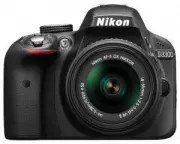 Nikon D3300
Manual
Nikon D3300
Manual
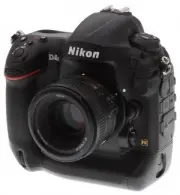 Nikon D4S
Manual
Nikon D4S
Manual
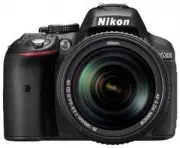 Nikon D5300
Manual
Nikon D5300
Manual
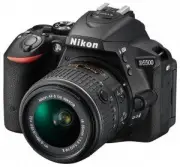 Nikon D5500
Manual
Nikon D5500
Manual
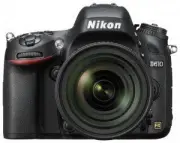 Nikon D610
Manual
Nikon D610
Manual
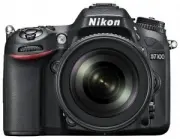 Nikon D7100
Manual
Nikon D7100
Manual
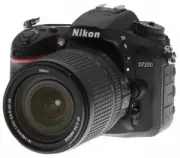 Nikon D7200
Manual
Nikon D7200
Manual
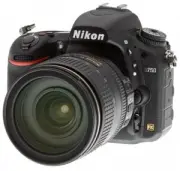 Nikon D750
Manual
Nikon D750
Manual
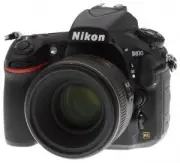 Nikon D810
Manual
Nikon D810
Manual
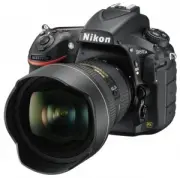 Nikon D810A
Manual
Nikon D810A
Manual
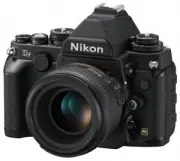 Nikon Df
Manual
Nikon Df
Manual
 Nikon 1 AW1
Manual
Nikon 1 AW1
Manual
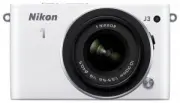 Nikon 1 J3
Manual
Nikon 1 J3
Manual
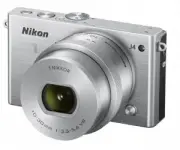 Nikon 1 J4
Manual
Nikon 1 J4
Manual
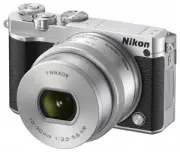 Nikon 1 J5
Manual
Nikon 1 J5
Manual
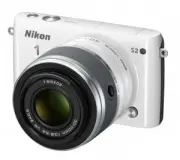 Nikon 1 S2
Manual
Nikon 1 S2
Manual
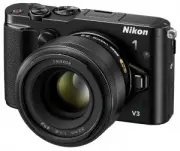 Nikon 1 V3
Manual
Nikon 1 V3
Manual
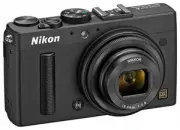 Nikon Coolpix A
Manual
Nikon Coolpix A
Manual
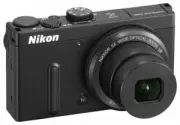 Nikon Coolpix P330
Manual
Nikon Coolpix P330
Manual
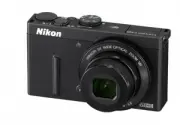 Nikon Coolpix P340
Manual
Nikon Coolpix P340
Manual