Page 3 - Product Documentation; The
i Product Documentation Getting to Know the COOLPIX4500 Overview Taking Pictures Basic Playback Connecting to a Computer Connecting to a Television or VCR Beyond Point-and-Shoot More About Playback Index to Menu Options Using Camera Menus The Shooting Menu The Set-up Menu The Playback Menu First Ste...
Page 4 - ii; WARNINGS; Do not place strap around neck; For Your Safety
ii To prevent damage to your Nikon product or injury to yourself or to others,read the following safety precautions in their entirety before using this equip-ment. Keep these safety instructions where all those who use the product willread them. The consequences that could result from failure to obs...
Page 5 - iii
iii • Do not short or disassemble the bat- tery. • Do not expose the battery to flame or to excessive heat. • Do not immerse in or expose to water.• Do not transport or store with metal objects such as necklaces or hairpins. • Batteries are prone to leakage when fully discharged. To avoid damage tot...
Page 6 - iv; Notices; CAUTIONS
iv • No part of the manuals included with this product may be reproduced, transmitted,transcribed, stored in a retrieval system,or translated into any language in anyform, by any means, without Nikon’sprior written permission. • Nikon reserves the right to change the specifications of the hardware a...
Page 7 - Trademark Information
v Notice for customers in CanadaCAUTION This class B digital apparatus meets all re-quirements of the Canadian InterferenceCausing Equipment Regulations. ATTENTION Cet appareil numérique de la classe B res-pecte toutes les exigences du Règlementsur le matériel brouilleur du Canada. Notice Concerning...
Page 8 - Table of Contents
vi Table of Contents Product Documentation .................................................................................. i For Your Safety ............................................................................................... ii Notices ....................................................
Page 9 - vii
vii Focus Mode: Focusing Near and Far .............................................................. 57 Delaying Shutter Release: Self-Timer Mode ..................................................... 58 Autofocus ..........................................................................................
Page 10 - viii
viii The Set-up Menu: Camera Setup ................................................................... 121 Adjusting Monitor Settings: Monitor Options ............................................ 122 Customizing Camera Controls: Controls ................................................... 123 Conser...
Page 11 - Overview; Introduction; Getting Started
1 First Steps 9–16 Overview 2–3 Getting to Know theCOOLPIX4500 4–8 This chapter is divided into the following sections: Overview Read this section for a description of how thismanual is organized and for an explanation of thesymbols and conventions used. Getting to Know the COOLPIX4500 Bookmark this...
Page 12 - Thank you for your purchase of a COOLPIX4500; About This Manual; Use Only Nikon Brand Electronic Accessories
2 Intr oduction—Over view Thank you for your purchase of a COOLPIX4500 digital camera. This manual has been written to help you enjoy taking digital pictures with yourCOOLPIX4500. Read this manual thoroughly before use, and keep it handywhen using the product. Overview About This Manual Use Only Nik...
Page 13 - • For users in Europe:
3 Intr oduction—Over view To make it easier to find the information you need, the following symbols andconventions are used: Life-Long Learning As part of Nikon’s “Life-Long Learning” commitment to ongoing product sup-port and education, continually-updated information is available on-line atthe fol...
Page 14 - Where to Find It—Parts of the COOLPIX4500; MODE; Getting to Know the COOLPIX4500; The Parts of the Camera and Their Functions
4 Intr oduction—Getting to Know the COOLPIX 4500 Take a few moments to familiarize yourself with camera controls and displays.You may find it helpful to bookmark this section and refer to it as you readthrough the rest of the manual. Where to Find It—Parts of the COOLPIX4500 The parts of the camera ...
Page 15 - MENU; Tripod socket
5 Intr oduction—Getting to Know the COOLPIX 4500 17 MENU button .................. 44, 88 18 (focus mode) button ....... 57 MF (manual focus) button ...... 61 (delete) button .. 29, 30, 71, 78 19 (flash mode) button ........ 65 ISO (sensitivity) button ........... 70 20 Sync terminal ..................
Page 16 - How to Use It—Camera Controls and Displays; A The Monitor; Photographs can be framed in the; Battery level indicator
6 Intr oduction—Getting to Know the COOLPIX 4500 How to Use It—Camera Controls and Displays A The Monitor Photographs can be framed in the monitor or viewfinder. During shooting, the monitor shows the view through the camera lens together with iconsindicating the status of the following camera setti...
Page 17 - B The Viewfinder; Like the monitor, the
7 Intr oduction—Getting to Know the COOLPIX 4500 The monitor is also used to play pictures back. When a picture is played backfull screen, information about the image is shown superimposed on the photo. B The Viewfinder Like the monitor, the viewfinder can be used to frame photographs. Usethe viewfi...
Page 18 - D The FUNC Button; FUNC; E The Multi Selector; multi selector; C The Diopter Adjustment Dial; diopter adjustment dial
8 Intr oduction—Getting to Know the COOLPIX 4500 D The FUNC Button By default, the FUNC button functions as an ex- posure compensation button in shooting mode( 69) and in playback mode as a record button for recording audio commentary ( 78). Other functions can be assigned to the FUNC button using t...
Page 19 - Step 1—Attach the Camera Strap; Attach the camera strap as shown. Repeat for the second eyelet.; First Steps; Getting Ready to Use Your Camera
Intr oduction—First Steps 9 Before using your camera for the first time, complete the steps on the follow-ing pages. Step 1—Attach the Camera Strap Attach the camera strap as shown. Repeat for the second eyelet. First Steps Getting Ready to Use Your Camera To avoid losing the lens cap, attach it to ...
Page 20 - Read Battery Warnings; Step 2—Insert the Battery; .1 Charge the battery
Intr oduction—First Steps 10 Read Battery Warnings Read and follow all warnings and instructions supplied by the batterymanufacturer. Alternative Power Sources In addition to the rechargeable Nikon EN-EL1 Li-i o n b a t t e r y i n c l u d e d w i t h y o u r c a m e r a , t h eCOOLPIX4500 can be us...
Page 21 - .3 Insert the battery; The Clock Battery
Intr oduction—First Steps 11 2 .3 Insert the battery Insert a fully-charged EN-EL1 or new 2CR5 (DL245) battery as shown inthe label on the underside of the battery-chamber cover. The power-onlamp will light briefly when the battery is inserted. 2 1 2 .4 Close the battery-chamber cover Close the batt...
Page 22 - Step 3—Insert the Memory Card; Turn the camera off
Intr oduction—First Steps 12 Step 3—Insert the Memory Card Your Nikon digital camera uses CompactFlash ™ (CF) memory cards or IBM Microdrive ® memory cards to store pictures. See “Technical Notes: Optional Accessories” ( 151) for a list of approved memory cards 3 .1 Turn the camera off Make sure tha...
Page 23 - Closing the Card-Slot Cover; Close the card slot cover
Intr oduction —First Steps 13 Closing the Card-Slot Cover If the eject button is up when the card-slot coveris closed, closing the cover will partially eject thememory card, causing errors when the camera isturned on. Be sure the eject button is down (i.e.,in position 1 ) before inserting memory car...
Page 24 - Step 4—Choose a Language; Language
Intr oduction —First Steps 14 Step 4—Choose a Language Camera menus and messages can be displayed in your choice of German,English, French, Japanese, and Spanish. Choose language from De utsch (Ger- man), En glish, Fr ançais (French), (Japanese), or Es pañol (Spanish) 4 .7 Make selection and return ...
Page 25 - Step 5—Set the Time and Date; Date
Intr oduction —First Steps 15 Step 5—Set the Time and Date Information on the time and date of recording is included with all photo-graphs and movies taken with your Nikon digital camera. To set the camera’sinternal clock to the correct time and date, display the set-up menu as de-scribed in steps 4...
Page 26 - (“date not set”) icon will be displayed in the top right corner of the
Intr oduction —First Steps 16 Any pictures taken before the time and date have been set will have a timestamp of “0000.00.00 00:00.” If the time and date have not been set, aflashing (“date not set”) icon will be displayed in the top right corner of the monitor during shooting. Save changes to setti...
Page 27 - Taking Pictures; Tutorial; Basic Photography and Playback
17 Taking Pictures 18–26 Basic Playback 27–30 This chapter takes you through the basic steps in-volved in taking pictures and playing them back. Taking Pictures Read this section for a step-by-step guide to thebasics of taking pictures with the COOLPIX4500: Tutorial Basic Photography and Playback Ba...
Page 28 - The Basics; Step 1—Ready the Camera; Remove the lens cap; Auto Power Off; Auto Off
18 Tutorial—T aking Pictur es Taking Pictures The Basics This section details the basic steps involved in taking pictures in (auto) mode. In this automatic, “point-and-shoot” mode, the majority of settingsare controlled by the camera in response to lighting conditions and focusdistance, producing th...
Page 29 - battery is exhausted.; Step 2—Choose Auto Mode; NO ICON; Display
19 Tutorial—T aking Pictur es * Flash-ready and autofocus lamps next to viewfinder blink slowly when battery is exhausted. If the message “Out of memory” appears in the monitor, the memorycard is full. Delete pictures ( 133), use a new memory card, or choose a lower quality or image size ( 101). Ste...
Page 30 - Step 4—Frame the Picture; Adjust the lens angle; Default
20 Tutorial—T aking Pictur es Step 3—Adjust Camera Settings (Optional) The following table shows the default settings for mode. For more infor- mation, refer to the page numbers in the rightmost column. Step 4—Frame the Picture 4 .1 Adjust the lens angle From a position parallel to the camera body,t...
Page 31 - The Built-in Speedlight; Ready the camera; Swivel Limit
21 Tutorial—T aking Pictur es The Built-in Speedlight If the flash mode is set to auto (the default setting), red-eye reduction, or slowsync and additional light is required for correct exposure, the built-in Speed-light will pop up automatically when the shutter-release button is pressedhalfway. At...
Page 32 - Frame your subject; Monitor or Viewfinder?; Use the monitor
22 Tutorial—T aking Pictur es 4 .3 Frame your subject Use the zoom buttons to frame your subject against the background. When the camera is zoomed all the way in, hold the button down for about two seconds to enlarge the image digitally (digital zoom; 63). When digital zoom is in effect, the autofoc...
Page 33 - Don’t Block the Shot; Press the
23 Tutorial—T aking Pictur es Don’t Block the Shot To avoid dark or partially obscured pictures, keep your fingers and other ob-jects away from the lens and flash window. Controlling the Monitor Press the button to hide indicators and turn the monitor on and off. Indicators hidden Monitor off Indica...
Page 34 - Step 5—Focus and Shoot; Focus
24 Tutorial—T aking Pictur es Step 5—Focus and Shoot The COOLPIX4500 has a two-stage shutter-release button. 5 .1 Focus Press the shutter-release button halfway to set focus and exposure. In mode, the camera will focus on the subject in the cen-ter focus area, shown by the focus bracketsin the viewf...
Page 35 - Take the picture; During Recording; While pictures are being recorded to the memory card, a
25 Tutorial—T aking Pictur es 5 .2 Take the picture Smoothly press the shutter-release buttonthe rest of the way down to take a picture. During Recording While pictures are being recorded to the memory card, a icon will be dis- played in the monitor and the autofocus lamp (green) will blink. Picture...
Page 36 - Step 6—Put the Camera Away; Return the lens section to the storage position
26 Tutorial—T aking Pictur es Step 6—Put the Camera Away 6 .1 Turn the camera off If the power lamp is on, turn the camera offby rotating the power switch as shown. Thepower-on lamp will go out. To save batterypower, make sure that the power-on lampis off before putting the camera away. 6 .2 Lower t...
Page 37 - Tutorial—Basic Playback; Basic Playback; Quick Review and Playback; During Playback; Do not eject the memory card or; Shooting Mode
27 Tutorial—Basic Playback Basic Playback Quick Review and Playback With a digital camera, you can view pictures immediately after they are taken.You can view the results of earlier attempts while setting up your next shotand use what you see to change camera settings or choose a better angle. To vi...
Page 38 - Quick Review; When the Memory Card Contains No Pictures; 44), a message will be displayed when the; Press; View current
28 Tutorial—Basic Playback Quick Review Pictures are displayed in the top left corner of themonitor, allowing you to confirm the results ofprevious attempts while setting up your next shot.All controls function as they do in shooting mode,with the following exceptions: When the Memory Card Contains ...
Page 39 - For more information on:; N o
29 Tutorial—Basic Playback Full-Screen Playback In full-screen playback, you can perform a varietyof operations on the pictures stored on thememory card. In addition to the controls listedbelow, you can also use the options in the play-back menu ( 133). For more information on: 73 Playback ( ) A con...
Page 40 - Thumbnail Playback
30 Tutorial—Basic Playback Thumbnail Playback Pressing the ( ) button in full-screen playback displays a menu of up to nine thumbnail images.The following operations can be performed whilethumbnails are displayed: Press Description Press the multi selector up, down, left, or rightto highlight thumbn...
Page 41 - Connections; Connecting to External Devices
31 Connections Connecting to External Devices This chapter provides information on connectingyour camera to a computer and to a television orvideocassette recorder (VCR). Connecting to a Computer Read this section to learn how to copy pictures fromthe camera memory card to your computer usingNikon V...
Page 42 - Connections—Connecting to a Computer; Before You Begin: Installing Nikon View 5; Windows; Insert the reference CD; Nikon; My Computer; icon and then the; Nikon; icon to open the reference CD window.; Connecting to a Computer; Nikon View 5
32 Connections—Connecting to a Computer Your Nikon digital camera stores pictures as digital data. Instead of makingthe trip to a developer and getting negatives, you can simply copy your pic-tures to a computer for long-term storage using the Nikon View 5 softwareprovided with your camera. Once tra...
Page 43 - Install Adobe Acrobat Reader; Print...; bat; File; menu, and follow along during installation of Nikon View 5.; Already Have Nikon View?
33 Connections—Connecting to a Computer 2 Install Adobe Acrobat Reader The installation instructions are in Portable Document Format (PDF). Toview the instructions, you will need Adobe Acrobat Reader 4.0 or later. Ifyou have already installed this version of Acrobat, proceed to Step 3. To install Ad...
Page 44 - Making the Connection: Connecting to Your Computer; Direct Connection: Connecting Your Camera by Cable; Turn the computer on
34 Connections—Connecting to a Computer Making the Connection: Connecting to Your Computer Once you have installed Nikon View 5, you are ready to transfer photographsand movies to your computer. Pictures can be transferred via a direct USBconnection between the camera and computer, or by removing th...
Page 45 - Connect the camera and computer; Before Connecting the Camera; Be sure to install Nikon View 5; Use a Reliable Power Source; Turn the camera on
35 Connections—Connecting to a Computer 2 Connect the camera and computer Connect the UC-E1 USB cable as shown below. Use the flat connector forconnection to the computer, and connect the other end of the cable to thecamera’s USB connector. Do not connect the camera via a USB hub orkeyboard. Before ...
Page 46 - Panorama Assist/Ultra HS; Transfer pictures to your computer; ages; View pictures; USB
36 Connections—Connecting to a Computer Panorama Assist/Ultra HS Before transferring pictures for the first time, click the Change… button in the Nikon Transfer window and check Copy folder names from camera . This will ensure that each sequence of pictures created at settings of Pan- orama Assist (...
Page 47 - Windows XP Home Edition/Windows XP Professional; Mac OS X
37 Connections—Connecting to a Computer If the camera USB option is set to Mass Storage (the default option), you must remove the camera from the system as follows before disconnectingthe cable or turning the camera off: Windows XP Home Edition/Windows XP Professional Click the “Safely Remove Hardwa...
Page 48 - Reading Pictures from Memory Cards; If you have a CompactFlash; CompactFlash; To read CompactFlash
38 Connections—Connecting to a Computer Reading Pictures from Memory Cards If you have a CompactFlash ™ card reader or your computer is equipped with a PC card slot, you can transfer pictures directly from the memory card. Beforeinserting the memory card in a card reader or card slot, turn the camer...
Page 49 - Removing the Memory Card; Eject
39 Connections—Connecting to a Computer Removing the Memory Card Be sure that transfer is complete before removing memory cards from thecard reader or PC card slot. Before removing the memory card from a PC card slot or card reader, you willneed to remove the card from the system: Windows XP Home Ed...
Page 50 - Connecting to a Television or VCR; Television Playback; Use an AC Adapter; Video Mode; item offers a choice of NTSC and PAL standards for video
40 Connections—Connecting to a T elevision or VCR Connecting to a Television or VCR Television Playback Using the audio/video cable included with your camera, you can connect theCOOLPIX4500 to a television or VCR. 1 Connect the cable to the camera Connect the black plug to the A / V OUT con-nector o...
Page 52 - Shooting-Mode Selection; Shooting and Exposure Modes; Menu
42 Beyond Point-and-Shoot—Shooting-Mode Selection The shooting modes available with the COOLPIX4500 range from simple“point-and-shoot” modes ( and scene) to modes such as programmed auto and manual that put you in control of all or most camera settings. Theoptions available in the shooting menu depe...
Page 53 - Scene Mode
43 Beyond Point-and-Shoot—Shooting-Mode Selection Press the MODE button and rotate the command dial to cycle through shoot- ing modes as shown below. + Auto mode M Manual A Aperture- priority auto S Shutter- priority auto P Programmed auto Scene mode Scene Mode Depending on the subject, scene mode m...
Page 54 - Image Quality and Size; and
44 Beyond Point-and-Shoot—Shooting-Mode Selection Landscape Portrait Scene Mode The COOLPIX4500 offers a choice of sixteen “scene” modes for commonsubjects and shooting situations. To choose a scene: 1 Pressing MODE button,rotate command dialuntil icon for the lastselected scene is dis-played. + Mak...
Page 56 - Any
46 Beyond Point-and-Shoot—Shooting-Mode Selection Scene Blur Description ( 57) ( 64) Party/ Indoor ✯ Use for shots that in-clude details of the back-ground behind the mainsubject, or to capture theeffects of candlelight and other indoorbackground lighting. Auto, Any — V i v i d l y c a p t u r e s t...
Page 57 - Close Up; • Photography may be prohibited alto-; Museum
47 Beyond Point-and-Shoot—Shooting-Mode Selection ✯ Use to capture vivid col-ors in close-up shots off l o w e r s , i n s e c t s , a n dother small objects, withthe background artistically blurred.• Minimum focus distance varies with z o o m p o s i t i o n . W h e n c a m e r a i szoomed in to mi...
Page 58 - Scene; show up well in the final picture.; Copy; Back Light; Tips on Creating a Multiple Exposure; Exposure compensation (
48 Beyond Point-and-Shoot—Shooting-Mode Selection — Two successive exposuresare combined to form asingle image. Take thefirst exposure normally.The shot will appear in the monitor su-perimposed on the view through thelens. Use this as a guide to compose amultiple exposure, then press the shut-ter-re...
Page 59 - Multiple Exposure and Panorama Assist; Multiple Exposure; Noise Reduction; Night Landscape
49 Beyond Point-and-Shoot—Shooting-Mode Selection ✯ P r e s e r v e s t h e c o l o r sseen in the weak natu-ral light before sunriseor after sunset. Noisereduction turns on automatically. Dusk/ Dawn Auto, , — Use to take a series of photographs thatyou will later join to form a single scene(for exa...
Page 60 - Taking Pictures for a Panorama; Panorama Assist; Use a Tripod
50 Beyond Point-and-Shoot—Shooting-Mode Selection Take first photograph. White balanceand exposure settings for this photo-graph will apply to all photographs inseries. 4 About one third of photograph willappear in monitor superimposed overview through lens. If you are panningfrom left to right, the...
Page 61 - When taking shots of landscapes with; that you do not raise the built-in Speedlight.; Viewing Photographs Taken in Panorama Mode; Each time a new series of pictures is begun at a setting of; , select the appropriate folder from the playback; Folders
51 Beyond Point-and-Shoot—Shooting-Mode Selection Panorama Assist The panning direction can not be changed after the first photograph is taken. When taking shots of landscapes with Panorama Assist , we recommend that you do not raise the built-in Speedlight. Viewing Photographs Taken in Panorama Mod...
Page 62 - Flexible Program; s) and aperture according to the amount of light available, pro-
52 Beyond Point-and-Shoot—Shooting-Mode Selection Flexible Program In programmed auto, different combinations of shutter speed and aperturecan be selected by rotating the command dial (flexible program). Each com-bination of shutter speed and aperture will produce the same exposure. Whenflexible pro...
Page 63 - Shutter-Speed Limitations; Continuous; Exposure Warning
53 Beyond Point-and-Shoot—Shooting-Mode Selection S: Shutter-Priority Auto In shutter-priority auto, you control shutter-speed by rotating the commanddial, while the camera automatically adjusts aperture to produce optimal ex-posure. Shutter speed can be set to values between 8 s to 1 / 2000 s in in...
Page 64 - Faster Shutter Speeds; For shutter speeds faster than; Aperture and Zoom; On; is; Fixed Aperture; in the; Zoom Options
54 Beyond Point-and-Shoot—Shooting-Mode Selection A: Aperture-Priority Auto In aperture-priority auto, you control aperture by rotating the command dial,while the camera automatically adjusts shutter-speed in the range 8 s– 1 / 2300 s to produce optimal exposure. Aperture varies in increments equiva...
Page 65 - The Shutter-Speed Display; If the shutter-speed display turns red at a setting of
55 Beyond Point-and-Shoot—Shooting-Mode Selection M: Manual In manual exposure mode, you control both shutter speed and aperture. Shut-ter speed can be set to values between 8 s and 1 / 2000 s in increments equivalent to 1 EV (one step), or the shutter can be held open indefinitely for a longtime-ex...
Page 66 - Single; 18) to reduce mottling
56 Beyond Point-and-Shoot—Shooting-Mode Selection 4 Press the MODE button to select the other item (shutter speed oraperture). 5 R o t a t e t h e c o m m a n d d i a l t ochoose a value that will producethe desired exposure. If necessary,repeat steps 4 and 5 until the de-sired combination of shutte...
Page 67 - Focus Mode; Focusing Near and Far; Option
57 Beyond Point-and-Shoot—Focus Mode Choose a focus mode according to your subject and composition. Focus Mode Focusing Near and Far Macro Close-Up We recommend that you frame pictures in the monitor when using macroclose-up. The flash may be unable to light the entire subject at distances under 50 ...
Page 68 - Delaying Shutter Release: Self-Timer Mode; Position the camera
58 Beyond Point-and-Shoot—Focus Mode Delaying Shutter Release: Self-Timer Mode The self-timer can be used for photographs in which you wish to appearyourself or to prevent photographs from being blurred by camera movementthat occurs when the shutter-release button is pressed. To use the self-timer: ...
Page 69 - Choose the Center Focus Area; Autofocus; continuous autofocus; Getting Good Results with Autofocus
59 Beyond Point-and-Shoot—Focus Mode Choose the Center Focus Area We recommend that you select the center focus area when using focus lock. Autofocus In autofocus and macro close-up modes, the camera adjusts focus automati-cally. In mode or at a scene setting of Close Up , the camera adjusts focus c...
Page 70 - Controls; option in the setup menu is
60 Beyond Point-and-Shoot—Focus Mode Focus and Exposure Lock Once the camera has focused, focus and exposure will remain locked whilethe shutter-release button is pressed halfway . This can be used to change thecomposition after focusing on your subject, or to focus on another object atthe same dist...
Page 71 - Manual Focus; MF; Notes on Manual Focus; before
61 Beyond Point-and-Shoot—Focus Mode Unless Off is selected for Focus Options : Focus Confirmation ( 111), focus confirmation will turn on automatically when manual focus is in ef-fect, and objects that are in focus will be outlined sharply in the monitor. Manual focus can be cancelled by pressing t...
Page 72 - Beyond Point-and-Shoot—Optical and Digital Zoom; for a total magnification of up to 16; Optical Zoom; Optical and Digital Zoom; Framing Pictures
62 Beyond Point-and-Shoot—Optical and Digital Zoom Your Nikon digital camera offers two kinds of zoom: optical zoom, in whichthe camera’s telescoping lens can be used to magnify the subject up to 4 × , and digital zoom, in which digital processing is used to further magnify theimage up to 4 × for a ...
Page 73 - Digital Zoom
63 Beyond Point-and-Shoot—Optical and Digital Zoom Digital Zoom At the maximum optical zoom position, holding the end of the zoom button down for two seconds triggers digital zoom. The camera can be zoomed in and out in the digital zoom range by pressingthe and buttons. To cancel digital zoom, press...
Page 74 - Flash Mode; Flash Photography; Auto Flash Off
64 Beyond Point-and-Shoot—Flash Mode The flash mode can be chosen from the following five options. Flash Mode Flash Photography Auto Flash Off The flash turns off automatically when focus is set to infinity ( 57), an op- tion other than Single is chosen for Continuous ( 96), BSS ( 98) is On , a sett...
Page 75 - Using the Built-in Speedlight
65 Beyond Point-and-Shoot—Flash Mode The flash mode changes as shown below. The options available in scenemode depend on the scene selected ( 44). NO ICON Auto Flash Cancel Auto + red- eye reduction Anytime Flash Slow Sync To protect the built-in Speedlight, we recommend that it be lowered whennot i...
Page 76 - The Sync Terminal; Using an Optional Speedlight; In; Auto; is selected for the; Popup; option in
66 Beyond Point-and-Shoot—Flash Mode The Sync Terminal Optional Speedlights mounted on an SK-E900 flash bracket can be attachedvia the camera’s sync terminal. The following SB-series Speedlights (availableseparately) can be used: 80DX, 30, 28DX, 28, 26, 25, 24, 22, and 22s. Remove sync terminal cove...
Page 77 - light manuals for detailed instructions. Even if; Internal Off; is selected in the; Speedlight Cntrl; menu, the built-in Speedlight will pop up automatically; Use Only Nikon Flash Accessories; reduced using the; At shutter speeds slower than
67 Beyond Point-and-Shoot—Flash Mode Set the flash mode for the optional Speedlight to TTL. At this setting, theoptional Speedlight will be controlled by the camera in response to cameraflash mode and Speedlight Opt. settings. Refer to flash-bracket and Speed- light manuals for detailed instructions...
Page 78 - 7 Playing movies back
68 Beyond Point-and-Shoot—Making Movies Making Movies (P, S, A, and M) Movie Mode In P , S , A , and M modes, the COOLPIX4500 can record movies up to thirty- five seconds in length at a rate of about fifteen frames per second, with soundrecorded via the camera’s built-in microphone. Each frame is 32...
Page 79 - e Compensation; mand dial while pressing the button.; Exposure Compensation; The FUNC Button; The function assigned to the button can be changed using the; option in the shooting menu; Choosing an Exposure Compensation Value; To cancel exposure compensation, select a value of ±0. In
69 Beyond Point-and-Shoot—Exposur e Compensation To obtain the desired results with certain subject compositions (for example,when large areas of the frame are very bright, very dark, or contain areas ofstrong contrast), it may be necessary to alter exposure from the value sug-gested by the camera. ...
Page 80 - Image Sharpening; icon will appear in the monitor when; AUTO
70 Beyond Point-and-Shoot—Sensitivity (ISO Equivalency) ISO 200 and Above The higher the sensitivity, the more likely your pictures are to be affected by“noise” in the form of randomly-spaced, brightly-colored pixels. We recom-mend that you choose a setting of 100 except when high shutter speeds are...
Page 81 - Pictures can not be deleted when; Disable Delete; tion in the setup menu (; Keep or Delete; Picture Review
71 Beyond Point-and-Shoot—Keep or Delete When image quality is set to HI , or when Ultra HS or Movie is selected in the Continuous menu, the picture you have just taken will be displayedbriefly in the monitor after each shot, giving youthe opportunity to delete the picture before it hasbeen recorded...
Page 83 - Playback Options
73 More About Playback Playback Options During playback, you can use the multi selector andthe buttons on the back of the camera to performthe operations described in the following sections: Taking a Closer Look: Playback Zoom ( 74) Creating a Small Copy of a Picture: Small Picture ( 75–76) Movie Pl...
Page 84 - Taking a Closer Look: Playback Zoom; Description; Zoom photo in; Notes on Playback Zoom; Ultra HS
74 Mor e About Playback Taking a Closer Look: Playback Zoom Use the ( ) button to zoom in on photos dis- played in full-screen playback. X2. 0 SCR SCROLL OLL ZO ZOOM Press to cancel zoom. Cancel zoom Description To Press Zoom increases each time button is pressed,to a maximum of 6.0 × . While image ...
Page 85 - Creating a Small Copy of a Picture: Small Picture; Pressing the
75 Mor e About Playback Creating a Small Copy of a Picture: Small Picture Pressing the MODE ( SMALL PIC. ) button in full-screen playback creates a small copy of the current picture. Before creating a copy, choose a size usingthe Small Pic. option in the playback menu. Copies can be 640 × 480, 320 ×...
Page 86 - nnnn; Restrictions on Small Picture; or an image quality setting of; Viewing Small Picture Files on Other Cameras
76 Mor e About Playback Once created, copies are independent of the original: deleting a copy has noeffect on the original, deleting the original no effect on the copy. Copies arestored on the memory card as independent files with names of the form“SSCN nnnn .JPG,” where “ nnnn ” is a four-digit num...
Page 87 - Movie Playback; Inverted Playback
77 Mor e About Playback Description To Press Pressing center of multi selector while play-back is in progress pauses display. To resumeplayback, press center again. Pause/resume playback When movie is paused, pressing the multi se-lector up or left rewinds the movie one frame. Rewind movie one frame...
Page 88 - Adding Audio Commentary: Voice Memo
78 Mor e About Playback Adding Audio Commentary: Voice Memo This function can be used to record a brief voicememo for the picture currently displayed in full-screen playback. The memo is saved to thememory card as a sound file. Once a voice memohas been added to a picture, a icon will appearon the p...
Page 89 - Photo Information; Image File and Folder Names; Perspective Control; Shooting Information, Page 1
79 Mor e About Playback Photo Information Rotate the command dial to view photo informa-tion. The following information is available: Image File and Folder Names Pictures are stored in files with names that begin with a four letter identifier(“SSCN” for pictures created with the small picture option...
Page 90 - Shooting Information, Page 2
80 Mor e About Playback Shooting Information, Page 2 1 Exposure com-pensation 2 Focal length 3 Focus mode 4 Flash status 5 Imageadjustment 6 Sensitivity (ISOequivalency) Shooting Information, Page 3 1 White balance 2 Colorsaturation 3 Sharpening 4 Digital zoom 5 Lens-converterstatus 6 File size 1 4 ...
Page 91 - Menu Guide; Camera Menu Options; Using Camera Menus
81 Changes to a variety of camera settings are madewith the help of menus that appear in the cameramonitor. This chapter is divided into the followingfive sections: Index to Menu Options An overview of the options available in the cameramenus. Using Camera Menus This section describes basic menu ope...
Page 92 - Index to Menu Options; Fluorescent
82 Menu Guide—Index to Menu Options Auto White Bal PresetDaylightIncandescent WHITE BALANCEMatch white balance to yourlight source. 92–94 CloudySpeedlight METERINGControl how the camera setsexposure. 95 SpotCenter-WeightedSpot AF Area Matrix Single ContinuousMulti-Shot 16Ultra HS CONTINUOUSTake phot...
Page 95 - Menu Guide—Index to Menu Options
85 Menu Guide—Index to Menu Options SHUTTER SOUNDControl beep produced toconfirm operations. 127 Off On No Format CF CARD FORMATFormat memory cards for usein the COOLPIX4500. 128 DATESet time and date. 129 Y ear, M onth, D ay, hour, minute, order of displayfor year, month, and day SHOT CONFIRMATIONC...
Page 96 - PLAYBACK MENU; All Folders
86 Menu Guide—Index to Menu Options PROTECTProtect selected pictures fromaccidental deletion. 143 Select pictures. HIDE IMAGEHide pictures during playback. 144 Select pictures. PRINT SETSelect pictures for printing ona DPOF-compatible device. 145–146 Select pictures; specifynumber of copies. SMALL P...
Page 98 - Menu Guide—Using Camera Menus; Basic Menu Operations; mode; Scene mode; The Main Menu
88 Menu Guide—Using Camera Menus Using Camera Menus Basic Menu Operations The menu options available in shooting mode differ from those that can beaccessed in playback mode. In P , S , A , and M modes, you have access to the shooting menu and all setup menu options; in playback mode, you can accesst...
Page 99 - Select the desired page; MENU OFF; will appear at the; Activate the selected menu
89 Menu Guide—Using Camera Menus 3 Select the desired page If the selected menu has more than one page of options, you can view thenext page by pressing the MENU button. You can also scroll between pages by pressing the multi selector up anddown. When the last page of options is displayed, MENU OFF ...
Page 100 - Making Selections with the Command Dial; Make a selection
90 Menu Guide—Using Camera Menus Making Selections with the Command Dial If a icon appears next to a menu item, you can make a selection by rotating the command dial. 5 Exit the menus To exit the menus and return to shooting orplayback mode, press the MENU button until MENU OFF is displayed in the b...
Page 101 - Menu Guide—The Shooting Menu; The Shooting Menu; Shooting Options
91 Menu Guide—The Shooting Menu The Shooting Menu Shooting Options The shooting menu is available only in P , S , A , and M modes, and only when the camera is in shooting mode. Page 3 Page 4 Page 1 Page 2 Option White Balance 92–94 Metering 95 Continuous 96–97 Best Shot Selector 98 Image Adjustment ...
Page 102 - Keeping Colors True:; White Balance; What Is “White Balance”?
92 Menu Guide—The Shooting Menu Keeping Colors True: White Balance What Is “White Balance”? The color of the light reflected by an object depends on the color of the lightsource. The human brain is able to detect and compensate for such changesin color, with the result that a white object will look ...
Page 103 - Fine-Tuning White Balance; Daylight White; Confirming White Balance; At settings other than
93 Menu Guide—The Shooting Menu Fine-Tuning White Balance At settings other than ( Auto ) and ( White Bal Preset ), white balance can be “fine tuned” by highlighting the desired setting and rotatingthe command dial to select an option from a sub-menu. Adjustments range from –3 to +3 in incre-ments o...
Page 104 - and press the center of the multi selector to measure; White Bal Preset
94 Menu Guide—The Shooting Menu Option Description Cancel Recalls the most recent setting for preset white balance frommemory and sets white balance to this value. Measure To measure a new value for white balance, place a white ob-ject, such as a piece of paper, under the lighting that will beused i...
Page 105 - Metering; of entire frame is metered. Ensures; Weighted; Confirming the Metering Method; Matrix; ing method is indicated by an icon in the monitor.
95 Menu Guide—The Shooting Menu Measuring Light: Metering The metering menu offers a choice of four meter-ing methods that determine how the camera setsexposure (in and scene modes, matrix meter- ing is used). Option Description Matrix Compares measurements from 256 areas of frame with libraryof typ...
Page 106 - Taking a Sequence of Shots:; . Shooting will slow when; 704 pixels. This option is available only at a size of; Movie; are determined by the first picture in each series.
96 Menu Guide—The Shooting Menu Taking a Sequence of Shots: Continuous The options in the “continuous” menu determinewhether the camera takes one picture each timethe shutter-release button is pressed or records acontinuous sequence of pictures while the shut-ter-release button is held down. A movie...
Page 107 - Using a Flash
97 Menu Guide—The Shooting Menu Ultra HS/Movie At a setting of Ultra HS , the zoom indicator in the monitor moves from S (start) to E (end) as re- cording progresses. The exposure-count displayshows the number of seventy-pictures sequences that can be recorded. At asetting of Movie , the exposure-co...
Page 108 - Getting Sharper Pictures:; used for telephoto photography; Restrictions on BSS; . The flash can not be used when; Confirming BSS; icon appears in the monitor.
98 Menu Guide—The Shooting Menu Getting Sharper Pictures: BSS (Best Shot Selector) The “Best Shot Selector” (BSS) is recommended forsituations in which inadvertent camera movementcan produce blurred pictures, for example when:• the camera is zoomed in or a teleconverter is used for telephoto photogr...
Page 109 - Adjusting Contrast and Brightness:; Image Adjustment; Viewing the Current Image Adjustment Setting
99 Menu Guide—The Shooting Menu Adjusting Contrast and Brightness: Image Adjustment This option is used to adjust brightness and con-trast according to the shooting situation or howthe picture will be used. Viewing the Current Image Adjustment Setting At settings other than Auto , an image-adjustmen...
Page 110 - Saturation Control; At settings of; Best choice in most circumstances.; Sepia
100 Menu Guide—The Shooting Menu Controlling Color: Saturation Control Saturation control is used to heighten or reducethe vividness of colors. Black-and-White/Sepia At settings of Black&White and Sepia , the cur- rent setting is shown in the monitor and indica-tors are displayed in green. Optio...
Page 111 - Making Effective Use of Memory: Image Quality and Size; Card
101 Menu Guide—The Shooting Menu * Figures are approximate. The file size of JPEG-compressed images varies with the scene recorded. Making Effective Use of Memory: Image Quality and Size Together, image quality and size determine how much space each photographoccupies on the memory card. This in tur...
Page 112 - Image Quality; FINE
102 Menu Guide—The Shooting Menu Image Quality To reduce the amount of memory that each shotoccupies, pictures taken at settings other than HIare compressed as they are saved to the memorycard. Compression selectively reduces the qualityof the image; the more the picture is compressed,the more notic...
Page 113 - Image Size; Image size; Size when printed at 300 dpi is about 19; Print Size
103 Menu Guide—The Shooting Menu Image Size Image size refers to the physical dimensions of the image, measured in pixels. Smaller sizes requireless space to store, making them suited to distri-bution by e-mail and the web. Conversely, thelarger the image, the larger the size at which it canbe print...
Page 114 - Storing Menu Settings:; User Setting; Confirming User Setting
104 Menu Guide—The Shooting Menu Storing Menu Settings: User Setting This option allows you to store up to three combi-nations of white balance, metering, “continuous,”image adjustment, saturation control, imagesharpening, and lens settings for different situa-tions and recall them as desired. By de...
Page 115 - Making Edges More Distinct:; Confirming Image Sharpening; No sharpening performed.
105 Menu Guide—The Shooting Menu Making Edges More Distinct: Image Sharpening This option controls whether pictures are processedfor increased sharpness, and to what degree. Be-cause this processing takes place only as the pic-tures are being saved to the memory card, the ef-fects of sharpening can ...
Page 116 - Settings for Optional Converter Lenses:; Lens; Positive; No modifications are made to settings.
106 Menu Guide—The Shooting Menu Settings for Optional Converter Lenses: Lens The lens menu is used to select combinations ofsettings suited to different converter lenses (avail-able separately). For complete information on useand handling, see the documentation providedwith your converter lens. 1 B...
Page 117 - Slide Copy Adapter: Inverse Color; Inverse Color; Selecting; Slide Copy Adptr; displays the menu; Confirming the Lens Setting; Normal
107 Menu Guide—The Shooting Menu Slide Copy Adapter: Inverse Color The Inverse Color option requires a bright light source. If lighting is insuffi- cient, the image in the monitor will be too bright. Should you notice exces-sive “noise” in the form of randomly spaced bright pixels, set image sharpen...
Page 118 - Controlling Exposure:; Exposure Options; AE Lock; Restores normal exposure and white balance.; The first photo taken after; is selected sets shutter speed,; Confirming AE-Lock Settings; or; Reset; is chosen from the
108 Menu Guide—The Shooting Menu Controlling Exposure: Exposure Options The exposure options sub-menu contains twooptions: one for fixing exposure at the value se-lected by the camera, the other for altering expo-sure from the value suggested by the camera. AE Lock This option is used to take a seri...
Page 119 - Confirming Exposure Compensation
109 Menu Guide—The Shooting Menu Confirming Exposure Compensation At values other than ±0, exposure compensationis displayed in the monitor. Exp. +/– The Exp. +/– (exposure compensation) menu al- lows you to alter exposure from the value sug-gested by the camera. Exposure can be adjustedin the range...
Page 120 - Focus Options; AF Area Mode; is set to; Off; and the; Spot AF Area Metering (
110 Menu Guide—The Shooting Menu Controlling Focus: Focus Options The focus options sub-menu contains options con-trolling focus-area selection and focus mode, andan option for confirming focus visually in the moni-tor. Focus-Area Selection: AF Area Mode The setting chosen for this option determines...
Page 121 - Focus Confirmation; No indication of focus is given.
111 Menu Guide—The Shooting Menu Continuous AF Camera adjusts focus continuously until shutter-release but-ton is pressed halfway, minimizing time needed to focusbefore photo is taken. Note, however, that photos can betaken even when camera is not in focus; check autofocuslamp before shooting. Optio...
Page 122 - Digital Tele; is selected, the camera enters digital; selected, pressing the; Startup Position; Camera zooms out to widest angle.
112 Menu Guide—The Shooting Menu Controlling Zoom: Zoom Options This sub-menu contains three options for control-ling optical and digital zoom. Digital Tele This sub-menu is used to turn digital zoom on andoff. If On is selected, the camera enters digital zoom mode when the button is held down for m...
Page 123 - Aperture changes as you zoom in or out.
113 Menu Guide—The Shooting Menu Fixed Aperture Normally, aperture changes with the zoom posi-tion. If desired, you can set the camera to main-tain the f/-number selected in aperture-priority ormanual exposure modes as you zoom in or out. Option Description Off Aperture changes as you zoom in or out...
Page 124 - Controlling the Flash:; Speedlight Options; Controlling Flash Output:; Variable Power; Popup Settings for the Built-in Speedlight:; Manual; Built-in Speedlight pops up only when; Built-in Speedlight pops up automatically when required.
114 Menu Guide—The Shooting Menu Controlling the Flash: Speedlight Options This sub-menu contains three options for control-ling built-in and external Speedlights. Controlling Flash Output: Variable Power This sub-menu is used to adjust flash output. Flashoutput can be lowered or raised by from –2.0...
Page 125 - Options for Optional Speedlights:; Flash-Mode Indicators for Optional Speedlights; When
115 Menu Guide—The Shooting Menu Options for Optional Speedlights: Speedlight Cntrl This sub-menu is used to control the built-in Speed-light when using optional Nikon Speedlights con-nected to the camera’s sync terminal ( 66). Using an Optional Speedlight Flash control for optional Speedlights is p...
Page 126 - Varying Settings Automatically:; Auto Bracketing; Bracketing order
116 Menu Guide—The Shooting Menu Varying Settings Automatically: Auto Bracketing In some situations, you may find it difficult to se-lect appropriate exposure-compensation andwhite-balance settings, and yet not have time tocheck the results and adjust settings after eachshot. Auto bracketing can be ...
Page 127 - Recording Time; WB Bracketing; Confirming White Balance Bracketing
117 Menu Guide—The Shooting Menu Recording Time Because the camera takes three shots each time the shutter-release button ispressed, the time required to save images to the memory card is approxi-mately tripled when white-balance bracketing is used. Restrictions on Bracketing Autoexposure bracketing...
Page 128 - Avoiding “Grainy” Photographs:; from the noise reduction menu.; Noise reduction can not be used in combination with; Confirming Noise Reduction; While noise reduction is in effect, an
118 Menu Guide—The Shooting Menu Avoiding “Grainy” Photographs: Noise Reduction At shutter speeds slower than 1 / 4 s, “noise” in the form of randomly-spaced, brightly-colored pixelsmay appear in pictures, particularly in shadows.To reduce noise at slow shutter speeds, select On from the noise reduc...
Page 129 - Restoring Default Settings:; Reset All
119 Menu Guide—The Shooting Menu Restoring Default Settings: Reset All The Reset All option is used to reset settings for the current User Set to their default values. Theitems listed on the following page are also resetfor all User Sets and for playback mode. Choosing Reset restores the following s...
Page 131 - Menu Guide—The Set-up Menu; Camera Setup
121 Menu Guide—The Set-up Menu The options available in the set-up menu depend on the operating mode. The SET-UP Menu (P, S, A, M) The Set-up Menu Camera Setup The SET-UP Menu (Playback) Option Brightness 122 Shutter Sound 127 CF Card Format 128 Date 129 Video Mode 130 Language 130 Page 3 Page 1 Pag...
Page 132 - Adjusting Monitor Brightness:; Brightness; Adjusting Monitor Settings:; Monitor Options; Controlling the Monitor:; Display Mode; Monitor On
122 Menu Guide—The Set-up Menu Adjusting Monitor Brightness: Brightness This option controls monitor brightness. Press themulti selector up or down to increase or decreasethe brightness of the monitor by moving the ar-row to the right of the display up or down. Theresults of any changes are immediat...
Page 133 - Customizing Camera Controls:
123 Menu Guide—The Set-up Menu Customizing Camera Controls: Controls The options in the Controls sub-menu determine the functions assigned to the FUNC button and the center of the multi selector in shooting mode. FUNC You can choose the function assigned to the FUNC button, making it possible to adj...
Page 134 - is displayed in the monitor in
124 Menu Guide—The Set-up Menu AE-L, AF-L By default, both focus and exposure are lockedwhen the center of the multi selector is pressed inshooting mode. The options in the AE-L, AF-L menu can be used to set the center of the multiselector to lock only one of focus and exposure. Option Description A...
Page 135 - Conserving Battery Power:
125 Menu Guide—The Set-up Menu Conserving Battery Power: Auto Off When operated on battery power, the camera willturn off automatically if no operations are per-formed for a specified period of time. The timelimit for auto power off can be chosen from thirtyseconds, one minute (the default setting),...
Page 136 - The Seq. Numbers Menu; File Numbering; Regardless of the option selected for; 0) is stored in its own
126 Menu Guide—The Set-up Menu File Numbering: The Seq. Numbers Menu The camera assigns each picture a file name con-sisting of “DSCN” followed by a four-digit num-ber assigned automatically by the camera (e.g.,“DSCN0001.JPG”). This option controls how filesare numbered. Option Description On When t...
Page 137 - Shutter Sound; The camera beeps once to confirm that:; Resetting File Numbering to 0001; . Note that formatting the memory
127 Menu Guide—The Set-up Menu Audio Confirmation: Shutter Sound T h e S h u t t e r S o u n d s u b - m e n u c o n t ro l s t h e “beep” made by the camera’s speaker. Option Description On The camera beeps once to confirm that: • the camera has been turned on• the shutter-release button has been p...
Page 138 - Formatting Memory Cards:; CF Card Format; Exit without formatting card.; Format; . Formatting can not be; During Formatting; Memory cards can not be formatted when
128 Menu Guide—The Set-up Menu Formatting Memory Cards: CF Card Format The memory card provided with your camera isformatted at shipment. If you purchase additionalmemory cards for added storage, you will how-ever need to format the cards before first use toensure that they work properly in your cam...
Page 139 - Setting the Time and Date:; Confirming Shutter Release:; Shot Confirmation; If; is selected for this option, the self-timer lamp; Storing Photo Info in a Separate File:; While
129 Menu Guide—The Set-up Menu Setting the Time and Date: Date This option is used to set the camera to the cur-rent date and time. For more information, see“Introduction: First Steps” ( 15). Confirming Shutter Release: Shot Confirmation If On is selected for this option, the self-timer lamp will li...
Page 140 - Choosing a Video Standard:; menu is used to select the standard used for video output.; Use when connecting camera to NTSC devices.; PAL; Use when connecting camera to PAL devices.; Choosing a Language:
130 Menu Guide—The Set-up Menu Choosing a Video Standard: Video Mode The Video Mode menu is used to select the standard used for video output. Adjust this setting to match the standard used in any video device to whichyou connect the camera ( 40). Option Description NTSC Use when connecting camera t...
Page 141 - Protecting Images from Deletion:; Choosing a USB Option:; Protocol
131 Menu Guide—The Set-up Menu Protecting Images from Deletion: Disable Delete The Disable Delete option is used to protect im- ages from accidental deletion. Select On to dis- able all operations or menu options that delete orerase images, including deletion with the but-ton, the Delete option in t...
Page 142 - not
132 Menu Guide—The Set-up Menu Windows 2000 Professional, Windows Millennium Edition(Me), Windows 98 Second Edition (SE), Mac OS 9 Do not select PTP when connecting the COOLPIX4500 to a computer run- ning one of the above operating systems (there is no need to change the USBsetting when using the ca...
Page 143 - Menu Guide—The Playback Menu; The Playback Menu; Managing Pictures; Delete
133 Menu Guide—The Playback Menu The Playback Menu Managing Pictures The playback menu contains the following options for managing the pictureson the memory card: Deleting Pictures: Delete The Delete menu contains the following options: Description Option D e l e t e s e l e c t e d p h o t o -graph...
Page 144 - Deleting Selected Pictures:; Choosing; Selected Images; displays the pictures on the memory card as small; No; Before Deletion; Once deleted, pictures can not be recovered
134 Menu Guide—The Playback Menu Deleting Selected Pictures: Selected Images Choosing Selected Images displays the pictures on the memory card as small thumbnail images. To choose pictures for deletion: Highlight picture 1 Press multi selector up or down to se-lect picture for deletion. Selected pic...
Page 145 - Deleting All Pictures:; Erase All Images; Hidden and Protected Pictures; Hide Image; Print Set; Removing Transfer Marking from All Images:; Transfer; Transfer; Print Set; Print Set
135 Menu Guide—The Playback Menu Deleting All Pictures: Erase All Images Selecting Erase All Images from the delete menu displays the confirmation dialog shown at right. Disable Delete Pictures can not be deleted when Disable Delete ( 131) is on. Hidden and Protected Pictures Pictures marked with a ...
Page 146 - Selecting a Folder for Playback:; nnn
136 Menu Guide—The Playback Menu Selecting a Folder for Playback: Folders During shooting, pictures are stored in folders cre-ated automatically by the camera. The Folders menu is used to select folders for playback and todelete folders created at settings of Panorama Assist ( 50) or Ultra HS ( 96)....
Page 147 - Select; to delete folders created at settings; the name NIKON can not be deleted.; Hidden and Protected Images; Folders can not be deleted when
137 Menu Guide—The Playback Menu Deleting Folders: Delete Select Delete to delete folders created at settings of Panorama Assist and Ultra HS . Folders with the name NIKON can not be deleted. Highlight folder name 1 Confirmation dialog displayed. Pressmulti selector up or down to highlightoption, pr...
Page 148 - Slide Show; Start; Small Picture; Copies created using the small picture option
138 Menu Guide—The Playback Menu Automated Playback: Slide Show The slide-show option in the playback menu is usedfor automated sequential playback. To start a slideshow, highlight Start and press the multi selector to the right. All pictures in the current folder thathave not been hidden using Hide...
Page 149 - Changing the Display Interval; Frame Intvl; option for changing the length; Frame; and press the multi selector to the right. The; Frame Interval
139 Menu Guide—The Playback Menu Changing the Display Interval The slide show menu and pause dialog both con-tain a Frame Intvl option for changing the length of time each picture in the slide show is displayed.To change the display interval, highlight Frame Intvl and press the multi selector to the...
Page 150 - Changing Vertical Perspective:; Restrictions on Perspective Control; Perspective control can not be performed on pictures taken at; settings of; , pictures taken at an image quality of
140 Menu Guide—The Playback Menu Changing Vertical Perspective: Perspective Control This option can be used to transform a photographto change the apparent vertical perspective, mak-ing pictures taken from a high or low angle lookas though they had been taken from eye level.The transformed image is ...
Page 151 - Stretch top; Stretch
141 Menu Guide—The Playback Menu Tr a n s f o r m i m a g e a s d e s c r i b e d b e l o w,Guides offer visual confirmation of appar-ent change in perspective. 5 Save transformed image and return to playback mode with origi- nal image displayed. Note that about forty seconds may be required for cre...
Page 152 - Choosing a Size for Small Pictures:
142 Menu Guide—The Playback Menu Once created, transformed images are independent of the original: deletingthe transformed image has no effect on the original, deleting the original noeffect on the transformed image. Transformed images are stored on thememory card as independent files with names of ...
Page 153 - Safeguarding Valuable Pictures:; Protect; will
143 Menu Guide—The Playback Menu Safeguarding Valuable Pictures: Protect Selecting Protect from the playback menu displays the menu shown at right, where you can selectpictures to protect from accidental deletion. Pro-tected files can not be deleted using the ( ) button or the options in the Delete ...
Page 154 - Hiding Pictures During Playback:; option to hide some of the pictures; menu. They can not be; “All images are hidden”; Hide; is used to reveal some of the pictures in the current folder.
144 Menu Guide—The Playback Menu Hiding Pictures During Playback: Hide Image When creating a slide show or showing photo-graphs to an audience, you may want to use the Hide Image option to hide some of the pictures in the current folder. Hidden pictures are only vis-ible in the Hide Image menu. They...
Page 155 - from the playback menu dis-; Cancelling the Print Order; from the; 33). Note that this will also remove transfer
145 Menu Guide—The Playback Menu Ordering Prints: Print Set Selecting Print Set from the playback menu dis- plays the menu shown at right. Here you canspecify photographs to be printed, the number ofprints, and the information to be included on eachprint. This information is stored on the memorycard...
Page 157 - Selecting Images for Transfer:; Auto Transfer; Select all pictures for transfer.; All Photos; Selecting Pictures for Transfer:; Selected Photos
147 Menu Guide—The Playback Menu Selecting Images for Transfer: Auto Transfer When transferring images to a computer usingNikon View 5, you can choose to transfer onlypictures that have been selected for transfer us-ing the Auto Transfer option ( 36). Description Option Select pictures for transfer ...
Page 158 - Selecting All Pictures for Transfer:; displays the confirmation; Marking All Images for Transfer; While the; option can be used to select all pictures on the memory; Marking Pictures for Transfer with Other Cameras; fer
148 Menu Guide—The Playback Menu Selecting All Pictures for Transfer: All Photos Selecting All Photos displays the confirmation dialog shown at right. @I Description Option Exit without changing transfer statusof pictures. No Select all pictures on the memorycard for transfer to a computer. Yes Mark...
Page 160 - Technical Notes; Optional Accessories; Converter lenses; • ES-E28 slide copy adapter
Technical Notes 150 Optional Accessories At the time of writing, the following options were available for the COOLPIX4500. Contact your retailer or local Nikon representative for details. Wired remote cable MC-EU1 remote cord AC adapters/ battery chargers • EH-21 AC adapter/battery charger• EH-53 AC...
Page 161 - SDCFB series; Approved Memory Cards
Technical Notes 151 Operation is not guaranteed with other makes of memory card. For moredetails on the above cards, please contact the manufacturer. SDCFB series Microdrive 4 × USB series 8 × USB series 10 × USB series Lexar Media IBM SanDisk 16 MB, 32 MB, 48 MB, 64 MB, 96 MB, 128 MB DSCM-10512 (51...
Page 162 - Caring for the Camera and Battery; Keep dry
Technical Notes 152 Caring for the Camera and Battery To ensure continued enjoyment of your Nikon product, observe the followingprecautions when using or storing the device: Keep dry This product is not waterproof, and may malfunction if immersed in wateror exposed to high levels of humidity. Rustin...
Page 163 - Tips and Tricks for Handling Batteries; televisions or radios
Technical Notes 153 Tips and Tricks for Handling Batteries Some tips to ensure that your camera is always ready to shoot:• When you turn the camera on, check the battery-level displayed in the monitor to determine whether the battery needs to be replaced. A warning will bedisplayed when the battery ...
Page 164 - Cleaning; Avoid Contact with Liquid Crystal
Technical Notes 154 Cleaning Lens One key to cleaning the lens is to not touch it with your fingers. Use a blower (typically a small device with a rubber bulb attached to one end that you pumpto produce a stream of air out the other) to remove dust or lint. To removefingerprints or other stains that...
Page 165 - Web Resources; For Product Information and Tips; • For users in the USA:; For Contact Information; Troubleshooting; Problem
Technical Notes 155 Web Resources At the time of writing, the following on-line resources were available for usersof Nikon digital imaging equipment: For Product Information and Tips • For users in the USA: http://www.nikonusa.com/ • For users in Europe: http://www.nikon-euro.com/ • For users in Asi...
Page 168 - Error Messages
Technical Notes 158 Error Messages The following table lists the error messages and other warnings that appearin the monitor and how to deal with them. Display Problem Solution (Flashes) Clock calendar not set. Set clock calendar to currentdate and time. 15 Warning ! ! Battery exhausted Battery exha...
Page 170 - A Note on Electronically-Controlled Cameras
160 Technical Notes A Note on Electronically-Controlled Cameras In extremely rare instances, unusual characters may appear in the monitor andthe camera may stop functioning. In most cases, this phenomenon is causedby a strong external static charge. Turn the camera off, remove and replacethe battery...
Page 171 - Specifications
161 Technical Notes Specifications Type E4500 digital camera Digital zoom 4.0 × Effective pixels 4.0 million 1 / 1.8 ˝ high-density CCD; total pixels: 4.13 million CCD Image size (pixels) • 2272 × 1704 • 1600 × 1200 • 1280 × 960 • 1024 × 768 • 640 × 480 • 2560 × 1520 (3 : 2) 4 × Zoom Nikkor Lens Foc...
Page 175 - Index; Symbols
165 Index Index Symbols 1 , 2 , 3 , 104 100 , 200 , 400 , 800 , 70 (delete) button, 29,30,71,78 (exposure compensation) button, 69 (flash mode) button, 65 (focus mode) button, 57 (monitor) button, 23 (playback) button, 27 button, 30 button, 62 , 18 , 16 , , , 57 , , , , 64 , 69 , , , , , , , , , , ,...
Page 178 - DIGITAL CAMERA; The Guide to Digital Photography
En En Printed in Japan S2H05000501(11) 6MAA2311-05 DIGITAL CAMERA The Guide to Digital Photography with the


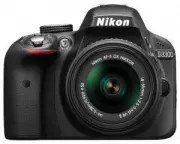 Nikon D3300
Manual
Nikon D3300
Manual
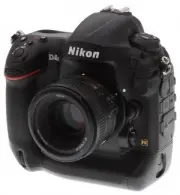 Nikon D4S
Manual
Nikon D4S
Manual
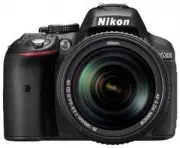 Nikon D5300
Manual
Nikon D5300
Manual
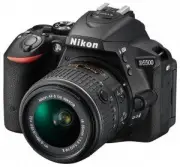 Nikon D5500
Manual
Nikon D5500
Manual
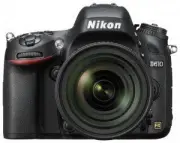 Nikon D610
Manual
Nikon D610
Manual
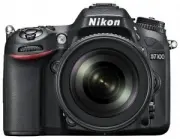 Nikon D7100
Manual
Nikon D7100
Manual
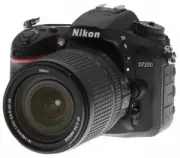 Nikon D7200
Manual
Nikon D7200
Manual
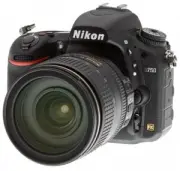 Nikon D750
Manual
Nikon D750
Manual
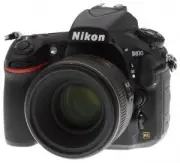 Nikon D810
Manual
Nikon D810
Manual
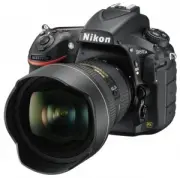 Nikon D810A
Manual
Nikon D810A
Manual
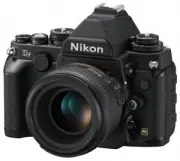 Nikon Df
Manual
Nikon Df
Manual
 Nikon 1 AW1
Manual
Nikon 1 AW1
Manual
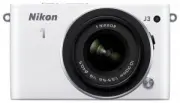 Nikon 1 J3
Manual
Nikon 1 J3
Manual
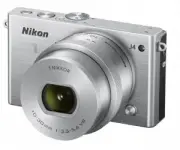 Nikon 1 J4
Manual
Nikon 1 J4
Manual
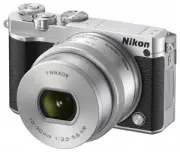 Nikon 1 J5
Manual
Nikon 1 J5
Manual
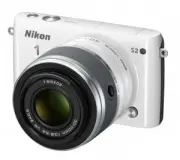 Nikon 1 S2
Manual
Nikon 1 S2
Manual
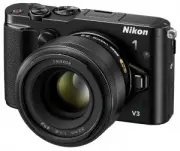 Nikon 1 V3
Manual
Nikon 1 V3
Manual
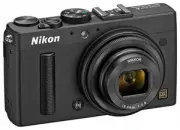 Nikon Coolpix A
Manual
Nikon Coolpix A
Manual
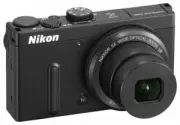 Nikon Coolpix P330
Manual
Nikon Coolpix P330
Manual
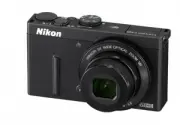 Nikon Coolpix P340
Manual
Nikon Coolpix P340
Manual