Page 2 - Combination with digital camera
4 5 6 91 デジタルカメラとの組み合わせ このレンズは、ニコンデジタルカメラ D1 でもお使いいただけます。 このとき、対角線画角は 18°50 ′となり、 35mm 判カメラの焦点距離約 127.5mm 相当の PC レンズと なります。 なおニコンデジタルカメラ E2 / E3 シリーズにもお使いになれますが、あおり機構はお使いにな れません。また、方式の違いによりこちらの対角線画角は変わりません。 Combination with digital camera This lens can be used in combination with the Nikon Professio...
Page 3 - 日本語; Combinación con cámara digital
7 日本語 .............................................................. 8-15, 72-89 English .......................................................... 16-23, 72-89Deutsch ........................................................ 24-31, 72-89Français .........................................................
Page 4 - 各部の名称; 目次
8 各部の名称 1 距離リング 2 絞り目盛 3 絞りリング 4 絞り込みボタン 5 シフトノブ 6 シフト目盛 7 距離目盛指標 8 被写界深度目盛 9 距離目盛 !p 絞り指標 !q ティルトノブ !w ティルト目盛 !e レボルビング指標 !r 着脱指標 !t CPU信号接点 !y シフトロックノブ !u レンズ鏡筒 !i ティルトロックノブ !o レボルビングレバー 日本語 目次 はじめに .................................2デジタルカメラとの組み合わせ .............6各部の名称 .................................
Page 5 - レンズのつけ方、外し方
9 レンズのつけ方、外し方 ※ このレンズはオートフォーカスレンズではありませんので、AFカメラ使用時はフォーカスモードをM (マニュアル)にセットしてください。これによりフォーカスエイドが可能となります。 ● シフト状態でのレンズの装着は、レンズとカメラボディのグリップ部の間に指をはさむことがありま すのでご注意ください。 [レンズのつけ方] 1. シフトノブとティルトノブを回して、あらかじめシフト量とティルト量を0にセットします。 2. カメラの電源スイッチをOFFにし、カメラとレンズの着脱指標を合わせて、レンズを矢印方向にカチッ と音がするまで回します(レンズ取り外しボタンは押さないでく...
Page 6 - ピントの合わせ方; 絞りについて
10 1. シフトノブとティルトノブを回して、あらかじめシフト量とティルト量を0にセットします。2. 絞りが絞り込み状態のときは絞り込みボタンを操作して絞りを開放の状態にします。3. 距離リングを回してピントを合わせます。 ・ あおり操作中にフォーカスエイドによるピント合わせを行った場合、合焦表示●が正確に表示されま せんので、ファインダースクリーンでピントを合わせてください。ただし、あおり操作を行っていな い場合は、ファインダー内の合焦表示●を確認しながらピントを合わせることもできます。 ・ ピントを合わせた後にあおり操作を行った場合、再度ファインダースクリーンでピントを合わせてく ださい。...
Page 11 - 仕様
15 仕様 焦点距離: 85mm 最大口径比: 1:2.8 レンズ構成: 5群6枚 画角:対角線 28゜30′ 垂直 16゜ 水平 23゜50′ 最大撮影倍率: 1/2(倍) 距離目盛: ∞〜0.39m、1 1 / 2 ft(併記) 距離情報: カメラボディへの撮影距離情報出力可能 絞り目盛: 2.8、4、5.6、8、11、16、22、32、45 絞り方式: プリセット絞り あおり機構: シフト、ティルト直交式(平行式に変更する改造を有料にて引き受けます。詳しくは当社 サービス機関にお問い合わせください。 ) シフト量: ±12.4mm ティルト量: ±8.3゜ イメージサークル径: 68mm...
Page 12 - Nomenclature; English; Contents
16 Nomenclature 1 Focusing ring 2 Aperture scale 3 Aperture ring 4 Aperture stop-downbutton 5 Shift knob 6 Shift scale 7 Distance index 8 Depth of field scale 9 Distance scale !p Aperture index !q Tilt knob !w Tilt scale !e Revolving index !r Mounting index !t CPU contacts !y Shift lock release knob...
Page 13 - Mounting/Detaching Lens; Mounting Lens
17 Mounting/Detaching Lens * This lens is not an AF (autofocus) lens. When this lens is used with an AF camera, set the focus mode to M (manual) on the camera body. Manual focus with electronic rangefinder is possible. • When mounting the lens after it has been shifted, be careful not to pinch your ...
Page 14 - Focusing; Aperture
18 1. Set the shift and tilt amount to 0 by rotating the shift and tilt knobs. 2. If the aperture is set to stop-down aperture, set the aperture to its maximum by pressing theaperture stop-down button. 3. Focus by rotating the focusing ring. • Camera’s in-focus indicator • does not appear properly i...
Page 17 - Revolving; Note on the shift and tilt lock-release knobs
21 Revolving This operation rotates the lens. By revolving the lens, the shift function can be changed to operatevertically, and the tilt function can be changed to operate horizontally. The lens can be revolved upto 90° right or left. 1 2 E 1. Place the camera on a tripod and slide the revolving le...
Page 18 - Lens Care; Accessories
22 Lens Care • When the lens is not in use, set the tilt and shift amount to “0” since it has many moving parts, and can thus be easily soiled by dust or dirt. • Clean the lens surface with a blower brush. To remove dirt and smudges, use a soft, clean cotton cloth or a lens tissue moistened with eth...
Page 19 - Specifications
23 Specifications Focal length: 85mmMaximum aperture: f/2.8Lens construction: 6 elements in 5 groupsPicture angle: Diagonal: 28˚30’, Vertical: 16°, Horizontal: 23°50'Maximum reproduction ratio: 1:2Distance scale: Graduated in meters and feet from 0.39m (1 1 / 2 ft.) to infinity ( ∞ ) Distance inform...
Page 20 - Teilebezeichnungen; Deutsch; Inhalt
24 Teilebezeichnungen 1 Entfernungsring 2 Blendenskala 3 Blendenring 4 Abblendtaste 5 Dezentrierknopf 6 Dezentrierskala 7 Entfernungsindex 8 Schärfentiefenskala 9 Entfernungsskala !p Blendenindex !q Verschwenkungsknopf !w Verschwenkungsskala !e Drehender Index !r Index zum Ansetzen !t CPU-Kontakte !...
Page 21 - Ansetzen und Abnehmen des Objektivs; Ansetzen des Objektivs
25 Ansetzen und Abnehmen des Objektivs * Das Objektiv ist nicht für automatische Scharfeinstellung geeignet. Eine AF-Kamera muß deshalb auf M (manuelle Fokussierung) eingestellt werden. Manuelle Fokussierung mit der elektronischenEinstellhilfe ist jedoch möglich. • Achten Sie beim Ansetzen des verst...
Page 22 - Scharfeinstellung
26 1. Stellen Sie die Dezentrier- und Schwenkbewegungen mit den betreffenden Knöpfen auf Null. 2. Sollte die Abblendtaste eingerastet sein, lösen Sie sie durch einen kurzen Druck. 3. Fokussieren Sie mit dem Entfernungsring. • Der Schärfenindikator • im Kamerasucher kann nicht einwandfrei funktionier...
Page 23 - Belichtungsmessung mit einem Handbelichtungsmesser; Belichtungsmessung mit dem Meßsystem der Kamera
27 G 1. Schalten Sie die Kamera auf manuelle Belichtungseinstellung (M). • Stellen Sie die Dezentrier- und Schwenkbewegungen mit den betreffenden Knöpfen auf Null. 2. Sollte die Abblendtaste eingerastet sein, drücken Sie sie zur Einstellung der größten Öffnung.Stellen Sie auch den Blendenring auf gr...
Page 24 - Verschwenkung des optischen Systems
28 1. Stellen Sie die Kamera auf ein Stativ, und lösen Sie die Klemmschraube derDezentrierbewegung. 2. Blicken Sie in den Sucher, und verschieben Sie das Objektiv mit dem Dezentrierknopf. 3. Wenn die gewünschte Dezentrierung erreicht ist, arretieren Sie das System mit derentsprechenden Klemmschraube...
Page 25 - Drehung des optischen Systems; Hinweis zu den Dezentrier- und Verschwenkungsköpfen
29 G Drehung des optischen Systems Die Drehung des Systems um 90° nach rechts oder links gestattet den Einsatz der Dezentrier- undSchwenkbewegungen sowohl horizontal als auch vertikal. 1. Stellen Sie die Kamera auf ein Stativ, und drehen Sie das Objektiv mit Hilfe desentsprechenden Hebels. • Stellen...
Page 26 - Objektivpflege; Zubehör
30 Objektivpflege • Bei Nichtbenutzung sollten die Verstellbewegungen des Objektivs stets auf Null zurückgestellt sein, um das Eindringen von Staub und Schmutz in die aufwendige Mechanik mit ihren vielenbeweglichen Teilen zu verhindern. • Reinigen Sie Glasflächen mit einem Blasepinsel. Staub und har...
Page 27 - Technische Daten
31 G Technische Daten Brennweite: 85 mmÖffnungsverhältnis: 1:2,8Optischer Aufbau: Sechs Linsen in fünf GliedernBildwinkel: Diagonal 28°30’, vertikal 16°, horizontal 23°50’Größter Abbildungsmaßstab: 1:2Entfernungsskala: In Metern und Fuß von 0,39 m (1 1 / 2 ft.) bis unendlich ( ∞ ) Abstandsinformatio...
Page 28 - NOMENCLATURE; Français
32 NOMENCLATURE 1 Bague de mise au point 2 Echelle des ouvertures 3 Bague des ouvertures 4 Bouton de fermeture dudiaphragme 5 Molette de décentrement 6 Echelle de décentrement 7 Index des distances 8 Echelle de profondeur dechamp 9 Echelle des distances !p Index des ouvertures !q Molette d’inclinais...
Page 29 - Montage/démontage de l’objectif; Montage de l’objectif
33 Montage/démontage de l’objectif * Cet objectif n’est pas un objectif AF (autofocus). Quand il est utilisé avec un appareil AF, réglez le mode de mise au point à M (manuel) sur l’appareil. La mise au point manuelle avec télémètreélectronique est possible. • Si vous montez l’objectif après son incl...
Page 30 - Mise au point; Ouverture
34 1. Réglez le décentrement et l’inclinaison à 0 en tournant les molettes de décentrement etd’inclinaison. 2. Si l’ouverture est diaphragmée, réglez-la à son maximum en appuyant sur le bouton defermeture du diaphragme. 3. Mettez au point en tournant la bague de mise au point. • L’indicateur de mise...
Page 31 - Détermination de l’ouverture (avec un posemètre extérieur); Détermination de l’ouverture (avec le posemètre intégré)
35 F 1. Réglez le mode d’ouverture de l’appareil à M (manuel). • Réglez le décentrement et l’inclinaison à 0 en tournant les molettes de décentrement et d’inclinaison. 2. Appuyez sur le bouton de fermeture du diaphragme pour régler à l’ouverture maximale.Réglez aussi la bague des ouvertures à la val...
Page 32 - Fonction d’inclinaison
36 1. Placez l’appareil sur un pied et déverrouillez le décentrement en tournant la molette delibération du verrouillage de décentrement. 2. En regardant dans le viseur, décentrez l’objectif en tournant la molette de décentrement. 3. Une fois l’objectif décentré comme souhaité, verrouillez le décent...
Page 33 - Rotation
37 F Rotation Cette opération tourne l’objectif. En faisant tourner l’objectif, la fonction de décentrement peut êtremodifiée pour opérer verticalement, et la fonction d’inclinaison pour opérer horizontalement.L’objectif peut se tourner de 90˚ vers la droite et la gauche. 1 2 1. Placez l’appareil su...
Page 34 - Entretien de l’objectif; Accessoires
38 Entretien de l’objectif • Quand l’objectif n’est pas utilisé, réglez le décentrement et l’inclinaison à 0 parce qu’il y a beaucoup de pièces mobiles et qu’elles peuvent donc être facilement salies ou empoussiérées. • Nettoyez la surface de la lentille avec une poire soufflante. Pour éliminer les ...
Page 35 - Spécifications
39 F Spécifications Focale: 85 mm Ouverture maximale: f/2,8Construction optique: 6 éléments en 5 groupesAngle d’image: en diagonale: 28˚30’, vertical: 16˚, horizontal: 23˚50’Taux de reproduction maximum: 1:2Echelle des distances: Graduée en mètres et en pieds de 0,39 m (1 1 / 2 pied) à l’infini ( ∞ ...
Page 36 - Nombres; Español; Indice
40 Nombres 1 Aro de enfoque 2 Escala de aberturas 3 Aro de aberturas 4 Botón de reducción deabertura 5 Perilla de desplazamiento 6 Escala de desplazamiento 7 Indice de distancia 8 Escala de profundidad decampo 9 Escala de distancias !p Indice de abertura !q Perilla de inclinación !w Escala de inclin...
Page 37 - Montura/desmontaje del objetivo; Montura del objetivo
41 S Montura/desmontaje del objetivo * Este objetivo no es AF (autofoco). Cuando se instale este objetivo en una cámara AF, mueva el modo de enfoque a M (manual) en la cámara. Es posible un enfoque manual con visorelectrónico. • Cuando monte el objetivo después de desplazarlo, tenga cuidado de no at...
Page 38 - Enfoque; Abertura
42 1. Ajuste la cantidad de desplazamiento e inclinación a 0 girando la perillas de desplazamientoe inclinación. 2. Si se ajusta la reducción de abertura, haga un ajuste de abertura a su máximo presionando elbotón de reducción de abertura. 3. Enfoque girando el aro de enfoque. • El indicador de enfo...
Page 40 - Función de inclinación
44 1. Instale la cámara sobre un trípode y desbloquee el desplazamiento girando la perilla deliberación de bloqueo del desplazamiento. 2. Mientras mira por el visor, desplace el objetivo girando la perilla de cambio. 3. Después de desplazar el objetivo en la cantidad deseada, bloquee el desplazamien...
Page 41 - Revolución
45 S Revolución Esta operación gira el objetivo. Mediante una revolución del objetivo, la función de desplazamientopuede cambiarse para que actúe verticalment y la función de inclinación puede cambiarse paraque actúe horizontalmente. El objetivo puede tener una revolución de hasta 90º a la derecha o...
Page 43 - Especificaciones
47 S Especificaciones Distancia focal: 85 mmAbertura máxima: f/2,8Diseño de objetivo: 6 elementos en 5 gruposAngulo de imagen: Diagonal: 28º30’, Vertical; 16º, Horizontal: 23º50’Máxima relación de reproducción: 1:2Es la de distancias: graduada en metros y pies de 0,39 m (1 1 / 2 pie) a infinito ( ∞ ...
Page 44 - Nomenclatura; Italiano
48 Nomenclatura 1 Anello di messa a fuoco 2 Scala di apertura 3 Anello di apertura 4 Tasto per la riduzionedell’apertura dell’obiettivo 5 Manopola d’orientamento 6 Scala d’orientamento 7 Indicatore di distanza 8 Scala della profondità delcampo 9 Scala delle distanze !p Indice d’apertura !q Manopola ...
Page 45 - Innesto/stacco dell’obiettivo; Innesto dell’obiettivo
49 I Innesto/stacco dell’obiettivo * Quest’obiettivo non è del tipo a messa a fuoco automatica AF. Quando lo si usa con le fotocamere AF, regolare il modo di messa a fuoco sulla fotocamera su M (manuale). E’ possibileusare la messa a fuoco manuale con il telemetro elettronico. • Quando s’innesta l’o...
Page 46 - Messa a fuoco; Apertura
50 1. Regolare il valore d’orientamento e d’inclinazione su 0 ruotando le manopole d’orientamentoe d’inclinazione. 2. Se l’apertura è regolata sull’apertura ridotta, regolarla sul valore massimo premendo il tastoper la riduzione dell’apertura dell’obiettivo. 3. Mettere a fuoco ruotando l’anello di m...
Page 47 - Determinazione dell’esposizione (usando un esposimetro esterno)
51 I 1. Regolare il modo d’esposizione della fotocamera su M (manuale). • Regolare il valore d’orientamento e d’inclinazione su 0 ruotando le manopole d’orientamento e d’inclinazione. 2. Premere il tasto per la riduzione dell’apertura dell’obiettivo per regolare l’apertura sul valoremassimo. Ruotare...
Page 48 - La funzione inclinazione
52 1. Mettere la fotocamera su un cavalletto e sbloccare l’orientamento ruotando la manopola disblocco dell’orientamento. 2. Guardare attraverso il mirino e contemporaneamente orientare l’obiettivo usando la manopola apposita. 3. Dopo aver orientato l’obiettivo sul punto desiderato, bloccare l’orien...
Page 49 - Rotazione
53 I Rotazione Quest’operazione permette di far ruotare l’obiettivo. Ruotando l’obiettivo, la funzione orientamentopuò essere modificata per operare verticalmente mentre la funzione inclinazione può esseremodificata per operare orizzontalmente. L’obiettivo può essere ruotato fino a 90° verso destra ...
Page 51 - Caratteristiche tecniche
55 I Caratteristiche tecniche Distanza focale: 85mmApertura massima: f/2,8Struttura dell’obiettivo: 6 elementi in 5 gruppiAngolo d’inquadratura: diagonale 28°30’, verticale: 16°, orizzontale: 23°50’Rapporto massimo di riproduzione: 1:2Scala della distanza: graduata in metri ed in piedi da 0,39m (1 1...
Page 52 - シフト操作でこんな撮影が行えます; Using the Shift Function; Correcting perspective distortion
72 シフト操作でこんな撮影が行えます Using the Shift Function Die Dezentrierung in der Praxis Emploi de la fonction de décentrement Uso de la función de desplazamiento Uso della funzione orientamento 1.シフト操作により被写体の歪みを修正する 商品撮影などを行う場合に被写体の上方よりカメラを構えると、必然的にカメラは下に向けられます。この状態で撮影を行うと、被写体が下すぼまりの不自然な形で、手前に傾いたように写ります(作例A) 。...
Page 53 - Ch
73 1. Korrektur perspektivischer Verzerrung Bei Aufnahmen von einem erhöhten Standpunkt, wie es in der Produktfotografie oft erforderlich ist,blickt die Kamera unweigerlich nach unten. Normalerweise wird dadurch der untere Teil des Bildesverzerrt wiedergegeben (Bild A). Dies ist die Folge des unters...
Page 54 - Excluding unwanted reflections
74 2.シフト操作により撮影者やカメラの被写体への写り込みを防止する 鏡やガラスなどの撮影を行う場合、撮影者やカメラが被写体に写り込んでしまう場合があります(作例A) 。この ような場合、鏡やガラスなどに写り込まない位置にカメラを三脚などで固定し、シフトノブを回してレンズを左または右にシフトさせると、被写体の鏡やガラスなどに撮影者やカメラが写り込まないように撮影が行えます (作例B) 。 2. Excluding unwanted reflections When shooting a reflective surface such as a mirror or windowpane, th...
Page 55 - Exclusion des réflexions indésirables
75 J E G F S I Ch Ck 2. Exclusion des réflexions indésirables En prenant une surface réfléchissante, par exemple un miroir ou une vitre, le photographe oul’appareil peut être réfléchi sur l’image (Photo A). Pour éviter cela, placez l’appareil sur un pied dansune position où il n’est pas réfléchi, pu...
Page 56 - Excluding unwanted objects from in front of the main subject
76 3.シフト操作により撮影画面内の被写体の前にある不要物を避ける 撮影したい構図であるにもかかわらず、撮影画面内の被写体の前に不要物がある場合があります(作例A) 。この ような場合、不要物が撮影画面内に入らない位置にカメラを平行移動して三脚などで固定し、シフトノブを回してレンズを左または右にシフトさせると、撮影したい構図で障害物が写らないように撮影が行えます(作例B) 。 3. Excluding unwanted objects from in front of the main subject Sometimes, after you’ve placed the camera in ...
Page 57 - Exclusion d’objets indésirables devant du sujet principal
77 J E G F S I Ch Ck 3. Exclusion d’objets indésirables devant du sujet principal Parfois, après avoir placé l’appareil à l’emplacement souhaité pour une composition spécifique, desobjets indésirables apparaissent devant le sujet principal, gênant la prise de vues (Photo A). Pourexclure de tels obje...
Page 58 - ティルト操作でこんな撮影が行えます; Using the Tilt Function
78 ティルト操作でこんな撮影が行えます Using the Tilt Function Die Verschwenkung in der Praxis Utilisation de la fonction d’inclinaison Uso de la función de inclinación Uso della funzione inclinazione 1.ティルト操作により被写体面の手前から奥までピントを合わせる カメラに対して平行でない被写体面を撮影する場合、レンズの絞りを絞り込んで(大きい数値にして)被写界深度(ピントの合う前後の範囲)を深くしないと被写体面の手前から奥までピン...
Page 59 - Schärfendehnung nach Scheimpflug
79 J E G F S I Ch Ck 1. Achieving focus on the entire subject plane when it is not parallel to the film plane When the subject plane is not parallel to the film plane, focus cannot be achieved throughout theentire subject plane unless you close the lens’ aperture (select a large f-number) and attain...
Page 60 - Achieving focus on a specific part of the subject
80 2.ティルト操作により被写体の一部分にピントを合わせる 被写体の一部分にピントを合わせて撮影する場合、レンズの絞りを開いて(小さい数値にして)被写界深度(ピントの合う前後の範囲)を浅くしないと被写体の一部分にピントを合わせることはできません(作例A) 。このよ うな場合、カメラを三脚などで固定し、ティルトノブを回してレンズを左または右(上または下)にティルトさせると、被写体の一部分がカメラのフィルム面で像を結ぶことになり、レンズの絞りを開いて被写界深度を浅くしなくても、被写体面の一部分にピントの合った撮影が行えます(作例B) 。 2. Achieving focus on a speci...
Page 61 - Punktschärfe auf einem Motivdetail
81 J E G F S I Ch Ck 2. Punktschärfe auf einem Motivdetail Normalerweise muß zur Erzielung von Punktschärfe auf einem bestimmten Motivdetail weitaufgeblendet werden (Einstellung einer niedrigen Blendenzahl) (Bild A). Mit dem PC Micro-Nikkorläßt sich derselbe Effekt jedoch auch ohne Aufblendung erzie...
Page 62 - シフトとティルトを併用した撮影; Using the Shift and Tilt Functions Simultaneously
82 シフトとティルトを併用した撮影 Using the Shift and Tilt Functions Simultaneously Kombinierter Einsatz von Dezentrierung und Verschwenkung Utilisation simultanée des fonctions de décentrement et d’inclinaison Uso simultáneo de las funciones de desplazamiento e inclinación Uso simultaneo della funzione d’orientam...
Page 64 - 被写界深度表等撮影用データ一覧
84 f/2.8 f/4 f/5.6 f/8 f/11 f/16 f/22 f/32 f/45 0.390- 0.390- 0.389- 0.389- 0.389- 0.388- 0.388- 0.386- 0.385- 0.39 0.390 0.390 0.391 0.391 0.391 0.392 0.393 0.394 0.396 1:1.95 2.37 1 1 / 4 0.400- 0.399- 0.399- 0.399- 0.398- 0.398- 0.397- 0.396- 0.394- 0.40 0.400 0.401 0.401 0.401 0.402 0.402 0.403 ...
Page 66 - ファインダースクリーンとの組み合わせ; Recommended Focusing Screens; M R T U; スクリーン
86 ファインダースクリーンとの組み合わせ ニコンF5, F4シリーズ、F3シリーズカメラボディには多種類のファインダースクリーンがあり、レンズの タイプや撮影条件に合わせて最適のものを選ぶことができます。このレンズに適したファインダースク リーンは次表のとおりです。 Recommended Focusing Screens Various interchangeable focusing screens are available for Nikon cameras to suit any type of lens orpicture-taking situation. Those whic...
Page 68 - 接写表; /Photographic Range with Close-Up Attachment
88 接写表 /Photographic Range with Close-Up Attachment Einstellbereiche mit NahzubehörRapports obtenus en proxiphotographie et photomacrographieRangos fotograficos con accesorios de acercamientoFotografia con dispositivi per riprese Close-up レンズ正方向 Lens in normal position Objektiv in Normalstellung Obj...


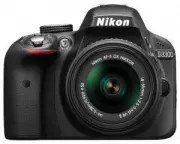 Nikon D3300
Manual
Nikon D3300
Manual
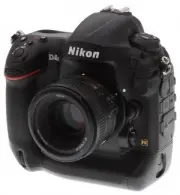 Nikon D4S
Manual
Nikon D4S
Manual
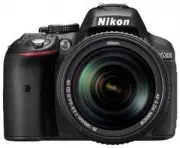 Nikon D5300
Manual
Nikon D5300
Manual
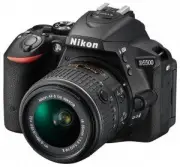 Nikon D5500
Manual
Nikon D5500
Manual
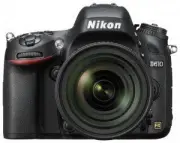 Nikon D610
Manual
Nikon D610
Manual
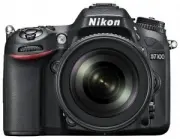 Nikon D7100
Manual
Nikon D7100
Manual
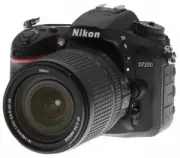 Nikon D7200
Manual
Nikon D7200
Manual
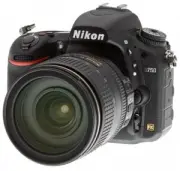 Nikon D750
Manual
Nikon D750
Manual
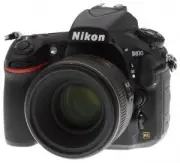 Nikon D810
Manual
Nikon D810
Manual
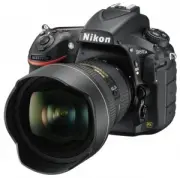 Nikon D810A
Manual
Nikon D810A
Manual
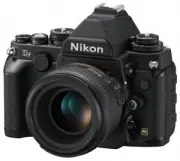 Nikon Df
Manual
Nikon Df
Manual
 Nikon 1 AW1
Manual
Nikon 1 AW1
Manual
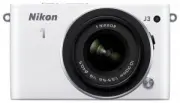 Nikon 1 J3
Manual
Nikon 1 J3
Manual
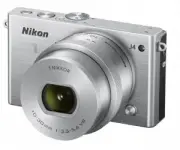 Nikon 1 J4
Manual
Nikon 1 J4
Manual
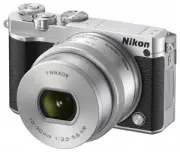 Nikon 1 J5
Manual
Nikon 1 J5
Manual
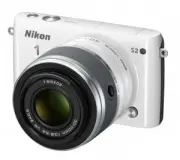 Nikon 1 S2
Manual
Nikon 1 S2
Manual
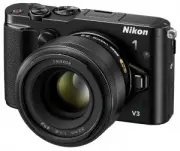 Nikon 1 V3
Manual
Nikon 1 V3
Manual
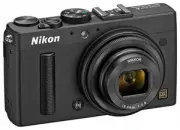 Nikon Coolpix A
Manual
Nikon Coolpix A
Manual
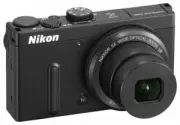 Nikon Coolpix P330
Manual
Nikon Coolpix P330
Manual
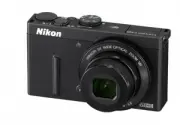 Nikon Coolpix P340
Manual
Nikon Coolpix P340
Manual