Page 5 - About the Author
About the Author J. Dennis Thomas, known to his friends as Denny, has been interested in photographysince his early teens when he found some of his father’s old photography equipment andphotographs of the Vietnam War. Fortunately, he was able to take photography classes withan amazing teacher that s...
Page 7 - Credits
Project Editor Cricket Krengel Technical Editor Michael D. Sullivan Copy Editor Jerelind Charles Product Development Super visor Courtney Allen Editorial Manager Robyn B. Siesky Vice President & Group ExecutivePublisher Richard Swadley Vice President & Publisher Barry Pruett Business Manager...
Page 9 - Acknowledgments
Acknowledgments T hanks to Jack Puryear at Puryear Digital Photography, Robert and Jerry at PrecisionCamera and Video in Austin, TX, Julia Czech at Wet Salon in Austin, TX, the faculty and staff at Austin Community College, all the bands and models, Cricket, Courtney, and Tom atWiley Publishing, and...
Page 11 - Contents at a Glance
Contents at a Glance Acknowledgments . . . . . . . . . . . . . . . . . . . . . . . . . . . . . . . . . . . . . ixIntroduction . . . . . . . . . . . . . . . . . . . . . . . . . . . . . . . . . . . . . . . xixQuick Tour . . . . . . . . . . . . . . . . . . . . . . . . . . . . . . . . . . . . . . . . . ...
Page 13 - Contents; Introduction; Quick Tour 1
Contents Introduction xix Quick Tour 1 Getting Up and Running Quickly 2 Taking Your First Photos with the Speedlight 4 Part I: Using the CreativeLighting System 7 Chapter 1: Exploring the CLS 9 Features of the Nikon Creative Lighting System 9 SB-800 10 SB-800 specs and features 10 Main parts 12 Cont...
Page 18 - Part III: Appendixes 177; Appendix A: Resources 185; Index
Part III: Appendixes 177 Glossary 179 Appendix A: Resources 185 Informational Web Sites 185 Workshops 186 Online Photography Magazines and Other Resources 186 Index 189 02_045275 ftoc.qxp 11/28/06 8:28 PM Page xviii
Page 19 - The Evolution of the Nikon CLS
Introduction W hen Nikon introduced the Creative Lighting System, it was mostly overlooked.The focus was on the rapidly changing advancement of digital SLR cameras. This disregard was a shame because the Nikon Creative Lighting System was the most amazingdevelopment to happen to photographic lightin...
Page 20 - What’s in This Book for You?; xx
xx Current element In 2002 Nikon replaced the SB-28DX with the SB-80DX. The changes were minimal, morepower, wider zoom, and a modeling light. They also returned the wireless optical sensor. Asbefore, although you could use this Speedlight wirelessly, you still had to set everything upon the flash i...
Page 21 - Quick Tour
QT QT C H A P T E R Quick Tour M any cameras come equipped with a built-in flash.Like any photographer who takes many photos with flash, you soon learn the limitations of these built-inflashes. In order to obtain better flash lighting for portraits, stilllifes, and other types of photography, the ne...
Page 31 - Understanding the Guide Number
✦ i-TTL. Supports i-TTL, D-TTL, TTL,and full Manual operation. ✦ Advanced Wireless Lighting. Thisallows you to control up to threedifferent groups of Speedlights inTTL, AA, A, or M mode. ✦ Slow Sync. Enables you to matchthe ambient background lightingwith the flash so the backgrounddoesn’t end up bl...
Page 32 - Main parts
Main parts The main parts of the SB-800 Speedlight areidentified and discussed in the followingsections. Figures and explanations of eachpart and feature are included so you have aclear understanding of how each is used. ✦ Flash head. This is where theflashbulb is located. Inside is amechanism that ...
Page 35 - Control buttons
✦ PC sync terminal. This is used forlinking more than one flash unit innon-TTL mode, usually in manualmode. ✦ External AF-assist contacts. Thesecontacts are for use with theoptional SC-29 TTL remote cord. Thisallows you to use the AF-assist beamwhen using your flash off camera. ✦ Hot shoe mounting f...
Page 37 - SB-600 feature overview
Depending on which cameraand lens you are using, all ofthe SB-800 flash modes may ormay not be available. In addition to the standard buttons on theback of the Speedlight, there are some func-tions that can only be accessed by pressingtwo buttons at the same time: ✦ Mode and Select. When thesetwo bu...
Page 43 - Camera compatibility
✦ Mode and minus. When themode button and the - button arepressed in conjunction the controlbuttons are locked to prevent anyaccidental changes to the settings. The lock does not affect theflash button and the On/Offbutton. ✦ Zoom and minus. Pressing theZoom button and the – buttontogether switches ...
Page 44 - Nikon CLS Camera Compatibility
24 Part I ✦ Using the Creative Lighting System Table 1.1 Nikon CLS Camera Compatibility Camera Model or Series CLS Feature Details D50 i-TTL flash Available with the built-inSpeedlight, SB-800, and SB-600 i-TTL balanced fill flash Available with the built-inSpeedlight, SB-800, and SB-600 Auto apertu...
Page 49 - Power Requirements
2 2 C H A P T E R Setting Up the SB-600and SB-800 T his chapter covers how to set up your Speedlights forvarious types of use. I discuss the different flash settings and offer suggestions on when to use them. You also learnhow to set up your Speedlights for wireless use and how toset the zoom head f...
Page 50 - Rechargeable
Non-rechargeable If you are not ready to invest a set or two ofrechargeable batteries for your Speedlights,you should consider your choices within thenon-rechargeable variety. There are threetypes to choose from. ✦ Alkaline-manganese. These areyour everyday, standard type ofbattery, alkaline batteri...
Page 51 - Flash Modes; DTTL
With Ni-MH batteries, you mustfully charge the batteries beforeyou install them into yourSpeedlight. If one of the batter-ies in the set becomes dis-charged before the others, thedischarged battery goes intopolarity reversal, which meansthe positive and negative polesbecome reversed, causing per-man...
Page 53 - Repeating flash
Non-TTL Auto flash When using the Auto flash mode, the mon-itor pre-flash solely determines the flashoutput. To adjust the exposure you simplychange the aperture value in your camerasettings. To use this mode: 1. Set your camera to AperturePriority (A) or Manual (M). 2. Press the Mode button on theS...
Page 54 - Commander; Wireless remote flash
4. Press the center Multi-selectorbutton again. This sets the flashlevel and highlights the frequencysetting. Set the frequency to howmany times you want the flash tofire per second. 5. Press the center Multi-selectorbutton again. This sets the fre-quency and highlights the settingfor the number of ...
Page 57 - Channels
2. Use the + or – buttons to enterthe Zoom menu. The defaultmenu will indicate manual zoom isoff. 3. Use the Mode button to turn themanual zoom on. 4. Press the On/Off button toreturn to main menu. 5. Use the Zoom button to choosethe correct zoom position. SB-800 To set the zoom manually: 1. Press t...
Page 61 - Locking controls
Locking controls After you have the settings on yourSpeedlight where you want them, you canlock the settings in to prevent accidentalchanges from occurring while you handlethe flash units. This function ensures thatyour Speedlights stay exactly as you setthem. Although the settings arelocked, some b...
Page 64 - AF Assist
AF Assist When photographing in a dark environment,it is sometimes hard for your camera’s auto-focus sensor to find something to lock on to.When using an SB-800 or SB-600 in a low-light situation, the flash emits an LED pat-tern to give your camera sensor somethingto focus on. For this feature to wo...
Page 73 - Basics of Lighting; Studio lighting; Placement
The modeling light from aSpeedlight fires a quick 2.5 sec-ond series of flashes. It doesn’tprovide constant lighting so youcan see what you are doing. Italso eats your battery powerquickly. Even though studio lighting in a more tradi-tional sense does have some advantagesover using Speedlights, the ...
Page 76 - Basic Portrait lighting types
You don’t have to have three orfour Speedlights to set up a stu-dio. Many photographers, evenprofessionals, capture greatportraits using one flash, eitheron or off the camera. If you’reusing just one Speedlight, con-sider investing in the Nikon SC-29 off camera hot shoe cord.Moving the Speedlight of...
Page 79 - Lighting Ratios
Chapter 3 ✦ Flash Photography Basics 59 Lighting Ratios Lighting ratios are the difference in light intensity between the shadow and highlightsides of your subject. Lighting ratios are expressed as any other ratio is, for example,2:1, which translates as one side being twice as bright as the other. ...
Page 82 - Preset white balance
Color Temperatureand White Balance Light, whether it be sunlight, moonlight, flo-rescent light, or light from a Speedlight, ismeasured using the Kelvin scale. This meas-urement is also known as color tempera-ture . One of the advantages of using a digital camera is the ability to measure thecolor te...
Page 86 - Using Bounce Flash
Using Bounce Flash When shooting photos with a Speedlightattached to your camera, you can achievedramatically different lighting effects bybouncing the light from your flash off theceiling (or reflector) onto your subject.Bounce flash provides a softer and moreevenly lit image. Bounced flash is a te...
Page 87 - When to use bounce flash
Chapter 3 ✦ Flash Photography Basics 67 3.20 Close up portrait using the flash in bounced position When to use bounce flash You have many situations where a bouncedflash is more desirable, especially when tak-ing portraits or snapshots. These situationsinclude: ✦ Camera is close to the subject. Ifyo...
Page 90 - Guide number
70 Part II ✦ Creating Great Photos with the Creative Lighting System 5. Take a test shot. Take a photoand review the results on your dig-ital camera’s LCD (if you are usinga digital camera). If the imageappears under or overexposed, youcan adjust the output of the flashby adjusting the flash compens...
Page 91 - Aperture
Chapter 3 ✦ Flash Photography Basics 71 Aperture Another factor that determines the properflash exposure is the aperture setting. Thewider the aperture, the more light falls onthe sensor. The aperture or f-stop number isa ratio showing the fractional equivalent ofthe opening of the lens compared to ...
Page 93 - GN ÷ Distance = Aperture; Sync Speed
Chapter 3 ✦ Flash Photography Basics 73 In simpler terms this means you divide oneby the distance then square the result. So ifyou double the distance, you get 1/2squared, or 1/4 of the total light; if youquadruple the distance, you get 1/4 squaredor 1/16 of the total light. This factor is impor-tan...
Page 99 - Co; TTL; mm
5. Select the desired mode: TTL,AA, or M. Push the multi-selectorright to save settings. Note thatwhen M is selected you must choose the flash output levelbefore you can save the settings. When using the D70/D70s built-in flash as a commander, be sureto set your remote Speedlights toChannel 3 Group ...
Page 101 - SB-800 in Master mode
SB-800 in Master mode To set the flash mode on the SB-800 inMaster mode: 1. Enter the CSM on the Speedlight.Press the Select button (SEL) fortwo seconds to get there. 2. Use the + or – and the left andright zoom buttons to choosethe wireless settings menu. Themenu has the icon of a flash withan arro...
Page 102 - Setting Channels
Setting Channels After you get the flash mode set, you decideon the channel. As discussed earlier, youhave four channels from which to choose.All four channels operate exactly the sameso it doesn’t matter which channel you useas long as all of your remote Speedlights areset to the same one. SB-800 i...
Page 103 - Setting Up Groups
2. Press the + or – buttons to cyclethrough the CSM until you see asquiggly arrow that says Offabove it. 3. Press the Zoom or Modebuttons to turn the remote setting on. 4. Press the Power button. Thisbrings you to the wireless remotesettings menu. 5. Press the Zoom button to setthe flash zoom to mat...
Page 108 - Choosing Umbrellas
Introduction to thePortable Studio A portable studio should include, butshould not be limited to at least oneSpeedlight, a reflector of some sort to fill inthe harsh shadows created by strobes, anumbrella or softbox to soften the light for amore pleasing effect, and one or more lightstands. Ideally,...
Page 110 - Using a Softbox; Flash-mount softboxes
Choosing the right umbrella is a matter ofpersonal preference. Some criteria to keepin mind when choosing your umbrellainclude the type, size, and portability. Youalso want to consider how it works withyour Speedlight. For example, regular andconvertible umbrellas return more light tothe subject whe...
Page 111 - Softbox alternatives
Stand-mounted softboxes come in a multi-tude of shapes and sizes ranging fromsquares to rectangles to ovals to octagons.Most photographers use standard square orrectangular softboxes. However, some pho-tographers prefer to use oval or octagonalones for the way that they mimic umbrellasand give a mor...
Page 113 - Muslin backdrops
For more information on highkey and low key, see Chapter 3. In order to keep your portable studio man-ageable, sometimes it might be necessary tocut down your seamless paper backdrop.For example, when I have to travel with myportable portrait studio, I usually take a 53inch wide by 36 foot roll of s...
Page 114 - Canvas backdrops
Muslin is very versatile, and although it’smuch more suited to portraits, it can beused successfully for product shots as well. Canvas backdrops Canvas backdrops are very heavy duty. Theyare usually painted a mottled color that islighter in the center and darkens around the edges, which helps the su...
Page 115 - Background stands; Space Requirements; Setting up indoors; Portraits
Background stands Background stands, amazingly enough, holdup your backgrounds. Most backgroundstand kits have three pieces: two stands anda cross-bar. The cross-bar slides into a roll ofpaper or other backdrop and is held up bythe stands. The cross-bar has two holes, oneat either end, which slide o...
Page 122 - Small products; Setting up outdoors
Small products Photographing small products requires a lotless room than photographing people. Youcan move the lights much closer, and youcan use a close-up or macro lens. Evenwhen using a lens with a long focal length,you are able to be closer to the subject,thereby reducing the amount of space you...
Page 123 - Camera cases and bags
speed. The FP High Speed Syncmode causes the Speedlight toemit a series of lower powerflashes that coincide with themovement of the shutter acrossthe focal plane, which is where thedigital sensor is. The drawback toFP High Speed Sync is that itdiminishes the range of theSpeedlight. FP High Speed Syn...
Page 129 - Inspiration; Obtaining Permission
While panning you can sometimes use aslower shutter speed to exaggerate theeffect of the background blur. Panning canbe a very difficult technique to master andrequires a lot of practice. Using flash for Action/Sports photography isnot always necessary or advisable.Sometimes you are so far away from...
Page 131 - Action and sports photography practice; Taking Action and Sports Pictures
Chapter 6 ✦ Real World Applications 111 Action and sports photography practice 6.3 Flowrider competition, New Braunfels, TX / Nikon D200 with Nikkor 80-200mm f/2.8, ISO 100, 1/250 sec. at f/7.1 with SB-600 set to TTL BL. Table 6.1 Taking Action and Sports Pictures Setup Practice Picture: For figure ...
Page 135 - Animal and pet photography practice; Taking Animal and Pet Pictures
Chapter 6 ✦ Real World Applications 115 Animal and pet photography practice 6.6 Clementine (Boston Terrier) / Nikon D200 with Nikkor 50mm f/1.8, ISO 400, 1/60 sec. at f/1.8 SB-600 on-camera TTL mode. Table 6.2 Taking Animal and Pet Pictures Setup Practice Picture: In figure 6.6, I was trying for a p...
Page 139 - Concert photography practice
Chapter 6 ✦ Real World Applications 119 Concert photography practice 6.9 Stacy Blades of L.A. Guns, the Red Eyed Fly, Austin, TX / Nikon D200 with Tokina 19-35mm f/3.5- 4.5 set at 35mm, ISO 100, 0.3 sec.at f/4.5. SB-600 in wireless TTL BL mode built-in flash as commander. 12_045275 ch06.qxp 11/28/06...
Page 140 - Taking Concert Pictures
120 Part II ✦ Creating Great Photos with the Creative Lighting System Table 6.3 Taking Concert Pictures Setup Practice Picture: For figure 6.9, I got up to the front of the stageand kneeled down to get a low perspective. On Your Own: Try to find a unique perspective. Getting lowalways seems to make ...
Page 141 - Concert photography tips
Concert photography tips ✦ Experiment. Don’t be afraid to trydifferent settings and long expo-sures. Long exposures enable youto capture much of the ambientlight while freezing the subjectwith the short bright flash. ✦ Call the venue before you go. Besure to call the venue to ensurethat you are able...
Page 144 - Event and wedding photography practice
Event and wedding photography practice 124 Part II ✦ Creating Great Photos with the Creative Lighting System 6.12 Texas Independence Day Memorial Service, Texas State Cemetery, Austin, TX / Nikon D70 with Nikkor 80-200mm f/2.8, ISO200, 1/1600 sec. at f/3.5 with SB-600 set to TTL BL. 12_045275 ch06.q...
Page 145 - Taking Event and Wedding Pictures
Chapter 6 ✦ Real World Applications 125 Table 6.4 Taking Event and Wedding Pictures Setup Practice Picture: This re-enactment soldier shown infigure 6.12 was loading his musket to prepare to firevolley in honor of the soldiers who fought for Texas’Independence. On Your Own: Look for interesting smal...
Page 149 - Environmental portrait photography practice
Environmental portrait photography practice Chapter 6 ✦ Real World Applications 129 6.15 Chris, Secret Hideout Studios, Austin, TX / Nikon D70 with Tamron 70-300mm f/4-5.6 – 70mm, ISO 360, 1/10 sec. at f/4.8 withSB-600 set to TTL. 12_045275 ch06.qxp 11/28/06 8:26 PM Page 129
Page 150 - Taking Environmental Portrait Pictures
130 Part II ✦ Creating Great Photos with the Creative Lighting System Table 6.5 Taking Environmental Portrait Pictures Setup Practice Picture: Figure 6.15 photo shows Chris, a metalworker,working on his latest project, a custom bike frame. To give abetter sense of what metalworking is about, I also ...
Page 151 - Group Photography
Group Photography Group photography is basically taking pic-tures of multiple people, ranging from cou-ples to entire companies. With moresubjects comes more responsibility. Now,instead of having to pose one person, youhave to pose multiple people. Added tothat, the challenge of managing peopleblink...
Page 153 - Group photography practice
Group photography practice Chapter 6 ✦ Real World Applications 133 6.17 Leah, Dave, English Sarah, and Leslie at the Hole in the Wall, Austin, TX / Nikon D200 with Nikkor 18-70mm f/3.5-4.5, ISO 200, 3 sec. at f/4.5 with SB-600 set to TTL BL. Cameraset to rear curtain slow sync. 6.18 The Addictions, ...
Page 154 - Taking Group Portrait Pictures
134 Part II ✦ Creating Great Photos with the Creative Lighting System Table 6.6 Taking Group Portrait Pictures Setup Practice Picture: Figure 6.18 is a promotional shot I did for theAddictions, a local rock band from Austin, TX. We chose anabandoned airport that was in the process of demolition and ...
Page 158 - Macro and close-up photography practice
Macro and close-up photography practice 138 Part II ✦ Creating Great Photos with the Creative Lighting System 6.21 Milk drop / Nikon D70 with Nikkor 80-200 f/2.8. ISO 200, 1/500 sec. at f/20 with two SB-800’s set to Manual, 1/16 power, fired via PC sync cord. 6.22 Dragonfly at Zilker Botanical Garde...
Page 159 - Taking Macro and Close-up Pictures
Chapter 6 ✦ Real World Applications 139 Table 6.7 Taking Macro and Close-up Pictures Setup Practice Picture: Figure 6.22 is an amazing red dragonfly I foundperched on a stem while leaving the Zilker Botanical Gardens. On Your Own: Look for subjects with bright colors andinteresting texture, whether ...
Page 160 - True Macro
Nature and WildlifePhotography Photographing wildlife is a fun and reward-ing pastime that can also be intensely frus-trating. If you know what you want tophotograph it can mean standing out in thefreezing cold or blazing heat for hours onend, waiting for the right animal to show up.But when you get...
Page 163 - Nature and wildlife photography practice
Nature and wildlife photography practice Chapter 6 ✦ Real World Applications 143 6.25 Armadillo, Barton Creek Greenbelt, Austin, TX / Nikon D200 with Macro-Takumar 50mm f/4. ISO 400, 1/60 sec. at f/5.6 with theSB-600 set to TTL and fired wirelessly via built-in Speedlight. 12_045275 ch06.qxp 11/28/0...
Page 164 - Taking Nature and Wildlife Pictures
When photographing animals,be careful! Wild animals can beunpredictable and aggressivewhen cornered. Give them theirspace and try not to disrupt theanimal’s routine. Nature and wildlifephotography tips ✦ Use a long lens. Whenever possi-ble, use a long telephoto lens. Thisallows you to remain inconsp...
Page 167 - Night portrait photography practice
Night portrait photography practice Chapter 6 ✦ Real World Applications 147 6.28 Sky Lounge, Austin, TX / Nikon D70 with Tokina 19-35mm f/3.5-4.5 35mm. ISO 200, 2 sec. at f/7.1 with the SB-600 set to TTLBL and the camera set to Slow Sync. 12_045275 ch06.qxp 11/28/06 8:26 PM Page 147
Page 168 - Taking Night Portraits
Night portraitphotography tips ✦ Bring a tripod. A tripod helpskeep the camera steady for thelong exposures. ✦ Use a higher ISO. A high ISOhelps keeps the shutter speed a lit-tle faster so your subject won’t beblurry. ✦ Find an interesting background.Look for background with somebrightly colored lig...
Page 171 - Outdoor portrait photography practice
Outdoor portrait photography practice Chapter 6 ✦ Real World Applications 151 6.31 Ashley, Lake Travis, Austin, TX / Nikon D70 with Tamron 70-300mm f/4-5.6 at 110mm. ISO 200, 1/160 sec. at f/5.6 with theSB-600 set to TTL BL. 12_045275 ch06.qxp 11/28/06 8:26 PM Page 151
Page 172 - Taking Outdoor Portrait Pictures
Outdoor portraitphotography tips ✦ Shoot early in the morning orlate in the afternoon. The sunlightwhen the sun is rising or settingcan give your subjects a pleasingwarm tone. When the sun is high inthe sky during the mid-afternoonhours, the light is often harsh andcan cause severe shadows. ✦ Use a ...
Page 175 - Still life and product photography practice; Taking Still Life and Product Pictures
Still life and product photography practice Chapter 6 ✦ Real World Applications 155 6.34 Favorite shoes / Nikon D70 with Nikkor 18-70 f/3.5-4.5 at 30mm. ISO 200, 1/500 sec. at f/11 with one SB-800 and one SB-600 both set to TTL. Table 6.11 Taking Still Life and Product Pictures Setup Practice Pictur...
Page 180 - Studio portrait photography practice
Studio portrait photography practice 6.37 Montage Salon, Las Vegas, NV / Nikon D70 with Nikkor 80-200mm f/2.8 at 80mm. ISO 200, 1/500 sec. at f/5.6, with two SB-600’s controlled via D70 built-in Speedlight. 160 Part II ✦ Creating Great Photos with the Creative Lighting System 12_045275 ch06.qxp 11/2...
Page 181 - Taking Studio Portrait Pictures
Chapter 6 ✦ Real World Applications 161 Table 6.12 Taking Studio Portrait Pictures Setup Practice Picture: I set up my portable studio at the back ofSalon Square in Las Vegas, NV to shoot some photographs.Figure 6.37 is just one of many I took that day. On Your Own: As long as you have a good backgr...
Page 183 - Posing Basics
7 7 C H A P T E R SimplePosing forGreatPortraits O ne of the most important aspects of portrait photog-raphy is knowing how to pose your subjects. If your model looks awkward or uncomfortable, your portrait isn’tgoing to be a success. The key to a good portrait is having themodel look natural. To be...
Page 185 - Positioning the midsection
When making changes to a per-son’s posture, try not to makethe changes dramatic. Usually,just a slight turn and tilt of thehead does the trick. You don’twant to have the pose appearoverdone. ✦ Feet placed naturally. If you’reshooting full length portraits,whether the subject is standing orsitting, m...
Page 186 - Positioning the arms and hands
shift his or her weight to the legclosest to the camera with one legcrossing the other. This creates aslight lean that looks very naturalin most cases. Clothing can also contribute to or hinderyour efforts to illustrate a thinner appear-ance to your subject. Baggy clothing doesn’thelp. Be creative i...
Page 187 - Positioning the head and neck.
Positioning the head and neck. The final step is positioning of the head.Simple adjustments, such as having thehead tilted slightly or resting on an object,can add an artistic effect to any portrait.There are actually a few decisions to make when positioning the head, the first beingwhat type of pos...
Page 192 - Casual portrait posing
Casual portrait posing A favorite type of posing is the type whereyou’re capturing the subject just as hewould be positioned in everyday life: play-ing the piano, watching TV, or loungingaround home. The goal with casual posing is to capture the image of the subject as ifthere were no posing at all....
Page 194 - Glamour style
subjects at all. Just let them do their thingand capture their images as they would bein their natural environment. This type ofportraiture is more commonly known as anenvironmental portrait. For more on environmental por-traits see Chapter 6. Photojournalistic style posing has becomeincreasingly po...
Page 197 - Appendixes; III
Appendixes III III P A R T ✦ ✦ ✦ ✦ In This Part Glossary Appendix A Resources ✦ ✦ ✦ ✦ 14_045275 pt03.qxp 11/28/06 8:27 PM Page 177
Page 205 - Nikon
A A A P P E N D I X Resources T here is a lot of valuable information available on theInternet for photographers. This appendix is a resource to help you discover some of the many ways to learn moreabout the Nikon Creative Lighting System and about photog-raphy in general. Informational Web Sites Wi...
Page 206 - Workshops
Workshops There are a multitude of different work-shops that offer training for photographers.Here is a list of some of the different work-shops that are available to you. Anderson Ranch Arts Center www.andersonranch.org Ansel Adams Gallery Workshops www.anseladams.com Brooks Institute WeekendWorksh...
Page 224 - Pack the
These aren’t just books. They’re gear . Pack these colorful how-to guides in your bag along with your camera, iPod, and notebook, and you’ll have the essential tips and techniques you’ll need while on the go! Also available PowerBook and iBook Digital Field Guide • 0-7645-9680-2 • $19.99 Digital Pho...


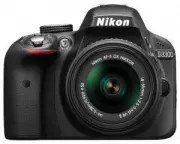 Nikon D3300
Manual
Nikon D3300
Manual
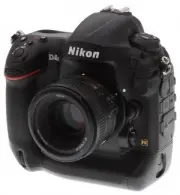 Nikon D4S
Manual
Nikon D4S
Manual
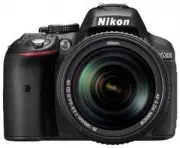 Nikon D5300
Manual
Nikon D5300
Manual
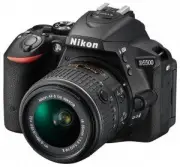 Nikon D5500
Manual
Nikon D5500
Manual
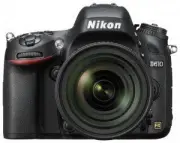 Nikon D610
Manual
Nikon D610
Manual
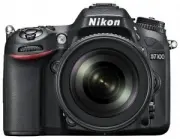 Nikon D7100
Manual
Nikon D7100
Manual
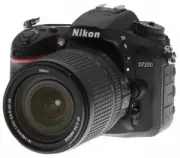 Nikon D7200
Manual
Nikon D7200
Manual
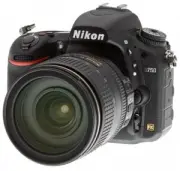 Nikon D750
Manual
Nikon D750
Manual
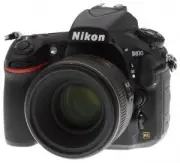 Nikon D810
Manual
Nikon D810
Manual
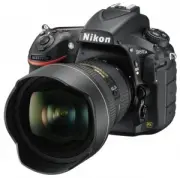 Nikon D810A
Manual
Nikon D810A
Manual
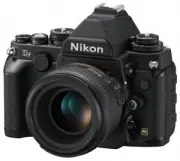 Nikon Df
Manual
Nikon Df
Manual
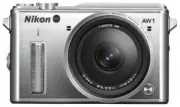 Nikon 1 AW1
Manual
Nikon 1 AW1
Manual
 Nikon 1 J3
Manual
Nikon 1 J3
Manual
 Nikon 1 J4
Manual
Nikon 1 J4
Manual
 Nikon 1 J5
Manual
Nikon 1 J5
Manual
 Nikon 1 S2
Manual
Nikon 1 S2
Manual
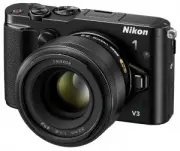 Nikon 1 V3
Manual
Nikon 1 V3
Manual
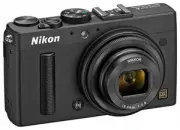 Nikon Coolpix A
Manual
Nikon Coolpix A
Manual
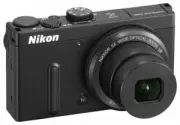 Nikon Coolpix P330
Manual
Nikon Coolpix P330
Manual
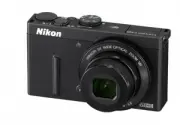 Nikon Coolpix P340
Manual
Nikon Coolpix P340
Manual