Page 2 - Trademark Information
Trademark Information Apple, the Apple logo, Macintosh, Mac OS, and QuickTime are registered trademarks of Apple Computer, Inc. Microsoft and Windows are registered trademarks of Microsoft Corporation. CompactFlash is a trademark of SanDisk Corporation. Lexar Media is a trademark Lexar Media Corpora...
Page 3 - Symbols and Conventions; Quick Start Guide
i Technical Notes The Shooting Menu More on Playback Movies More on Photography Basic Photography First Steps Scene Mode Introduction Symbols and Conventions To make it easier to fi nd the information you need, the following symbols and con-ventions are used: This icon marks tips, additional informa...
Page 4 - ii; For Your Safety; WARNINGS
ii For Your Safety To prevent damage to your Nikon product or injury to yourself or to others, read the following safety precautions in their entirety before using this equip-ment. Keep these safety instructions where all those who use the product will read them. The consequences that could result f...
Page 5 - iii
iii • Do not handle the plug or battery char- ger with wet hands. Failure to observe this precaution could result in electric shock. Observe proper precautions when han- dling batteries Batteries may leak or explode if improp-erly handled. Observe the following precautions when handling batteries fo...
Page 6 - iv; Notices; CAUTIONS; Modifi cations
iv Notices E8400 Notice for customers in the U.S.A. Federal Communications Commission ( FCC) Radio Frequency Interference Statement This equipment has been tested and found to comply with the limits for a Class B digi-tal device, pursuant to Part 15 of the FCC rules. These limits are designed to pro...
Page 7 - • Items prohibited by law from being
v Notice for customers in Canada CAUTION This class B digital apparatus meets all re-quirements of the Canadian Interference Causing Equipment Regulations. ATTENTION Cet appareil numérique de la classe B res-pecte toutes les exigences du Règlement sur le matériel brouilleur du Canada. Notice Concern...
Page 8 - Table of Contents; Introduction; Step 1 —Rotate the Mode Dial to; Scene Mode
vi Table of Contents For Your Safety................................................................................................. ii Notices ............................................................................................................. iv Introduction 1 Parts of the Camera...........
Page 9 - vii; Movies
vii Movies 58 Movie Mode..................................................................................................... 58Recording Movies ............................................................................................ 61Viewing Movies ................................................
Page 10 - viii; The Setup Menu
viii The Setup Menu 130 Language ......................................................................................................... 131Date .................................................................................................................. 131Folders ..............................
Page 11 - The Lens Cap; • For users in Europe:
1 Introduction Introduction Thank you for your purchase of a Nikon COOLPIX 8400 digital camera. This manual has been written to help you enjoy taking pictures with your Nikon digital camera. Read this manual thoroughly before use, and keep it where all those who use the product will read it. Before ...
Page 12 - button; Parts of the Camera; Lens not extended; Lens ring
Introduction 2 button ( 26, 49, 59, 139) (exposure compensation) button ( 44) Voice memo record/ playback button ( 74) LCD illuminator button ( 6) Power switch ( 14) Control panel ( 6) Eyelet for camera strap (× 2) Built-in Speedlight ( 19, 37) AF ranging sensor ( 101) Lens ( 146, 154) Microphone ( ...
Page 13 - Command dial
3 Introduction Command dial (monitor) button ( 4) Zoom ( / ) buttons ( 18, 67, 70) Electronic viewfi nder ( 4, 5) Diopter adjustment control ( 19) (menu) button ( 26, 85, 113) Monitor ( 4, 5, 7) (display) button ( 5, 65) Memory card slot cover ( 12, 13) (quick review) button ( 23) Multi selector( 8)...
Page 14 - The following indicators are displayed during shooting; TOKYO; The
Introduction 4 The following indicators are displayed during shooting 1 : F2.6 F2.6 F2.6 1.0 .0 1.0 10 10 10 8M 8M 8M TOKYO TOKYO TOKYO AE-L AE-L AE-L AF-L AF-L AF-L 1 AE/AF AE/AF AE/AF 126 126 126 1 /60 60 1 /60 17 16 5 15 14 13 18 2 3 6 7 10 11 12 8 9 4 1 Auto / scene mode 2 ................... 17...
Page 15 - Flash mode for optional; To hide or display shooting indicators, press the
5 Introduction 19 User Settings bank......................... 95 20 Ultra HS recording indicator........... 89 21 Spot metering target ..................... 87 22 Flash mode for optional Speedlights.................................. 105 23 White balance ............................... 54 24 Sensitiv...
Page 16 - Exposure compensation; To view settings in the dark, press the; The Control Panel
Introduction 6 12 345 6 7 8 9 10 11 12 1 Flash mode .................................... 38 2 Battery level indicator .................... 17 3 Exposure compensation indicator ........................................ 44 4 White balance indicator ................. 54 5 Sensitivity (ISO equivalency) i...
Page 17 - † If camera is on, monitor; Do Not Use Excessive Force; The Monitor
7 Introduction Fold out to use Range of rotation Stow on camera body Storage position † Frame self-portraits * * Monitor shows mirror im- age of what will appear in fi nal picture. † If camera is on, monitor turns off and electronic viewfi nder turns on auto-matically. Do Not Use Excessive Force Do ...
Page 18 - Display the setup menu,; The multi selector is used to navigate through the camera menus.; The Multi Selector
Introduction 8 To select a mode, align the mode icon with the “ ” mark next to the mode dial. Choose from fi ve movie modes. Auto ( 17) A simple “point-and-shoot” mode recommended for fi rst time users of digital cameras. Setup ( 130) Display the setup menu, Scene ( 26) “scenes” suited to dif-ferent...
Page 19 - First Steps; Charging the Battery; Connect the power cable; CHARGE; Blinks Battery charging.; Unplug the charger; The MH-56 Battery Charger; Before using the MH-56, read and follow the warnings and cautions on
9 First Steps First Steps Charging the Battery The camera uses a rechargeable Nikon EN-EL7 lithium-ion battery (supplied). Charge the battery before fi rst use or when the battery is running low. 1 Connect the power cable Connect the power cable to the supplied MH-56 battery charger ( 햲 ) and insert...
Page 20 - Turn the camera off; Inserting the Battery
1 2 1 2 First Steps 10 1 Turn the camera off 3 Insert the battery Insert a fully-charged EN-EL7 battery as shown in the label inside the battery-chamber cover. Inserting Batteries Inserting the battery upside down or backwards could damage the camera. Check to be sure the battery is in the correct o...
Page 21 - When the Battery Is Not in Use; Alternative Power Sources; Failure to observe this precaution could result in; Removing the Battery-Chamber Cover; twist it off as shown (; Recycle Used Batteries
11 First Steps EN-EL7 Batteries Before using the EN-EL7, read and follow the warnings and cautions on pages ii–iii and 147 of this manual. Do not use the battery at ambient temperatures below 0 °C (32 °F) or above 40 °C (104 °F). During charging, the tem per a ture should be in the vi cin i ty of 5–...
Page 22 - The camera stores pictures on CompactFlash; Inserting Memory Cards; Insert a memory card; Direction
2 1 First Steps 12 The camera stores pictures on CompactFlash ™ memory cards. See “Technical Notes: Approved Memory Cards” ( 144) for a list of compatible cards. 1 Turn the camera off 2 Open the memory card slot cover A yellow notice detailing memory card insertion is placed in the memory card slot ...
Page 23 - The Eject Button
13 First Steps The Eject Button If the eject button is up when the card-slot cover is closed, closing the cover will partially eject the memory card, causing errors when the camera is turned on. Be sure the eject button is down before inserting memory cards. Removing Memory Cards Memory cards can be...
Page 24 - Turning the Camera On; Ready the monitor; Turning the Camera Off; option is selected during a slide show; Auto off; option in the setup menu (
햲 햲 햶 햶 햳 햳 햴 햴 햵 햵 First Steps 14 Turning the Camera On 1 Ready the monitor 2 Turn the camera on The fi rst time the camera is turned on, a language-selection dialog will be displayed ( 15). Choose a language and set the time and date. Turning the Camera Off To turn the camera off, rotate the power...
Page 25 - when the; button to exit without selecting language.; Basic Setup
15 First Steps The Clock Battery When the main battery is installed or an AC adapter is connected, the clock battery will charge in about 10 hours. When fully charged, the clock battery can provide several days of backup power. The clock may be reset when the battery runs low; when the battery is ex...
Page 26 - ‡ If daylight saving time (
First Steps 16 ‡ If daylight saving time ( 132) is in effect in local time zone, highlight DaylightSav- ing and press center of multi selector. To return to Step 6, highlight current time zone. To return to Step 4, highlight Time zone and press multi selector right. 6 TIME ZONE 01. 09. 2004 00 : 00 ...
Page 27 - Basic Photography; The Battery Indicator; Battery fully charged.; BATTERY; indicates auto mode.; Battery; electronic viewfi nder; This section describes how to take pictures in
17 Basic Photography Basic Photography The Battery Indicator Shooting display Control panel Status Notes — Battery fully charged. Camera functions normally. Battery partially discharged. Low battery. Ready spare battery. If built-in Speedlight fi res, monitor turns off while fl ash recharges. WARNIN...
Page 28 - Ready the camera; Step 2 — Frame the Picture
Basic Photography 18 1 Ready the camera Hold the camera steadily in both hands. Don’t Block the Shot To avoid muffl ed sound or dark or partially obscured pictures, keep fi ngers and other objects away from the microphone, lens, built-in Speedlight, AF-assist lamp (LED), and AF ranging sensor. 2 Fra...
Page 29 - In
19 Basic Photography The Built-in Speedlight In mode, the built-in Speedlight will pop up automatically when the shutter-release button is pressed halfway if additional light is required for correct exposure. Do not place your fi ngers where they will obstruct the built-in Speedlight. If the Speedli...
Page 30 - Focus; Blinks red Built-in Speedlight is charging.; Take the picture; Step 3 — Focus and Shoot; Flash indicator
Basic Photography 20 1 Focus Press the shutter-release button halfway to set fo- cus and exposure ( 7). In mode, the camera will automatically focus on the subject at the center of the frame. Focus and exposure will lock while the shutter-release button is pressed halfway. If the subject is poorly l...
Page 31 - Do not turn the camera off, eject the
21 Basic Photography During Recording While pictures are being recorded to the memory card, a ( recording) or ( wait) icon will be displayed in the monitor or electronic viewfi nder. The camera can continue to take pictures until the icon is displayed. Do not turn the camera off, eject the memory ca...
Page 32 - Take picture; Focus and exposure will also lock while the; Getting Good Results with Autofocus
Basic Photography 22 AF / AE Lock Focus and exposure are locked when the shutter-release button is pressed halfway, and remain locked while the shutter-release button is held in this position (focus lock). Focus lock can be used to take pictures of off-center subjects or in situations in which the c...
Page 33 - Playback Mode; Pictures can also be viewed by rotating the mode dial to; Playback Tips; Pictures played back in top left cor-; button a third; button. A confi rmation dialog will be displayed; : Delete the picture and return to full-screen review; Quick Review; Pressing the; JPG; Step 4 — View the Results
23 B asic Photo g raph y Playback Mode Pictures can also be viewed by rotating the mode dial to (playback mode; 65). Playback Tips Pictures are displayed briefl y at low resolution while being read from the memory card. This makes it possible to scroll rapidly through the pictures in memory without ...
Page 34 - Quick Playback Zoom; ture is visible in display.
Basic Photography 24 Quick Playback Zoom For an enlarged (× 3) view of the picture currently displayed in full-screen review ( 23) or full-frame playback ( 65): 1 Zoom picture in × 3. Center of pic- ture is visible in display. 2 View other areas of picture. Area currently visible indicated by displa...
Page 35 - Image File and Folder Names; 2). Folders can hold up to 200 pictures if a picture is taken
25 Basic Photography Image File and Folder Names On the memory card, pictures are identifi ed by fi le names with three parts: a four letter identifi er, a four-digit fi le number assigned automatically by the camera in ascending order, and a three-letter extension (e.g., “DSCN0001.JPG”). Type Ident...
Page 36 - 0). These restrictions are noted on the; button and rotate the command dial. Selected; ISO
26 Scene Mode Scene mode offers a menu of fi fteen “scenes,” each corresponding to a common situation, such as a backlit subject, sunset, or interior shot. Camera settings are automatically adjusted to suit the selected scene, sparing the user the necessity of adjusting each setting separately. To s...
Page 37 - Hold camera steady; 09) turns on automatically at slow
27 When Lighting Is Poor An ISO icon may be displayed when lighting is poor ( 39). Noise Reduction Randomly-spaced, brightly-colored pixels (“noise”) tend to appear in pictures taken at slow shutter speeds. In night portrait, night landscape, and dusk / dawn modes, pictures taken at speeds slower th...
Page 39 - ly, reducing effects of inadvertent camera movement.; † Other modes can be selected.; ever shutter-release button is pressed halfway.
29 Hold camera steady Use tripod Hold camera steady Auto * Museum ( ) Use indoors where fl ash photography is prohibited (for example, in museums and art galleries) or in other set-tings in which you do not want to use a fl ash.• The Best Shot Selector (BSS; 91) turns on automatical- ly, reducing ef...
Page 40 - • Colored text and drawings may not show up well in; • Camera focuses on subject in center of frame.
30 Auto — Back light ( ) Use when light is coming from behind a portrait subject, throwing their features into shadow, or when the subject is in the shade but the background is brightly lit. The built-in Speedlight fi res automatically to “fi ll in” (illumi-nate) shadows.• Camera focuses on subject ...
Page 41 - Taking Pictures for a Panorama; Panorama assist
31 Hold camera steady Auto * — Dusk / Dawn( ) Preserves the colors seen in the weak natural light before sunrise or after sunset.• Noise reduction ( 109) turns on automatically at slow shutter speeds. • Camera focuses at infi nity. Focus indicator lights whenever shutter-release button is pressed ha...
Page 43 - More on Photography; Image Quality; Option; Image Mode
33 More on Photography More on Photography Pictures taken with a digital camera are stored as image fi les. The size of the fi les, and with it the number of images that can be recorded on the memory card, depends on the quality and size of the images. Before shooting, choose image quality and size ...
Page 44 - Print Size; Image Size; Image size; Will print at a size of about 14 × 10 cm (5
More on Photography 34 Viewing RAW (NEF) Images on a Computer RAW (NEF) images can only be viewed using PictureProject (version 1.0.1 or later) or Nikon Capture (available separately). To create a TIFF copy for viewing in other appli-cations, press the shutter-release button while a RAW image is dis...
Page 45 - To choose image quality or size:
35 More on Photography To choose image quality or size: The Shooting Menu Image quality and size can also be set using the Image mode option in the shooting menu ( 85). 6 Rotate mode dial to , , P , S , A , or M . Current image quality and size displayed in monitor or electronic viewfi nder. 11 /60 ...
Page 46 - Memory Card Capacity and Image Mode
More on Photography 36 Memory Card Capacity and Image Mode The following table shows the approximate number of pictures that can be stored on a 256 MB memory card at different combinations of image quality and size. Image size Image quality RAW HI EXTRA FINE NORMAL BASIC 20 10 30 60 125 240 No. of i...
Page 47 - Select a fl ash mode according to lighting conditions.; Flash Mode
37 More on Photography Select a fl ash mode according to lighting conditions. Mode How it works When to use it Shooting display Control panel Auto If lighting is poor, built-in Speedlight pops up when shut-ter-release button is pressed halfway and fi res when picture is taken. If left raised, fl ash...
Page 48 - To choose a fl ash mode:; When; Pop up; If the built-in Speedlight fi res while the
More on Photography 38 To choose a fl ash mode: Manual Pop-Up When Manual is selected for Speedlight opt. > Pop up , the built-in Speedlight can be raised by pressing the button. When raised, the fl ash will fi re whenever the shutter is released. The fl ash mode can not be changed while the Spee...
Page 50 - Choose a focus mode according to the subject and composition.; Mode; NO ICON; To choose a focus mode:; Manual Focus; For information on manual focus, see “Manual Focus” (; Focus Mode; Rotate mode dial to
More on Photography 40 Choose a focus mode according to the subject and composition. Mode How it works When to use it NO ICON Autofocus Camera automatically adjusts focus according to distance to subject. Use when subject is 50 cm (1´8˝) or more from lens. Infi nity Camera focuses at infi nity; focu...
Page 51 - 2) can be used for; Self-Timer and Remote Control Photography
41 More on Photography The self-timer and ML-L3 remote control (supplied; 42) can be used for self-portraits or to avoid blurring that may result from the camera moving when the shutter-release button is pressed. Using the Self-Timer Self-Timer and Remote Control Photography 3 Set focus and exposure...
Page 52 - Using the ML-L3 Remote Control; When the self-timer is turned on, BSS turns off automatically; Intvl timer shooting; Continuous; will; Single; The self-timer is not available in movie mode (
More on Photography 42 Using the ML-L3 Remote Control To use the ML-L3 remote control: 1 Mount the camera on a tripod (recommended) or place it on a stable, level surface. 2 Press the ( ) button to select self-timer mode ( 41). 3 After framing the photograph, aim the remote con- trol transmitter at ...
Page 53 - Insert fresh battery with face; Keep out of Reach of Children
43 M ore on Photo g raph y Using the ML-L3: Replacing the Battery The ML-L3 remote control is powered by a three-volt CR2025 lithium battery. To replace the battery: Unlatch ( 햲 ) and remove ( 햳 ) battery holder. 1 Remove used battery. 2 Insert fresh battery with face marked “+” on top. 3 Slide hold...
Page 54 - Restrictions on Exposure Compensation; positive; Exposure Compensation
More on Photography 44 1 /60 126 8M 8M 8M 1.0 .0 1.0 F2.6 Exposure compensation is used to alter exposure from the value suggested by the camera. Exposure compensation can be set to values between –2.0 EV (underexposure) and +2.0 EV (overexposure) in increments of 1 3 EV. Restrictions on Exposure Co...
Page 55 - P S A M
45 More on Photography In (auto) and scene modes, the camera automati- cally adjusts shutter speed and aperture to produce op-timal exposure. In P , S , A , and M modes, shutter speed and aperture can be adjusted to suit the user’s creative intent. P , S , A , and M modes also give the user control ...
Page 56 - Flexible Program; In mode; FUNC; button to switch
More on Photography 46 P: Programmed Auto In programmed auto, the camera automatically adjusts shutter speed and ap-erture according to the amount of light available, producing optimal exposure in most situations. Adjustments to exposure can be made using exposure compensation ( 44) or exposure brac...
Page 57 - Ultra HS; 8), the frame advance rate is fi xed at; Aperture Restrictions; At a shutter speed of
47 More on Photography S: Shutter-Priority Auto In shutter-priority auto, the user selects the shutter speed by rotating the com-mand dial; aperture is set automatically by the camera in response to lighting conditions. Shutter speed can be set to values between 8 s and 1 / 3,000 s in incre- ments e...
Page 58 - Aperture and Zoom; is chosen for; Zoom options; Select mode
More on Photography 48 A: Aperture-Priority Auto In aperture-priority auto, aperture is controlled by rotating the command dial; shutter speed is set automatically by the camera in response to lighting condi-tions. Aperture varies in increments equivalent to 1 / 3 EV ( 1 / 3 step); depending on the ...
Page 59 - s in increments; Slow Shutter Speeds
49 More on Photography M: Manual In manual exposure mode, the user controls both shutter speed and aper-ture. Shutter speed can be set to values between 8 s and 1 / 3,000 s in increments equivalent to 1 EV (one step), or the shutter can be held open for long time exposures of up to ten minutes ( 50)...
Page 60 - For long time exposures of up to ten minutes, set
More on Photography 50 Understanding the Exposure Displays The exposure displays show the amount pictures will be under- or over-exposed at the values currently selected for shutter speed and aperture. The control panel display is in EVs, rounded to the nearest EV. If the picture would be under- ove...
Page 61 - Sensitivity; Modes Only
51 More on Photography Sensitivity (ISO equivalency) is the digital equivalent of fi lm speed. The higher the sensitivity, the less light needed to make an exposure, allowing higher shutter speeds and smaller apertures. Much as fi lm with a high ISO rating tends to produce “grainy” images, high sens...
Page 63 - White Balance; White balance adjusted for direct sunlight.; To choose a white balance setting:; WHITE BALANCE menu displayed.; The Shooting Menu; White balance can also be set using the; White balance
53 More on Photography White Balance P , S , A , and M Modes Only The color of the light refl ected from an object varies with the color of the light source. The human brain is able to adapt to such changes in color, with the result that we see white objects as white, regardless of whether they are ...
Page 64 - Fine-Tuning White Balance; When white balance is set to (; Fluorescent; of three different bulb types is available.
More on Photography 54 5 Rotate mode dial to P , S , A , or M . At set- tings other than Auto , current setting is shown in shooting display and W-B icon appears in control panel. F2.6 F2.6 F2.6 15 15 15 8M 8M 8M 1 /60 60 1 /60 Fine-Tuning White Balance At settings other than ( Auto ) and ( White ba...
Page 65 - Preset White Balance; preset; and press the center of the multi selector to; Using the Flash; Preset white balance can not be measured with the fl ash.
55 More on Photography Preset White Balance Preset white balance is used when shooting under mixed lighting or to compensate for light sources with a strong color cast (for example, to make pictures taken under a lamp with a red shade look as though they had been taken under white light). When ( Whi...
Page 66 - Manual focus is available in; Cancelling Manual Focus; To cancel manual focus, press the; Off; Focus options; Press
More on Photography 56 Manual focus is available in P , S , A , M , and modes for situations in which the desired results can not be achieved using autofocus. Focus distance can be selected from preset values ranging from 3 cm / 1˝ (widest angle) or 20 cm / 8˝ (maximum zoom) to infi nity. Cancelling...
Page 67 - Image Adjustment
57 M ore on Photo g raph y Image Adjustment The shooting menu ( 85) includes options for controlling sharpness, contrast, and color saturation. These settings, which are available only in P , S , A , and M modes, can be adjusted according to shooting conditions and the user’s creative intent. SATURA...
Page 68 - Record color movies at 15; movie; Record sepia movies at 5; To choose the type of movie that will be recorded:; Movie Mode; Highlight; Movie options; Display MOVIE OPTIONS menu.; Electronic VR
Movies 58 Movies In mode, the camera can record the following types of movie. All except time-lapse movies include sound recorded via the built-in microphone. Option Description Max. length * TV movie 640 Record color movies up to 60 s long at frame rate of 30 fps. Each frame is 640 × 480 pixels in ...
Page 69 - Autofocus Mode; Select; Single AF; if the sound of the camera focusing interferes with recording.; Selecting a Movie Mode; The following options are available for; Camera adjusts focus continuously.; To choose a focus option, highlight; Select and exit to MOVIE menu.; † If; Time lapse movie; Return to shooting mode.
59 Movies Autofocus Mode Select Single AF if the sound of the camera focusing interferes with recording. Selecting a Movie Mode To select a movie mode without leaving shooting mode, press the FUNC button and rotate the command dial. 5 MOVIE OPTIONS Time-lapse movieSepia movie 320B/W movie 320 TV mov...
Page 70 - Movie Files; Vibration reduction off.; To choose a vibration reduction option, highlight; in the MOVIE
Movies 60 Movie Files Movies are recorded as QuickTime movie fi les with the extension “.MOV” and names consisting of “INTN” (time-lapse movies) or “DSCN” (other movies) plus a four-digit fi le number assigned by adding one to the highest fi le number in the current folder (e.g., “INTN0001.MOV” or “...
Page 71 - The Speedlight turns off when; Do not touch the built-in microphone during recording.; Recording Movies; While recording is in progress, a
61 Movies TV, Small, Sepia, and Black-and-White Movies The Speedlight turns off when TV movie 640 , Small movie 320 , Sepia movie 320 , or B / W movie 320 is selected. Optical zoom can not be adjusted during recording. Digital zoom (maximum 2 ×) can be used at any time, both before and during record...
Page 72 - Recording a Time-Lapse Movie; Selecting; Take a Test Shot; Take a test shot and view the results before beginning recording.
Movies 62 Recording a Time-Lapse Movie Selecting Time-lapse movie from the MOVIE menu ( 58) displays the menu shown in Step 1, below. Take a Test Shot Take a test shot and view the results before beginning recording. 2 Display menu of interval options. 1 Highlight Set interval time . 4 Make selectio...
Page 74 - To play a movie back, rotate the mode dial to; To; Movies can not be played back in quick review or full-screen review (; Direct Print; Movies can not be printed via direct USB connection (; MOV; Viewing Movies
Movies 64 To play a movie back, rotate the mode dial to and display the movie in full-frame playback (movie fi les are indicated by a icon). Press the center of the multi selector to begin playback. If the movie was recorded with the TV movie 640 , Small movie 320 , Sepia movie 320 , or B / W movie ...
Page 75 - More on Playback; Deleting the Current Picture; Viewing Additional Pictures; Viewing Pictures on the Camera
65 More on Playback More on Playback Deleting the Current Picture To delete the current picture, press the button. A confi r- mation dialog will be displayed; press the multi selector up or down to highlight an option and then press the center of the multi selector to make a selection.• Yes : Delete...
Page 76 - and follow the steps below.; Creating HI-Quality Copies; NEF; RAW
More on Playback 66 Creating HI-Quality Copies of RAW Images (Full-Frame Playback) HI-quality (TIFF) copies can be created from RAW-quality images, allowing the pic-tures to be viewed in any application that supports TIFF. The copy will be named by adding one to the highest fi le number in the curre...
Page 77 - Viewing Multiple Pictures: Thumbnail Playback
67 More on Playback Viewing Multiple Pictures: Thumbnail Playback Pressing the ( ) button in full-screen review ( 23) or full-frame playback ( 65) displays the pictures on the memory card in “contact sheets” of four thumbnail images. The following operations can be performed while thumbnails are dis...
Page 78 - Photo Information; Page; NORM
More on Playback 68 Photo Information In full-screen review ( 23) and full-frame playback ( 65), information about each picture is superimposed on the image. There are six pages of photo information for each picture. Rotate the command dial to cycle through photo information as follows: Page 1 ⇔ Pag...
Page 79 - AUTO
69 More on Playback Page 4 (Shooting Information, continued) Page 5 (Exposure Information) Page 6 (Focus Confi rmation) 1 White balance 2 Color saturation 3 Sharpening 4 Digital zoom 5 Converter lens setting 6 File size WHITE BAL WHITE BAL : AUTO AUTO FILE SIZE FILE SIZE : 5790KB 5790KB CONVERTER CO...
Page 80 - Taking a Closer Look: Playback Zoom
More on Playback 70 Taking a Closer Look: Playback Zoom Use the ( ) button to zoom in on still pictures dis-played in full-screen review ( 23) or full-frame play- back ( 65). Scroll Scroll Scroll 3 . 0 3 . 0 3 . 0 Zoom Zoom Zoom To Press Description Zoom in ( ) Zoom increases each time button is pre...
Page 81 - nnnn
71 More on Playback Playback Zoom Playback zoom is not available with movies or with copies created using the small picture option. Additional time is required to display RAW- or HI-quality images. If a message is dis-played when the button is pressed to zoom in on the image, wait until the message ...
Page 82 - Quick Edit; Create small copy of current picture.; Creating Small Copies: Small Picture; * To exit without creating copy, highlight; No; and press center of multi selector.; Depending on the option selected for; Small pic; in the; Create copy and return to playback.; Small Pic
More on Playback 72 Quick Edit Pressing the shutter-release button during full-frame or thumbnail playback ( 65, 67) displays the menu shown at right. Option Description Small pic. Create small copy of current picture. D-Lighting Create copy of current picture with enhanced brightness and contrast. ...
Page 84 - Voice Memos: Recording and Playback
More on Playback 74 To Press Description Record memo Memo of up 20 s can be recorded while button is pressed. Recording ends after about 20 s or when but- ton is released. Play memo If icon appears in fi le information display during playback, memo can be played back over speaker by pressing but- to...
Page 85 - Choosing a Video Mode; item in the setup menu offers a choice of NTSC and PAL; PAL; PAL; Video mode; while the camera is connected to a video device,; tinuous; set to; Viewing Pictures on TV; If in doubt, consult the documentation for your television or VCR.
75 More on Playback The EG-CP14 audio / video (A / V) cable included with the camera can be used to connect the camera to a television or video-cassette recorder (VCR). Choosing a Video Mode The Video mode item in the setup menu offers a choice of NTSC and PAL ( 141). Be sure that the mode selected ...
Page 86 - Before Connecting the Camera; Viewing Pictures on a Computer; Operating system
More on Playback 76 Using the UC-E6 USB cable and PictureProject software, you can view photo-graphs and movies on a computer. Before pictures can be transferred (copied) to your computer, PictureProject must be installed. For more information on installing PictureProject and transferring pictures t...
Page 87 - Connecting the USB Cable; When the camera is turned on, the lens will extend and
77 More on Playback Connecting the USB Cable Turn the computer on and wait for it to start up. After confi rming that the camera is off, connect the UC-E6 USB cable as shown below. Connect the camera directly to the computer; do not connect the cable via a USB hub or keyboard. Windows 2000 Professio...
Page 88 - Macintosh; Disconnecting the Camera; Windows XP Home Edition / Windows XP Professional
More on Playback 78 Macintosh Drag the camera volume (“NO NAME”) into the Trash. Disconnecting the Camera If PTP is selected in the USB menu, the camera can be turned off and the USB cable disconnected once transfer is complete. If the USB option in the camera setup menu is still at its default sett...
Page 89 - To print the pictures from the camera memory card:; “ Print Set” and Digital Print Order Format ( DPOF); Printing Pictures
79 More on Playback To print the pictures from the camera memory card: • select pictures for printing using the Print set option and take the memory card to a digital print service center ( 124) • select pictures for printing using the Print set option and insert the memory card into a personal phot...
Page 90 - Printing Via Direct USB Connection; Set the USB option to PTP; tion in the setup menu must be set to; PTP; 41 the default option is; Mass storage; before; Before Printing; 3) can not be printed via direct USB; Use a Reliable Power Source
More on Playback 80 Printing Via Direct USB Connection When the camera is connected to a PictBridge-compatible printer via the UC-E6 USB cable, selected pictures can be printed directly from the camera memory card. 1 Set the USB option to PTP Before pictures can be printed via direct USB connection,...
Page 91 - Turn the camera on; Print selected pictures.; Printing Selected Pictures: Print Selection; Display selection dialog.
81 More on Playback 3 Turn the camera on Turn the camera and printer on. The menu shown at right will be displayed. Option Description Print selection Print selected pictures. 81– 82 Print all images Print one copy of all pictures on mem-ory card. 83 DPOF printing Print pictures selected with Print ...
Page 92 - to return to Step 2,; to exit without printing pictures.; Start print
More on Playback 82 * Select Back to return to Step 2, Cancel to exit without printing pictures. † Press center of multi selector to interrupt printing before all pictures have been printed. D o n e 9 Message shown at left is displayed when printing is complete. Turn cam-era off and disconnect USB c...
Page 93 - DPOF printing; Confi rm; to exit without; and; pictures not visible in display.; Print all images; Printing All Pictures: Print All Images; To print one copy of each picture on the memory card:; Printing the Current Print Order: DPOF Printing; Print set; option in the playback menu can be used to create a digital
83 More on Playback † Press center of multi selector to interrupt printing before all pictures have been printed. PictBridge Print selectionPrint all images Cancel DPOF printing 1 Highlight DPOF printing . DPOF PRINTING Cancel Start print Confirm Printer ready?006 prints 3 Highlight Confi rm ( to ex...
Page 95 - * Illustration shows default menu. Press; Show all menus; Full shooting menu displayed.
85 The Shooting Menu The Shooting Menu P , S , A , and M Modes Only * Illustration shows default menu. Press button again to return to shooting mode. Pressing the button displays a one-page custom menu containing six items selected from a total of twenty options available in the full shooting menu (...
Page 96 - be changed by rotating the command dial.; The full shooting menu contains the following options:
The Shooting Menu 86 The Icon A icon appearing next to a highlighted option indicates that the selected option can be changed by rotating the command dial. The full shooting menu contains the following options: ALL MENU ITEMS 1/3 White balance 53–55 Metering 87 Continuous 88–90 BSS 91–92 Image adjus...
Page 97 - Metering; icon appears in the control panel.; Recommended for most situations.; Spot; of frame is; weighted; Classic meter for; Spot AF
87 The Shooting Menu Metering Choose a metering method suited to the composition and lighting conditions. METERING SpotCenter-weightedSpot AF area Matrix Metering Metering is shown by icons in the control panel and shooting display. No icon appears in the shooting display when ( Matrix ) is selected...
Page 98 - pictures can be recorded (
The Shooting Menu 88 Continuous Use the options in this menu to capture a fl eeting expression on a portrait subject, photograph a subject that is moving unpredictably, or capture motion in a series of pictures. CONTINUOUS Continuous HContinuous LMulti-shot 16Ultra HS5 shot buffer 1/2 Single Option ...
Page 99 - Control
89 The Shooting Menu Other Camera Settings Settings other than Single can not be used in combination with BSS ( 91), white-bal- ance bracketing ( 107), or noise reduction ( 109). Multi-shot 16 , Ultra HS , 5 shot buffer , and Intvl timer shooting can not be used in combination with auto-exposure bra...
Page 100 - Interval Timer Photography; in the CONTINUOUS menu and press the multi selector to the right.; Choose interval between pictures from
The Shooting Menu 90 Interval Timer Photography To display the menu shown in Step 1, below, highlight Intvl timer shooting in the CONTINUOUS menu and press the multi selector to the right. Take a Test Shot Take a test shot and view the results before beginning recording. Use a Reliable Power Source ...
Page 102 - Restrictions on BSS; settings other than; autoexposure or white-balance bracketing (; At settings other than; , the current BSS setting is indicated
The Shooting Menu 92 Restrictions on BSS BSS may not produce the desired results with a moving subject or if the composition is changed while the shutter-release button is pressed all the way down. BSS can not be used with the self timer ( 41–42), Continuous ( 88) settings other than Single , autoex...
Page 103 - is; Saturation control
93 The Shooting Menu Image Adjustment Image Adjustment At settings other than Auto , the current image-adjustment setting is indicated by an icon in the shooting display. No image adjustment icon is displayed when Black&white is selected for Saturation control . The options in the image adjustme...
Page 104 - Saturation Control
The Shooting Menu 94 Saturation Control Black-and-White When Black&white is selected, monitor shows the view through the lens in black-and-white and a icon appears in the shooting display. Saturation control is used to heighten or reduce the vividness of colors. SATURATION CONTROL AutoMaximumEnh...
Page 105 - User Setting; User setting; Shooting menu options
95 The Shooting Menu User Setting In P , S , A , and M modes, the number of the current user set- tings bank appears in the shooting display. User Setting Camera settings can be stored in two separate “banks,” Bank 1 and Bank 2. By default, changes to camera settings are stored in Bank 1. To store a...
Page 106 - Image Sharpening; controls the amount of sharpening performed.; Camera performs same standard level of sharpening on all images.; Low; Sharpening reduced below normal level.
The Shooting Menu 96 Image Sharpening The camera automatically processes pictures to empha-size the borders between light and dark areas, making edges seem sharper. As this processing occurs after shooting, its effects can not be previewed in the shoot-ing display, but they will be visible in the fi...
Page 107 - Camera zooms out to widest angle. Zoom can be adjusted manually.; Telephoto; Optical zoom set to maximum optical zoom position.; Fisheye; • Corners of frame blacked out to create circular frame.
97 The Shooting Menu Lens The lens menu is used to adjust camera settings for optimal results with the optional converter lenses and adapters listed below. Note that these accessories require a lens adapter ring ( 143). For complete in- formation on use and handling, see the documentation provided w...
Page 108 - Exposure Options; AE Lock; While AE lock is in effect, an; On; Reset; Restores normal exposure and white balance.; On; First picture taken after; On
The Shooting Menu 98 Exposure Options The exposure options menu contains two options for controlling exposure. EXPOSURE OPTIONS Bulb/Time AE lock AE Lock Autoexposure (AE) lock produces a series of pictures with the same exposure and white balance. This can be used when taking photographs that will ...
Page 109 - The ML-L3 Remote Control; 2) can be used to eliminate blur caused by the
99 The Shooting Menu Bulb / Time In mode M , shutter speed can be set to BULB or TIME for long exposures of up to ten minutes ( 50). This menu controls how long exposures are made. Long Exposures Longer exposure times increase the amount of noise visible in the picture; we recommend that noise reduc...
Page 110 - Focus Options; 2) to focus on relatively motionless subjects that not; AF Area Mode; Digital Zoom; Focus area selection is not available with digital zoom (; Manual Focus Area Selection in Scene Mode; Manual focus area selection is available in some scene modes (
The Shooting Menu 100 Focus Options Option Description Auto Camera automatically selects focus area containing subject closest to cam-era. Selected focus area is displayed in red when shutter-release button is pressed halfway. Choose this setting to minimize risk of pictures being out of focus when ...
Page 111 - AF System; is selected for AF area mode, the focus sys-; determines how the camera focus-; Camera focuses when shutter-release button is pressed halfway.
101 The Shooting Menu AF System When Off is selected for AF area mode, the focus sys- tem can be selected from the following options: AF SYSTEM Hybrid AFStandard AF Hybrid AF Option Description Hybrid AF Fast focus: AF ranging sensor estimates distance before camera focuses. Use for fast shutter res...
Page 112 - Focus Confi rmation; No indication of focus appears in shooting display.
The Shooting Menu 102 Focus Confi rmation Use focus confi rmation to determine exactly what ar-eas of the frame are in focus before a picture is taken. Focus confi rmation affects only the view through the lens shown in the shooting display; no indicators of focus appear in the fi nal picture. FOCUS...
Page 113 - Zoom Options; Digital Tele; is selected, pressing the; to disable digital zoom.; Fixed Aperture; Controls whether aperture varies with zoom position.; Aperture changes with zoom position.
103 The Shooting Menu Zoom Options Digital Tele When On is selected, pressing the button for about 2 s at the maximum optical zoom position activates dig-ital zoom. When digital zoom is in effect, the camera focuses on the center focus area and center-weighted metering is used (at zoom factors of 2 ...
Page 114 - Speedlight Options; Pop Up; Lens Hoods; Remove lens hoods (available separately; The Accessory Shoe
The Shooting Menu 104 Speedlight Options The Speedlight opt. menu contains three options for controlling the built-in Speedlight and optional fl ash units mounted on the camera accessory shoe. SPEEDLIGHT OPT. Speedlight cntrl Flash exp. comp. Pop Up Pop Up Controls whether the built-in Speedlight po...
Page 115 - Speedlight Cntrl; Flash Mode Indicators for Optional Speedlights; Internal off; and an optional Speedlight
105 The Shooting Menu Speedlight Cntrl This option is used to control the built-in and optional Speedlights when using optional fl ash accessories mounted on the camera’s accessory shoe. Option Description Auto Optional Speedlight fi res, if attached. If not, built-in Speedlight fi res instead. Inte...
Page 116 - Normal; and the Speedlight is on, the fl ash angle will
The Shooting Menu 106 SB-800 and SB-600 Speedlights Set the optional Speedlight to TTL mode. In this mode, SB-800 and SB-600 Speedlights will use monitor prefl ashes for i-TTL fl ash control (Standard i-TTL fi ll-fl ash for Digital SLR). Note, however, that the camera does not support Advanced Wirel...
Page 117 - Auto Bracketing
107 The Shooting Menu Auto Bracketing In some situations, you may fi nd it diffi cult to select ap-propriate exposure-compensation and white-balance settings, and yet not have time to check the results and adjust settings after each shot. Auto bracketing can be used to vary these settings automatica...
Page 118 - Autoexposure Bracketing; EV
The Shooting Menu 108 Continuous Shooting (Autoexposure Bracketing) At settings of Continuous H and Continuous L ( 88), shooting will pause after each bracketing cycle is complete. When Single is selected, shutter-release button must be pressed once for each shot in bracketing cycle. Auto Flash and ...
Page 119 - Restrictions on Noise Reduction; Noise reduction can not be used in combination with BSS (; in pictures taken at shutter speeds slower than 1⁄4 s.; Noise Reduction; When noise reduction is on, an; icon appears in the shoot-; Noise reduction off camera functions normally.
109 The Shooting Menu Noise Reduction At slow shutter speeds, “noise” in the form of ran-domly-spaced, brightly-colored pixels may appear in pictures, particularly in shadows. Noise reduction can be used to reduce noise at shutter speeds slower than ¼ s. NOISE REDUCTION On Off Restrictions on Noise ...
Page 120 - Choosing; restores the following options for the current User Setting
The Shooting Menu 110 Reset Select this option to restore settings for the current User Setting bank ( 95) to their original state. Option Description No Exit menu, leaving settings unchanged. Reset Restore settings to default values. Choosing Reset restores the following options for the current Use...
Page 121 - My Menu; button is pressed in; My menu
111 The Shooting Menu My Menu This option determines which of the twenty items in the full shooting menu appear in the six-item custom menu displayed when the button is pressed in P , S , A , and M modes. At default settings, the custom menu contains metering, continuous, BSS, image adjustment, satu...
Page 122 - CF Card Format; formats memory cards for use in the; Exit without formatting memory card.; Format
The Shooting Menu 112 CF Card Format CF card format formats memory cards for use in the camera. Note that formatting memory cards per- manently deletes all data they contain, including protected pictures and any other data that may be on the card . Before formatting, be sure to transfer any valued p...
Page 123 - The Playback Menu; The playback menu contains the following options:; Display playback menu.
113 The Playback Menu The Playback Menu The playback menu contains the following options: PLAYBACK MENU 1/2 Delete 114–115 Folders 116–119 Slide show 120–121 Protect 122 Hide image 123 Print set 124–125 Auto transfer 126–127 PLAYBACK MENU 2/2 Move image 128–129 CF card format 129 Small pic 129 CF ca...
Page 124 - The delete menu contains the following options:; Delete selected pictures.; Deleting Selected Pictures; Delete; Selected images
The Playback Menu 114 The delete menu contains the following options: Option Description Selected images Delete selected pictures. Erase all images Delete all pictures. Deleting Selected Pictures DELETE Erase all images Selected images Delete SELECTED IMAGES Erase 1 image (s)? Erase 1 image (s)? Yes...
Page 125 - Once deleted, pictures can not be recovered; Deleting All Pictures
115 The Playback Menu Before Deletion Once deleted, pictures can not be recovered . If desired, transfer pictures to a com- puter before deletion ( 76–78). Protected Pictures Pictures marked with a icon are protected and can not be deleted ( 122). Hidden Pictures Pictures hidden with the Hide image ...
Page 126 - menu; Select folders for storage or playback.; Folder Options; Folder options; menu contains the following op-; Rename existing folders.; Delete folders and all items they contain.; Creating New Folders; Display new folder dialog.; New
The Playback Menu 116 By default, pictures are stored in a folder with the name NIKON. To make it easier to locate pictures during playback, additional folders can be created to organize pictures by theme. The options in the Folders menu can be used to: Option Description Folder options Create, rena...
Page 127 - menu can also be accessed from the setup menu (; Renaming Existing Folders; Display list of existing folders.; Rename; Highlight folder name.
117 The Playback Menu Folder Options The Folder options menu can also be accessed from the setup menu ( 133). 5 Repeat steps 3 and 4 to create new fi ve-letter folder name. 1/2 PLAYBACK MENU Slide showProtectHide imagePrint setAuto transfer Delete Folders 6 Create folder. New folder will be used for...
Page 128 - Deleting Folders
The Playback Menu 118 DELETE T O K Y OK O B E O S A K A 2 Display list of existing folders. * FOLDER OPTIONS RenameDelete New Delete 1 Highlight Delete . * Folder NIKON can not be deleted. Deleting Folders DELETE Delete :O S A K A Confirm folder deletion? Yes No 4 Confi rmation dialog displayed. Pre...
Page 129 - Selecting a Folder for Storage and Playback: Folders; Highlight folder. To view pictures in; Select folder and return; All folders; is selected, new pictures will; Selecting a Folder for Storage
119 The Playback Menu Selecting a Folder for Storage and Playback: Folders The Folders item in the playback Folders menu ( 116) can be used to select all folders for playback, or to view pictures in a selected folder. FOLDERS O S A K A N I K O N K Y O T O All folders T O K Y O 3 Highlight folder. To...
Page 130 - To view a slide show:; Start; Slide Show
The Playback Menu 120 Pictures will be played back one after the other in the order recorded, with a pause between each frame. Movies are displayed as still images showing the movie’s fi rst frame. The following operations can be performed during the show: To Press Description Pause slide show Menu ...
Page 131 - Auto Off; button to exit to; Frame intvl; and press the center of the multi selector.
121 The Playback Menu Auto Off The camera will enter standby mode if no operations are performed for thirty minutes during a slide show. Frame Interval Owing to differences in fi le size and the speed at which pictures can be read from the memory card, the actual interval may differ from the value s...
Page 132 - button or using the options in the; tures marked by; ture shown at center of display.; Protect
The Playback Menu 122 This option is used to protect pictures from accidental deletion. Protected fi les can not be deleted by press-ing the button or using the options in the Delete menu. Note, however, that protected pictures will be deleted when the memory card is formatted. ONOFF Back Set PROTEC...
Page 133 - option can be used to hide; Hide image; menu and can not be deleted with the; is used to reveal some of the pictures; Hide Image
123 The Playback Menu When creating a slide show or showing pictures to an audience, the Hide image option can be used to hide selected pictures. Hidden pictures are visible only in the Hide image menu and can not be deleted with the button or the delete options in the playback and folder menus. Not...
Page 134 - Create or modify print order as described below.; Delete print set; Print Set
The Playback Menu 124 Print set is used to select pictures for printing on devices that support PictBridge or D igital P rint O rder F ormat (DPOF), to choose the number of copies to be printed, and to specify the information to be included with each print. For information on printing the pic-tures ...
Page 136 - pictures are indicated by a; Select pictures for transfer.; All images; Mark all pictures for transfer.; Cancel transfer; Remove transfer marking from all pictures.; Marking Selected Pictures for Transfer; Auto Transfer
The Playback Menu 126 When the camera is connected to a computer running PictureProject, pictures can be transferred (copied) to the computer ( 76). PictureProject can be used to transfer all pictures or only those pictures selected in advance using Auto transfer (in playback mode, these pictures ar...
Page 137 - Restrictions on Auto Transfer; No more than 999 pictures can be transferred using; Marking All Pictures for Transfer
127 The Playback Menu Restrictions on Auto Transfer No more than 999 pictures can be transferred using Auto transfer . To transfer more than 999 pictures, use PictureProject to transfer all pictures, or select and transfer pic-tures in batches of 999 or less. The COOLPIX 8400 can not be used to tran...
Page 138 - Source / Destination Folders; • Folders created using; • Folders created at a setting of; Select source folder.; Move Image; Display list of destination folders.
The Playback Menu 128 To move pictures to another folder on the memory card: SELECT SOURCE FOLDER N I K O N K O B E T O K Y O Source / Destination Folders The following can not be selected as source or destination folders:• Folders created at Ultra HS (folder names begin with “N_”) • Folders created...
Page 139 - controls the size of copies created with the
129 The Playback Menu SELECT DEST. FOLDER K O B E T O K Y O N I K O N 7 Highlight destination folder. MOVE IMAGE(S)? Confirm image move to another folder? Yes No 8 Confi rmation dialog displayed. Press multi selector up or down to highlight option, press center to select:• Select Yes to move picture...
Page 140 - The setup menu contains the following options:; The setup menu is displayed when the mode dial is rotated to
The Setup Menu 130 The Setup Menu The setup menu contains the following options: SET-UP 1/3 Language 131 Date 131–132 Folders 133 Monitor options 133–135 Seq. numbers 136 Shutter sound 137 Auto off 138 SET-UP 2/3 CF card format 138 Controls 138–139 Shot confi rmation 140 info.txt 140 USB 141 Video m...
Page 141 - The date menu contains the following options:; Set camera to current date and time (; Choosing Home and Travel Destination Time Zones; option for; Display map of world time zones.; Highlight time zone.; Language; Return to time zone menu.
131 The Setup Menu The date menu contains the following options: Option Description Date Set camera to current date and time ( 15–16). Time zone Choose home and travel destination time zones; turn daylight saving time on or off. Choosing Home and Travel Destination Time Zones Selecting Time zone in ...
Page 142 - * To turn daylight saving time on or off, highlight; To switch between home and travel destination time zones:; Time Zones; Select highlighted time zone. Clock; Location
The Setup Menu 132 * To turn daylight saving time on or off, highlight DaylightSaving and press multi se- lector right. Selecting daylight saving time advances time in selected zone one hour. To exit without changing settings, press button. To switch between home and travel destination time zones: T...
Page 143 - 16–118), the folders option in the setup menu; Release Speed; Priority given to quality of preview image.; Quick; Horizontal; is set to
133 The Setup Menu The options in this menu control the quality of the preview displayed in the monitor, whether pictures are displayed after shooting (picture review), monitor brightness and hue, and the welcome screen displayed when the camera is turned on. In addition to creating, renaming, and d...
Page 144 - Review Options; Pictures are not displayed after shooting.; Brightness; “Brightness” and “Hue”
The Setup Menu 134 Review Options This option controls whether pictures are displayed af-ter shooting in P , S , A , and M modes (picture review). Option Description Review On Pictures are displayed for about one second after shooting. Review Off Pictures are not displayed after shooting. Brightness...
Page 145 - controls which display activates when; Viewfi nder turns on at startup.; Welcome Screen; No welcome screen displayed when camera is turned on.; Nikon
135 The Setup Menu Start-up Display Start-up display controls which display activates when the camera is turned on (the button can be used to switch between displays once the camera is on). Option Description Monitor On Monitor turns on at startup. Viewfi nder turns on automatically if monitor is cl...
Page 146 - is selected, fi le numbering will begin from
The Setup Menu 136 Pictures are assigned fi le names that include a four-digit fi le number assigned by adding one to the largest fi le number in the current folder. This option controls how fi le numbers are assigned when a new folder is created, a new memory card is inserted, or the memory card is...
Page 147 - controls the “beep” made by the cam-; Shutter Sound; Camera beeps once to confi rm that:
137 The Setup Menu Shutter sound controls the “beep” made by the cam- era speaker. SHUTTER SOUND Off On Shutter Sound Option Description On Camera beeps once to confi rm that: • camera has completed preparations for shooting• manual focus has been activated • images have been deleted or memory card ...
Page 148 - Using an AC Adapter; indefi nitely after the camera display has turned off.; This menu contains the following options:; Specify function performed by; Controls
The Setup Menu 138 CF card format formats memory cards for use in the camera. See “The Shooting Menu: CF Card Format” ( 112). When operated on battery power, the camera will en-ter standby mode if no operations are performed for the length of time selected in the AUTO OFF menu. Choose from thirty se...
Page 149 - Assigning frequently-used functions to the; button is pressed. If desired, the button
139 The Setup Menu FUNC Assigning frequently-used functions to the FUNC but- ton allows the selected settings to be adjusted without accessing the camera menus in P , S , A , and M modes. FUNC White balanceImage qualityImage sizeSensitivityContinuous User setting Option Description User setting User...
Page 150 - Shot Confi rmation; option is set; OFF
The Setup Menu 140 If On is selected for this option, the self-timer lamp will light after shooting to confi rm that the shutter has been released. When Multi-shot 16 or 5 shot buffer is selected for Continuous , the lamp will light after all pictures in the series have been taken. The lamp will not...
Page 151 - confi gures the camera for connection to a com-; Reset All; Restore settings to default values.; to
141 The Setup Menu USB confi gures the camera for connection to a com- puter or printer. See “Viewing Pictures on a Comput-er” ( 76) and “Printing Pictures: Printing Via Direct USB Connection” ( 80). USB PTP Mass storage USB Video Mode Before connecting the camera to a video device such as a televis...
Page 152 - Time and date do not appear on pictures.; Date Imprint
The Setup Menu 142 Date Imprint Data imprinted at a size of (640 × 480), (1,024 × 768), or (1,280 × 960) may be diffi cult to read. Regardless of the setting chosen, the date is not imprinted in movie ( 58) or panora- ma assist ( 31) mode or at an image quality of RAW ( 33) or Continuous settings of...
Page 153 - echnical Notes; Technical Notes; • Additional EN-EL7 rechargeable Li-ion batteries are available; Use Only Nikon-Approved Flash Accessories; Optional Accessories
143 T echnical Notes Technical Notes At the time of writing, the following optional accessories were available for this camera. Contact your local retailer or Nikon representative for details. Rechargeable batteries / Battery packs / AC adapters • Additional EN-EL7 rechargeable Li-ion batteries are ...
Page 154 - Memory Cards; cards from the camera.; Approved Memory Cards
T echnical Notes 144 The following cards have been tested and approved for use with the COOLPIX 8400: Nikon EC-CF All capacities SanDisk CompactFlash (SDCFB) 32 MB, 64 MB, 128 MB, 256 MB, 512 MB Ultra (SDCFH) 128 MB, 256 MB, 512 MB Ultra II (SDCFH) 256 MB Lexar Media 4 × USB 16 MB, 32 MB, 64 MB, 128...
Page 155 - CLASS 1 LED PRODUCT; Caring for Your Camera
145 T echnical Notes To ensure continued enjoyment of your Nikon product, observe the following precautions when storing or using the device: Keep dry The device will be damaged if im-mersed in water or subjected to high levels of moisture. Handle the lens and all moving parts with care Do not apply...
Page 156 - Cleaning; Lens / Electronic Viewfi nder; Notes on the Monitor and Electronic Viewfi nder; tact your Nikon service representative.
T echnical Notes 146 Cleaning Lens / Electronic Viewfi nder One key to preserving the condition of these glass parts is to not touch them with your fi ngers. Remove dust or lint with a blower (typically a small device with a rubber bulb attached to one end that is pumped to produce a stream of air o...
Page 157 - Storage; televisions or radios; Batteries; with local regulations.
147 T echnical Notes Storage Turn the camera off when not in use and check that the power-on lamp is off before putting the camera away. To prevent mold or mildew, store the camera in a dry, well-ventilated area. If you will not be using the product for long periods, run the battery fl at and remove...
Page 158 - Display; Error accessing memory card.; FORMAT; and press; Err; appears in control panel.; Error Messages
T echnical Notes 148 The following table lists the error messages and other warnings that appear in the monitor and how to deal with them. Display Problem Solution (Flashes) Clock not set. Set clock to current date and time. 15 WARNING ! ! BATTERY EXHAUSTED Battery exhausted. Charge battery. 9 THIS ...
Page 159 - ALL IMAGES ARE HIDDEN; MONITOR OFF
149 T echnical Notes Display Problem Solution IMAGE CANNOTBE SAVED • Memory card has not been formatted for use in camera, or error occurred while saving picture. • Camera has run out of fi le numbers. • Camera can not copy picture using quick edit or crop options. • Reformat memory card. • Insert n...
Page 160 - LENS ERROR; OK; to exit Picture Project. Turn; Resume; to exit
T echnical Notes 150 Display Problem Solution SPEEDLIGHT IS IN THE CLOSED POSITION Speedlight prevented from popping up when required for additional lighting. * Remove fi nger or other object from Speedlight and press shutter-release button halfway. 19 LENS ERROR * • Object caught be-tween lens and ...
Page 161 - Electronically-Controlled Cameras; Problem; Troubleshooting
151 T echnical Notes If the camera fails to function as expected, check the list of common problems below before consulting your retailer or Nikon representative. Refer to the page numbers listed in the right-most column for information on solving the problems listed here. Electronically-Controlled ...
Page 164 - PictureProject Reference Manual; Specifi cations
T echnical Notes 154 Problem Solution PictureProject does not start when camera is connected or memory card inserted in card reader or card slot • Camera is off.• AC adapter (available separately) is not properly connected, or batteries are exhausted. • USB cable is not correctly connected, or card ...
Page 166 - 00 g (14 oz) without battery or memory card; MH-56 Battery Charger; Nikon EN-EL7 re charge able Li-ion batteries
T echnical Notes 156 Power sources • One rechargeable Nikon EN-EL7 lithium-ion battery (supplied)• MB-CP10 battery pack (available separately) with six AA (LR6) alkaline, lithium, NiCad, or NiMH batteries • EH-54 AC adapter (available separately) Battery life Approximately 260 shots (EN-EL7; based o...
Page 167 - Index
157 T echnical Notes Symbols , , 95 50 , 100 , 200 , 400 , 51 , , , , , , , , 34–36 , see Auto mode , see Image mode , see Movie mode , see Playback mode button, 37–38 button, 44, 74 and buttons, 67, 70, 74 / button, 23, 41, 57, 65 button, 4, 135 , , , 17 , , , , , , , , , , , , , , , 27–31 , , , , ...
Page 170 - The Nikon Guide to Digital Photography; DIGITAL CAMERA
Printed in Japan SB4H04000301(11) 6MA03711-A En (En) The Nikon Guide to Digital Photography with the DIGITAL CAMERA No reproduction in any form of this manual, in whole or in part (except for brief quotation in critical articles or reviews), may be made without written authorization from NIKON CORPO...


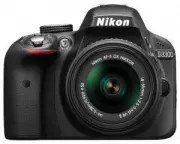 Nikon D3300
Manual
Nikon D3300
Manual
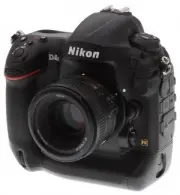 Nikon D4S
Manual
Nikon D4S
Manual
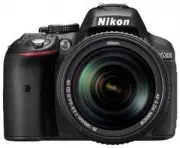 Nikon D5300
Manual
Nikon D5300
Manual
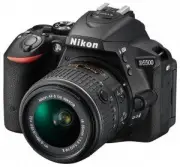 Nikon D5500
Manual
Nikon D5500
Manual
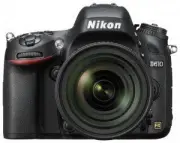 Nikon D610
Manual
Nikon D610
Manual
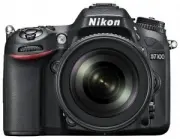 Nikon D7100
Manual
Nikon D7100
Manual
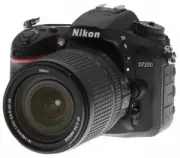 Nikon D7200
Manual
Nikon D7200
Manual
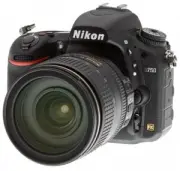 Nikon D750
Manual
Nikon D750
Manual
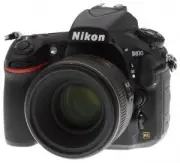 Nikon D810
Manual
Nikon D810
Manual
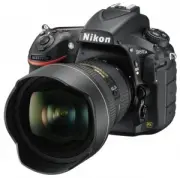 Nikon D810A
Manual
Nikon D810A
Manual
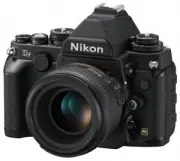 Nikon Df
Manual
Nikon Df
Manual
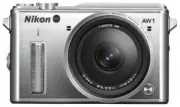 Nikon 1 AW1
Manual
Nikon 1 AW1
Manual
 Nikon 1 J3
Manual
Nikon 1 J3
Manual
 Nikon 1 J4
Manual
Nikon 1 J4
Manual
 Nikon 1 J5
Manual
Nikon 1 J5
Manual
 Nikon 1 S2
Manual
Nikon 1 S2
Manual
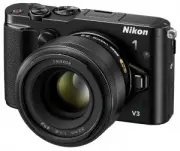 Nikon 1 V3
Manual
Nikon 1 V3
Manual
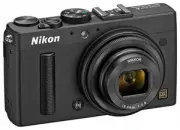 Nikon Coolpix A
Manual
Nikon Coolpix A
Manual
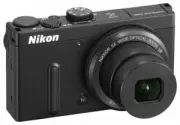 Nikon Coolpix P330
Manual
Nikon Coolpix P330
Manual
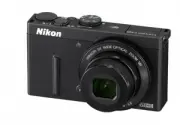 Nikon Coolpix P340
Manual
Nikon Coolpix P340
Manual