Page 3 - Product Documentation; The
i Product Documentation The documentation for this productincludes the manuals listed below.Please be sure to read all instructionsthoroughly to get the most from yourcamera. Quick-Start Guide The Quick-Start Guide takes you through the process of unpackingand setting up your Nikon digitalcamera, ta...
Page 4 - ii; WARNINGS; Do not disassemble; For Your Safety
ii To prevent damage to your Nikon product or injury to yourself or to others,read the following safety precautions in their entirety before using this equip-ment. Keep these safety instructions where all those who use the productwill read them. The consequences that could result from failure to obs...
Page 5 - iii; Use appropriate cables
iii • Batteries are prone to leakage when fully discharged. To avoid damage tothe product, be sure to remove thebattery when no charge remains. • When the battery is not in use, attach the terminal cover and store in a coolplace. • Immediately after use, or when the product is used on battery power ...
Page 6 - iv; Notices; FOR HOME OR OFFICE USE; CAUTIONS
iv • No part of the manuals included with this product may be reproduced, transmitted,transcribed, stored in a retrieval system,or translated into any language in anyform, by any means, without Nikon’sprior written permission. • Nikon reserves the right to change the specifications of the hardware a...
Page 7 - Trademark Information
v Notice for customers in Canada CAUTION This class B digital apparatus meets all re-quirements of the Canadian InterferenceCausing Equipment Regulations. ATTENTION Cet appareil numérique de la classe B res-pecte toutes les exigences du Règlementsur le matériel brouilleur du Canada. Notice Concernin...
Page 8 - Table of Contents
vi Table of Contents Product Documentation .................................................................................. i For Your Safety ............................................................................................... ii Notices ....................................................
Page 9 - vii
vii Taking Pictures: The Details ............................................................................ 41 Beyond Point-and-Shoot: Camera Controls .................................................. 42 , , or Movie: Choosing a Shooting Mode ......................................... 42 Flash Pho...
Page 10 - viii
Page 11 - Overview; This chapter is divided into the following sections:; Introduction; Before You Begin; Menu Guide
1 Overview 2–3 Getting to Know theCOOLPIX 3500 4–8 This chapter is divided into the following sections: Overview Read this section for a description of how thismanual is organized and for an explanation of thesymbols and conventions used. Getting to Know the COOLPIX 3500 Bookmark this section and re...
Page 12 - About This Manual; Use Only Nikon Brand Electronic Accessories
2 Intr oduction—Over view Overview About This Manual Thank you for your purchase of a COOLPIX 3500 digital camera. This manualhas been written to help you enjoy taking digital pictures with your COOLPIX3500. Read this manual thoroughly before use, and keep it handy whenusing the product. Use Only Ni...
Page 13 - • For users in Europe:
3 Intr oduction—Over view To make it easier to find the information you need, the following symbols andconventions are used: Life-Long Learning As part of Nikon’s “Life-Long Learning” commitment to ongoing product sup-port and education, continually-updated information is available on-line atthe fol...
Page 14 - Getting to Know the COOLPIX 3500; The Parts of the Camera and Their Functions; Where to Find It—Parts of the COOLPIX 3500
4 Intr oduction—Getting to Know the COOLPIX 3500 Getting to Know the COOLPIX 3500 The Parts of the Camera and Their Functions Take a few moments to familiarize yourself with camera controls and displays.You may find it helpful to bookmark this section and refer to it as you readthrough the rest of t...
Page 15 - Tripod socket
5 Intr oduction—Getting to Know the COOLPIX 3500 B 6 C 14 12 11 15 8 9 10 13 7 D 16 13 Tripod socket 14 / button .... 33–34, 43, 68, 70 15 Flash-ready lamp ................... 28 16 Non-slip grip A Mode selector ......................... 6 B Monitor ................................... 6 C Multi sele...
Page 16 - How to Use It—Camera Controls and Displays; A The Mode Selector; mode selector; B The Monitor; monitor; NORMAL
6 Intr oduction—Getting to Know the COOLPIX 3500 How to Use It—Camera Controls and Displays A The Mode Selector The mode selector selects the operating mode and turns the camera on and off. Choose to take still pictures and movies ( 42), (playback mode) to play them back ( 68). Slide the mode select...
Page 17 - Controlling the Monitor; Battery level indicator
7 Intr oduction—Getting to Know the COOLPIX 3500 2048 15 NORMAL The monitor is also used to play pictures back. When a picture is played backfull screen, information about the image is shown superimposed on the photo. Controlling the Monitor To hide camera settings or photo info, press the multi sel...
Page 18 - C The Multi Selector; multi selector; ON; button; USB; Quick Start Guide
8 Intr oduction—Getting to Know the COOLPIX 3500 C The Multi Selector The multi selector is used to navigate through cam- era menus, to page through or select picturesduring playback ( 68), and to control the dis- play of indicators in the monitor. In mode, the multi selector is also used to select ...
Page 19 - Index to Menu Options; Menu
9 Intr oduction—Menu Guide Menu Guide Index to Menu Options Changes to some camera settings are made with the help of menus thatappear in the camera monitor. The options available depend on the operat-ing mode and, in mode, on the shooting mode selected ( 42). No menu is available in movie mode ( 42...
Page 20 - IMAGE QUALITY; Choose; FINE; BASIC; FINE; The Shooting Menu; IMAGE SIZE
10 Intr oduction—Menu Guide SHOOTING MENU MENU SELECT SET OFF IMAGE QUALITY Choose FINE for printing and enlarg- ing, BASIC to reduce file size. EXP. +/– Adjust exposure for bright, dark, orhigh contrast subjects. EXP.+/– MENU SELECT SET OFF 51 53 Choose from settingsb e t w e e n – 2 . 0 a n d+2.0 ...
Page 21 - Off; Auto
11 Intr oduction—Menu Guide Off SHOOTING MENU MENU SELECT SET OFF IMAGE QUALITY Choose FINE for printing and enlarg- ing, BASIC to reduce file size. WHITE BALANCE Match to lighting to ensurethat colors are reproducedaccurately. EXP. +/– Adjust exposure for bright, dark, orhigh contrast subjects. CON...
Page 22 - Maximum; Format; Adjust monitor brightness.; Reset; The Setup Menu
12 Intr oduction—Menu Guide (Five levels) Maximum Minimum No Format 30 s 1 m5 m 30 m De (German) En (English) Fr (French) PTP Mass Storage Y ear, M onth, D ay, hour, minute, order of dis-play for year, month,and day BrightnessCF Card FormatDateAuto OffLanguageUSBReset All SET-UP MENU SELECT SET OFF ...
Page 23 - Delete all or selected pictures.
13 Intr oduction—Menu Guide Auto Transfer Mark all pictures for transfer to a com-puter, or remove transfer markingfrom all pictures. AUTO TRANSFER All ON All OFF MENU SELECT SET OFF Brightness Adjust monitor brightness. BRIGHTNESS MENU SELECT SET OFF CF Card Format This option is used to format mem...
Page 24 - and; Mode
14 Intr oduction—Menu Guide The Scene Menu ( and Modes) Your Nikon digital camera offers a choice of twelve “scene” modes for com-mon compositions. When a scene is selected from the SCENE menu, camerasettings are automatically adjusted to produce optimal results for the selectedscene, sparing you th...
Page 25 - Tutorial; Getting Started
15 Taking Pictures 23–30 Review and Deletion 31–35 Getting Creative 36–40 First Steps 16–22 Tutorial Getting Started This chapter is divided into the following four sec-tions: First Steps This section details the steps you will take beforeusing your camera for the first time. Taking Pictures Read th...
Page 26 - Step 2—Insert the Battery and Memory Card; Charge the battery; First Steps; Getting Ready to Use Your Camera; Step 1—Attach the Camera Strap; Alternative Power Sources
Tutorial—First Steps 16 Step 2—Insert the Battery and Memory Card Your camera is powered by a rechargeable Nikon EN-EL2 lithium-ion battery,which can be charged using the MH-60 battery charger provided with thecamera. To store pictures, your camera uses CompactFlash ™ memory cards. 2 .1 Charge the b...
Page 27 - Turn the camera off
Tutorial—First Steps 17 Read Battery Warnings Read and follow all warnings and instructions supplied by the batterymanufacturer. Formatting Memory Cards The memory card supplied with your camera is formatted at shipment. Othermemory cards, however, must be formatted before first use. For information...
Page 28 - Close the battery-chamber/memory card slot cover
Tutorial—First Steps 18 A B C Removing the Battery The battery can be removed without affecting pic-tures on the memory card. Before removing thebattery, turn the camera off. Remove the batteryby hand, holding it between your finger and thumbas shown at right. Do not use your fingernails. 1 2 E N E ...
Page 29 - Step 3—Choose a Language
Tutorial—First Steps 19 Highlight SET-UP menu page tab ( ) Step 3—Choose a Language Camera menus and messages can be displayed in your choice of German,English, French, Japanese, and Spanish. Press MENU button to display menu for current shooting mode IMAGE QUALITY MENU SELECT SET OFF Slide mode sel...
Page 31 - Step 4—Set the Time and Date
Tutorial—First Steps 21 Step 4—Set the Time and Date Information on the time and date of recording is included with all picturestaken with your Nikon digital camera. To set the camera’s internal clock tothe correct time and date: Slide mode selector to 4 .1 4 .2 Highlight SET-UP menu page tab ( ) Hi...
Page 32 - Y M D
Tutorial—First Steps 22 BrightnessCF Card Format Date Auto OffLanguageUSB DATE MENU SELECT SET OFF DATE MENU SELECT SET OFF DATE MENU SELECT SET OFF DATE MENU SELECT SET OFF Highlight Y M D Edit selected item. Repeat steps 4.8– 4.9 until all items have been set. 4 .9 4 .10 Choose order in which year...
Page 33 - aking Pictur; Taking Pictures; The Basics; Step 1—Ready the Camera; Turn the lens section to shooting position; The Lens Section
23 Tutorial—T aking Pictur e s Taking Pictures The Basics This section details the basic steps involved in taking pictures in mode. In this automatic, “point-and-shoot” mode, the majority of camera settings arecontrolled by the camera in response to shooting conditions, producing thebest possible re...
Page 34 - NO ICON; Display; Check indicators in the monitor
24 Tutorial—T aking Pictur e s Battery Level (A) The battery level is displayed as follows: Number of Exposures Remaining (B) If the number of exposures remaining is zero, a message will be dis-played in the monitor. In this case, delete pictures ( 33–34), use a new memory card, or choose a lower qu...
Page 35 - Step 2—Choose; the current shooting mode will be highlighted. If
25 Tutorial—T aking Pictur e s Step 2—Choose Mode 15 NORMAL 2048 Press multi selector down to display shooting-mode menu * 2 .1 Press multi selector to right to exit menu(if no operation is performed for about twoseconds, menu will close and original set-ting will be restored). Current shootingmode ...
Page 36 - Setting; Step 4—Frame the Picture; Adjust the lens angle
26 Tutorial—T aking Pictur e s Setting Default Description Flash mode Auto Flash fires automatically when lighting ispoor. 43 Self timer Off Self-timer off. 45–46 Image quality NORMAL Pictures compressed for balance betweenquality and file size that is ideal for snap-shots. 51 Image size 2048 Pictur...
Page 37 - Ready the camera; Don’t Block the Shot
27 Tutorial—T aking Pictur e s 4 .2 Ready the camera Hold the camera steadily in both hands. 4 .3 Frame your subject Use the zoom buttons to frame your subject against the background. Don’t Block the Shot To avoid dark or partially obscured pic-tures, keep your fingers and other ob-jects away from t...
Page 38 - Step 5—Focus and Shoot; Focus; When Lighting Is Poor
28 Tutorial—T aking Pictur e s Step 5—Focus and Shoot 5 .1 Focus Press the shutter-release buttonhalfway to set focus and expo- sure. The camera will focus onthe subject closest to the cam-era, and lock focus at this dis-tance while the shutter-releasebutton is pressed halfway. With the shutter-rele...
Page 39 - Take the picture; Getting Good Results with Autofocus; While pictures are being recorded to the memory card, a
29 Tutorial—T aking Pictur e s 5 .2 Take the picture Smoothly press the shutter-release buttonthe rest of the way down to take a picture. After each shot, the picture you have justtaken will be displayed briefly in the moni-tor before being recorded to the memorycard. If you are not satisfied with t...
Page 40 - Step 6—Put the Camera Away
30 Tutorial—T aking Pictur e s Step 6—Put the Camera Away 6 .1 Turn the camera off Turn the camera off to save battery power. 6 .2 Return the lens section to the closed position To protect the lens, return the lens sectionto its housing in the camera body.
Page 41 - Tutorial—Review and Deletion; Review and Deletion; Quick Review
31 Tutorial—Review and Deletion Review and Deletion Quick Review Using the quick review function on your Nikon digital camera, you can viewthe results of earlier attempts while setting up the next shot, and use whatyou see to change camera settings or to choose a better angle. Once youhave the shot ...
Page 43 - N o; Press
33 Tutorial—Review and Deletion ( ) Press the ( ) button for an enlarged view of the current photo ( 71). While the pho- to is zoomed in, use the multi selector to viewareas not visible in the monitor. To cancelzoom, press . Zoom photo in ( ) Press the ( ) button to display up to nine pictures at a ...
Page 44 - Thumbnail Review
34 Tutorial—Review and Deletion Press Description To Shutter release/ To end review and return to shooting mode,press the button or press the shutter- release button halfway. Return to mode Press the multi selector up, down, left, or rightto highlight thumbnails. Highlight pictures Thumbnail Review ...
Page 45 - mode. To learn about additional playback options available in
35 Tutorial—Review and Deletion Playback Mode ( 67) This section describes quick review, which allows you to view pictures withoutleaving mode. To learn about additional playback options available in (playback) mode, see “Playing Pictures Back” ( 67).
Page 46 - eative; Getting Creative; Scene Selection; Scene selection is only available in
36 Tutorial—Getting Cr eative Getting Creative Scene Selection SELECT SET 2048 15 NORMAL Your Nikon digital camera offers a choice of “scene” modes for commoncompositions, such as portraits, landscapes, and close-ups, which require specialcombinations of settings that apply to any scene of the same ...
Page 47 - OFF; The following pages describe when to use each scene mode.; Camera Shake; Place the camera on a flat, level surface such as a wall or table.
37 Tutorial—Getting Cr eative In scene mode, you can adjust flash ( 43) and self-timer ( 45) settings (restrictions may apply depending on the scene selected). Pressing the MENU button will display the SHOOTING menu ( 49). To return to or mode, select OFF in the SCENE menu. The following pages descr...
Page 48 - Noise Reduction; Night; , pictures taken at slow shutter speeds are processed to reduce; Night Portrait; • Flash mode fixed at; Landscape; • Flash mode set to; AUTO
38 Tutorial—Getting Cr eative Noise Reduction “Noise” in the form of randomly-spaced, brightly-colored pixels tends to ap-pear in pictures taken at slow shutter speeds. This effect is particularly notice-able in dark areas of the picture. At settings of Night Portrait and Night Landscape , pictures ...
Page 50 - Copy; Close Up
40 Tutorial—Getting Cr eative Copy Use when light is coming from behind your subject, throw-ing their features into shadow, or when your subject is inthe shade but the background is brightly lit. The flash willfire automatically to “fill in” (illuminate) shadows. Back Light • Flash mode fixed at (fi...
Page 52 - Taking Pictur; Camera Controls
42 Taking Pictur es—Beyond Point-and-Shoot , , or Movie: Choosing a Shooting Mode Beyond Point-and-Shoot Camera Controls In mode, you have a choice of four basic shooting modes (for information on choosing a shooting mode, see “Tutorial: Taking Pic-tures”; 23): Pressing the SCENE button in or mode d...
Page 53 - Flash Photography: The Button; The Flash-Ready Light
43 Taking Pictur es—Beyond Point-and-Shoot Flash Photography: The Button In mode, the button controls the flash. Four flash modes are available (restrictions may apply in scene mode; 36): AUTO Auto F l a s h f i r e s w h e nlighting is poor. Best choice in most circumstances. Auto with red-eye redu...
Page 54 - The flash mode can be selected with the button:; When lighting is poor and the flash is off (; ISO; icon
44 Taking Pictur es—Beyond Point-and-Shoot 2048 15 NORMAL The flash mode can be selected with the button: AUTO 2048 15 NORMAL Press button to display flash-mode menu 1 Press multi selector to right to exit menu(flash-mode menu will also close if no op-eration is performed for about two sec-onds). Cu...
Page 55 - Delaying Shutter Release: Choosing a Self-Timer Mode; Position the camera
45 Taking Pictur es—Beyond Point-and-Shoot 2048 15 NORMAL Delaying Shutter Release: Choosing a Self-Timer Mode When the self-timer is on, pictures will not be taken until ten seconds afterthe shutter-release button is pressed all the way down, giving you time toposition yourself in front of the came...
Page 56 - Compose the picture; Restrictions on the Self-Timer; The self-timer is not available in movie mode (; Fireworks; Digital Zoom; Continuous; 6) is not available
46 Taking Pictur es—Beyond Point-and-Shoot 3 Compose the picture Adjust camera settings and frame the picture. Remember that the camerawill focus on the closest object; compose your picture with no other ob-jects between your subject and the camera. 4 Start the timer Press the shutter-release button...
Page 57 - Framing Pictures: Optical and Digital Zoom; Optical Zoom
47 Taking Pictur es—Beyond Point-and-Shoot Framing Pictures: Optical and Digital Zoom Your Nikon digital camera offers two kinds of zoom: optical zoom, in whichthe camera’s telescoping lens can be used to magnify the subject up to 3 × , and digital zoom, in which digital processing is used to furthe...
Page 58 - Keep or Delete: Picture Review; To
48 Taking Pictur es—Beyond Point-and-Shoot Keep or Delete: Picture Review After each shot, the picture you have just takenwill be displayed briefly in the monitor until beingrecorded to the memory card. The following op-erations can be performed while the picture is dis-played: To Press Description ...
Page 59 - Fine-Tuning Camera Settings; To exit the menu and return to shooting mode, press the
49 Taking Pictur e s—Fine-T uning Camera Settings Fine-Tuning Camera Settings The -Mode Menu In mode, changes to some settings are made with the help of a SHOOT- ING menu that appears when the MENU button is pressed. To make selections from the SHOOTING menu: Slide mode selector to 1 Press MENU butt...
Page 60 - Making Effective Use of Memory: Image Quality and Size; Option
50 Taking Pictur e s—Fine-T uning Camera Settings Making Effective Use of Memory: Image Quality and Size Together, image quality and size determine howmuch space each picture occupies on the memorycard, which in turn determines the total numberof pictures that can be stored. The current imagesize an...
Page 61 - Image Quality
51 Taking Pictur e s—Fine-T uning Camera Settings IMAGE QUALITY MENU SELECT SET OFF Option Description FINE Fine image quality, suitable for enlarge-ments or high-quality prints. BASIC Basic image quality, suitable for picturesthat will be distributed by e-mail or used inweb pages. NORMAL Normal ima...
Page 62 - Image Size; Image size; Print Size; Print sizes assume a printer resolution of approximately 200 dpi.
52 Taking Pictur e s—Fine-T uning Camera Settings IMAGE SIZE MENU SELECT SET OFF Image Size Image size refers to the physical dimensions of the image, measured in pixels. Choose an image sizeaccording to the space available on the memorycard and the task at hand. Print Size The size of pictures when...
Page 63 - At values other than
53 Taking Pictur e s—Fine-T uning Camera Settings Adjusting Exposure: Exp. +/– The Exp. +/– (exposure compensation) menu al- lows you to alter exposure from the value sug-gested by the camera, making pictures brighteror darker. EXP.+/– MENU SELECT SET OFF 2048 15 NORMAL +0.3 At values other than ± 0...
Page 64 - Keeping Colors True:; White Balance; Choosing a White Balance Setting
54 Taking Pictur e s—Fine-T uning Camera Settings 2048 NORMAL Keeping Colors True: White Balance White balance is used to preserve natural colorsunder different types of lighting. At settings otherthan Auto , the current white balance setting is shown in the monitor. WHITE BALANCE MENU SELECT SET OF...
Page 65 - Preset White Balance; White; and press the multi selector to the right to
55 Taking Pictur e s—Fine-T uning Camera Settings Preset White Balance Preset white balance is used to adjust white bal-ance when shooting under mixed lighting or tocompensate for light sources with a strong colorcast (for example, to make pictures taken under alamp with a red shade look as though t...
Page 66 - Taking Pictures in a Sequence:; At settings of; 84 pixels in size and combines them into a; Single
56 Taking Pictur e s—Fine-T uning Camera Settings Taking Pictures in a Sequence: Continuous The options in the “continuous” menu are usedto take pictures in a continuous sequence. Thiscan be useful when, for example, you are tryingto capture a fleeting expression on a portrait sub-ject, or photograp...
Page 67 - Getting Sharper Pictures:; poor; Restrictions on BSS; BSS is not available at CONTINUOUS settings other than; or; BSS; icon appears in the monitor.
57 Taking Pictur e s—Fine-T uning Camera Settings Getting Sharper Pictures: BSS (Best Shot Selector) The “Best Shot Selector” (BSS) is recommended forsituations in which inadvertent camera movementcan produce blurred pictures, for example when:• the camera is zoomed in• the flash can not be used alt...
Page 68 - Making Edges More Distinct:; Image Sharpening
58 Taking Pictur e s—Fine-T uning Camera Settings Option Description Making Edges More Distinct: Image Sharpening The camera automatically emphasizes the bordersbetween light and dark areas of each picture, mak-ing the image seem sharper. The effects are toosubtle to be seen in the camera monitor, b...
Page 70 - Camera Setup
60 Camera Setup IMAGE QUALITY MENU SELECT SET OFF Slide mode selector to 1 2 Press MENU button to display menu for current shooting mode The SET-UP menu contains options for basic camera setup. The SET-UP menuis accessed from the SHOOTING menu for , , or scene mode (no menu is available in movie mod...
Page 71 - Brightness; CF Card Format; options can also be accessed from the
61 Camera Setup Display options 7 Highlight option (to return to previous menu, press multi selector to left) 8 BrightnessCF Card FormatDate Auto Off LanguageUSBReset All AUTO OFF MENU SELECT SET OFF BrightnessCF Card FormatDate Auto Off LanguageUSBReset All AUTO OFF MENU SELECT SET OFF Make selecti...
Page 72 - Formatting Memory Cards:; Selecting; from the setup or playback menus displays the; Adjusting Monitor Brightness:; During Formatting
62 Camera Setup Formatting Memory Cards: CF Card Format The memory card provided with your camera isformatted at shipment. If you purchase additionalmemory cards for added storage, you will how-ever need to format the cards before first use toensure that they work properly in your camera.Formatting ...
Page 73 - Setting the Time and Date:; Conserving Battery Power:; using; Before Formatting; When powered by an AC adapter kit (available separately
63 Camera Setup Setting the Time and Date: Date This option is used to set the camera to the cur-rent date and time. For more information, see“Tutorial: First Steps” ( 21). DATE MENU SELECT SET OFF Conserving Battery Power: Auto Off When operated on battery power, the camera willenter sleep mode if ...
Page 74 - Choosing a Language:; Choosing a USB Protocol:; Mass Storage; Mac OS X; Pictures can not be transferred using the camera; Operating system
64 Camera Setup BrightnessCF Card FormatDateAuto Off Language USBReset All LANGUAGE MENU SELECT SET OFF Choosing a Language: Language This option is used to choose the language in whichcamera menus and messages are displayed. Formore information, see “Tutorial: First Steps”( 19). BrightnessCF Card F...
Page 75 - not
65 Camera Setup Windows 2000 Professional, Windows Millennium Edition (Me),Windows 98 Second Edition (SE), Mac OS 9 (9.0, 9.1, 9.2) Do not select PTP when connecting the COOLPIX 3500 to a computer run- ning one of the above operating systems (there is no need to change the USBsetting when using the ...
Page 76 - Restoring Default Settings:; Resetting File Numbering to 0001; To reset file numbering (; after either deleting
66 Camera Setup Restoring Default Settings: Reset All ( Mode Only) Reset All is used to reset settings to their default values. This option is only available in the SET-UPmenu for mode, but resets settings for all modes. Choosing Reset restores the settings listed below to their default values. RESE...
Page 77 - Playing; Playback Mode
67 The Playback Menu 75–82 Basic Playback 68–74 Playing Pictures Back Playback Mode This section details the operations that can be per-formed when the mode selector is set to . It is divided into the following two sections: Basic Playback This section covers playback operations that can beperformed...
Page 78 - Basic Playback; Full-Frame and Thumbnail Playback
68 Playing Pictur es Back—Basic Playback When the mode selector is set to , the camera enters playback mode with the most recent pic-ture displayed in the monitor. Basic Playback Full-Frame and Thumbnail Playback 1/ 001 1 2048 NORMAL Press the multi selector up to view pictures record-ed before the ...
Page 79 - SMALL; Image File and Folder Names
69 Playing Pictur es Back—Basic Playback Press multi selector to left to hide or display photoinfo superimposed on picture in monitor ( 7). Hide or display photo info MENU Press the MENU button to display or hide the play- back menu ( 75). Display playback menu Press Description ( ) Press the ( ) bu...
Page 81 - View other; Playback Tips; Taking a Closer Look: Playback Zoom; Description; Zoom photo in
71 Playing Pictur es Back—Basic Playback Press the multi selector to scroll to areas of theimage not visible in the monitor. View other areas of image Playback Tips In single-image playback, pictures are displayed briefly at low resolution whilebeing read from the memory card. This makes it possible...
Page 82 - Creating a Small Copy of a Picture: Small Picture; Pressing the; Yes
72 Playing Pictur es Back—Basic Playback Creating a Small Copy of a Picture: Small Picture Pressing the SMALL PIC. ( ) button in full-frame or thumbnail playback creates a small copy of the current picture. Copies are 320 × 240 pixels in size and have an image quality of BASIC, making them ideal for...
Page 83 - nnnn; Restrictions on Small Picture; button when a copy is displayed will have no effect. Pressing the; Viewing Small Picture Files on Other Cameras
73 Playing Pictur es Back—Basic Playback Once created, copies are independent of the original: deleting a copy has noeffect on the original, deleting the original no effect on the copy. Copies arestored on the memory card as independent files with names of the form“SSCN nnnn .JPG,” where “ nnnn ” is...
Page 84 - Movie Playback; Inverted Playback
74 Playing Pictur es Back—Basic Playback Movie Playback Movies are indicated by a icon. In full-frame playback, movies can be viewed using the button. Movies can not be played back whenthumbnails are displayed. Description To Press Pressing the button while playback is in progress pauses display. To...
Page 85 - The Playback Menu; Managing Pictures; Memory Card Format/Brightness
75 Playing Pictur e s Back—The Playback Menu The Playback Menu Managing Pictures The playback menu contains options for deleting pictures and protecting im-ages from deletion. You can also create a digital “print order” for printingphotographs on any device compatible with the D igital P rint O rder...
Page 86 - Deleting Selected Photographs and Movies; To delete selected photographs and movies:; Selected Images; menu contains the following options:
76 Playing Pictur e s Back—The Playback Menu Deleting Selected Photographs and Movies To delete selected photographs and movies: Highlight Selected Images Display menu of thumbnail images Highlight picture Press multi selector up or down to se-lect picture for deletion. Selected pic-tures are marked...
Page 87 - Before Deletion; Once deleted, pictures can not be recovered; Protected Pictures; Pictures marked with a; Deleting All Photographs and Movies; To delete all pictures on the memory card:
77 Playing Pictur e s Back—The Playback Menu Press to display a confirmation dia- log. Press multi selector up or down tohighlight option, press to right to putchoice into effect:• Select No to return to playback menu without deleting pictures • Select Yes to delete all selected pictures DELETE No Y...
Page 88 - Print Set; Selecting Pictures for Printing
78 Playing Pictur e s Back—The Playback Menu Ordering Prints: Print Set Selecting Print Set from the playback menu dis- plays the menu shown at right. Using the Print set option, you can specify the pictures to be printed, the number of prints, and the informa-tion to be included on each print. This...
Page 89 - “Date”; option functions in much the same way
79 Playing Pictur e s Back—The Playback Menu Use multi selector to specify number ofprints. Press up to increase (maximum 9),down to decrease. To deselect picture,press multi selector down when numberof prints is 1. Repeat steps 1–3 to selectadditional pictures. To exit without alter-ing print order...
Page 90 - Safeguarding Valuable Pictures:; Protect; from the playback menu displays; Protect; will
80 Playing Pictur e s Back—The Playback Menu D O N E Safeguarding Valuable Pictures: Protect Selecting Protect from the playback menu displays the menu shown at right, where you can selectpictures to protect from accidental deletion. Highlight picture Press multi selector up or down to se-lect pictu...
Page 91 - Marking All Pictures for Transfer:; Auto Transfer; Transferring More than 999 Pictures; Nikon; Marking Pictures for Transfer with Other Cameras
81 Playing Pictur e s Back—The Playback Menu AUTO TRANSFER All ON All OFF MENU SELECT SET OFF Marking All Pictures for Transfer: Auto Transfer To turn transfer marking ( 82) on or off for all pictures simultaneously, select Auto Transfer from the playback menu. The following options will bedisplayed...
Page 92 - Transferring Pictures to a Computer
82 Playing Pictur e s Back—The Playback Menu Pictures can be transferred to the computer by pressing the ( ) button on the camera body or by clicking the button in Nikon View. For infor- mation on installing Nikon View and transferring pictures using the ( ) button, see the Quick Start Guide . More ...
Page 94 - Technical Notes; Caring for the Camera and Battery; Keep dry
84 Technical Notes Caring for the Camera and Battery To ensure continued enjoyment of your Nikon product, observe the followingprecautions when using or storing the device. Keep dry The device will be damaged if immersed in water or subjected to highlevels of moisture. Handle the lens and all moving...
Page 95 - Cleaning; Lens; Avoid Contact with Liquid Crystal; flicker, contact your Nikon service representative.
85 Technical Notes Cleaning Lens One key to cleaning the lens is to not touch it with your fingers. Use a blower (typically a small device with a rubber bulb attached to one end that youpump to produce a stream of air out the other) to remove dust or lint. Toremove fingerprints or other stains that ...
Page 96 - Storage; televisions or radios; Batteries
86 Technical Notes Storage When the camera is not in use, turn the camera off and return the lens sec-tion to its housing in the camera body. To prevent mold or mildew, store thecamera in a dry, well-ventilated area. If you will not be using the product forlong periods, remove the battery to prevent...
Page 97 - Optional Accessories; Approved Memory Cards; Lexar
87 Technical Notes Optional Accessories At the time of writing, the following optional accessories were available for theCOOLPIX 3500. Contact your local retailer or Nikon representative for details. Approved Memory Cards In addition to the card provided with your camera, the following memorycards h...
Page 98 - Web Resources; For Product Information and Tips; Troubleshooting; Problem
88 Technical Notes Web Resources At the time of writing, the following on-line resources were available for usersof Nikon digital imaging equipment: For Product Information and Tips • For users in the USA: http://www.nikonusa.com/ • For users in Europe: http://www.nikon-euro.com/ • For users in Asia...
Page 101 - Nikon View Reference Manual
91 Technical Notes Can not zoom in on picture during play- back or review • Picture is a movie.• Picture was created using small picture option. 71 Picture can not be played back • Picture has been overwritten or renamed by a computer or other make of camera. — Pressing button when picture is displa...
Page 102 - BATTERY; AF; Error Messages; NO CARD PRESENT; FORMAT
92 Technical Notes A t t e m p t m a d e t otur n camera off orview pictures duringrecording. Message clears from dis-play automatically whenrecording is complete. 29 WARNING ! ! Please wait for camerato finish recording Lens is blocked bycamera body. Rotate lens until messageis no longer displayed....
Page 103 - Camera in
93 Technical Notes Problem Solution Display Camera in mode: Insufficient memoryto record pictures atcurrent settings. E r r o r o c c u r s w h e nyou try to transferimages to computer : N o t en o u g h sp aceon memory card torecord informationneeded for transfer. • Reduce image quality or size. • ...
Page 105 - Specifications; A Note on Electronically-Controlled Cameras
95 Technical Notes Specifications Type E3500 digital camera Digital zoom 4.0 × Effective pixels 3.2 million 1 / 2.7 ˝ high-density CCD; total pixels: 3.34 million CCD Image size (pixels) • 2048 × 1536 (2048) • 1600 × 1200 (1600) • 1280 × 960 (1280) • 1024 × 768 (1024) • 640 × 480 (640) 3 × Zoom Nikk...
Page 106 - Design Rule for Camera File Systems (DCF)
96 Technical Notes Design Rule for Camera File Systems (DCF) Your camera names pictures according to the Design Rule for Camera FileSystems (DCF), a standard widely used in the digital camera industry to ensurecompatibility among different makes of camera. Sensitivity Approximately equivalent to ISO...
Page 107 - Weight
97 Technical Notes Operating Environment Temperature 0 – 40 ° C (32 – 104 ° F) Humidity Less than 85% (no condensation) Power sources • One rechargeable Nikon EN-EL2 lithium-ion battery (supplied) • EH-60/EH-60S AC adapter kit (available separately) * Battery life (EN-EL2) Approximately 80 minutes w...
Page 108 - Index; Symbols
98 Index Index Symbols 2048 , 1600 , 1280 , 1024 , 640 , 52 (shooting) mode, 6 (playback) mode, 6 button, 4, 33, 34, 68, 70 button, 4, 33, 69, 71 button, 5, 43 button, 5, 33, 34, 68, 70 button, 5, 33, 34, 69, 70, 82 . See shooting mode; mov- ies , See self timer , 6, 24 , 6, 22 , 6, 37, 44 , , , , ,...
Page 111 - DIGITAL CAMERA; The Guide to Digital Photography
En Printed in Japan S2G10000101(11) 6MAA3811-- DIGITAL CAMERA The Guide to Digital Photography with the E n 5.6-16.8mm1:2.7-4.8


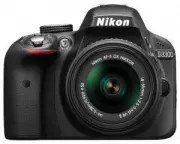 Nikon D3300
Manual
Nikon D3300
Manual
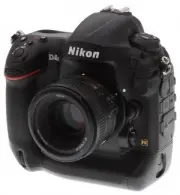 Nikon D4S
Manual
Nikon D4S
Manual
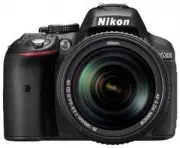 Nikon D5300
Manual
Nikon D5300
Manual
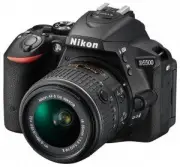 Nikon D5500
Manual
Nikon D5500
Manual
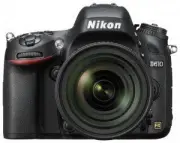 Nikon D610
Manual
Nikon D610
Manual
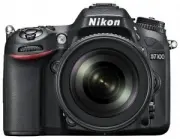 Nikon D7100
Manual
Nikon D7100
Manual
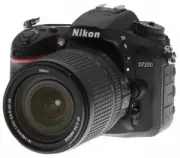 Nikon D7200
Manual
Nikon D7200
Manual
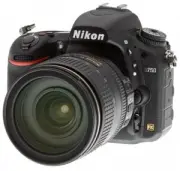 Nikon D750
Manual
Nikon D750
Manual
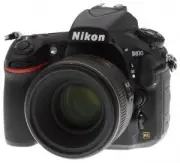 Nikon D810
Manual
Nikon D810
Manual
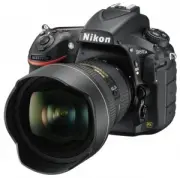 Nikon D810A
Manual
Nikon D810A
Manual
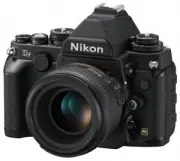 Nikon Df
Manual
Nikon Df
Manual
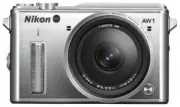 Nikon 1 AW1
Manual
Nikon 1 AW1
Manual
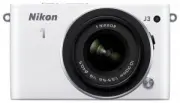 Nikon 1 J3
Manual
Nikon 1 J3
Manual
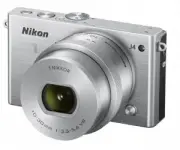 Nikon 1 J4
Manual
Nikon 1 J4
Manual
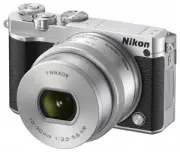 Nikon 1 J5
Manual
Nikon 1 J5
Manual
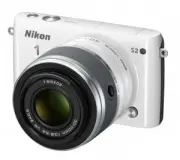 Nikon 1 S2
Manual
Nikon 1 S2
Manual
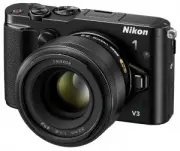 Nikon 1 V3
Manual
Nikon 1 V3
Manual
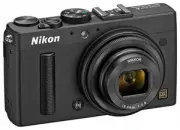 Nikon Coolpix A
Manual
Nikon Coolpix A
Manual
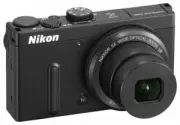 Nikon Coolpix P330
Manual
Nikon Coolpix P330
Manual
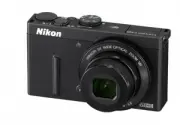 Nikon Coolpix P340
Manual
Nikon Coolpix P340
Manual