Page 2 - Trademark Information
Trademark Information Apple, the Apple logo, Macintosh, Mac OS, Power Macintosh, PowerBook, and Quick Time are registered trademarks of Apple Computer, Inc. Finder, Power Mac, iMac, and iBook are trademarks of Apple Computer, Inc. Microsoft and Windows are registered trademarks of Microsoft Corporat...
Page 3 - For Your Safety; WARNINGS
i For Your Safety To prevent damage to your Nikon product or injury to yourself or to oth -ers, read the following safety precautions in their entirety before using this equipment. Keep these safety instructions where all those who use the product will read them. The consequences that could result f...
Page 4 - ii
ii For Your Safety • Do not expose batteries to fl ame or to excessive heat. • Do not immerse in or expose to water.• Do not transport or store with metal objects such as necklaces or hairpins. • Batteries are prone to leakage when fully discharged. To avoid damage to the product, be sure to remove ...
Page 5 - iii; Cautions
iii To ensure continued enjoyment of your Nikon product, observe the follow -ing precautions when storing or using the device: Cautions Keep dry The device will be damaged if immersed in water or subjected to high levels of moisture. Handle the lens and all moving parts with care Do not apply force ...
Page 6 - iv; Notices; CAUTIONS; Modifi cations
iv Notices • No part of the manuals included with this product may be reproduced, trans-mitted, transcribed, stored in a retrieval system, or translated into any language in any form, by any means, without Nikon’s prior written permission. • Nikon reserves the right to change the specifi cations of ...
Page 7 - • Items prohibited by law from being
v Notices / F o r Yo u r S a fe ty Notice for customers in Canada CAUTION This class B digital apparatus meets all re-quirements of the Canadian Interference Causing Equipment Regulations. ATTENTION Cet appareil numérique de la classe B res-pecte toutes les exigences du Règlement sur le matériel bro...
Page 8 - Before Taking Important Pictures
vi Notices Before Taking Important Pictures Before taking pictures on important occasions (such as at weddings or before taking the camera with you on a trip), take a test shot to ensure that the camera is function-ing normally. Nikon will not be held liable for damages or lost profi ts that may res...
Page 9 - vii; Table of Contents; Step 1 —Select
vii Table of Contents For Your Safety ................................................................................................ i Cautions .......................................................................................................... iiiNotices .......................................
Page 10 - viii
viii Table of Contents The Shooting Menu .......................................................................................... 56 Using the Shooting Menu ................................................................................ 56Image Quality/Size...........................................
Page 11 - Befor; Introduction; Quick Start Guide
1 Befor e You Begin Introduction Thank you for your purchase of a Nikon COOLPIX 3100 digital camera. This manual has been written to help you enjoy taking pictures with your Nikon digital camera. Read this manual thoroughly before use, and keep it handy when using the product. To make it easier to f...
Page 12 - Parts of the Camera; Memory card slot cover; Attaching the Camera Strap
2 Parts of the Camera Self-timer lamp ( 26) Built-in Speedlight ( 24) Viewfi nder ( 18) Lens ( 18) Power switch ( 12) Memory card slot cover ( 10) Eyelet for camera strap Shutter-release button ( 7) Power-on lamp ( 12) Mode dial ( 6) Attaching the Camera Strap
Page 13 - Tripod socket
3 Befor e You Begin Zoom ( / ) buttons ( 18) USB ( 46)/ Video-out ( 44) connector Multi selector( / / ) ( 7) ( play/transfer) button ( 22, 45) Battery-chamber cover( 8) Battery-chamber cover latch ( 8) Tripod socket ( 25, 26) ( menu) button ( 56) ( monitor) button ( 5) Monitor ( 5, 18) Viewfi nder (...
Page 14 - Shooting; The Monitor
4 Shooting The Monitor 19 7 1312 14 16 17 1918 1 3 5 6 9 10 11 4 8 15 2 1 Zoom indicator 1 ......................18 2 Focus indicator ........................20 3 Recording indicator .................21 4 “Date not set” icon 2 ...............15 5 Camera shake icon 3 ................25 6 Battery leve...
Page 15 - Playback; Battery level indicator; Controlling the Monitor; To hide or display indicators in the monitor, press the
5 Befor e You Begin Playback 1 Current folder .........................23 2 File number and type ..............23 3 Battery level indicator 1 .............12 4 Current frame number/ total number of frames ...........22 5 Image quality/size indicator .....58 6 Protect icon...............................
Page 16 - The Mode Dial; ” mark next to the mode dial.; Portrait Assist
6 The Mode Dial Using the mode dial, you can select from eight shooting modes and setup mode. Choose a shooting mode according to shooting conditions. To select a mode, align the mode icon with the “ ” mark next to the mode dial. Setup ( 77) Choose this mode to dis-play the setup menu, where you can...
Page 17 - Navigating the Menus; The multi selector is used to navigate through the camera menus.; Move cursor up; The Shutter-Release Button
7 Befor e You Begin Navigating the Menus The multi selector is used to navigate through the camera menus. Move cursor up Cancel and return to previous menu, or move cursor left Make selection or move cursor right Move cursor down The Shutter-Release Button Your camera has a two stage shutter-release...
Page 18 - Inserting Batteries; Open the battery-chamber cover
8 Inserting Batteries Your camera uses:• Nikon EN-MH1 rechargeable nickel-metal hydride (NiMH) batteries (× 2), or• non-rechargeable CRV3 lithium batteries (× 1) 1 Open the battery-chamber cover Pressing the battery-chamber latch ( ; 1 ), slide the battery-chamber cover out ( 2 ) and fl ip it open (...
Page 19 - • Batteries with a fl at negative terminal. Do not use; Replacing Batteries; Turn the camera off; Read Battery Warnings; • Batteries with insulation that covers only the sides; Alternative Power Sources; Do not, under any circumstances, use another make or model of AC
9 First Steps • Batteries with a fl at negative terminal. Do not use such batteries even if the insulation adequately covers the area around the negative terminal. Replacing Batteries Turn the camera off and make sure that the power-on lamp has gone out before removing or inserting batteries. Read B...
Page 20 - Inserting Memory Cards; Your Nikon digital camera stores pictures on CompactFlash; Front
10 Inserting Memory Cards Your Nikon digital camera stores pictures on CompactFlash ™ memory cards. 1 Confi rm that the camera is off The power-on lamp should be off. 2 Open the memory card slot cover 3 Insert the memory card Insert the memory card in the direction of the arrow as shown in the label...
Page 21 - Nikon
11 First Steps Formatting Memory Cards The memory card supplied with your camera is formatted at shipment. Other memory cards must be formatted before fi rst use. For information on formatting memory cards, see “The Shooting Menu: CF Card Format” ( 67). Removing Memory Cards Memory cards can be remo...
Page 22 - Checking the Battery Level; Turn the camera on; The; The camera can also be turned on by pressing the; Check the battery level in the monitor; Display; NO ICON
12 Checking the Battery Level 1 Turn the camera on Rotate the power switch until it stops, then gently release the switch. The power-on lamp will light. Rotate the mode dial to a setting other than . The Button The camera can also be turned on by pressing the button for about a second. Your most rec...
Page 23 - Turning the Camera Off; or press the shutter-release button halfway; Auto off; option in the setup menu (; When the power-on lamp is
13 First Steps Turning the Camera Off To turn the camera off when the power-on lamp is lit, rotate the power-on switch. Do not remove the batteries or disconnect the AC adapter until the power-on lamp has gone out. Auto Power Off ( Standby Mode) If no operations are performed for thirty seconds (thr...
Page 24 - Basic Setup; Language; LANGUAGE; Date; If the
14 Basic Setup Before using your camera for the fi rst time, choose a language for camera menus and messages and set the camera clock to the correct time and date. 1 Welcome screen SET-UP Language Date En SET Rotate the mode dial to and turn camera on. 2 Date Welcome screen Language SET-UP En SET Hi...
Page 25 - Y M D; The Clock Battery; If the camera is connected with the; USB; option set to
15 First Steps 7 DATE Y M D Display DATE menu. 8 DATE Y M D Edit Y ear. 9 DATE Y M D Select M onth. Repeat steps 8–9 to edit remaining items. 10 DATE Y M D SET Highlight Y M D . 11 DATE Y M D SET Choose order in which Y ear, M onth, and D ay will be displayed. 12 Date Welcome screen Language SET-UP ...
Page 26 - Rotate the mode dial to; Shooting mode; indicates auto mode.; Flash mode; is; Number of exposures remaining
16 2 Turn the camera on The power-on lamp will light and the monitor will display a welcome screen ( 78). The camera is ready to shoot when the monitor shows the view through the camera lens. Step 1 —Select Mode This section details the basic steps involved in taking pictures in (auto) mode. In this...
Page 27 - • insert a new memory card (; Mode; (manual) mode provides additional menu options
17 Basic Photogr aphy Number of Exposures Remaining If the number of exposures remaining is zero, the message “OUT OF MEMORY” will be displayed in the monitor. No further pictures can be taken until you:• choose a lower Image quality/size setting ( 58) • insert a new memory card ( 10) • delete some ...
Page 28 - Step 2 — Frame the Picture; Frame your subject; Zoom in
18 1 Ready the camera Hold the camera steadily in both hands. Photographs can be framed in the monitor A or the viewfi nder B . Don’t Block the Shot To avoid dark or partially obscured pictures, keep your fi ngers and other objects away from the lens and fl ash window. Step 2 — Frame the Picture A B...
Page 29 - or; When Lighting Is Poor; Use the monitor
19 Basic Photogr aphy Digital Zoom In digital zoom, data from the camera’s image sensor are processed digitally, enlarging the center portion of the picture to fi ll the frame. Unlike optical zoom, digital zoom does not increase the amount of detail visible in the picture. Instead, details visible a...
Page 30 - On; Flash off or not required.; focus indicator; Step 3 — Focus and Shoot; Take the picture; Focus indicator
20 1 Focus Press the shutter-release button halfway to set focus and exposure. In mode, the camera will automatically focus on the sub-ject at the center of the frame. Focus and exposure will lock while the shutter-release button is pressed halfway. With the shutter-release button pressed halfway, c...
Page 31 - While pictures are being recorded to the memory card, a; Getting Good Results with Autofocus; Focus
21 Basic Photogr aphy During Recording While pictures are being recorded to the memory card, a ( recording) or ( wait) icon will be displayed in the monitor. You can continue to take pictures until the icon is displayed. Do not turn the camera off, eject the memory card, or remove or disconnect the ...
Page 32 - Step 4 — View the Results; Press the; YES; and then press; NO; and; Done
22 Step 4 — View the Results 1 Press the button 2 View pictures in the monitor Your most recent picture will be displayed in the monitor. To view additional pictures, press the multi selector down or right to view pictures in the order recorded, up or left to view pictures in reverse order. To scrol...
Page 33 - Yes; Playback Tip; 7) or a new memory card
23 Basic Photogr aphy Deleting Your Last Shot At any time during shooting, you can press the button to delete the last picture taken. The confi rma-tion dialog shown at right will be displayed. Delete the picture as described opposite under “Deleting Unwanted Pictures.” Erase 1 image(s)? Erase 1 ima...
Page 34 - When Lighting Is Poor: Using the Flash; AUTO
24 When Lighting Is Poor: Using the Flash The following fl ash modes are available: Mode How it works When to use it AUTO Auto Flash fi res when light-ing is poor. Best choice in most situations. Auto with red-eye reduction Flash fi res several times at low intensity before main fl ash, reducing “re...
Page 35 - ISO; Flash Range
25 Mor e on Photogr aphy Sensitivity ( ISO Equivalency) “Sensitivity” is a measure of how quickly the camera responds to light. Your Nikon digital camera normally has a sensitivity roughly equivalent to fi lm with an ISO 50 rating. When lighting is poor and the fl ash is off ( ), the camera will aut...
Page 36 - Highlight; ON; changing mode, wait two seconds or; Stopping the Self-Timer
26 3 19 Exit menu. Self-timer icon is dis- played in monitor. Focus and exposure lock when the shutter-re-lease button is pressed. The self-timer lamp on the front of the camera will blink until one sec-ond before the picture is taken, staying lit during the fi nal second to warn that the shutter is...
Page 37 - changing setting, wait two seconds
27 Easy Close-ups: Macro Close-up Mode Macro close-up mode is used for taking close-up shots of small objects at very short distances (minimum 4 cm/1.6˝). Macro Close-up Mode Macro close-up is not available in some shooting modes ( 31, 32, 34–37). At short ranges, the viewfi nder does not show the i...
Page 38 - Assist and Scene Modes; Assist Modes; Scene Modes; Scene modes are selected by rotating the mode dial to
28 Assist and Scene Modes Your Nikon digital camera offers a choice of ten “scene” and four “assist” modes. In these modes, camera settings are automatically optimized for the selected subject type, sparing you the necessity of adjusting settings one-by-one. Assist Modes Assist modes are chosen by r...
Page 39 - Framing Assist; Assist modes; described on following pages.; Using the Guides; Your subject does not have to fi t exactly in the framing guides.; PORTRAIT; press multi selector to left
29 The four assist modes offer a selection of framing assist options that allow you to compose pictures with the help of framing guides displayed in the monitor. To use framing assist, rotate the mode dial to the desired mode and follow the steps below. Framing Assist Assist modes 2 Portrait close-u...
Page 40 - Portrait Assist; Portrait left; Portrait right; Flash Mode Selection in; Flash mode defaults to; Portrait couple; Camera will focus on closest subject.; Portrait fi gure
30 Framing Assist Portrait Assist (portrait assist) mode helps you frame por- traits in which the main subject stands out clearly while background details are softened, lending the composition a sense of depth (the degree of softening depends on the amount of light avail-able). A framing assist menu...
Page 41 - Mor; Landscape Assist; (landscape assist) mode helps you frame vivid; LANDSCAPE; The fl ash turns off ( ) automatically in
31 Framing Assist Mor e on Photogr aphy Landscape Assist (landscape assist) mode helps you frame vivid landscape shots that enhance outlines, colors, and contrast. A framing assist menu helps you frame not only natural landscapes but also cityscapes and portrait shots featuring a land-mark in the ba...
Page 42 - Sports Assist; (sports assist) mode is used for dynamic action
32 Framing Assist Sports Assist (sports assist) mode is used for dynamic action shots that capture moving objects. The assist menu lets you freeze the action in a single shot or record motion in a series of pictures. Each time shutter-release button is pressed, camera takes 16 shots in about two sec...
Page 43 - Night Portrait Assist; (night portrait assist) mode is used for taking; Flash mode is automatically set to
33 Framing Assist Mor e on Photogr aphy Night Portrait Assist (night portrait assist) mode is used for taking portrait shots at night, when it provides a natural balance between the main subject and the back-ground. Pictures taken at slow shutter speeds are adjusted to improve quality, slightly incr...
Page 44 - Scene Mode; and follow the steps below.; hold camera in both hands and brace elbows against your body
34 Scene Mode (scene) mode offers a menu of ten “scenes,” each corresponding to a common situ-ation, such as a backlit subject, sunset, or interior shot. Camera settings are automatically adjusted to suit the selected scene, sparing you the neces-sity of adjusting each setting separately. To take pi...
Page 45 - No restrictions; Preserves the deep hues seen in sunsets and sunrises.; OFF; No restrictions; No restrictions; OFF; No restrictions; OFF; The following scenes are available:
35 Preserves the colors seen in the weak natural light before sunrise or after sunset. Pictures taken at slow shutter speeds are processed to improve quality, slightly increasing time before pictures are saved to memory card. OFF No restrictions ✭ Sunset Preserves the deep hues seen in sunsets and s...
Page 46 - Close up; modes can be selected.; Museum; 5) turns on automatically, reducing the
36 Scene Mode Night landscape A slow shutter speed is used to produce stunning night landscapes. Focus is fi xed at infi nity. Pictures taken at slow shutter speeds are processed to improve quality, slightly increasing time before pictures are saved to memory card. OFF No restrictions ✭ ✭ Close up U...
Page 47 - • Flash and macro close-up turn off automatically other modes can be; Back light; Fireworks show; the way down at the start of the burst.
37 Scene Mode Provides clear pictures of text or drawings on a white board or in printed matter such as a business card. • Flash and macro close-up turn off automatically; other modes can be selected. • Colored text and drawings may not show up well in the fi nal picture. No restrictions No restrict...
Page 48 - Viewing Multiple Pictures: Thumbnail Playback; Viewing Pictures on the Camera
38 To Press Description Highlight pictures Press multi selector up, down, left, or right to highlight pictures. Change number of pictures displayed ( W )/ ( T ) With four thumbnails displayed, press ( W ) button once to view nine thumbnails. Press ( T ) to “zoom in” from nine thumbnails to four thum...
Page 49 - Taking a Closer Look: Playback Zoom; To
39 Mor e on Playback Taking a Closer Look: Playback Zoom Use the button to zoom in on still images dis-played in full-screen playback. While the picture is zoomed in, you can save a cropped copy of the picture that contains only the portion of the image visible in the monitor. Playback zoom and crop...
Page 50 - The Picture Enhance Menu; Movies; PLAYBACK MENU; Display menu selection screen.; Small pic
40 The Picture Enhance Menu Using the options in the picture enhance menu, you can create reduced or cropped copies of the picture displayed in the monitor. You can also produce a copy in black-and-white or sepia or create a retouched copy by adding soft-focus effects. To view the picture enhance me...
Page 51 - Selecting; Option; Creates copy of picture in sepia.; Retouching Pictures; nnnn; to create retouched copy,; No; to exit without creating copy.; Highlight option. Current selection; Picture Enhance
41 Mor e on Playback Selecting Pic. enhance menu from the picture enhance menu displays the following retouch options: Option Description Halo fi lter Creates copy of picture in which objects in center remain in focus, while other areas of the picture are lightened and softened. Monochrome fi lter C...
Page 52 - To create a small copy of a picture, select; from the picture enhance; Small Picture; to create resized copy,; to
42 To create a small copy of a picture, select Small pic from the picture enhance menu or press the shutter-release button while a still image is displayed in full-screen playback. The following resize options are available: Option Size (pixels) Description 640 × 480 640 × 480 Copy can be displayed ...
Page 53 - When; Photo trim; is selected from the picture enhance menu, the current; Cropping Pictures; Photo Trim; to create cropped copy,
43 Mor e on Playback When Photo trim is selected from the picture enhance menu, the current picture will be displayed full screen. Cropping Pictures To view the new, cropped copy, press the multi selector down until the copy is displayed. The copy will be dis-played after the last picture recorded. ...
Page 54 - Viewing Pictures on TV; Choosing a Video Mode; Video mode; item in the camera setup menu offers a choice of NTSC
44 Viewing Pictures on TV Using the EG-CP11 video cable included with your camera, you can connect the camera to a television or video-cassette recorder (VCR). Choosing a Video Mode The Video mode item in the camera setup menu offers a choice of NTSC and PAL standards ( 80). Be sure that the standar...
Page 55 - Viewing Pictures on a Computer; Before Connecting the Camera; Operating system; Nikon View
45 Mor e on Playback Viewing Pictures on a Computer Using the UC-E6 USB cable and Nikon View software provided with your camera, you can view your photographs and movies on a computer. Before you can transfer (copy) pictures to your computer, you will need to install Nikon View. For more information...
Page 56 - Viewing Pictures on a Computer; Connecting the USB Cable
46 Viewing Pictures on a Computer Connecting the USB Cable Turn the computer on and wait for it to start up. After confi rming that the camera is off, connect the UC-E6 USB cable as shown below. Connect the camera directly to the computer; do not connect the cable via a USB hub or keyboard. Windows ...
Page 57 - Disconnecting the Camera; Mac OS X
47 Viewing Pictures on a Computer Mor e on Playback Disconnecting the Camera If PTP is selected in the USB menu, you can turn the camera off and discon- nect the USB cable once transfer is complete. If you have not changed the USB option in the camera setup menu from its default setting of Mass Stor...
Page 58 - Printing Pictures; igital; Display PRINT SET menu.; Print set; PRINT SELECTION; Pictures on memory card displayed as; PRINT SET; Print selected; To cancel the current print order, highlight; Delete print set; in the PRINT SET menu and
48 Printing Pictures Pictures taken with your Nikon digital camera can be printed and enjoyed in the same way as pictures taken with a fi lm camera. Using the Print set op- tion in the camera playback menu, you can specify the pictures to be printed, the number of prints, and the information to be i...
Page 61 - Recording Movies; To record silent movies up to forty seconds in length:; icon will be displayed and progress; TV movie; 2) or when no more; The fl ash turns off ( ) automatically when movie mode is selected.; Digital Zoom; Digital zoom can not be used while recording is in progress.; REC
51 Movies Recording Movies To record silent movies up to forty seconds in length: 1 Rotate the mode dial to 2 Turn the camera on The exposure count display in the monitor shows the length of the movie that can be recorded. 3 Start recording Press the shutter-release button all the way down to start ...
Page 62 - movie; movie; movie; Sepia; movie; Return to shooting mode.
52 Recording Movies The type of movie recorded can be selected from the following options: Option Description Small movie (320) (default option) Movies are recorded at a rate of 15 frames per second. Each frame has a size of 320 × 240 pixels. TV movie (640) Movies are recorded at a rate of 15 frames...
Page 63 - Viewing Movies
53 Movies Viewing Movies During playback, movies are indicated by a icon. When displayed full screen in the monitor, movies can be played back using the zoom but-tons and the multi selector. Movies can not be played back when thumbnails are displayed. To Press Description Start playback ( T ) When m...
Page 64 - Editing Movies; MOVIE TRIM MENU; Begin trim
54 To cut the beginning or end from a movie, press the menu button after displaying the movie full frame or highlighting it in thumbnail playback (to skip directly to step 6, display a movie in single-frame playback and press the shutter-release button). Editing Movies 6 Using multi selector to paus...
Page 65 - Review
55 Movies 7 Delete all frames before current frame. If movie is paused, press multi selector down to resume playback. 8 Display last frame you want to keep. 9 Delete all frames after current frame. Confi rmation dialog will be displayed. Save trimmed movie? NoReview movieYes SET 10 Save trimmed movi...
Page 66 - Using the Shooting Menu; The shooting menu contains the following options:; Choose image size and quality.; In; Date imprint; SHOOTING MENU; Display shooting menu.; SCENE MENU
56 Using the Shooting Menu The shooting menu contains the following options: Option Description Image quality/size Choose image size and quality. 58–59 White balance ( mode only) Match white balance to your light source. 60–61 Exp. +/– Adjust exposure for very bright, very dark, or high-con-trast su...
Page 67 - The Shooting Menu
57 The Shooting Menu In (movie) mode, pressing the MENU button displays the movie menu ( 52). The shooting menu is not available. To make a selection from the shooting menu: 1 SHOOTING MENU Image quality/size Exp.+/– Date imprint SET Highlight menu item. 2 + 0.3 0 – 0.3 EXP.+/– Display options. 3 EX...
Page 68 - FINE; Image Quality/Size
58 Pictures taken with a digital camera are recorded as image fi les. The size of the fi les, and with it the number of images that can be recorded on the memory card, depends on the size and qual- ity of the images. Before shooting, choose image quality and size according to how you plan to use the...
Page 69 - ing wide variations in number of images that can be stored.; Image Quality/Size and Number of Exposures Remaining
59 The Shooting Menu The following table shows the approximate number of pictures that can be stored on 16- and 32-megabyte memory cards at different image quality/size settings. Image quality/size 16-MB card 32-MB card High (2048*) 10 20 Normal (2048) 19 39 Normal (1600) 31 62 PC screen (1024) 69 1...
Page 70 - White balance; Auto
60 White balance is used to preserve natural colors under different types of lighting. In (auto), scene, and assist modes, white balance is set automatically by the camera in response to light-ing conditions and the selected scene. In (manual) mode, you can choose white balance from the following op...
Page 71 - Preset White Balance; WHITE BAL PRESET; Cancel; White Balance
61 The Shooting Menu Preset White Balance Preset white balance is used when shooting under mixed lighting or to compensate for light sources with a strong color cast (for example, to make pictures taken under a lamp with a red shade look as though they had been taken under white light). When ( White...
Page 72 - Choosing an Exposure Compensation Value; As a rule of thumb, select; Exposure Compensation
62 Exp. +/– The Exp. +/– ( exposure compensation ) menu is used to alter exposure from the value sug-gested by the camera, making pictures brighter or darker. Exposure can be adjusted in the range –2.0 to +2.0 EV. EXP.+/– + 0.3 0 – 0.3 SET Choosing an Exposure Compensation Value As a rule of thumb, ...
Page 73 - Time and date do not appear on pictures.; Date Imprint; DATE IMPRINT; Off
63 The Shooting Menu Option Description Off Time and date do not appear on pictures. Date Date is imprinted at bottom right corner of all pictures taken while this option is in effect. Date and time Date and time are imprinted at bottom right corner of all pictures taken while this option is in effe...
Page 74 - CONTINUOUS; Single; Restrictions on Camera Settings
64 Use the options in this menu to capture a fl eet-ing expression on a portrait subject, photograph a subject that is moving unpredictably, or capture motion in a series of pictures. CONTINUOUS Single Continuous Multi-Shot 16-1 SET Option Description Single Camera takes one picture each time shutte...
Page 75 - BSS off camera functions normally; Best Shot Selector (
65 The Shooting Menu When the “Best Shot Selector” (BSS) is on, the camera takes pictures as long as the shutter-release button is held down, to a maximum of ten. These images are then compared and the sharpest picture (the picture with highest level of detail) saved to memory card. BSS is recom-men...
Page 76 - Sharpening reduced below normal level.; No sharpening performed.; IMAGE SHARPENING; Taking Pictures for Retouching on a Computer; When taking pictures that will later be retouched, choose; At settings other than; ening setting is indicated by an icon in the monitor.
66 Image Sharpening ( Only) The camera automatically processes pictures to emphasize the borders between light and dark areas of the picture, making edges seem sharper. As this processing takes place after shooting, its effects can not be previewed in the monitor, but they will be visible in the fi ...
Page 77 - CF Card Format; CF CARD FORMAT; Before Formatting; displays the confi rmation dialog shown above. To; Format; Highlight to; Format; formatting card, highlight; FORMATTING
67 The Shooting Menu CF Card Format The memory card provided with your camera is formatted at shipment. If you purchase ad-ditional memory cards for added storage, you will however need to format the cards before fi rst use. CF CARD FORMAT WARNING!All images will be deleted! No Format SET Before For...
Page 78 - Using the Playback Menu; The playback menu contains the following options:; Delete all or selected pictures.; Protect; Protect selected pictures from accidental deletion.; Auto transfer; To display the playback menu:; Display playback menu.
68 Using the Playback Menu The playback menu contains the following options: Option Description Print set Select pictures for printing on a DPOF-compatible device; specify number of copies and information to be included on prints. 48–50 Slide show View pictures on the memory card in an automatic sli...
Page 79 - Starting screen displayed.; Viewing All Pictures in the Order Recorded; Select all; Slide Show; SLIDE SHOW
69 2 SLIDE SHOW SLIDE SHOW Pause Pause Start Loop Starting screen displayed. This option is used to play pictures back in an au-tomated “slide show” with about three seconds between each picture. Option Description Select all View all pictures in order recorded. Select image(s) View specifi ed pictu...
Page 80 - Viewing Chosen Images in the Order Selected
70 Slide Show Viewing Chosen Images in the Order Selected 6 Repeat steps 3–5 to select addi-tional pictures. Pictures will be played back in order selected. To deselect picture, highlight and press W button. Remain- ing pictures in selection will be renumbered. To exit without changing selection, pr...
Page 81 - The Playback Menu
71 Slide Show The Playback Menu The following operations can be performed during the show: To Press Description Pause slide show Menu shown at right will be displayed. Highlight Restart and press multi selector to right to resume show. Highlight End and press multi selector to right to end show. Ski...
Page 82 - The delete menu contains the following options:; Deleting Selected Pictures; Delete; Erase selected images
72 The delete menu contains the following options: Option Description Erase selected images Delete selected pic-tures. Erase all images Delete all pictures. DELETE Erase selected images Erase all images SET Deleting Selected Pictures Delete 5 Repeat steps 3 and 4 to select additional pictures. To de...
Page 83 - Deleting All Pictures; To delete all unprotected pictures on the memory card:; Once deleted, pictures can not be recovered; Confi rmation dialog displayed. Select; to exit; DELETE
73 The Playback Menu Deleting All Pictures To delete all unprotected pictures on the memory card: Before Deletion Once deleted, pictures can not be recovered . Be sure that any pictures you would like to keep have been transferred to a computer ( 45–47). Protected Pictures Pictures marked with a ico...
Page 84 - that protected pictures; PROTECT; Set; Select highlighted picture. Selected; Complete operation and return to
74 This option is used to protect pictures from ac-cidental deletion. Protected fi les can not be deleted by pressing the button or using the options in the Delete menu. Note, however, that protected pictures will be deleted when the memory card is formatted. PROTECT Done Set 3 Repeat steps 1 and 2 ...
Page 85 - Mark selected pictures for transfer.; AUTO TRANSFER; Auto Transfer; Transferring More than 999 Pictures; Hidden Pictures; Pictures that have been selected for transfer are identifi ed by a
75 Option Description All on (default option) All pictures on memory card are marked for transfer. Pictures taken while this option is in effect will be marked for transfer. All off Remove transfer marking from all pictures on memory card. Pictures taken while this option is in effect will not be ma...
Page 86 - Marking Selected Pictures for Transfer; Marking Pictures for Transfer with Other Cameras
76 Auto Transfer 2 AUTO TRANSFER Done Set Pictures on memory card displayed as thumbnail images. 6 Done Complete operation. 5 Repeat steps 3 and 4 to select additional pictures. To de-select picture, highlight and press W or T button. To exit without changing transfer status of pictures, press butto...
Page 87 - The Setup Menu; Using the Setup Menu; The setup menu contains the following options:; When you rotate the mode dial to
77 The Setup Menu Using the Setup Menu The setup menu contains the following options: Option Description Welcome screen Choose the welcome screen displayed when the camera is turned on. 78 Language Choose a language for camera menus and messages. 14–15 Date Set the camera clock. 14–15 Brightness Adj...
Page 88 - WELCOME IMAGE SELECT; Disable welcome; Welcome Screen; WELCOME SCREEN
78 Small Pictures and Cropped Copies Resized copies created with the small picture and cropping options can only be se-lected for the welcome screen if they are 640 × 480 pixels or larger. “Welcome Image” When Welcome image is selected, the chosen picture will appear at startup even when the memory ...
Page 89 - BRIGHTNESS; Brightness
79 Press the multi selector up or down to increase or decrease the brightness of the monitor by moving the arrow to the left of the display up or down. Press the multi selector left or right to return to the setup menu. This option is used to enable or disable the sounds played when an error occurs ...
Page 90 - may be selected in; Reset; Reset; Resetting File Numbering to 0001; To reset fi le numbering (; Reset All; after either deleting all pic-; Video Mode; VIDEO MODE
80 Select this option to restore the settings listed below to their original state. Option Description No Exit menu, leaving settings unchanged. Reset Restore settings to default values. The following settings are affected: Setting Default Portrait assist PORTRAIT Landscape assist LANDSCAPE Sports a...
Page 91 - Technical Notes; MH-70 battery charger for EN-MH1 batteries; Optional Accessories
81 Technical Notes When mounted on the SK-9 fl ash bracket as shown below, the com-pact Nikon SB-30 Speedlight can be used for wireless sync fl ash pho-tography, supplementing the camera’s built-in fl ash (set the SB-30 to Wireless Slave A). For more information, see the instructions provided with t...
Page 92 - Cleaning; Lens; Notes on the Monitor; tact your Nikon service representative.; Caring for Your Camera
82 Cleaning Lens One key to cleaning the lens is to not touch it with your fi ngers. Remove dust or lint with a blower (typically a small device with a rubber bulb attached to one end that you pump to produce a stream of air out the other). To remove fi ngerprints or other stains that can not be rem...
Page 93 - Storage; televisions or radios; Batteries
83 Technical Notes Storage Turn the camera off when not in use and check that the power-on lamp is off before putting the camera away. To prevent mold or mildew, store the camera in a dry, well-ventilated area. If you will not be using the product for long periods, remove the batteries to prevent le...
Page 94 - AF; FORMAT; Error Messages
84 The following table lists the error messages and other warnings that appear in the monitor and how to deal with them. Display Problem Solution (Flashes) Clock not set. Set clock to current date and time. 15 WARNING ! ! BATTERY EXHAUSTED Batteries exhausted. Turn camera off and replace batteries. ...
Page 95 - OUT OF MEMORY; OK
85 Technical Notes Display Problem Solution OUT OF MEMORY Camera in shooting mode : Insuffi cient memory to re-cord pictures at current set-tings. • Choose lower image qual- ity/ size. • Delete pictures. • Insert new memory card. 58–59 22–23, 72–73 10 Camera connected to com-puter : Not enough space...
Page 96 - button
86 Display Problem Solution NO IMAGES AREMARKED FORTRANSFER No pictures selected for transfer when button pressed to transfer pictures to computer. Disconnect camera and se-lect at least one picture for transfer, then begin transfer again. 47, 75–76 TRANSFERERROR Error occurred when pic-tures were t...
Page 97 - Electronically-Controlled Cameras; Problem; Troubleshooting
87 Technical Notes If your camera fails to function as expected, check the list of common prob-lems below before consulting your retailer or Nikon representative. Refer to the page numbers listed in the right-most column for information on solving the problems listed here. Electronically-Controlled ...
Page 99 - Nikon View Reference Manual
89 Troubleshooting Technical Notes Problem Possible cause Flash does not fi re • Flash is off. Note that fl ash turns off automatically when: ◆ The mode dial is set to (landscape assist), ( sports assist), or ( movie), or to (scene) mode with any of Sunset , Night landscape , Museum , Fireworks show...
Page 100 - Specifi cations
90 Type E3100 digital camera Effective pixels 3.2 million CCD 1 2.7 ˝ high-density CCD; total pixels: 3.34 million Image size (pixels) • 2,048 × 1,536 (2048)• 1,600 × 1,200 (1600)• 1,024 × 768 (1024)• 640 × 480 (640) Lens 3 × Zoom Nikkor Focal length F=5.8 – 17.4 mm (35-mm [135] camera-format equiva...
Page 101 - Electronically-controlled preset aperture; Normal; Ex
91 Technical Notes Aperture Electronically-controlled preset aperture Range Two steps (f/2.8 and f/5.6 [W]) Sensitivity Approximately equivalent to ISO 50 (auto gain of two to four times) Self-timer Ten-second duration Built-in Speedlight Range (approx.) 0.4 – 3.0 m/1´4˝ – 9´10˝ (W)0.4 – 1.7 m/1´4˝ ...
Page 102 - Index
92 Index Symbols (auto) mode, 6, 16–21 (delete) button, 3, 22, 23, 74 lamp , see Lamp, red ( ) (landscape assist) mode, 28, 31 (manual) mode, 6, 17, 56, 60, 64, 65, 66 (monitor) button, 3, 13 (movie) mode, 6, 51–52, 91 (night portrait assist) mode, 28, 33, 88 (play/transfer) button, 3, 12, 22, 45 (p...


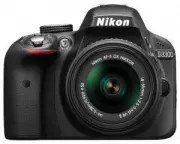 Nikon D3300
Manual
Nikon D3300
Manual
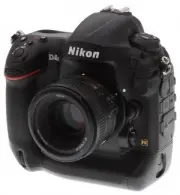 Nikon D4S
Manual
Nikon D4S
Manual
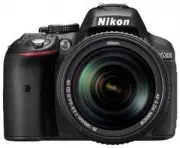 Nikon D5300
Manual
Nikon D5300
Manual
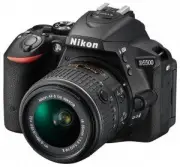 Nikon D5500
Manual
Nikon D5500
Manual
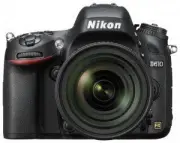 Nikon D610
Manual
Nikon D610
Manual
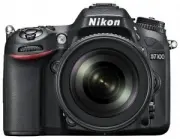 Nikon D7100
Manual
Nikon D7100
Manual
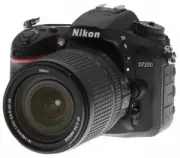 Nikon D7200
Manual
Nikon D7200
Manual
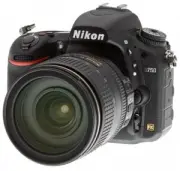 Nikon D750
Manual
Nikon D750
Manual
 Nikon D810
Manual
Nikon D810
Manual
 Nikon D810A
Manual
Nikon D810A
Manual
 Nikon Df
Manual
Nikon Df
Manual
 Nikon 1 AW1
Manual
Nikon 1 AW1
Manual
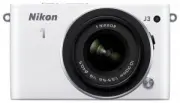 Nikon 1 J3
Manual
Nikon 1 J3
Manual
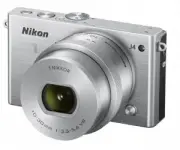 Nikon 1 J4
Manual
Nikon 1 J4
Manual
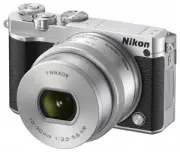 Nikon 1 J5
Manual
Nikon 1 J5
Manual
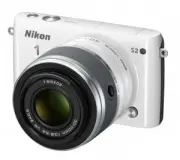 Nikon 1 S2
Manual
Nikon 1 S2
Manual
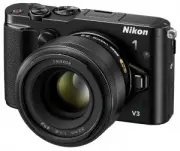 Nikon 1 V3
Manual
Nikon 1 V3
Manual
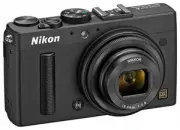 Nikon Coolpix A
Manual
Nikon Coolpix A
Manual
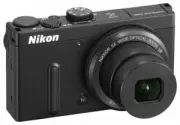 Nikon Coolpix P330
Manual
Nikon Coolpix P330
Manual
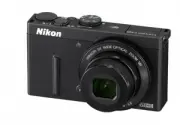 Nikon Coolpix P340
Manual
Nikon Coolpix P340
Manual