Page 4 - ii; Introduction; Read This First; xv), and familiarize yourself with the information; Confirming the Package Contents; The included batteries are for trial use only.
ii In troducti on Introduction Read This First Thank you for purchasing the Nikon COOLPIX S30 digital camera. Before using the camera, please read the information in “For Your Safety” ( A viii) and “<Important> Shockproof, Waterproof, Dustproof, Condensation“ ( A xv), and familiarize yourself ...
Page 5 - iii; About This Manual
iii In troducti on About This Manual If you want to start using the camera right away, see “The Basics of Shooting and Playback” ( A 9). To learn about the parts of the camera and basic operations, see “Parts of the Camera and Basic Operations” ( A 1).
Page 6 - iv; Other Information
iv In troducti on Other Information • Symbols and ConventionsTo make it easier to find the information you need, the following symbols and conventions are used in this manual: • SD, SDHC, and SDXC memory cards are referred to as “memory cards” in this manual. • The setting at the time of purchase is...
Page 7 - Information and Precautions; Use Only Nikon Brand Electronic Accessories; Before Taking Important Pictures
v In troducti on Information and Precautions Life-Long Learning As part of Nikon’s “Life-Long Learning” commitment to ongoing product support and education, continually updated information is available online at the following sites: • For users in the U.S.A.: http://www.nikonusa.com/ • For users in ...
Page 8 - About the Manuals
vi In troducti on About the Manuals • No part of the manuals included with this product may be reproduced, transmitted, transcribed, stored in a retrieval system, or translated into any language in any form, by any means, without Nikon’s prior written permission. • Nikon reserves the right to change...
Page 9 - vii; Disposing of Data Storage Devices
vii In troducti on • Comply with copyright notices The copying or reproduction of copyrighted creative works such as books, music, paintings, woodcut prints, maps, drawings, movies, and photographs is governed by national and international copyright laws. Do not use this product for the purpose of m...
Page 10 - viii; For Your Safety; WARNINGS; Do not disassemble
viii In troducti on For Your Safety To prevent damage to your Nikon product or injury to yourself or to others, read the following safety precautions in their entirety before using this equipment. Keep these safety instructions where all those who use the product will read them. WARNINGS Turn off in...
Page 11 - ix; Keep out of reach of children
ix In troducti on Keep out of reach of children Particular care should be taken to prevent infants from putting the battery, brush, or other small parts into their mouths. Do not remain in contact with the camera or battery charger for extended periods while the devices are on or in use Parts of the...
Page 13 - xi; Use appropriate cables
xi In troducti on Use appropriate cables When connecting cables to the input and output jacks, use only the cables provided or sold by Nikon for the purpose, to maintain compliance with product regulations. Handle moving parts with care Be careful that your fingers or other objects are not pinched b...
Page 14 - xii; Notices; CAUTIONS; Modifications
xii In troducti on Notices Notice for Customers in the U.S.A. Federal Communications Commission (FCC) Radio Frequency Interference Statement This equipment has been tested and found to comply with the limits for a Class B digital device, pursuant to Part 15 of the FCC rules. These limits are designe...
Page 15 - xiii; Interface Cables; Wash hands after handling.; Notice for customers in Canada
xiii In troducti on Interface Cables Use the interface cables sold or provided by Nikon for your equipment. Using other interface cables may exceed the limits of Class B Part 15 of the FCC rules. Notice for customers in the State of California WARNING Handling the cord on this product will expose yo...
Page 16 - xiv
xiv In troducti on Symbol for Separate Collection in European Countries This symbol indicates that this product is to be collected separately. The following apply only to users in European countries: • This product is designated for separate collection at an appropriate collection point. Do not disp...
Page 17 - xv; Notes About Shockproof Performance
xv In troducti on <Important> Shockproof, Waterproof, Dustproof, Condensation • Make sure to read the following instructions as well as the instructions provided in “Caring for the Product” ( F 2). Notes About Shockproof Performance This camera has passed Nikon’s in-house test (drop test from ...
Page 18 - xvi; Notes About Waterproof and Dustproof Performances; camera due to improper handling of the camera.
xvi In troducti on Notes About Waterproof and Dustproof Performances The camera is equivalent to IEC/JIS waterproof grade 8 (IPX8) and IEC/JIS dustproof grade 6 (IP6X) and enables shooting pictures underwater at a depth of 3 m (9.8 ft) for up to 60 minutes.* This rating does not guarantee the waterp...
Page 19 - xvii; Before Using the Camera Underwater; memory card slot cover or on the internal cover.
xvii In troducti on • If a foreign substance adheres to the outside of the camera or the inside of the battery-chamber/memory card slot cover (such as the hinge, internal cover, memory card slot, and connectors), remove it immediately with a blower. If a foreign substance adheres to the waterproof p...
Page 20 - xviii; Slide the cover until it clicks into place.; Notes About Using the Camera Underwater
xviii In troducti on 3. Make sure that the internal cover and battery-chamber/memory card slot cover are firmly closed. • Slide the cover until it clicks into place. Notes About Using the Camera Underwater Observe the following precautions to prevent water from seeping inside the camera. • Do not di...
Page 21 - xix; camera with fresh water.; Do not dry the camera with hot air from a hair dryer or clothes dryer.
xix In troducti on 1. Keep the battery-chamber/memory card slot cover closed and wash off the camera with fresh water. Lightly rinse the camera with tap water, or immerse the camera in a shallow basin filled with freshwater for about 10 minutes. • If the buttons or switches do not operate properly, ...
Page 22 - xx
xx In troducti on 3. After making sure that there are no water droplets on the camera, open the battery-chamber/memory card slot cover and internal cover, and gently wipe off any water remaining inside the camera with a dry soft cloth and use the blower to remove any foreign substances. • If you ope...
Page 23 - xxi; Clearing the fogging
xxi In troducti on Notes About Operating Temperature and Humidity and Condensation The operation of this camera has been tested at temperatures from 0°C to 40°C (32°F to 104°F). b Operating environmental conditions such as temperature and humidity may cause fogging (condensation) on the inside of th...
Page 24 - xxii; Table of Contents
xxii In troducti on Table of Contents Introduction ................................................... ii Read This First ....................................................... ii Confirming the Package Contents ................. iiAbout This Manual ....................................................
Page 25 - xxiii
xxiii In troducti on Changing the Size............................................. 49 Image Types (Image Size and Quality)...... 49Movie Types............................................................... 50 Movie AF .............................................................. 52Default Settings...
Page 26 - xxiv
xxiv In troducti on The Playback Menu ................................... E 22 F Favorites ...................................................... E 22 D Photo Albums .......................................... E 26 m Slide Show ................................................. E 27 G Choose by Date ....
Page 28 - Parts of the Camera and Basic Operations; The Camera Body
2 Parts of the Came ra and Basi c O p erations Parts of the Camera and Basic Operations The Camera Body 1 2 3 5 6 8 9 4 7 7 1 Shutter-release button .................................... 22 2 Flash ............................................................................ 44 3 Power switch/power-on...
Page 30 - Attaching the Camera Strap
4 Parts of the Came ra and Basi c O p erations Attaching the Camera Strap Pass the strap through either the left or right strap eyelet and attach the strap. 2 1
Page 31 - The Monitor; Shooting Mode
5 Parts of the Came ra and Basi c O p erations The Monitor • The information that is displayed in the monitor during shooting and playback changes depending on the camera’s settings and state of use. Shooting Mode 1 0 1 0 30s 30s 1m 1m 5m 5m 1 0 1 0 2 9 m 0 s 2 9 m 0 s 9 9 9 9 9 9 F 3.3 F 3.3 1 / 2 ...
Page 32 - Playback Mode
6 Parts of the Came ra and Basi c O p erations Playback Mode 9 9 9 9 9 9 1 5 : 3 0 1 5 : 3 0 1 5 / 0 5 / 2 0 1 2 1 5 / 0 5 / 2 0 1 2 1 3 2 4 5 6 7 9 11 12 9 9 9 9 9 9 1 m 0 s 1 m 0 s 9 9 9 9 9 9 9 9 1 m 0 s 1 m 0 s 13 14 8 10 1 Flexible icons.............................................................
Page 33 - Using the Flexible Buttons
7 Parts of the Came ra and Basi c O p erations Using the Flexible Buttons If you press a flexible button while the shooting screen or playback screen is displayed, the menu for the current mode is displayed. Once the menu is displayed, you can change various settings. In this document, the flexible ...
Page 34 - Selecting Items
8 Parts of the Came ra and Basi c O p erations Selecting Items • To select an item, press the flexible button next to it. • When Q is displayed, press flexible button 1 to return to the previous screen. When Q is not displayed, you can return to the previous screen by pressing the multi selector J ....
Page 35 - Preparation
9 The Basic s of Shootin g and Playbac k The Basics of Shooting and Playback Preparation Preparation 1 Insert the Batteries .................................................................................. 10Preparation 2 Insert a Memory Card ...........................................................
Page 36 - The Basics of Shooting and Playback; Preparation 1 Insert the Batteries; Insert the batteries.
10 The Basic s of Shootin g and Playbac k The Basics of Shooting and Playback Preparation 1 Insert the Batteries The camera has a dual-cover system. Underneath the battery-chamber/memory card slot cover is an internal cover. 1 Open the battery-chamber/memory card slot cover and then the internal cov...
Page 37 - Applicable Batteries; Removing the Batteries; Battery Type; Alkaline Batteries
11 The Basic s of Shootin g and Playbac k Applicable Batteries • Two LR6/L40 (AA-size) alkaline batteries (batteries included) • Two FR6/L91 (AA-size) lithium batteries • Two EN-MH2 rechargeable Ni-MH (nickel metal hydride) batteries B Removing the Batteries • Turn the camera off and be sure that th...
Page 38 - Preparation 2 Insert a Memory Card; Insert a memory card.; Inserting a Memory Card
12 The Basic s of Shootin g and Playbac k Preparation 2 Insert a Memory Card 1 Turn off the camera and then open the battery-chamber/memory card slot cover and internal cover. • When the camera turns off, the power-on lamp and the display turn off. • Before opening the covers, hold the camera upside...
Page 39 - Removing the Memory Card; Gently push the memory card into the camera (; Formatting a Memory Card; Notes About Memory Cards
13 The Basic s of Shootin g and Playbac k Removing the Memory Card • Turn the camera off and be sure that the power-on lamp and the monitor have turned off before opening the battery-chamber/memory card slot cover and internal cover. • Gently push the memory card into the camera ( 1 ) to partially e...
Page 40 - Internal Memory and Memory Cards
14 The Basic s of Shootin g and Playbac k Internal Memory and Memory Cards Camera data, including images and movies, can be saved in either the camera’s internal memory (approximately 47 MB) or on a memory card. To use the camera’s internal memory for shooting or playback, first remove the memory ca...
Page 41 - Preparation 3 Set the Display Language, Date, and Time; Press the power switch to turn on the camera.; Yes
15 The Basic s of Shootin g and Playbac k Preparation 3 Set the Display Language, Date, and Time When the camera is turned on for the first time, the language-selection screen and the date and time setting screen for the camera clock are displayed. 1 Press the power switch to turn on the camera. • W...
Page 42 - Press the multi selector; Press flexible button 3 (
16 The Basic s of Shootin g and Playbac k 4 Use flexible buttons 2 to 4 to select the date format. 5 Press the multi selector H , I , J , or K to set the date and time, and then press flexible button 4 ( O ). • Select an item: Press K or J (changes between D , M , Y , hour , and minute ). • Edit the...
Page 43 - Changing the Language Setting and the Date and Time Setting
17 The Basic s of Shootin g and Playbac k C Changing the Language Setting and the Date and Time Setting • You can change the Language ( E 46) and Date and time ( E 42) settings in the l setup menu ( A 80). • You can enable and disable daylight saving time by selecting Date and time ( E 42) in the l ...
Page 44 - Step 1 Turn the Camera On; Battery Level Indicator
18 The Basic s of Shootin g and Playbac k Step 1 Turn the Camera On 1 Press the power switch to turn on the camera. • The monitor turns on. 2 Check the battery level indicator and the number of exposures remaining. Battery Level Indicator Number of Exposures Remaining The number of pictures that can...
Page 45 - Turning the Camera On and Off; Press and hold the
19 The Basic s of Shootin g and Playbac k Turning the Camera On and Off • When the camera is turned on, the power-on lamp (green) will light and then the monitor will turn on (the power-on lamp turns off when the monitor turns on). • To turn off the camera, press the power switch. When the camera tu...
Page 46 - Step 2 Frame a Picture; Hold the camera steady.; When Using a Tripod
20 The Basic s of Shootin g and Playbac k Step 2 Frame a Picture 1 Hold the camera steady. • Keep fingers, hair, the camera strap, and other objects away from the lens, flash, and microphone. 2 Frame the picture. • When the camera detects a human face, that face is framed by a yellow double border (...
Page 47 - Using the Zoom; Use the multi selector to activate optical zoom.; Digital Zoom; activates the; Digital Zoom and Interpolation
21 The Basic s of Shootin g and Playbac k Using the Zoom Use the multi selector to activate optical zoom. • To zoom in closer to the subject, press H . • To zoom out and view a larger area, press I . When you turn the camera on, the zoom moves to the maximum wide-angle position. • The zoom indicator...
Page 48 - Step 3 Focus and Shoot
22 The Basic s of Shootin g and Playbac k Step 3 Focus and Shoot 1 Press the shutter-release button halfway ( A 23). • When a face is detected:The camera focuses on the face framed by the double border. When the subject is in focus, the double border glows green. • When a face is not detected:The ca...
Page 49 - The Shutter-release Button; Notes About Saving Data
23 The Basic s of Shootin g and Playbac k The Shutter-release Button Press halfway To set focus and exposure (shutter speed and aperture value), press the shutter-release button halfway, stopping when you feel resistance. Focus and exposure remain locked while the shutter-release button is pressed h...
Page 50 - Autofocus; Notes About Face Detection; Flash; To Make Sure You Do Not Miss a Shot
24 The Basic s of Shootin g and Playbac k B Autofocus The camera may not focus as expected in the following situations. In some rare cases, the subject may not be in focus despite the fact that the focus area or the focus indicator glows green: • Subject is very dark • Objects of sharply differing b...
Page 51 - Step 4 Play Back Images; Press the; Viewing Images; More Information
25 The Basic s of Shootin g and Playbac k Step 4 Play Back Images 1 Press the c (shooting/playback mode) button. • The camera switches to playback mode and the last image saved will be displayed full-frame. 2 Use the multi selector to select an image to display. • Display the previous image: J • Dis...
Page 52 - Step 5 Delete Images
26 The Basic s of Shootin g and Playbac k Step 5 Delete Images 1 Display the image you want to delete in the monitor and then press flexible button 4 ( n ). 2 Press flexible button 2 or 3 to select the deletion method. • n Erase this picture only : Only the current image is deleted. • o Erase select...
Page 53 - Selecting which images you want to delete; Notes About Deletion
27 The Basic s of Shootin g and Playbac k Selecting which images you want to delete 1 Press the multi selector J or K to select an image to be deleted, and then press flexible button 2 ( S ). • To undo the selection, press flexible button 2 again to remove the S mark. • Press flexible button 3 ( P )...
Page 55 - Shooting Features; This chapter describes
29 Sh ooting Feat ur es Shooting Features This chapter describes A (auto) mode and the features that are available when shooting. You can adjust settings according to the shooting conditions and the kind of images you want to capture. A (Auto) Mode ......................................................
Page 56 - When the camera detects a human face, it focuses on that face (; Notes About Motion Detection
30 Sh ooting Feat ur es Shooting Features A (Auto) Mode The camera automatically selects the optimum scene mode when you frame a picture. • The area of the frame that the camera focuses on varies depending on the composition of the picture. • When the camera detects a human face, it focuses on that ...
Page 57 - When using; Flash mode; can be used together with other features.
31 Sh ooting Feat ur es Changing A (Auto) Mode Settings When using A (auto) mode, the following settings can be changed. x Flash mode , i Self- timer , and C Choose a size can be used together with other features. ➝ “Default Settings” ( A 53) Option Descriptions A d Change colors You can adjust brig...
Page 58 - Change Colors; Enter shooting mode
32 Sh ooting Feat ur es Change Colors You can adjust brightness (exposure compensation), vividness, and hue when taking pictures. 1 Press the multi selector J or K to select b , c , or e . • b : Brightness (exposure compensation) • c : Vividness (saturation) • e : Hue (white balance) 2 Adjust bright...
Page 59 - Press the shutter-release button to take a picture.; Notes About Change Colors
33 Sh ooting Feat ur es 3 When you have finished making adjustments, press flexible button 4 ( O ). • R is displayed if you have adjusted any of the settings. 4 Press the shutter-release button to take a picture. C h a n g e c o l o r s 1 5 m 0 s 1 5 m 0 s 7 8 0 7 8 0 C Notes About Change Colors • T...
Page 60 - Adjusting Brightness (Exposure Compensation); You can adjust the overall brightness of the image.
34 Sh ooting Feat ur es b Adjusting Brightness (Exposure Compensation) You can adjust the overall brightness of the image. • Move the slider up to make the subject brighter. Move the slider down to make the subject darker. c Adjusting Vividness (Saturation) You can adjust the overall vividness of th...
Page 61 - Decorate; The; Choose a size; setting is fixed at; Frame the subject and take a picture.; Notes About Decorate
35 Sh ooting Feat ur es Decorate You can add a frame around your images when taking pictures. Five different frames are available. • The Choose a size > Photos setting is fixed at F Small (2 megapixels) . 1 Press the multi selector J or K to select a frame, and then press flexible button 4 ( O )....
Page 62 - Choose a Style (Shooting Suited to Scenes); Changing Scene Mode Settings; “Default Settings“; Notes About Choose a Style
36 Sh ooting Feat ur es Choose a Style (Shooting Suited to Scenes) When one of the following scenes is selected, camera settings are automatically optimized for the selected scene. Changing Scene Mode Settings Depending on the scene, you can use the shooting menu to change settings for x Flash mode ...
Page 63 - Characteristics of Each Scene
37 Sh ooting Feat ur es Characteristics of Each Scene A Point and shoot Images are captured using A (auto) mode ( A 30). H Shoot close-ups Use this mode to photograph flowers, insects, and other small objects at close range. • The camera automatically zooms to the closest position at which it can fo...
Page 68 - Change Sounds
42 Sh ooting Feat ur es Change Sounds Allows you to configure button sounds and the shutter sound. You can select one of eight different sounds, or turn sounds off. 1 Press the multi selector J or K to select x or y , and then press H . • x : Button sound • y : Shutter sound • Press flexible button ...
Page 69 - Press; Press flexible button 4 (
43 Sh ooting Feat ur es 2 Press H , I , J , or K to select a sound type and then press flexible button 4 ( O ). • a : Standard sounds • z : Sounds will not be heard. • You can press flexible button 2 ( v ) to mute sounds temporarily and return to shooting. To turn sounds on, press flexible button 2 ...
Page 70 - Using the Flash; You can set the flash mode to match the shooting conditions.; Available Flash Modes; The Flash Lamp
44 Sh ooting Feat ur es Using the Flash You can set the flash mode to match the shooting conditions. Available Flash Modes Enter shooting mode M any flexible button M press I M flexible button 1 ( x Flash mode) M flexible buttons 2-3 w Auto flash The flash fires automatically when lighting is dim. y...
Page 71 - Press flexible button 2 (
45 Sh ooting Feat ur es Using the Self-timer The camera’s self-timer can release the shutter about ten seconds after you press the shutter-release button. The self-timer is useful when you want to be in the picture you are taking, or when you want to avoid the effects of camera shake that occur when...
Page 72 - Notes About the Self-timer
46 Sh ooting Feat ur es 3 Press the shutter-release button the rest of the way down. • The self-timer starts, and the number of seconds remaining before the shutter is released is displayed in the monitor. The self-timer lamp flashes while the timer is counting down. About one second before the shut...
Page 73 - Using the Smile Timer; Smile
47 Sh ooting Feat ur es Using the Smile Timer The camera can detect human faces and automatically release the shutter when a smile is detected. 1 Press flexible button 3 ( Y Smile timer ). • U is displayed. 2 Frame the picture. • When the camera detects a human face, a double border indicating the f...
Page 74 - Notes About the Smile Timer
48 Sh ooting Feat ur es B Notes About the Smile Timer • Digital zoom cannot be used. • Under some shooting conditions, the camera may be unable to detect faces or detect smiles. • “Notes About Face Detection” ➝ ( A 56) • This feature cannot be used simultaneously with certain features. See “Features...
Page 75 - Changing the Size; You can select the size of; in the shooting menu.
49 Sh ooting Feat ur es Changing the Size You can select the size of A Photos (still images) and N Movies ( A 50) using C Choose a size in the shooting menu. Image Types (Image Size and Quality) You can select the image size used when saving images. Select the image type best suited to the manner in...
Page 76 - Movie Types; Select the desired movie type to record.; The movie bitrate is the volume of movie data recorded per second.
50 Sh ooting Feat ur es Movie Types Select the desired movie type to record. Larger image sizes and faster movie bitrates mean greater image quality and larger movie file sizes. * When no memory card is inserted (i.e., when using the camera's internal memory), the setting is fixed at H Small (640) ....
Page 77 - Number of Images That Can Be Saved
51 Sh ooting Feat ur es C Number of Images That Can Be Saved The following table lists the approximate number of images that can be saved in the internal memory and on a 4 GB memory card. Note that due to JPEG compression, the number of images that can be saved varies greatly depending on the compos...
Page 78 - Movie AF; Select how the camera focuses in movie mode.
52 Sh ooting Feat ur es Movie AF Select how the camera focuses in movie mode. Enter shooting mode M any flexible button M press I M flexible button 4 ( N Movie AF) Option Description W Single AF (default setting) Focus is locked when the b ( e movie-record) button is pressed to start recording.Selec...
Page 79 - Default Settings; Default settings for features that can be used with; Choose a style; are described below.
53 Sh ooting Feat ur es Default Settings Default settings for features that can be used with Choose a style are described below. 1 Smile timer is not available. 2 The setting cannot be changed. Flash ( A 44) Self-timer ( A 45) Shoot close-ups ( A 37) y Off 1 Shoot under water ( A 38) y Off 1 Take a ...
Page 80 - Features That Cannot Be Used Simultaneously; Some shooting settings cannot be used with other functions.
54 Sh ooting Feat ur es Features That Cannot Be Used Simultaneously Some shooting settings cannot be used with other functions. Restricted function Option Descriptions Change colors Choose a style ( A 36) When Choose a style is set to any setting other than Point and shoot , Change colors cannot be ...
Page 82 - Focusing; Using Face Detection
56 Sh ooting Feat ur es Focusing Using Face Detection When using the following shooting modes and settings, the camera uses face detection to automatically focus on human faces. If the camera detects more than one face, a double border is displayed around the face that the camera will focus on, and ...
Page 83 - Focus Lock; The following describes the procedure when; Aim the camera so that the subject is in the center of the frame.
57 Sh ooting Feat ur es Focus Lock When the camera focuses on an object in the center of the frame, you can use focus lock to focus on an off-center subject. The following describes the procedure when Shoot close-ups is selected. 1 Aim the camera so that the subject is in the center of the frame. 2 ...
Page 84 - Using Skin Softening; When the shutter is released when using; Notes About Skin Softening
58 Sh ooting Feat ur es Using Skin Softening When the shutter is released when using A (auto), the camera detects one or more human faces (up to three), and processes the image to soften facial skin tones. B Notes About Skin Softening • It may take more time than usual to save images after shooting....
Page 85 - Playback Features
59 Playback Fe atures Playback Features This chapter describes the features that are available when playing back images. Playback Zoom .................................................... 60Thumbnail Display .............................................. 61Features Available in Playback Mode (Playba...
Page 86 - Playback Zoom
60 Playback Fe atures Playback Features Playback Zoom Press the multi selector H during full-frame playback mode ( A 25) to zoom in on the center of the image displayed in the monitor. • You can change the zoom ratio by pressing the multi selector H or I . Images can be zoomed up to approximately 10...
Page 87 - Thumbnail Display
61 Playback Fe atures Thumbnail Display Press the multi selector I in full-frame playback mode ( A 25) to display images in contact sheets of thumbnail images. • You can view nine images on one screen, making it easy to find the image you want. • Press the multi selector J or K to select an image, a...
Page 88 - Features Available in Playback Mode (Playback Menu)
62 Playback Fe atures Features Available in Playback Mode (Playback Menu) When viewing images in full-frame playback mode or thumbnail playback mode, you can configure the following functions by pressing a flexible button ( A 7) to display the menu. Option Descriptions A V Have fun with pictures 1 d...
Page 90 - Connecting the Camera to a TV, Computer, or Printer
64 Playback Fe atures Connecting the Camera to a TV, Computer, or Printer You can enhance your enjoyment of images and movies by connecting the camera to a TV, computer, or printer. • Before connecting the camera to an external device, make sure the remaining battery level is sufficient and turn the...
Page 92 - Using ViewNX 2; Install ViewNX 2 using the ViewNX 2 Installer CD-ROM.; Installing ViewNX 2; An Internet connection is required.; Compatible Operating Systems; Windows; Your Imaging Toolbox
66 Playback Fe atures Using ViewNX 2 ViewNX 2 is an all-in-one software package which enables you to transfer, view, edit and share images. Install ViewNX 2 using the ViewNX 2 Installer CD-ROM. Installing ViewNX 2 • An Internet connection is required. Compatible Operating Systems Windows • Windows 7...
Page 93 - Mac OS
67 Playback Fe atures Mac OS • Mac OS X (version 10.5.8, 10.6.8, 10.7.2) Refer to the Nikon website for the latest information on operating system compatibility. 1 Start the computer and insert the ViewNX 2 Installer CD-ROM into the CD-ROM drive. • Mac OS: When the ViewNX 2 window is displayed, doub...
Page 94 - Download the software.
68 Playback Fe atures 4 Download the software. • When the Software Download screen is displayed, click I agree - Begin download . • Follow the on-screen instructions to install the software. 5 Exit the installer when the installation completion screen is displayed. • Windows: Click Yes . • Mac OS: C...
Page 95 - Transferring Images to the Computer; Choose how images will be copied to the computer.; Connecting the USB Cable
69 Playback Fe atures Transferring Images to the Computer 1 Choose how images will be copied to the computer. Choose one of the following methods: • Direct USB connection : Turn the camera off and ensure that the memory card is inserted in the camera. Connect the camera to the computer using the sup...
Page 96 - Transfer images to the computer.
70 Playback Fe atures If a message is displayed prompting you to choose a program, select Nikon Transfer 2. • When using Windows 7 If the dialog shown at right is displayed, follow the steps below to select Nikon Transfer 2.1 Under Import pictures and videos , click Change program . A program select...
Page 97 - Terminate the connection.; Starting ViewNX 2 Manually
71 Playback Fe atures 3 Terminate the connection. • If the camera is connected to the computer, turn the camera off and disconnect the USB cable. If you are using a card reader or card slot, choose the appropriate option in the computer operating system to eject the removable disk corresponding to t...
Page 99 - You can record movies by simply pressing the
73 Recording and Pla yin g Bac k Movi es Recording and Playing Back Movies You can record movies by simply pressing the b ( e movie-record) button. Recording Movies ................................................ 74Playing Back Movies ............................................ 77 1 5 m 0 s 1 5 m ...
Page 100 - Recording and Playing Back Movies; Recording Movies; Display the shooting screen.
74 Recording and Pla yin g Bac k Movi es Recording and Playing Back Movies Recording Movies You can record movies by simply pressing the b ( e movie-record) button. When no memory card is inserted (i.e., when using the camera’s internal memory), the movie type ( A 50) setting is fixed at H Small (64...
Page 101 - Notes About Saving Movies; Notes About Movie Recording
75 Recording and Pla yin g Bac k Movi es B Notes About Saving Movies After a movie has been recorded, it is not fully saved to the internal memory or memory card until monitor display returns to the shooting display. Do not open the battery-chamber/memory card slot cover or internal cover before mov...
Page 102 - Maximum Movie Length
76 Recording and Pla yin g Bac k Movi es C Maximum Movie Length All figures are approximate. The maximum movie length may vary depending on the make of the memory card, even among memory cards of the same capacity. 1 When no memory card is inserted (i.e., when using the camera's internal memory), th...
Page 103 - Playing Back Movies; View; Deleting movies
77 Recording and Pla yin g Bac k Movi es Playing Back Movies 1 Press the c (shooting/playback mode) button to switch to playback mode. 2 Select a movie and then press flexible button 2 ( Z ). • Movies can be identified by the movie length indicator ( A 6). 3 Press flexible button 2 ( A View ). • You...
Page 104 - Functions Available During Playback; Notes About Playing Back Movies
78 Recording and Pla yin g Bac k Movi es Functions Available During Playback You can use the flexible buttons to perform the following operations. Adjusting volume Press the multi selector H or I during playback. Function Icon Description Rewind C Hold down the button to rewind the movie. Advance B ...
Page 105 - General Camera Setup; See “Using the Flexible Buttons” (
79 G eneral C amera Setup General Camera Setup This chapter describes the various settings that can be adjusted in the l setup menu. • See “Using the Flexible Buttons” ( A 7) for information about using the camera’s menus. • For further details about each setting, refer to “The Setup Menu” in the Re...
Page 106 - The Setup Menu; Set up
80 G eneral C amera Setup General Camera Setup The Setup Menu The following settings can be changed in the setup menu by pressing flexible button 1 ( l Set up ) in the shooting menu. Enter shooting mode M any flexible button M press I two times M flexible button 1 ( l Set up) Option Description A We...
Page 107 - Reference Section; Shooting
E 1 E Re fere nce S ecti o n Reference Section The Reference Section provides detailed information and hints about using the camera. Shooting Editing Still Images ....................................................................................... E 2 Connecting the Camera to a TV (Viewing Images...
Page 108 - Editing Still Images; Editing Features; editing functions described below are available.
E 2 Re fere nce S ecti o n Reference Section Editing Still Images Editing Features Use the COOLPIX S30 to edit images in-camera and save them as separate files ( E 51). The editing functions described below are available. Editing function Description d Change colors ( E 4) Four different colors are ...
Page 109 - Notes About Image Editing
E 3 Re fere nce S ecti o n B Notes About Image Editing • This camera cannot edit images captured with another make or model of digital camera. • Images created using Photo albums ( E 26) cannot be edited. • Editing functions other than Small picture cannot be added to images captured using Decorate ...
Page 110 - Allows you to adjust image colors.; Highlight Colors; Enter playback mode
E 4 Re fere nce S ecti o n d Change Colors Allows you to adjust image colors. Press the multi selector J or K to select the desired setting, and then press flexible button 4 ( O ). • Four different settings are available.1 Vivid color (default setting): Use to achieve a vivid, photoprint effect. 2 B...
Page 112 - Soften Pictures; Add Starbursts
E 6 Re fere nce S ecti o n Q Soften Pictures Soften the image by adding a slight blur around the center of the image. You can choose one of three area guides displayed in the center. Press the multi selector J or K to select a guide size, and then press flexible button 4 ( O ). • To cancel, press fl...
Page 113 - Add a Fisheye Effect
E 7 Re fere nce S ecti o n W Add a Fisheye Effect Make an image look as if it were captured with a fisheye lens. This effect is well-suited for images captured using Shoot close-ups ( A 37) in the shooting menu. Confirm the effect and press flexible button 4 ( O ). • To cancel, press flexible button...
Page 114 - Small Picture: Reducing the Size of an Image; Create a small copy of the current image.
E 8 Re fere nce S ecti o n s Small Picture: Reducing the Size of an Image Create a small copy of the current image. Press the multi selector J or K to select the size of the image and press flexible button 4 ( O ). • A new, edited copy is saved as a separate image with a compression ratio of 1:16. E...
Page 115 - Crop: Creating a Cropped Copy; By pressing flexible button 4 (; Refine copy composition.
E 9 Re fere nce S ecti o n h Crop: Creating a Cropped Copy By pressing flexible button 4 ( h ) when using playback zoom ( A 60), you can create a copy of the image that contains only the portion visible in the monitor. 1 Press the multi selector H in full-frame playback mode ( A 25) to zoom in on th...
Page 116 - Image Size
E 10 Re fere nce S ecti o n 4 Press flexible button 3 ( R Yes ). • A new, cropped copy is saved as a separate image. Y e s N o S a v e n o w ? C Image Size As the area to be saved is reduced, the image size (pixels) of the cropped copy is also reduced. C More Information File and Folder Names ➝ E 51
Page 117 - Connecting the Camera to a TV (Viewing Images on a TV); Connect the camera to a TV using an optional audio/video cable (; Connect the camera to the TV.
E 11 Re fere nce S ecti o n Connecting the Camera to a TV (Viewing Images on a TV) Connect the camera to a TV using an optional audio/video cable ( E 53) to play back images or movies on the TV. 1 Turn off the camera. 2 Connect the camera to the TV. • Connect the yellow plug of the audio/video cable...
Page 118 - Hold down the; Notes About Connecting the Cable
E 12 Re fere nce S ecti o n 4 Hold down the c (shooting/playback mode) button to turn on the camera. • The camera enters playback mode and images are displayed on the TV. • While connected to the TV, the camera monitor will remain off. B Notes About Connecting the Cable When connecting the cable, be...
Page 119 - Connecting the Camera to a Printer (Direct Print); 1) printers can connect the camera directly to the printer
E 13 Re fere nce S ecti o n Connecting the Camera to a Printer (Direct Print) Users of PictBridge-compatible ( F 21) printers can connect the camera directly to the printer and print images without using a computer. Follow the procedures below to print images. Take pictures Select images for printin...
Page 120 - Connecting the Camera to a Printer; Notes About Power Source
E 14 Re fere nce S ecti o n Connecting the Camera to a Printer 1 Turn off the camera. 2 Turn on the printer. • Check printer settings. B Notes About Power Source When connecting the camera to a printer, use a fully charged battery to prevent the camera from turning off unexpectedly. C Printing Image...
Page 121 - Connect the camera to the printer using the included USB cable.
E 15 Re fere nce S ecti o n 3 Connect the camera to the printer using the included USB cable. • Be sure that connectors are properly oriented. Do not attempt to insert connectors at an angle, and do not use force when connecting or disconnecting the USB cable. 4 Turn on the camera. • When properly c...
Page 122 - Printing Individual Images; After properly connecting the camera to the printer (; Copies
E 16 Re fere nce S ecti o n Printing Individual Images After properly connecting the camera to the printer ( E 14), follow the procedures described below to print an image. 1 Press the multi selector J or K to select an image to be printed, and then press flexible button 4 ( O ). • It is easier to s...
Page 123 - Paper size; Start
E 17 Re fere nce S ecti o n 4 Press flexible button 4 ( c Paper size ). 5 Select a paper size. • To specify paper size using settings on the printer, press flexible button 2 ( Default ) in the paper size option. 6 Press flexible button 2 ( a Start print ). 7 Printing begins. • The screen returns to ...
Page 124 - Printing Multiple Images; screen is
E 18 Re fere nce S ecti o n Printing Multiple Images After properly connecting the camera to the printer ( E 14), follow the procedures described below to print multiple images. 1 When the Print selection screen is displayed, press flexible button 1 ( d ). 2 Press the multi selector I and then press...
Page 125 - Print
E 19 Re fere nce S ecti o n 4 Press flexible button 2 ( o Print selection ), flexible button 3 ( U Print all images ), or flexible button 4 ( g DPOF printing ). Print selection Select images (up to 99) and the number of copies (up to nine) of each. • Press the multi selector J or K to select images....
Page 127 - Paper Size
E 21 Re fere nce S ecti o n 5 Printing begins. • The screen returns to step 2 when printing is complete. P r i n t i n g 0 0 8 / 0 1 0 C a n c e l Current number of copies/total number of copies C Paper Size The camera supports the following paper sizes: Default (the default paper size for the print...
Page 128 - The Playback Menu; See “Editing Still Images” (; Favorites; View favorites; to view those images easily.
E 22 Re fere nce S ecti o n The Playback Menu • See “Editing Still Images” ( E 2) for information about image editing features. F Favorites You can sort your favorite images by adding them to albums. There are three albums available. After registering images, you can use View favorites to view those...
Page 129 - Add to; Adding Images to Albums
E 23 Re fere nce S ecti o n Adding Images to Albums 1 Press flexible button 2 ( u Add to favorites ). 2 Press the multi selector J or K to select an image, and then press flexible button 2 ( p ), flexible button 3 ( q ), or flexible button 4 ( r ). • When an image that has already been added to an a...
Page 130 - Playing Back Images in Albums
E 24 Re fere nce S ecti o n Playing Back Images in Albums 1 Press flexible button 3 ( r View favorites ). 2 Press flexible button 2 ( p ), flexible button 3 ( q ), or flexible button 4 ( r ). 3 Play back the images in the selected album. • Press the multi selector J or K to browse through the images...
Page 131 - Removing Images from Albums
E 25 Re fere nce S ecti o n Removing Images from Albums 1 Press flexible button 3 ( s ) in the screen shown in step 3 of “Playing Back Images in Albums” ( E 24). • Press I to switch to 9-thumbnail display mode. - Press the multi selector J or K to select an image. - If you press flexible button 2 ( ...
Page 132 - Photo Albums; Notes About Photo Albums
E 26 Re fere nce S ecti o n D Photo Albums You can display images similarly to a photo album. Three different photo album designs are available. 1 Select an image and then press flexible button 4 ( O ). • The Image Selection Screen ➝ E 35 • Up to 20 images can be selected. • You cannot select images...
Page 133 - Slide Show; Choose; Choose a theme; Choose a playback theme.
E 27 Re fere nce S ecti o n m Slide Show Play back images, saved in the internal memory or on a memory card, one by one in an automated “slide show.” 1 Press flexible button 3 ( o Choose pictures ). 2 Select images. • s Choose from favorites : Allows you to select images that have been added to albu...
Page 134 - The slide show begins.; Notes About Slide Show
E 28 Re fere nce S ecti o n 5 Press flexible button 2 ( A Start ). 6 The slide show begins. • To pause playback, press flexible button 4 ( D ). To exit, press flexible button 1 ( Q ). • While the slide show is in progress, press the multi selector K to display the next image or J to display the prev...
Page 135 - Choose by Date; Use the multi selector; Notes About Choose By Date
E 29 Re fere nce S ecti o n G Choose by Date Use the multi selector H , I , J , or K to select a date from the calendar and then press flexible button 4 ( O ) to play back the images captured on the selected date. • The first image that was captured on the selected date is displayed.Days containing ...
Page 136 - Rotate Pictures; Rotate pictures; Notes About Rotate Pictures
E 30 Re fere nce S ecti o n d Rotate Pictures Specify the orientation in which saved images are displayed during playback. Still images can be rotated 90 degrees clockwise or 90 degrees counterclockwise. Images that were saved in portrait (“tall”) orientation can be rotated up to 180 degrees in eith...
Page 137 - Print Order (Creating a DPOF Print Order); option in the playback menu is used to create digital “print orders”.; Select
E 31 Re fere nce S ecti o n a Print Order (Creating a DPOF Print Order) When printing images saved on the memory card using any of the following methods, the Print order option in the playback menu is used to create digital “print orders”. • Inserting the memory card into a DPOF-compatible ( F 21) p...
Page 138 - Notes About Printing Shooting Date and Shooting Information
E 32 Re fere nce S ecti o n 3 Select whether or not to print shooting date and shooting information. • Date : print the shooting date on all images in the print order. • Info : print shooting information (shutter speed and aperture value) on all images in the print order. • Date and Info turn on and...
Page 139 - Copy (Copy Between Internal Memory and Memory Card); Copy images between the internal memory and a memory card.; Select the copy method.
E 33 Re fere nce S ecti o n h Copy (Copy Between Internal Memory and Memory Card) Copy images between the internal memory and a memory card. 1 Select the copy source and destination. • k Camera to card : Copy images from internal memory to memory card. • l Card to camera : Copy images from memory ca...
Page 140 - Notes About Copying Images; If “Memory contains no images.” Is Displayed
E 34 Re fere nce S ecti o n B Notes About Copying Images • JPEG-, AVI-, and WAV-format files can be copied. • Operation is not guaranteed with images captured with another make of camera or that have been modified on a computer. • When copying images for which Print order ( E 31) options are enabled...
Page 141 - Follow the procedures described below to select the images.
E 35 Re fere nce S ecti o n The Image Selection Screen When using one of the following features, a screen like that shown on the right is displayed when selecting images. • Photo albums > Select photos for album ( E 26) • Copy > Selected images ( E 33) • Erase > Erase selected pictures ( A ...
Page 142 - Exchange Messages; Up to two messages can be attached to each image.; Leave a Message; Leave a; Press and hold flexible button 2 (
E 36 Re fere nce S ecti o n E Exchange Messages You can record voice messages using the camera’s microphone and attach the messages to your pictures. • Up to two messages can be attached to each image. Leave a Message 1 Press flexible button 2 ( I Leave a message ). • You cannot select this option i...
Page 144 - Leave a Reply
E 38 Re fere nce S ecti o n Leave a Reply 1 Press flexible button 3 ( J Leave a reply ). • You cannot select this option if the image does not have a message attached to it. ➝ “Leave a Message” ( E 36) 2 Press flexible button 2 ( b ). • Once you start recording, the operations are the same as “Leave...
Page 145 - Play Recordings; Play recordings; Press flexible button 1 (; Erase Recordings; Erase
E 39 Re fere nce S ecti o n Play Recordings Press flexible button 4 ( K Play recordings ). • The camera plays the message. If a message and reply have been recorded, they are played back to back. • Press flexible button 1 ( Q ) to stop playback. • Press the multi selector H or I during playback to a...
Page 146 - Notes About Exchange Messages; You can delete unwanted images (
E 40 Re fere nce S ecti o n 2 Press flexible button 3 ( R Yes ) when the confirmation message is displayed. • Only recordings are deleted. If both a message and a reply have been recorded, they will both be deleted. B Notes About Exchange Messages • When an image with messages attached is deleted, b...
Page 147 - Welcome Screen
E 41 Re fere nce S ecti o n The Setup Menu Welcome Screen Select whether or not the welcome screen is displayed when the camera is turned on. Enter shooting mode M any flexible button M press I two times M flexible button 1 ( l Set up) M flexible button 2 ( I Welcome screen) Option Description h Off...
Page 148 - Date and Time; Set the camera clock.; Brightness; Set the option below.
E 42 Re fere nce S ecti o n Date and Time Set the camera clock. Brightness Set the option below. Enter shooting mode M any flexible button M press I two times M flexible button 1 ( l Set up) M flexible button 3 ( J Date and time) Option Description j Date format The available date formats are Year/M...
Page 149 - Notes About Print Date; Print Date and Print Order
E 43 Re fere nce S ecti o n Print Date (Imprinting Date and Time) The shooting date can be imprinted on the images when shooting, allowing the information to be printed even from printers that do not support date printing ( E 32). Enter shooting mode M any flexible button M press I two times M flexi...
Page 150 - Electronic VR; Notes About Electronic VR
E 44 Re fere nce S ecti o n Electronic VR Choose whether to use electronic VR (vibration reduction) when taking still pictures. Enter shooting mode M any flexible button M press I two times M flexible button 1 ( l Set up) M press I M flexible button 3 ( M Electronic VR) Option Description M Auto In ...
Page 151 - Format Memory/Format Card; Formatting the Internal Memory; Format memory; Format; Notes About Formatting Internal Memory and Memory Cards
E 45 Re fere nce S ecti o n Format Memory/Format Card Use this option to format the internal memory or a memory card. Formatting the internal memory or memory cards permanently deletes all data. Data that has been deleted cannot be recovered. Be sure to transfer important data to a computer before f...
Page 152 - Language
E 46 Re fere nce S ecti o n Language Select one of 29 languages for display of camera menus and messages. Enter shooting mode M any flexible button M press I two times M flexible button 1 ( l Set up) M press I two times M flexible button 2 ( P Language) Czech Russian Danish Romanian German Finnish (...
Page 153 - Menu Background; NTSC
E 47 Re fere nce S ecti o n Menu Background Five different menu designs are available. Press the multi selector J or K to select the desired design and then press flexible button 4 ( O ). Video Mode Adjust settings for connection to a TV. Select from NTSC and PAL . Enter shooting mode M any flexible...
Page 154 - Reset All; When flexible button 3 (; Reset; ) is selected, the camera’s settings will be restored to their; Shooting Menu
E 48 Re fere nce S ecti o n Reset All When flexible button 3 ( R Reset ) is selected, the camera’s settings will be restored to their default values. Shooting Menu Setup Menu Enter shooting mode M any flexible button M press I two times M flexible button 1 ( l Set up) M press I three times M flexibl...
Page 155 - Selecting
E 49 Re fere nce S ecti o n Others • Selecting Reset all also clears the current file number ( E 51) from memory. Numbering will continue from the lowest number available for the internal memory or the memory card. To reset file numbering to “0001”, delete all images saved in the internal memory or ...
Page 156 - To ensure that the camera shows the correct battery level (; Firmware Version; View the current camera firmware version.
E 50 Re fere nce S ecti o n Battery Type To ensure that the camera shows the correct battery level ( A 18), select the type that matches the batteries currently in use. Firmware Version View the current camera firmware version. Enter shooting mode M any flexible button M press I two times M flexible...
Page 157 - Images, movies, and messages are assigned file names as follows.; or; Shoot at intervals; , a new folder will not be created
E 51 Re fere nce S ecti o n File and Folder Names Images, movies, and messages are assigned file names as follows. • Files are saved in folders named with a folder number followed by “NIKON” (e.g. “100NIKON”). When the number of files within a folder reaches 999, a new folder will be created (e.g., ...
Page 158 - Files copied using; are copied to the current folder, where they; Copy; copies all folders from the source medium file names do not
E 52 Re fere nce S ecti o n • Files copied using Copy > Selected images are copied to the current folder, where they are assigned new file numbers in ascending order starting from the largest file number in memory. Copy > All images copies all folders from the source medium; file names do not ...
Page 159 - Optional Accessories; Accessories are not waterproof.
E 53 Re fere nce S ecti o n Optional Accessories 1 To charge EN-MH2 batteries, use only Battery Charger MH-72 or MH-73. Do not use these battery chargers to charge any other type of battery. 2 Included with the camera at the time of purchase ( A ii). Accessories are not waterproof. Rechargeable batt...
Page 160 - Error Messages
E 54 Re fere nce S ecti o n Error Messages Display Cause/Solution A O (flashes) Clock not set.Set date and time. E 42 Battery exhausted. Replace the batteries. 10 Please wait for the camera to finish recording. Wait until the image is saved and the message disappears from the display. – Memory card ...
Page 165 - Technical Notes and Index
F 1 Te chni cal Note s and In dex Technical Notes and Index Caring for the Product ............................................... F 2 The Camera............................................................................................................. F 2 Batteries ..................................
Page 166 - Caring for the Product; The Camera; Do Not Subject the Product to Strong Shocks
F 2 Te chni cal Note s and In dex Technical Notes and Index Caring for the Product The Camera To ensure safe and continued enjoyment of your Nikon camera, observe the following precautions and the precautions noted in “For Your Safety” ( A viii-xiv) and “<Important> Shockproof, Waterproof, Dus...
Page 167 - Shock and Vibration
F 3 Te chni cal Note s and In dex • When an external force is applied on the camera, it could become deformed or the airtight seals may become damaged and cause water to seep inside the camera. Do not place a heavy object on the camera, drop the camera, or apply excessive force on the camera. • If w...
Page 168 - Turn the Camera off Before Removing the Batteries or Memory Card
F 4 Te chni cal Note s and In dex B Turn the Camera off Before Removing the Batteries or Memory Card Removing the batteries or memory card while the camera is on could damage the camera or memory card. If removed while the camera is saving or deleting data, data may be lost and the camera’s memory o...
Page 169 - Batteries; Notes About Using Batteries; Spare Batteries
F 5 Te chni cal Note s and In dex Batteries Be sure to read and follow the warnings noted in “For Your Safety” ( A viii-xiv) before use. B Notes About Using Batteries • Used batteries may overheat. Handle with caution. • Do not use batteries beyond their recommended expiration date. • Do not turn th...
Page 170 - Notes About Rechargeable Ni-MH Batteries; Cold Environment Usage
F 6 Te chni cal Note s and In dex B Notes About Rechargeable Ni-MH Batteries • If you repeatedly charge rechargeable Ni-MH batteries while they still have some charge remaining, the message Battery exhausted. may be displayed prematurely when using the batteries. This is due to the “memory effect,” ...
Page 171 - Memory Cards
F 7 Te chni cal Note s and In dex Memory Cards • Use only Secure Digital memory cards. Approved memory cards ➝ A 14 • Observe the precautions noted in the documentation included with your memory card. • Do not affix labels or stickers to the memory card. • Do not format the memory card using a compu...
Page 172 - Cleaning and Storage; Cleaning
F 8 Te chni cal Note s and In dex Cleaning and Storage Cleaning Do not use alcohol, thinner, or other volatile chemicals. Lens When cleaning the lens, avoid touching it directly with your fingers. Remove dust or lint with a blower. To remove fingerprints, oil, or other grime that cannot be removed w...
Page 173 - Storage
F 9 Te chni cal Note s and In dex Storage Remove the batteries if the camera will not be used for an extended period. To prevent mold or malfunction and to ensure long, trouble-free use of the camera, we recommend you insert the batteries and operate the camera approximately once a month. Do not sto...
Page 174 - Troubleshooting
F 10 Te chni cal Note s and In dex Troubleshooting If the camera fails to function as expected, check the list of common problems below before consulting your retailer or Nikon-authorized service representative. Power, Display, Settings Issues Problem Cause/Solution A Camera turns off without warnin...
Page 176 - Characteristics of Digital Cameras; Shooting Issues
F 12 Te chni cal Note s and In dex Characteristics of Digital Cameras In extremely rare instances, unusual characters may appear in the monitor and the camera may stop functioning. In most cases, this phenomenon is caused by a strong external static charge. Turn the camera off, remove and replace th...
Page 178 - Playback Issues
F 14 Te chni cal Note s and In dex Playback Issues Images are too dark (underexposed). • The flash mode is set to y Flash off . • Flash window is blocked. • Subject is beyond flash range. • Adjust exposure compensation. 44204434 Images are too bright (overexposed). Adjust exposure compensation. 34 S...
Page 181 - Specifications; Nikon COOLPIX S30 Digital Camera
F 17 Te chni cal Note s and In dex Specifications Nikon COOLPIX S30 Digital Camera Type Compact digital camera Effective pixels 10.1 million Image sensor 1 / 3 -in. type CCD; approx. 10.44 million total pixels Lens 3× optical zoom, NIKKOR lens Focal length 4.1-12.3mm (angle of view equivalent to tha...
Page 185 - Supported Standards; DCF; printed from print orders saved on memory cards.
F 21 Te chni cal Note s and In dex Supported Standards • DCF : Design Rule for Camera File System is a standard widely used in the digital camera industry to ensure compatibility among different makes of camera. • DPOF : Digital Print Order Format is an industry-wide standard that allows images to b...
Page 186 - Index; Symbols
F 22 Te chni cal Note s and In dex Index Symbols A Auto mode .................................................... 18 c Playback mode........................................... 25 l Setup menu .................................................... 80 c (shooting/playback mode) button... 3 .AVI............
Page 187 - Highlight colors
F 23 Te chni cal Note s and In dex DPOF print .................................................... E20 DSCN ................................................................. E51 E Electronic VR ..................................... 80, E44 EN-MH1 ........................................................
Page 194 - DIGITAL CAMERA; Reference Manual
2012 No reproduction in any form of this manual, in whole or in part (except for brief quotation in critical articles or reviews), may be made without written authorization from NIKON CORPORATION. CT2A01(11) 6MNA4911-01 DIGITAL CAMERA Reference Manual


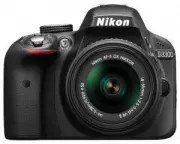 Nikon D3300
Manual
Nikon D3300
Manual
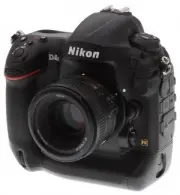 Nikon D4S
Manual
Nikon D4S
Manual
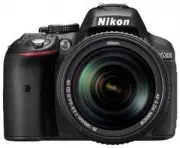 Nikon D5300
Manual
Nikon D5300
Manual
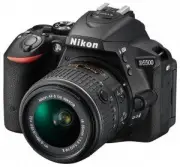 Nikon D5500
Manual
Nikon D5500
Manual
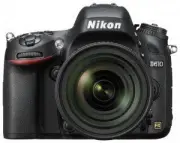 Nikon D610
Manual
Nikon D610
Manual
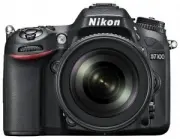 Nikon D7100
Manual
Nikon D7100
Manual
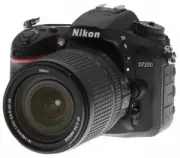 Nikon D7200
Manual
Nikon D7200
Manual
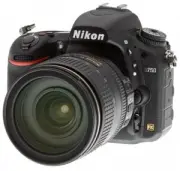 Nikon D750
Manual
Nikon D750
Manual
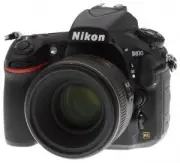 Nikon D810
Manual
Nikon D810
Manual
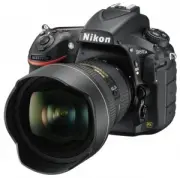 Nikon D810A
Manual
Nikon D810A
Manual
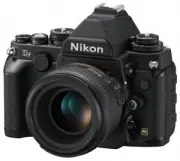 Nikon Df
Manual
Nikon Df
Manual
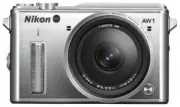 Nikon 1 AW1
Manual
Nikon 1 AW1
Manual
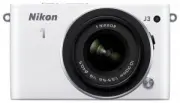 Nikon 1 J3
Manual
Nikon 1 J3
Manual
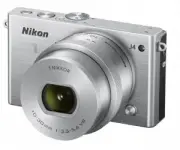 Nikon 1 J4
Manual
Nikon 1 J4
Manual
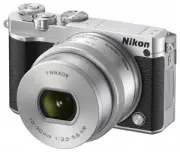 Nikon 1 J5
Manual
Nikon 1 J5
Manual
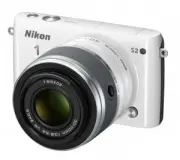 Nikon 1 S2
Manual
Nikon 1 S2
Manual
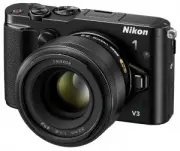 Nikon 1 V3
Manual
Nikon 1 V3
Manual
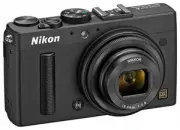 Nikon Coolpix A
Manual
Nikon Coolpix A
Manual
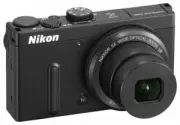 Nikon Coolpix P330
Manual
Nikon Coolpix P330
Manual
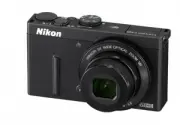 Nikon Coolpix P340
Manual
Nikon Coolpix P340
Manual